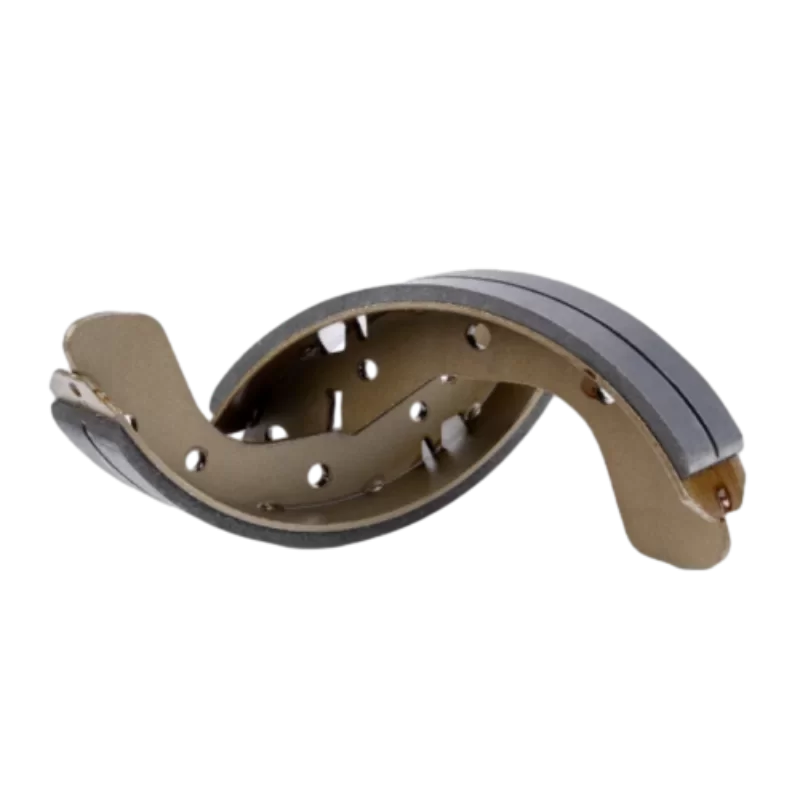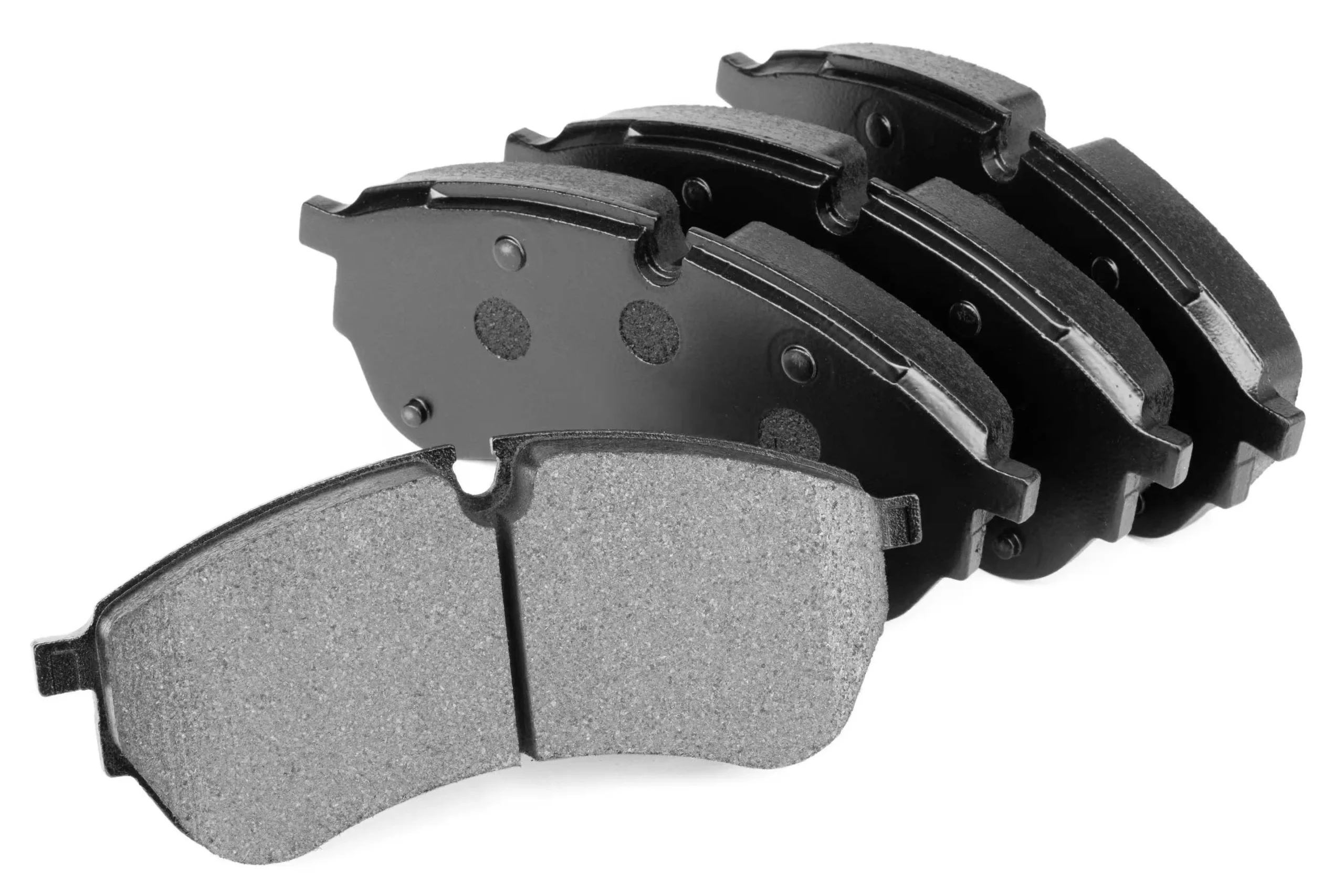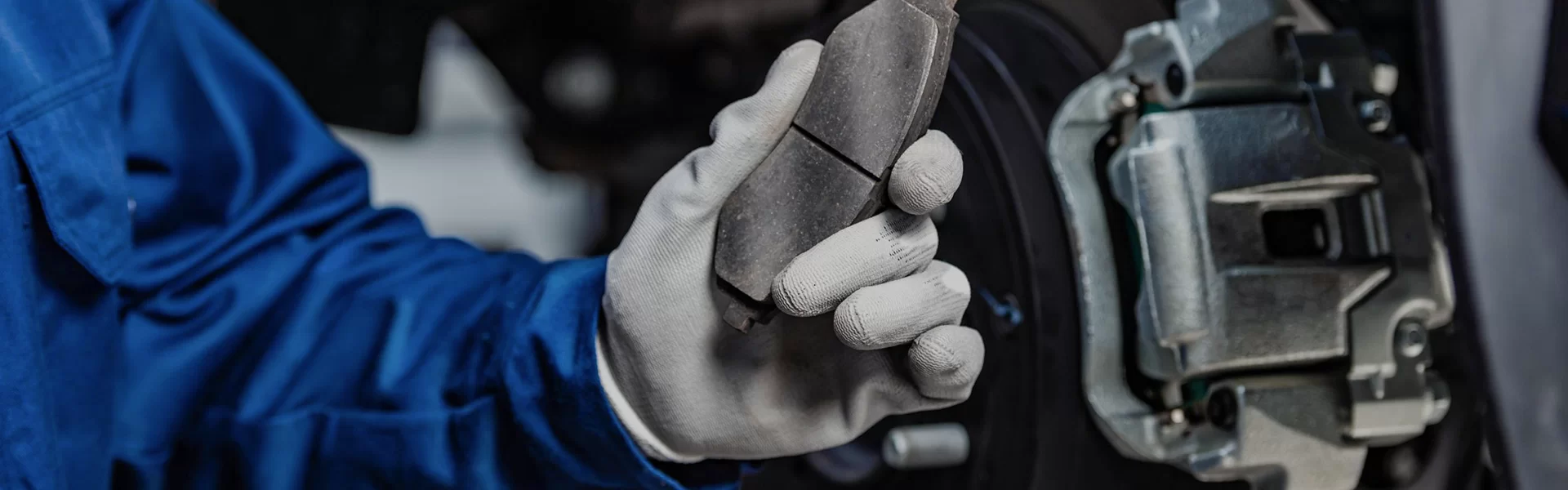
Low Steel Brake Pads is a key solution in the industry, specifically within heavy machinery, commercial vehicles, and industrial equipment sectors. This article explores how https://www.kybrakepad.com supports professionals with durable, high-performance products, and explains why this product is an ideal choice for businesses in these sectors.
When you first hear "Low Steel Brake Pads," it might sound a bit technical – and it is, sort of. These brake pads are specially formulated with a reduced steel content compared to traditional semi-metallic pads. This subtle difference actually makes a big impact. Instead of relying heavily on metal particles, these pads balance steel with other friction materials, improving wear resistance and reducing noise.
Technically speaking, the steel content in these pads typically ranges between 10–30%, which is low compared to common semi-metallic variants that can contain upwards of 30–50% steel. This composition delivers strong performance with less rotor wear and better thermal stability, which in real terms means longer-lasting parts for heavy-duty vehicles. You might be surprised how this small tweak in material balance can lead to a smoother braking experience.
| Specification | Value |
|---|---|
| Steel Content | 10–30% |
| Friction Coefficient | 0.35–0.45 |
| Operating Temperature | -30°C to 350°C |
| Noise Level | Low to Moderate |
| Typical Applications | Commercial vehicles, industrial machinery |
Speaking frankly, low steel brake pads strike a pleasing balance for industries that can’t afford downtime – think logistics fleets or heavy construction. Because they contain less metal, they cause noticeably less rotor wear. Lower maintenance means machines spend more time on the job, and frankly, any operations manager will tell you that’s a big deal.
These pads also excel in noisy environments. Many clients report a reduction in annoying squealing, which is one of those details that’s oddly reassuring in trucks or factory equipment. And since the pads offer consistent friction even at higher temperatures, vehicles handling heavy loads or operating in harsh conditions can rely on stable braking performance.
Industries from mining and agriculture to public transport benefit from these features. The competitive edge really comes down to prolonged service life and a bit less hassle on replacement cycles. Plus, compared to full ceramic pads that can be costly and more fragile, these offer a robust middle ground for value and performance.
Cost-wise, low steel brake pads usually come in at a sweet spot. They’re more affordable than high-end ceramic pads, but last longer than purely organic options. The key takeaway here is total cost of ownership. When factoring in fewer replacements and less rotor maintenance, most operators find an impressive return on investment.
Maintenance routines don’t get overly complicated either. Users report that these pads wear evenly and predictably. I recall a fleet manager mentioning that the enhanced thermal stability helped prevent unexpected braking failures during intensive use – a reassurance you can’t put a price on.
| Vendor | Price Range | Material Blend | Typical Applications | Warranty |
|---|---|---|---|---|
| KYBrakePad | $$ | Low steel + organic resins | Commercial & industrial | 12 months |
| Competitor A | $$$ | High ceramic content | Specialized light vehicles | 6 months |
| Competitor B | $ | Organic only | Passenger cars | 3 months |
As environmental regulations tighten, the construction and transport industries increasingly seek brake solutions with reduced environmental impact. Low steel brake pads weigh in here by offering a reduced metal component, which in turn lessens the generation of metallic dust—a growing concern from an ecological standpoint. So, it's not just about performance but being a bit kinder to the planet.
Market trends indicate that demand for semi-metallic pads with optimized compositions is on the rise, especially in regions with strict vehicle emission and particulate matter controls. Plus, manufacturers like KYBrakePad are innovating in friction formulations to create products that ride the fine line between durability, low noise, and sustainability.
In summary, Low Steel Brake Pads represent a balanced approach to braking technology that combines durability, cost-effectiveness, and environmental considerations. For industries seeking reliable and efficient braking without the trade-offs of excess noise or component wear, they’re a smart choice. You can explore various models and specifications suited to your needs — visit our website: https://www.kybrakepad.com.
Thanks for reading! It’s kind of fascinating how a small tweak in material composition can ripple across performance and sustainability, isn’t it?