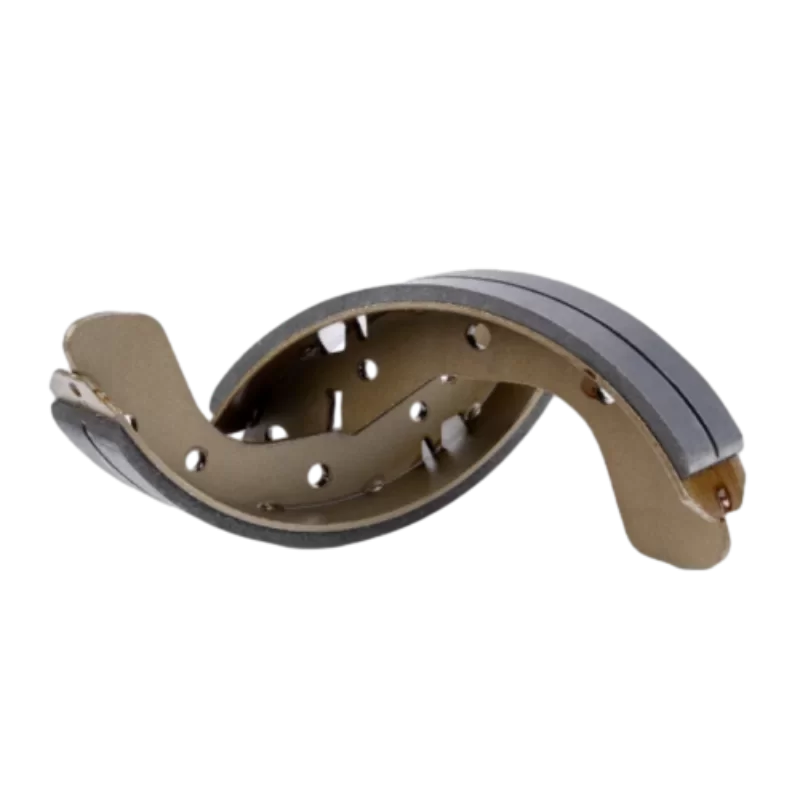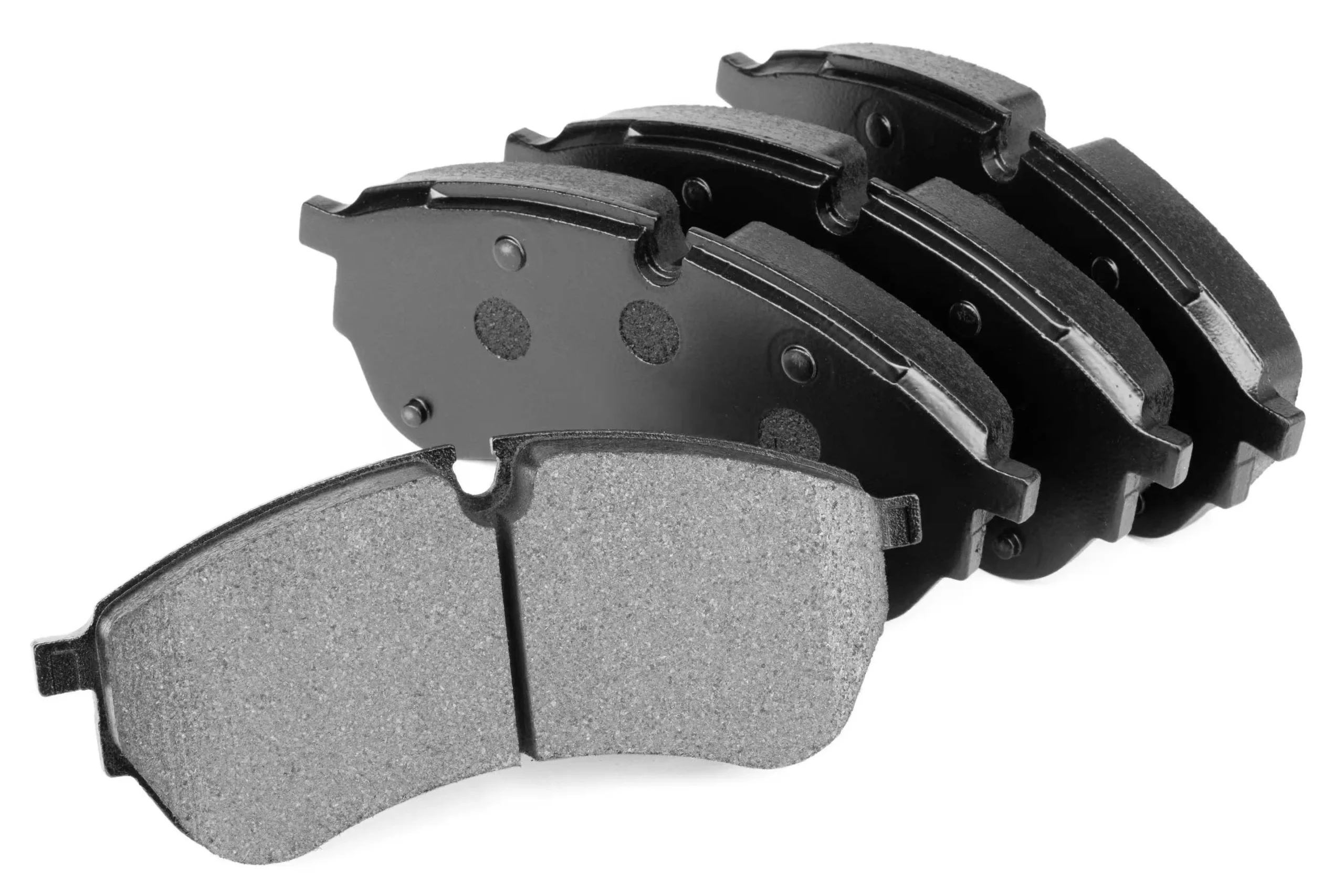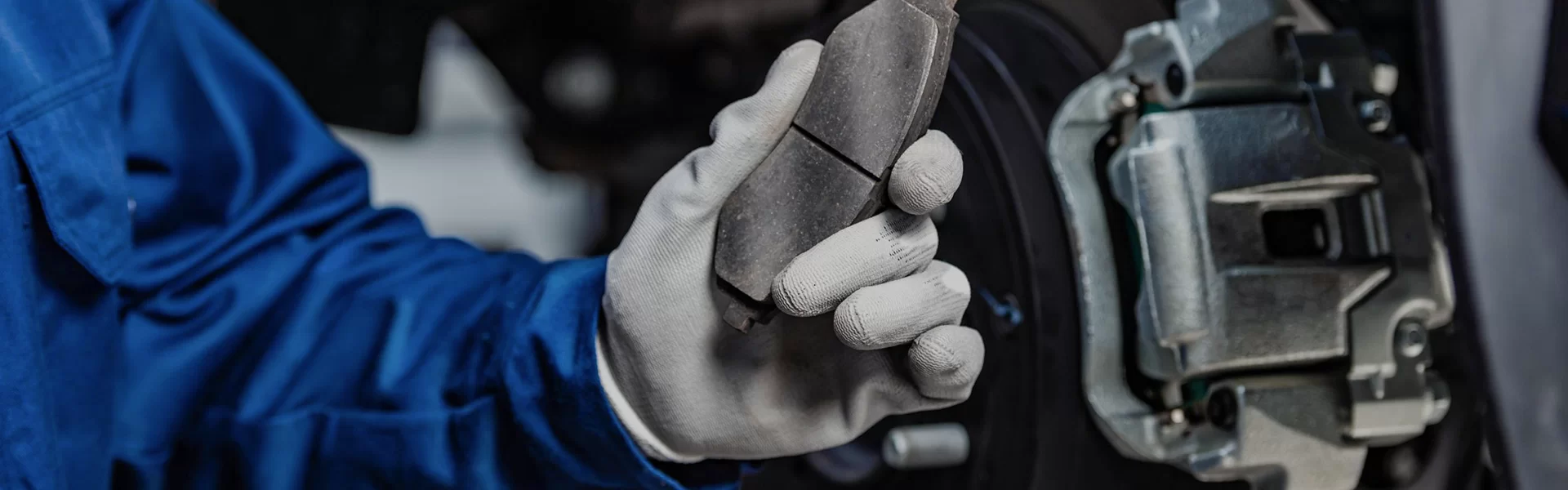
Brakes are something most of us take for granted in the machinery and vehicles around us—but if you look closely, z26 brakes represent a small yet critical evolutionary step in braking technology. Globally, as industries push harder for safer, more efficient, and environmentally responsible components, these brakes stand out for their balance of durability and performance. Knowing how they work and where they fit might just transform how you think about stopping power—whether in automotive, industrial equipment, or specialized applications.
If you consider the global footprint of braking systems—about 1.4 billion vehicles on the road worldwide, not to mention industrial machinery—the safety and efficiency of brake components become paramount (source: World Bank). The z26 brake formulation is especially relevant because it meets international safety and material standards such as ISO 6312 for friction materials, which governs performance requirements globally. The challenge? Combating brake fade, reducing environmental impact from waste materials, and maintaining cost efficiency across diverse markets.
Simply put, z26 brakes are a class of brake pads or linings formulated with specific semi-metallic compounds designed to optimize friction, heat dissipation, and wear resistance. These brakes are widely regarded for their unique hybrid makeup—blending metals and organic materials—which gives them a good balance between aggressive stopping power and minimal rotor wear.
In practical terms, this means they are favored in industries where both reliability and longevity are critical, like commercial trucking, rail transport, and even some humanitarian relief equipment that must operate in tough conditions without frequent servicing.
z26 brake pads are known to last longer under heavy loads compared to many organic or ceramic counterparts. Their semi-metallic composition contributes to this longevity, allowing them to withstand high temperatures without degrading rapidly.
Efficient heat management is critical during braking. z26 brakes excel because their design facilitates quicker cooling, reducing the risk of brake fade – which is a drop-off in braking performance often experienced during prolonged use.
Compared with fully ceramic options, z26 brakes typically offer a more budget-friendly solution, especially for fleet operators who need dependable replacements on a schedule.
One drawback often associated with semi-metallic pads is noise or brake dust. However, z26 formulations have been refined to mitigate these issues better than older metallic pads, making them more appealing for urban and industrial use.
Recent environmental standards (including EU regulations and US EPA guidelines) have pushed manufacturers to reduce heavy metal content. z26 brake compositions are being continuously updated to align with these requirements without sacrificing performance.
| Specification | Details |
|---|---|
| Material Type | Semi-metallic composite (copper, steel fibers, organic fillers) |
| Coefficient of Friction | 0.32 - 0.44 (varies by application) |
| Operating Temperature Range | -40°C to 650°C |
| Typical Lifespan | 40,000 - 60,000 miles (depends on use case) |
| Environmental Compliance | Meets REACH and RoHS standards |
Mini takeaway: z26 brakes marry strong materials science with practical durability, making them a reliable choice across many demanding industrial contexts.
Oddly enough, while z26 brakes might sound niche, their reach is quite broad:
Case in point: during a post-earthquake relief effort in Southeast Asia, vehicles outfitted with z26 brake pads reportedly had fewer failures despite extended heavy operation in rough terrain and dusty conditions.
| Vendor | Price Range | Warranty | Environmental Rating |
|---|---|---|---|
| KyBrake Systems | $$$ | 3 years / 50,000 miles | High (RoHS Compliant) |
| RotorSafe | $$ | 2 years / 40,000 miles | Medium |
| BrakePlus | $ | 1 year / 30,000 miles | Medium-Low |
What strikes me as valuable in the long haul is the balance z26 brakes provide. Fleet managers often highlight not only the cost savings from less frequent replacements but also the peace of mind knowing their vehicles maintain stopping power consistently.
Beyond logistics, z26 brakes contribute to road safety, which frankly can save lives. Environmental improvements through safer material standards also reflect a growing global commitment to sustainability that users appreciate.
Looking ahead, innovation is focused on greener materials and digital integration, like wear sensors that communicate status via smartphones and IoT systems. Some cutting-edge R&D labs are experimenting with nano-enhanced composites to improve performance without adding weight or cost. Plus, as governments worldwide enforce stricter emissions and waste laws, brake formulas like z26 are continually evolving.
One ongoing issue is brake dust, which can be a health and environmental concern. Many engineers in the field are experimenting with alternative binders and friction modifiers to reduce particulate emissions while keeping performance intact. Additionally, sourcing raw materials sustainably without sacrificing cost remains a delicate balance.
To wrap up, z26 brakes offer a reliable, affordable, and evolving solution for industries demanding efficient stopping power under tough conditions. Their balanced material design ensures durability and compliance with today’s environmental expectations.
For anyone managing vehicle fleets or tackling industrial machinery needs, it’s worth considering these brakes for safer, longer-lasting results. Feel free to explore our offerings and get more detailed specs at z26 brakes—your stopping solution for the future.
Oddly enough, sometimes the best brake is the one you barely notice—but you sure miss it when it’s gone.