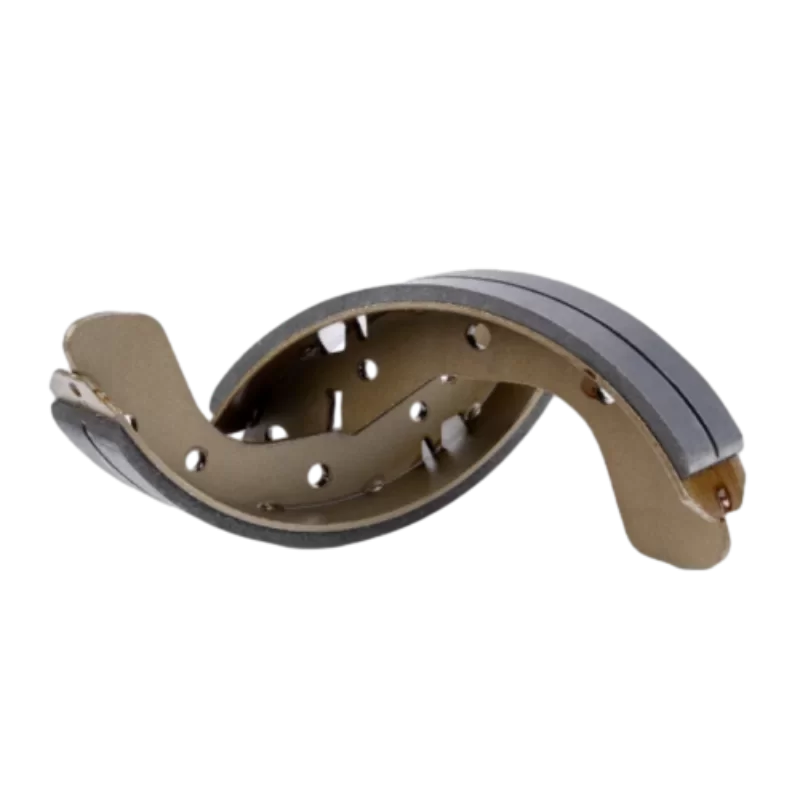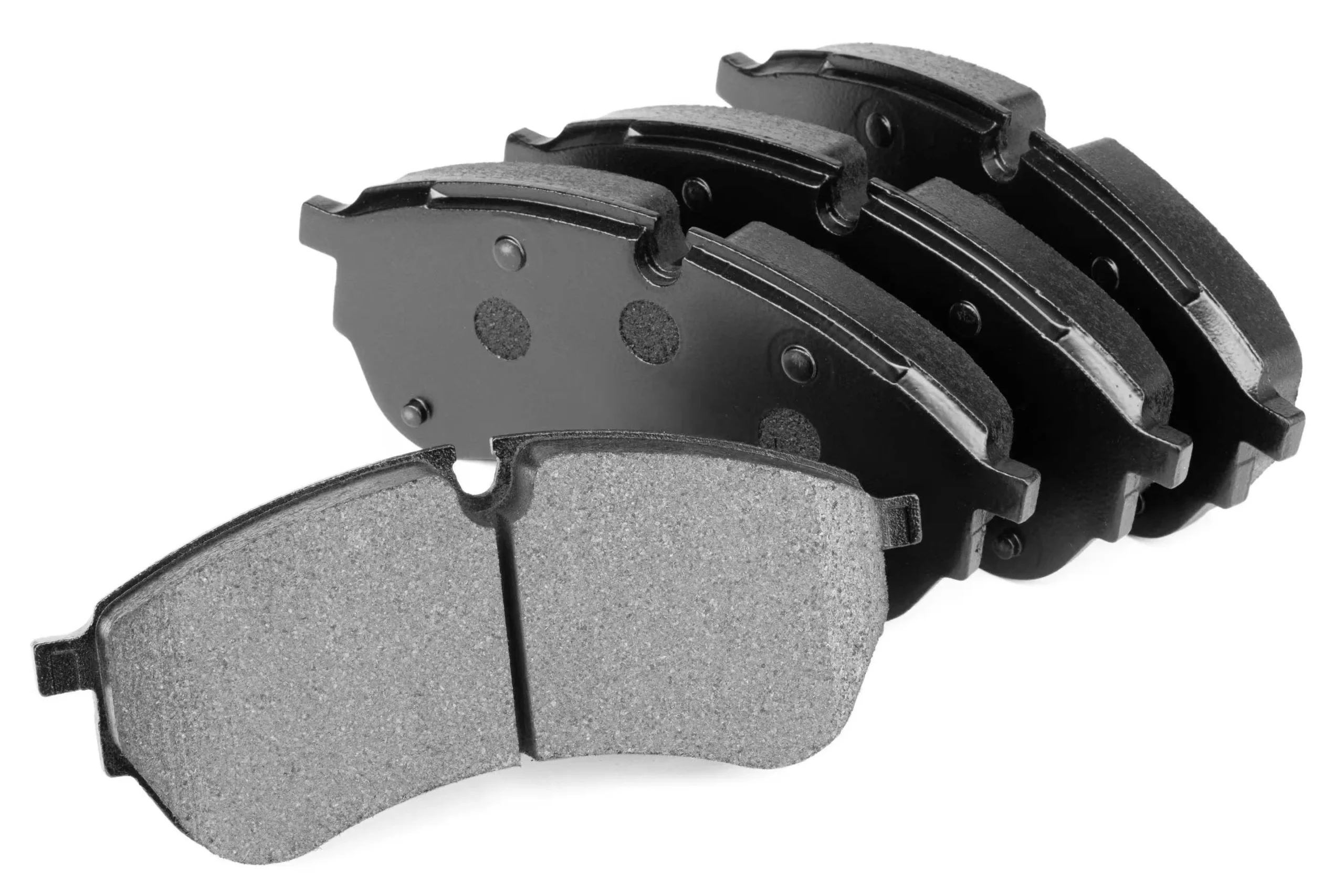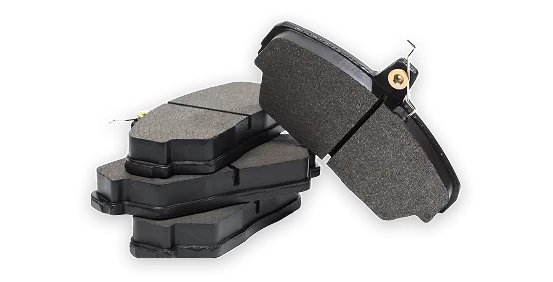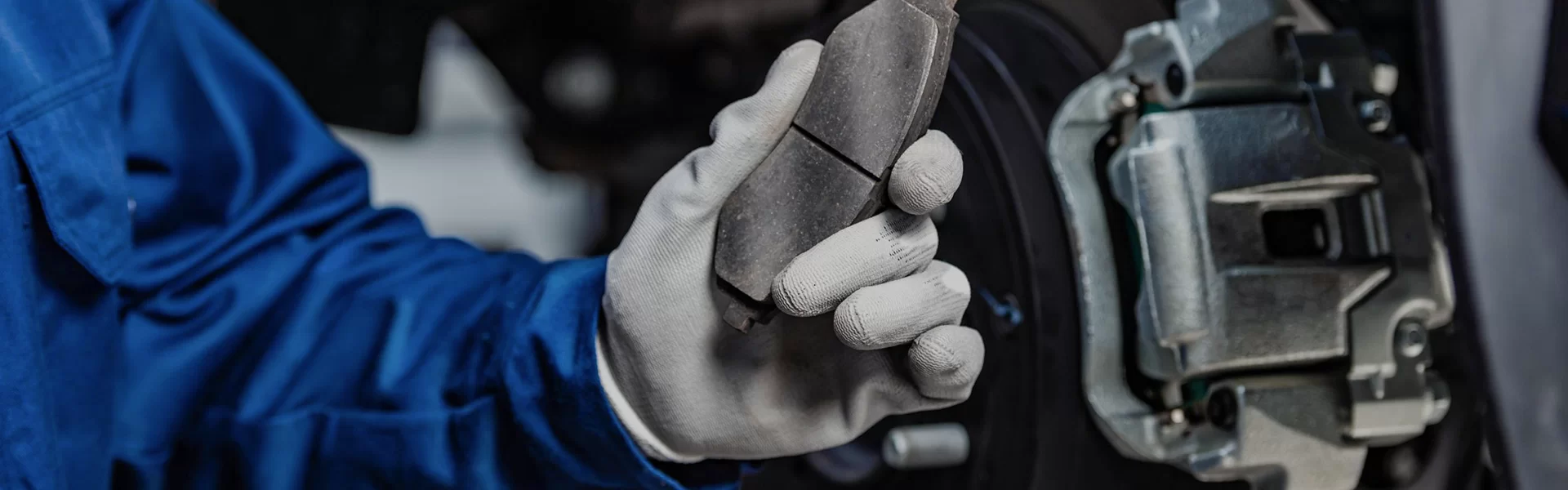
Organic brakes might sound like a niche topic, but they’re actually a surprisingly crucial part of modern transportation and safety technology worldwide. With increasing emphasis on sustainable materials and performance, understanding organic brakes helps grasp how industries are evolving toward greener, safer solutions. These brake pads, made primarily of non-metallic fibers bonded with resins and fillers, offer benefits like quieter operation and less wear on rotors. Knowing their properties is key for manufacturers, mechanics, and even environmental planners aiming for long-term sustainability.
Vehicles are on the rise everywhere—from booming urban centers in Asia to sprawling highways in North America and Europe. According to the International Energy Agency, there were over 1.4 billion cars globally in 2020, projected to increase substantially. With this expansion, the demand for effective and eco-friendlier brake solutions grows, too. Organic brakes address issues like environmental pollution caused by harsh metallic particulates and noise pollution, providing quieter and cleaner braking options.
In fact, ISO standards and environmental guidelines increasingly encourage non-metallic and organic material usage. The challenge? Creating brake pads that are durable yet environmentally sustainable. Organic brakes are part of tackling this worldwide balancing act between safety, cost, and ecological impact.
Put simply, organic brake pads consist of materials like glass, rubber, resin, Kevlar, and carbon compounds bound together without metals such as copper or steel. These components dissipate heat effectively while reducing rotor wear, making them a practical choice for everyday vehicles.
They connect closely with the automotive industry's goal to replace toxic or heavy metals with renewable or synthetic alternatives. Not to mention, they fit humanitarian needs too—quieter brakes are less distressing in urban relief vehicles or ambulances operating in dense environments.
While organic brakes tend to wear faster than their semi-metallic counterparts, advances in resin technology have improved their lifespan. They provide steady braking performance in city driving conditions where frequent stop-and-go prevails.
One standout feature is reduced noise—organic pads absorb vibrations better, minimizing squeal. This feature is highly valued in residential and sensitive areas.
Manufacturing organic brake pads often costs less, mainly due to lower raw material expenses and simpler production processes. This translates to more affordable maintenance for drivers globally.
These brakes reduce heavy metal runoff affecting soil and water, aligning with stricter global regulations. The use of organic materials also means less energy consumption in production.
Organic brakes are widely used in passenger cars, motorcycles, and light trucks. In densely populated cities like Tokyo or Paris, their noise reduction qualities enhance urban living conditions. In emerging markets across Africa and Southeast Asia, the affordability factor makes them a popular choice for mass-market vehicles.
In logistics hubs or disaster relief operations, where reliable and quiet braking is crucial, many NGOs rely on vehicle fleets equipped with organic brake pads to ensure safety without causing undue disturbance. Oddly enough, even motorsport sectors use high-tech variants of organic composites for specific circuit needs.
These benefits combine technical merits with emotional value—drivers feel safer and communities appreciate quieter, cleaner vehicles. It’s a win-win, frankly.
Looking ahead, we're seeing research into hybrid composites blending organic fibers with nano-materials for enhanced heat resistance and wear properties. Digital testing methods refine quality control, ensuring consistent performance. The rise of electric vehicles (EVs) also influences brake development, as regenerative braking systems work in tandem with organic pads for efficient energy recovery and reduced wear.
Notably, sustainability goals push manufacturers toward even greener resins and biodegradable binders, aiming for minimal environmental impact.
Organic brakes have limitations—mainly shorter lifespan under extreme conditions and potential fade during high-speed braking. Experts suggest pairing them selectively with other pad materials or improved cooling systems in performance vehicles. Continuous material innovation and better testing standards help surmount these hurdles, balancing cost and durability.
| Specification | Detail |
|---|---|
| Material Composition | Kevlar, resin, rubber fibers |
| Coefficient of Friction | 0.30 - 0.40 (steady-state) |
| Operating Temperature Range | -20°C to 300°C |
| Wear Rate | Moderate; approx. 25,000 miles typical |
| Noise Level | Low; |
| Feature | KyBrakePad Co. | EcoFriction Ltd. | GreenStop Inc. |
|---|---|---|---|
| Material Focus | Kevlar & high-temp resin | Organic fibers & recycled rubber | Bio-resin with natural fillers |
| Eco Certifications | ISO 14001, RoHS compliant | Green Seal Certified | Cradle to Cradle Silver |
| Price Range | $$ | $ | $$$ |
| Typical Vehicle Fit | Passenger cars, light trucks | Compact vehicles, motorcycles | Luxury sedans, EVs |
| Warranty | 3 years / 36,000 miles | 2 years / 24,000 miles | 5 years / 50,000 miles |
Organic brakes are quieter, cause less rotor wear, and are generally more environmentally friendly due to the absence of metals. While they may wear faster in some conditions, they excel in typical city driving for comfort and eco impact.
Primarily, organic brakes are designed for passenger cars and light trucks. Heavy-duty vehicles often require semi-metallic or ceramic pads due to higher heat and stress levels. However, advancements are slowly expanding suitability for heavier applications.
On average, organic pads last around 25,000 to 35,000 miles, slightly less than semi-metallic varieties. However, real-world lifespan depends on driving habits, terrain, and vehicle type.
Most organic pads can be disposed of with less environmental impact than metallic ones, but local regulations vary. Recycling options are limited but growing with sustainable automotive waste programs worldwide.
Trusted suppliers such as organic brakes vendors offer comprehensive product info and certifications. Make sure to verify eco-labels and warranty terms before purchase.
Organic brakes are a smart choice blending safety, sustainability, and cost benefits—no wonder they’re gaining traction globally. Whether you're an automaker, mechanic, or end-user, understanding these pads’ advantages helps you make informed, future-ready choices.
For trusted products and expert advice on organic brakes, visit our website and see how you can upgrade to greener, quieter braking technology today.
In real terms, embracing organic brakes is a small step that contributes to quieter neighborhoods, cleaner water, and a safer drive.