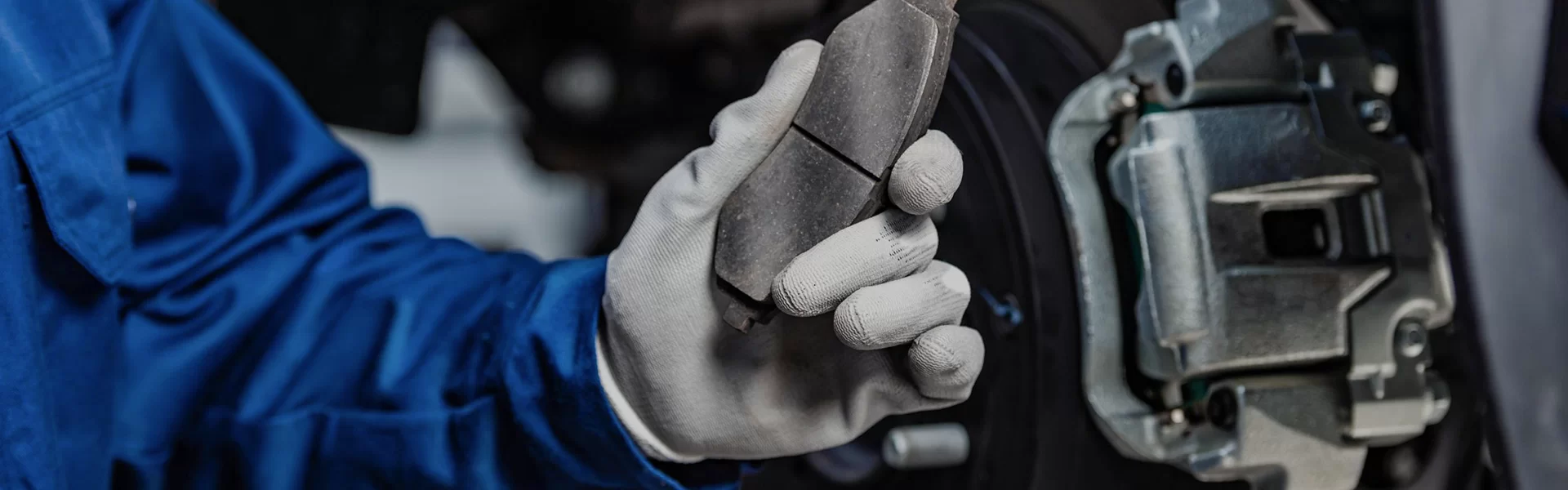
If you drive or manage fleets, you probably don’t often ponder the intricate details behind brake pads. Yet, premium brake pads hold a surprisingly pivotal role in global road safety and vehicle efficiency. From sprawling cities to remote rural areas, quality brake pads ensure our vehicles stop reliably, reducing accidents and costly repairs. Understanding what sets premium brake pads apart is essential not just for drivers but for manufacturers, logistics companies, and policymakers aiming for sustainable transport solutions worldwide.
Worldwide, road traffic injuries account for approximately 1.35 million deaths each year according to the World Health Organization (WHO). A vast majority of these tragedies tie back to vehicle faults, among which brake failure is a common culprit. With the growth of vehicles from Asia’s booming urban centers to Europe’s freight corridors, the demand for reliable braking components is on the rise.
Not only safety but also environmental concerns push the industry to evolve. The International Organization for Standardization (ISO) highlights standards for brake materials to reduce harmful particulates and enhance durability.
Oddly enough, while cheaper brake pads flood the market, premium brake pads emerge as the hero—balancing performance, longevity, and eco-friendliness in one compact component.
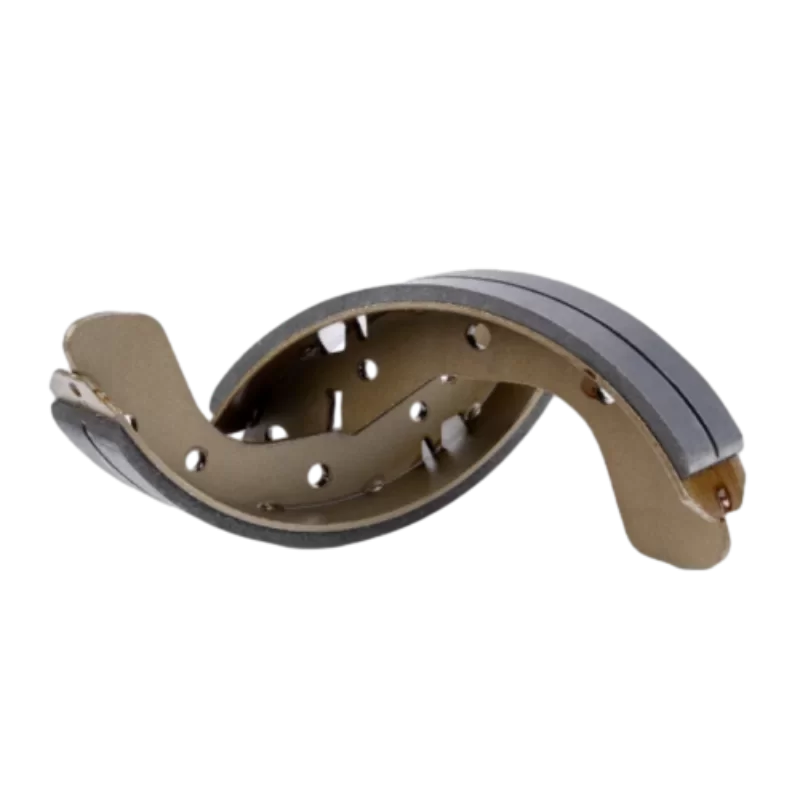
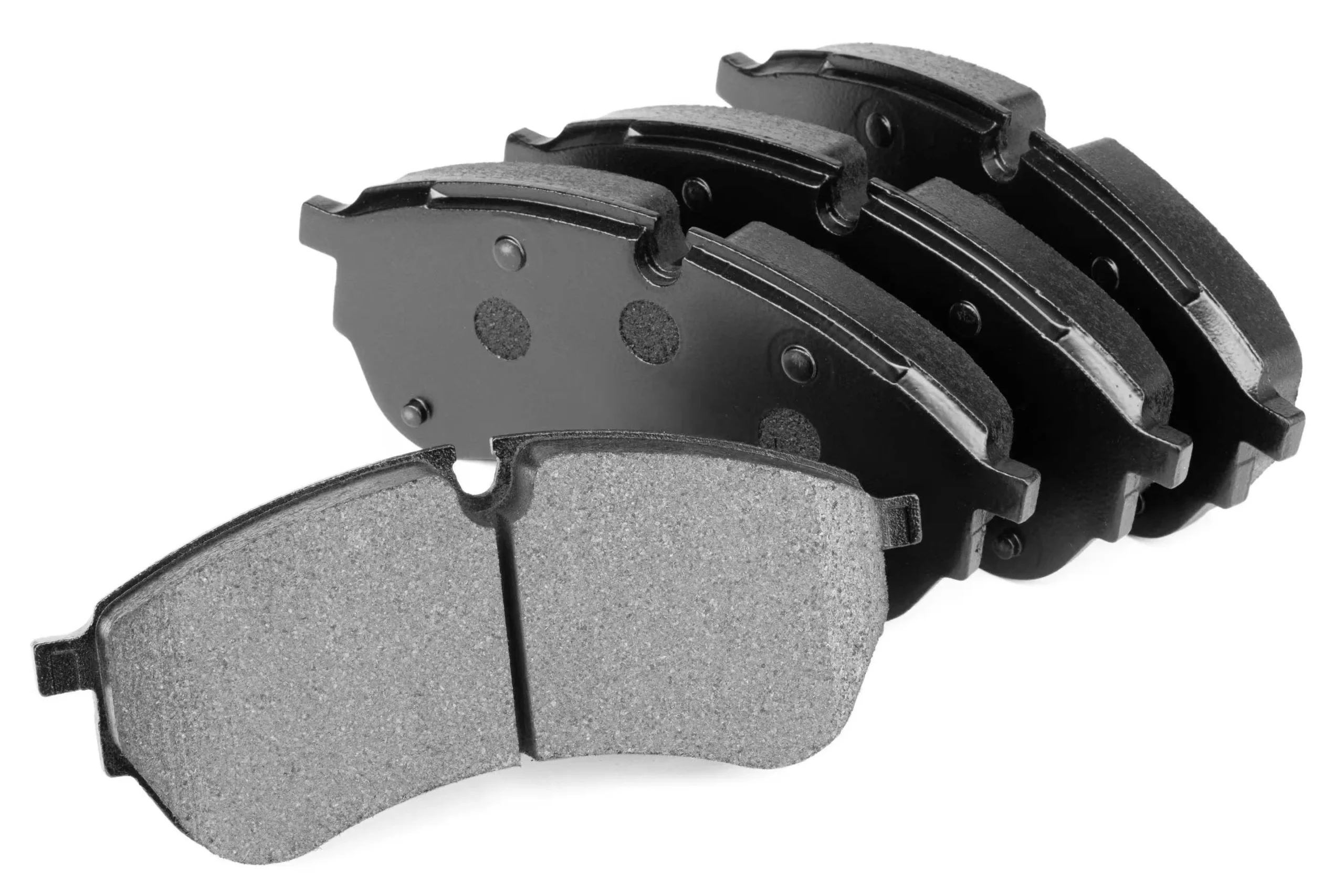
At its core, a brake pad is a friction material pressed against a vehicle’s brake rotor to slow or stop motion. But premium brake pads are a notch above standard options. Crafted from advanced materials, often incorporating ceramic composites or enhanced metallic blends, they are engineered for superior friction, less wear, and minimal noise.
In modern automotive and commercial industries, these pads meet rigorous standards for heat tolerance and environmental safety—making them indispensable in both everyday vehicles and specialized machinery used anywhere from urban streets to rugged mining operations.
Premium pads last longer by withstanding extreme heat and pressure without glazing or cracking. This longevity reduces replacement frequency and downtime.
They deliver stable friction across temperature ranges, ensuring predictable braking even after repeated stops, which is essential for safety-critical applications.
Unlike basic pads that can screech or generate excessive brake dust, premium versions minimize noise pollution and debris, preserving both environment and vehicle aesthetics.
Many premium brands comply with strict regulations limiting heavy metals like copper, aligning with growing eco-conscious demands worldwide.
Manufactured to fit a wide range of vehicles, from passenger cars to heavy trucks, these pads offer versatility without compromising quality.
| Specification | Typical Value | Industry Standard |
|---|---|---|
| Coefficient of Friction | 0.38 – 0.45 (steady) | ISO 26867 Range |
| Temperature Resistance | Up to 800°C | SAE J2522 |
| Wear Rate | OEM Specifications | |
| Noise Level | SAE J2521 | |
| Copper Content | California AB-197 Limits |
Mini takeaway: Premium brake pads aren’t just about tougher material; they’re tested and tuned to global standards, making a measurable difference in safety and sustainability.
The versatility of premium brake pads shines across continents and industries. In Europe, public transport systems lean heavily on these pads for noise reduction and longer maintenance intervals. In emerging markets like India and Brazil, where road conditions can be harsh, their durability reduces vehicle downtime—a vital factor for local logistics firms.
Oddly enough, humanitarian organizations running relief convoys in disaster-prone zones depend on premium brake pads to ensure their vehicles perform reliably under stress—life-or-death stakes in those contexts.
Even the mining sector in Australia and Africa values premium brake pads for heavy equipment, where failure means costly work stoppages and safety risks.
| Brand | Material Type | Price Range | Eco Compliance | Warranty |
|---|---|---|---|---|
| BrakeTech Plus | Ceramic composite | $$$ | Meets EU and CA standards | 3 years / 50,000 km |
| GreenStop | Organic & low-metallic | $$ | California AB-197 certified | 2 years / 35,000 km |
| Durabrake Pro | Semi-metallic enhanced | $$$ | ISO 9001 Compliant | 4 years / 60,000 km |
Mini takeaway: When choosing premium brake pads, consider not just price but material properties and compliance to eco regulations—this impacts safety and vehicle lifecycle.
Mini takeaway: Investing in premium brake pads is an upfront commitment with clear returns—on safety, sustainability, and peace of mind.
Brake pad technology is advancing rapidly. Emerging nanomaterials enhance heat dissipation, while integration with smart sensors promises early wear detection and predictive maintenance. The automotive shift to electric vehicles (EVs) changes braking dynamics too, with regenerative braking reducing friction wear, but premium pads remain critical for emergency stops.
Green manufacturing and lifecycle recycling initiatives also steer the industry towards sustainable circularity. It feels like we’re on the cusp of an exciting era for braking technology.
Despite their benefits, premium brake pads face hurdles like higher costs and slower market penetration in developing regions. Some users report difficulty verifying genuine quality amid counterfeit overloads. Industry experts suggest a multipronged approach involving better consumer education, certification protocols, and incentivizing eco-friendly standards to overcome these barriers.
Ultimately, premium brake pads represent more than just components inside your vehicle's braking system—they’re a cornerstone of road safety, environmental care, and long-term efficiency. Their blend of advanced materials, strict compliance with global standards, and proven performance offers tangible benefits around the world. Frankly, in a rapidly evolving automotive landscape, settling for less can cost you dearly.
Ready to upgrade your vehicle’s braking system? Visit our website: https://www.kybrakepad.com for top-quality premium brake pads and expert guidance.
Simple takeaway: Don’t underestimate your brake pads—they’re critical for safety and can make all the difference on the road.