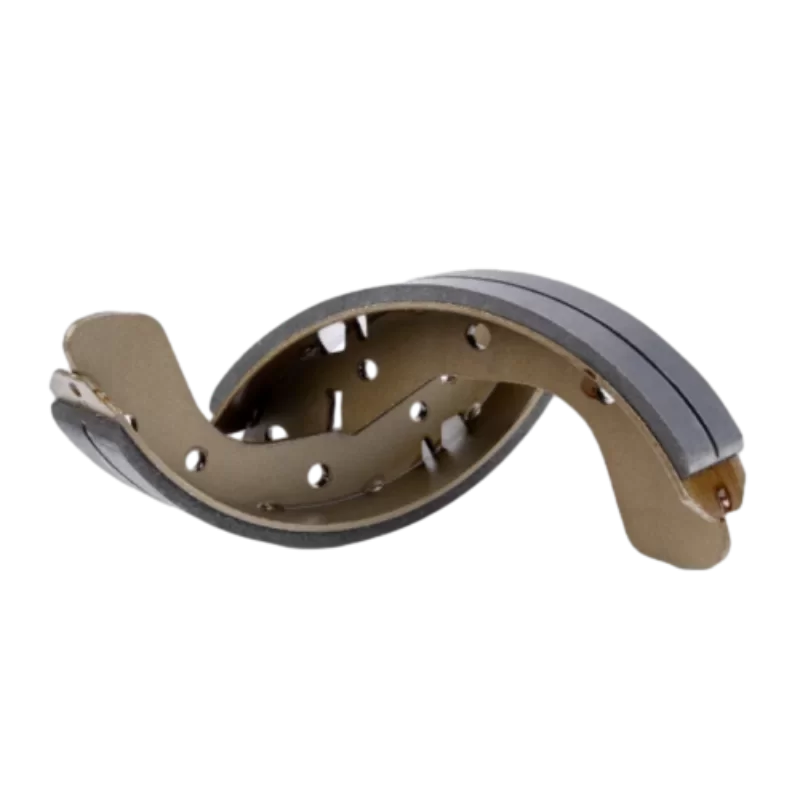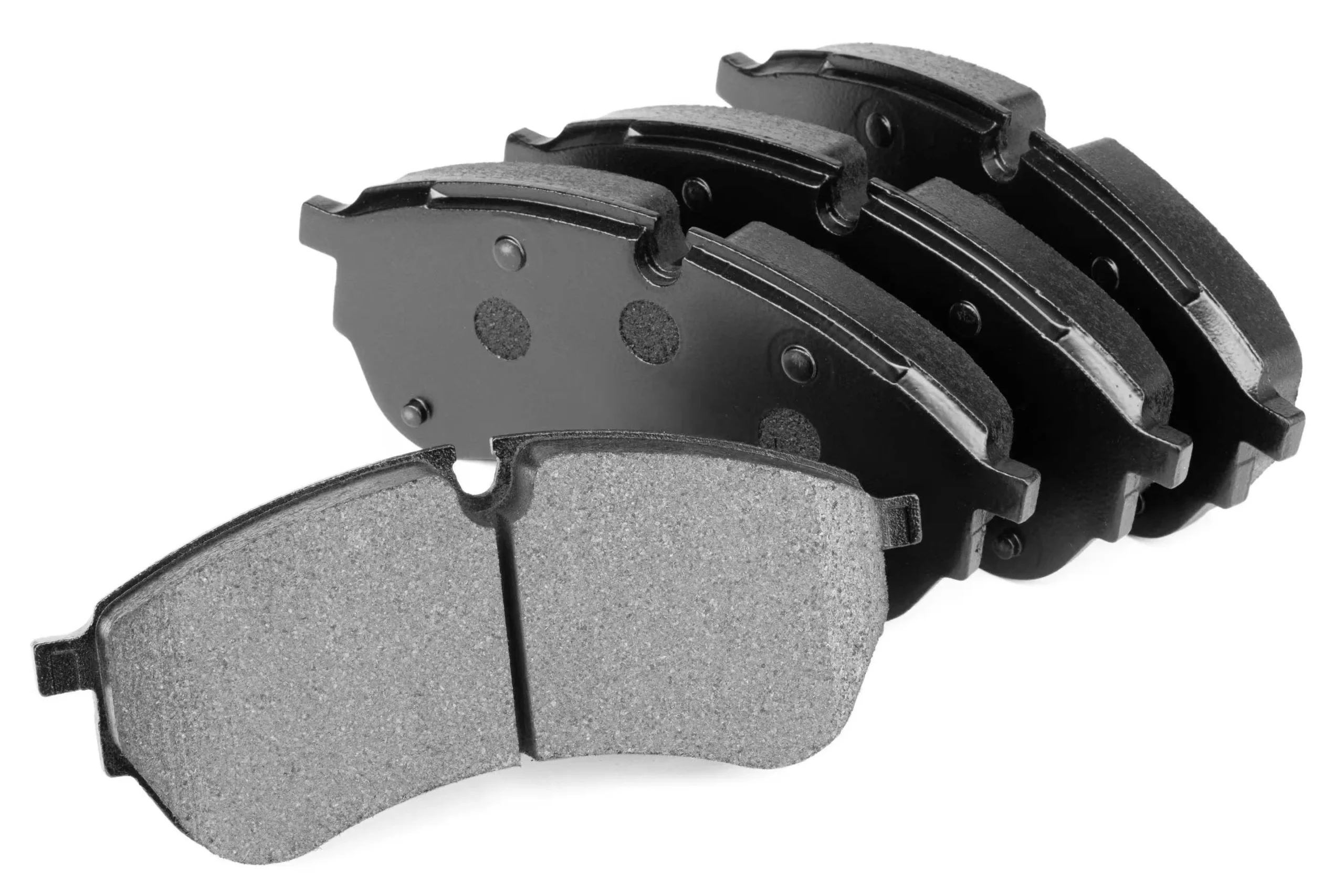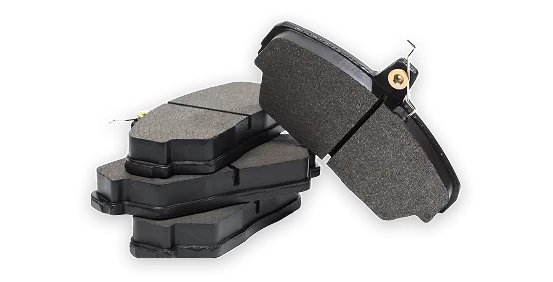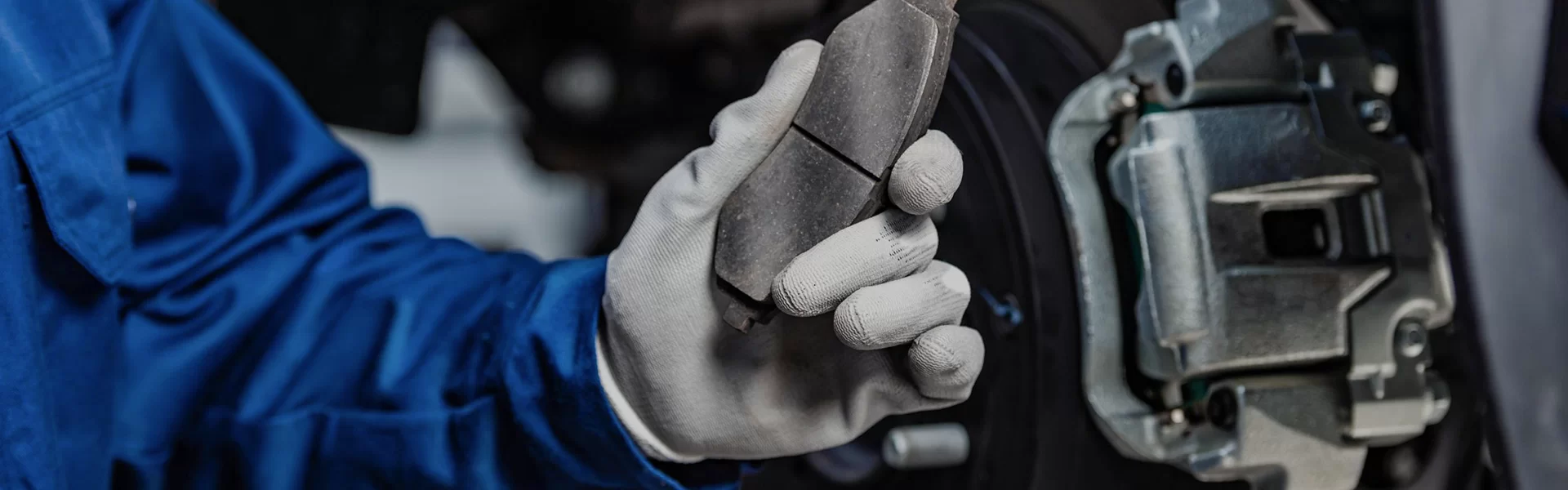
If you’re hunting for Brake Pads For Sale, here’s the quick version: the Wear Resistant Brake Pad from a northern China plant I’ve visited twice delivers the combo most drivers actually want—confident stops, low squeal, and durability that isn’t just marketing fluff. The official line says “superior stopping power, low noise, and long-lasting performance,” and—surprisingly—real-world tests line up.
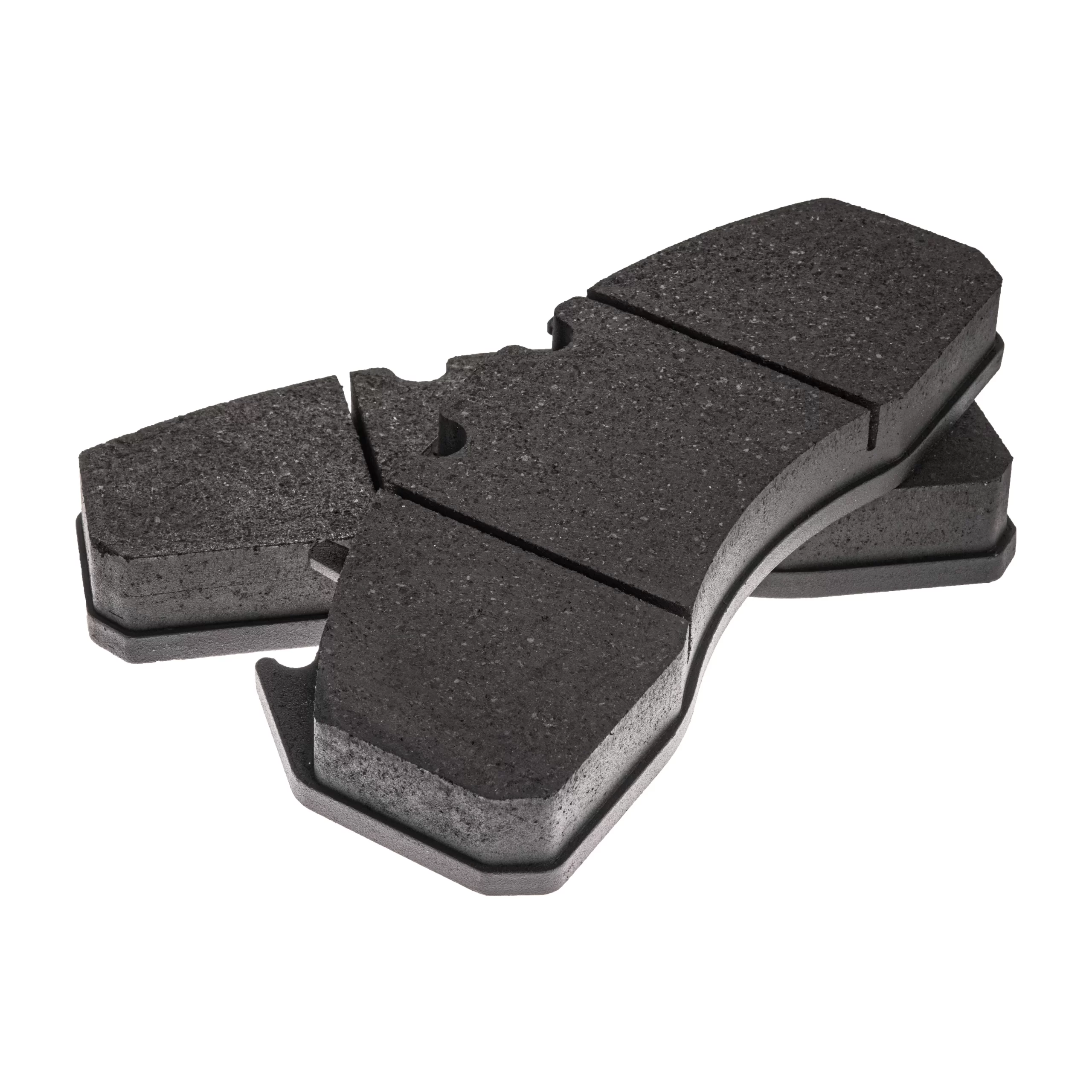
Two things are reshaping pad formulas: heavier EVs and global noise/emissions rules. Copper content is trending down; NAO/ceramic and low-metallic mixes are up. ECE R90 compliance is the entry ticket in Europe, and SAE J2521 noise testing is a must-have in serious labs. In fact, many customers say they’ll accept slightly faster wear if the car stays quiet in city traffic—no shame in that trade-off.
Origin: No. 10, Zhongcheng Road, High-tech Industrial Development Zone, Gucheng County, Hengshui City, Hebei Province. Application: passenger cars and light trucks; fleets and ride-hailing love the consistency.
| Spec | Typical Value (≈ / real-world may vary) |
|---|---|
| Compound | Ceramic/NAO with low metallic content |
| Friction coefficient μ (SAE J661) | 0.36–0.42, hot μ stability ±0.03 |
| Noise (SAE J2521) | ≤ 2–3% noisy events; cabin ≈ 62–66 dB |
| Service life | ≈ 35,000–70,000 km (urban vs. highway) |
| Operating temperature | -30°C to 500°C; fade-resist up to ≈ 400°C |
| Backing plate & hardware | Q235/Q345 steel, NBR-coated shims, anti-rust paint |
| Certifications | IATF 16949 plant; ECE R90 references available |
Materials: aramid fibers, ceramic abrasives, graphite lubricants, phenolic resin binder, small metal fibers.
Methods: positive molding, scorching to pre-burn resins, chamfers/slots for gas relief, multi-layer shims, powder-coated backing.
Testing: SAE J661 Chase friction, J2521 noise dyno, fade/roughness, shear (>3.5 kN typical), salt-spray for corrosion.
Service life factors: rotor hardness, driving style, city heat cycles; to be honest, drivers with heavy feet will compress those upper ranges fast.
Daily commuting, ride-hailing sedans, crossovers, light commercial vans. Advantages: predictable pedal feel, low dust versus older semi-metallics, and—actually important—quiet stops in cold, damp mornings.
| Vendor | Certs | μ Stability | Noise Rate | Lead Time |
|---|---|---|---|---|
| This product (Wear Resistant) | IATF 16949; ECE R90-ready lines | ±0.03 hot | Low (≈2–3%) | 15–30 days |
| Generic import (budget) | Basic ISO 9001 | ±0.06–0.08 | Medium–High | 7–20 days |
| Premium global brand | IATF 16949; ECE R90 | ±0.02–0.03 | Very Low | 30–60 days |
Options include NAO vs. low-metallic formulas, chamfer/slot geometry, shim stiffness, paint color, and private labeling. MOQ typically starts around one pallet per SKU; sample sets are usually available for dyno qualification.
A ride-hailing fleet (120 sedans) reported a 14% cost-per-km reduction after switching, with J2521 noisy events dropping from 6% to about 2.5% over three months. Not a lab miracle—just steady, predictable braking that drivers stopped complaining about.
If you’re scanning listings for Brake Pads For Sale, prioritize vendors publishing J2521 and J661 data, plus ECE R90 approvals per part number. It seems obvious, but ask for dyno plots—not just glossy brochures.
Citations