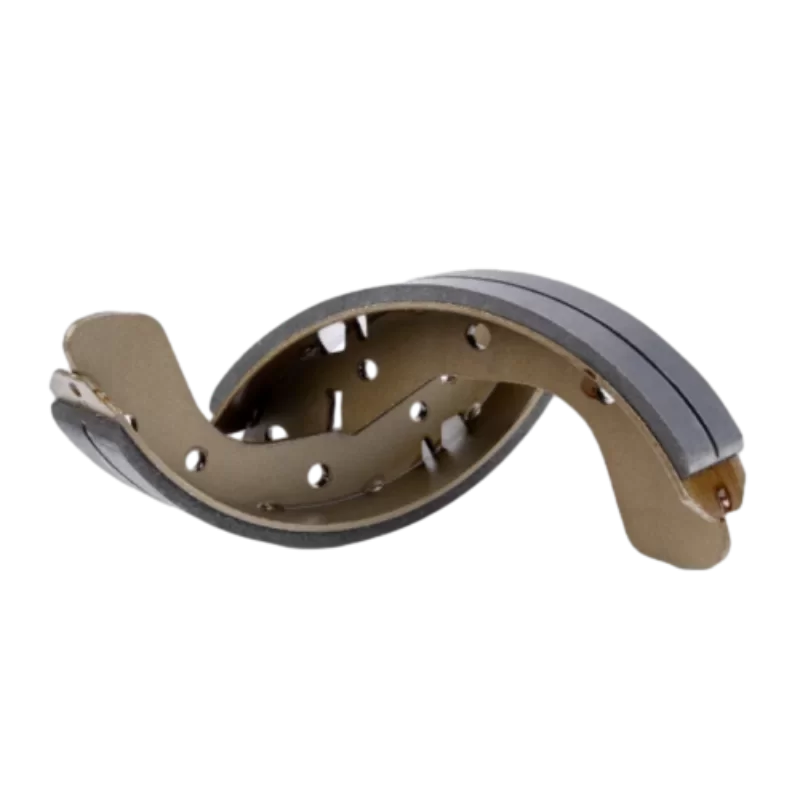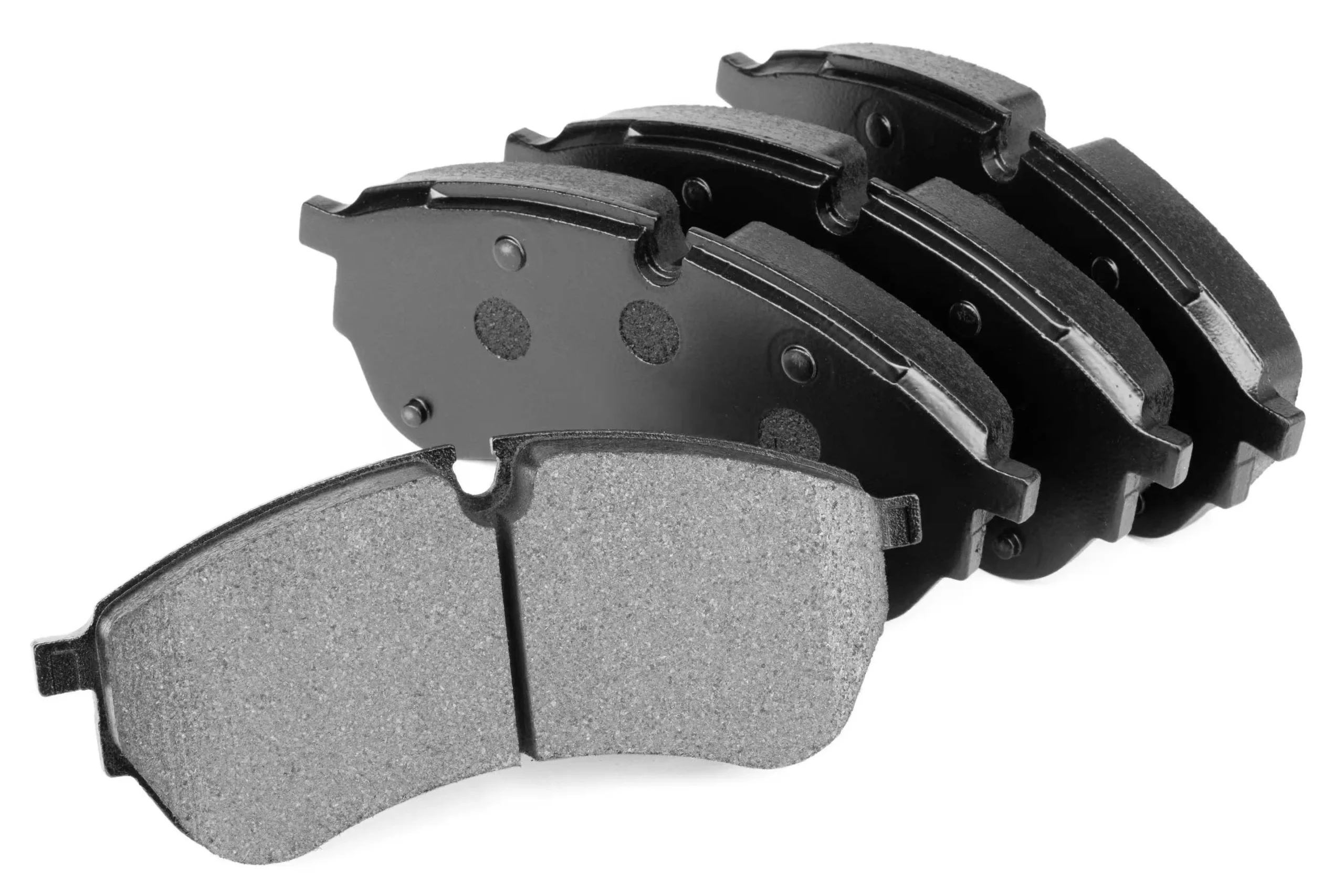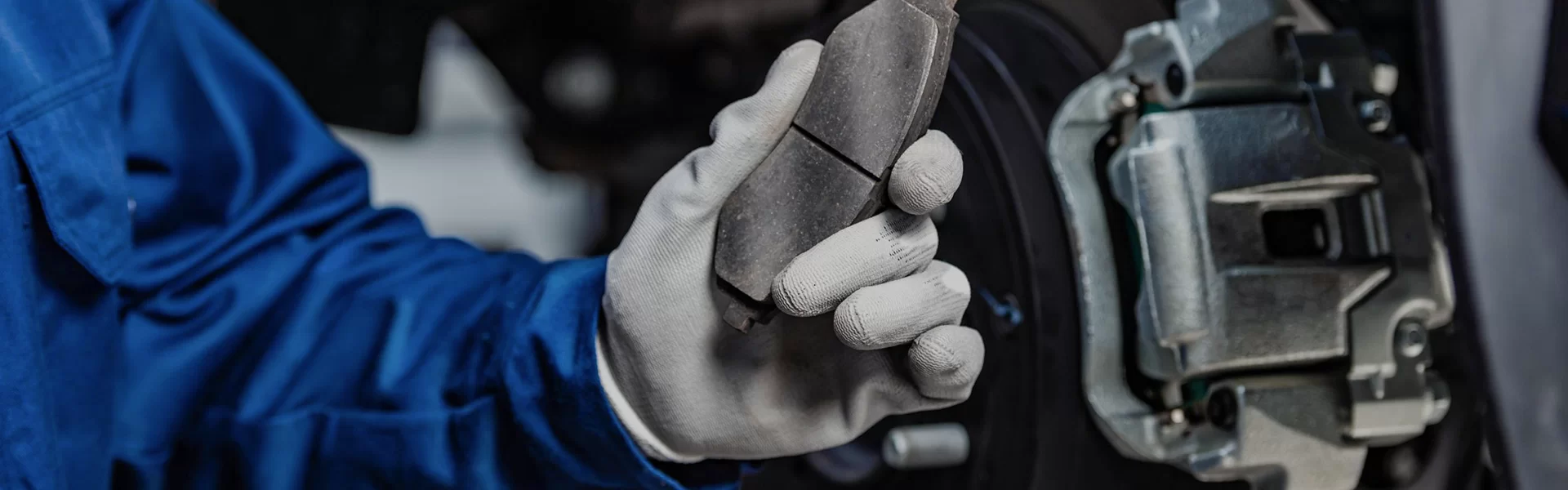
Having spent well over a decade in the industrial equipment sector, I’ve handled countless brake pads — different shapes, materials, grades. But when it comes to HH type brake pads, there’s something rather special about them. They’re like that trustworthy old friend on a long haul: high-performance, reliable under pressure, and durable enough to keep you moving.
Now, I suppose many of you know brake pads are crucial safety components. For heavy machinery and industrial vehicles, choosing the right brake pad isn't just about stopping power—it’s about reliability, heat dissipation, and longevity under the harshest conditions.
HH type brake pads notably deliver a high coefficient of friction (usually above 0.4), which means superior stopping performance even as temperatures soar. Oddly enough, even amidst all the advances in brake technology, these pads keep proving their worth, particularly in demanding industrial environments.
What sets these pads apart? For one, the friction material formulation is a little workhorse — a blend of tightly controlled resins, fibers, metallic fillers, and abrasives designed to provide stable friction without excessive wear. I’ve seen them handle continuous work cycles that would quickly degrade lower-grade pads.
In fact, the heat resistance is critical here. In many projects, especially ones involving mining or construction machinery, the brakes can reach temperatures upward of 300°C during prolonged operation. HH pads maintain friction stability even above these thresholds, limiting brake fade.
Here's a snapshot of typical HH type brake pad specs that I rely on when evaluating options:
| Specification | Value |
|---|---|
| Friction Coefficient (μ) | 0.40 – 0.50 |
| Operating Temperature | -40°C to 350°C |
| Material Type | Semi-metallic / Composite |
| Wear Resistance | High |
| Application | Industrial vehicles, heavy machinery |
You know, in my time, I found that while the specs give a good baseline, a real test is how the pad responds in your particular setup. That said, the consistency of friction on HH pads has impressed many engineers I've talked with — crucial when operating large equipment on uneven terrain.
Speaking of which, I recall a client working in quarry operations who switched to these pads after frequent brake maintenance was eating into their uptime. Within weeks, they reported fewer brake replacements and a noticeable reduction in heat-related failures. It’s little stories like that which remind me why these pads stand out.
Of course, not all brake pads labeled 'HH' perform equally. Different vendors offer various formulations and build qualities. To help you get a clearer picture, here’s a quick side-by-side comparison of a few well-known suppliers in the sector:
| Vendor | Friction Stability | Average Pad Life | Customization Options | Price Range (USD) |
|---|---|---|---|---|
| KyBrakePad | Excellent | High (30% up vs. average) | Wide range (materials & sizes) | $$$ |
| BrakeTech Inc. | Good | Moderate | Limited | $$ |
| Global Surface Friction | Fair | Lower | Moderate | $ |
In real terms, I recommend picking a supplier like KyBrakePad especially if your operation demands stability and longevity. The upfront cost may be slightly higher, but the total cost of ownership tells a different story — less downtime, less replacement hassle.
Finally, don’t overlook how certain customizations, particularly in pad shape or compound tweaks, can make all the difference. Many vendors, KyBrakePad included, work closely with customers to tailor solutions for specific vehicle types or environmental conditions. That proactive approach means your brakes aren’t just “off the shelf” but built to perform in your unique context.
So, whether you’re outfitting industrial trucks, loaders, or any heavy rig, the humble HH type brake pads might just be your best bet. They combine tried-and-true materials technology with proven performance — kind of the unsung hero in brake tech.
Takeaway: Investing in quality HH brake pads isn’t just about stopping safely; it’s about keeping your entire operation moving smoothly.