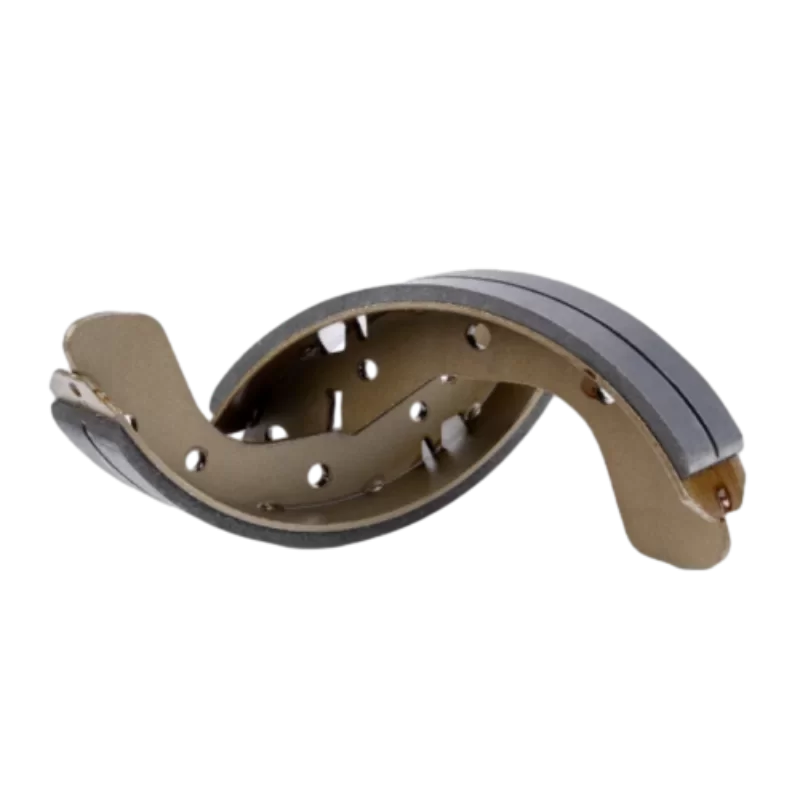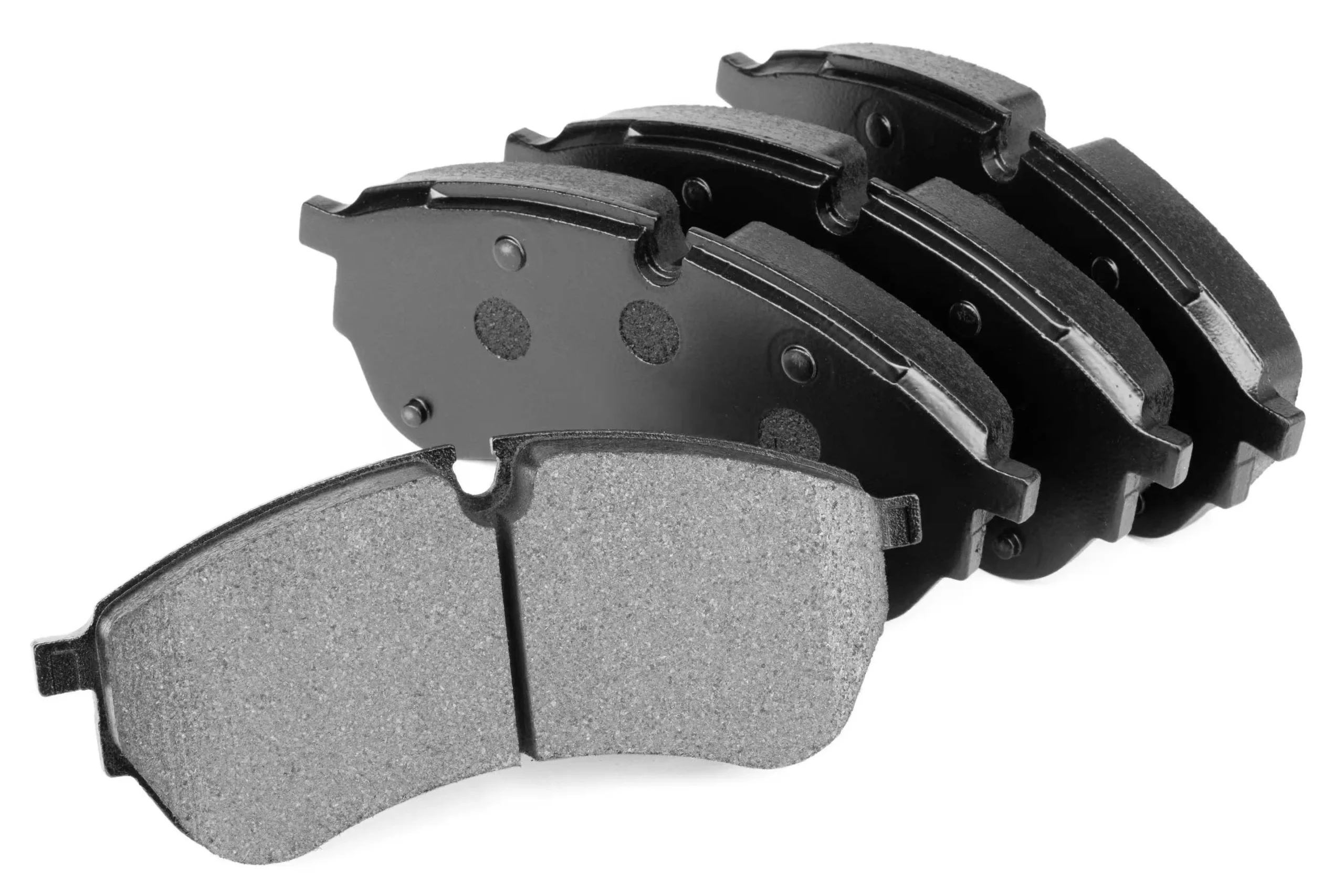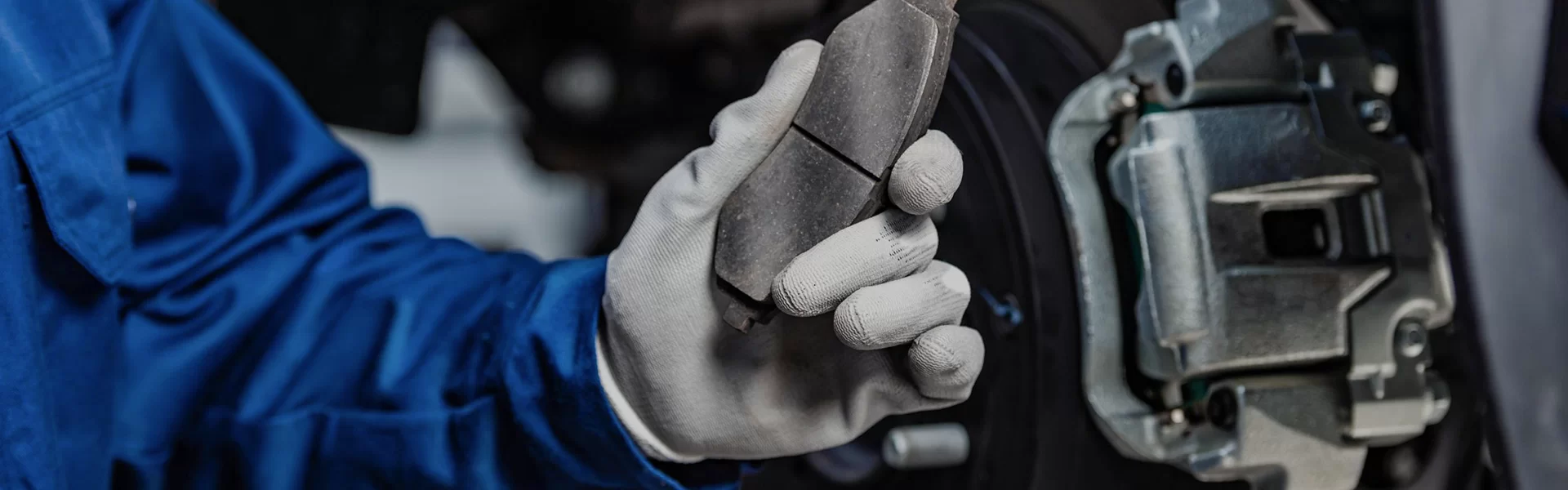
When it comes to vehicle safety, brake pads are arguably the most critical component. Knowing the brake pads price, understanding the factors that influence it, and choosing the right pads for your vehicle are crucial for optimal performance and safety. This article provides a detailed overview of brake pad pricing, covering different types, materials, brands, and factors affecting cost. We'll explore what to expect when purchasing brake pads and how to ensure you're getting value for your money.
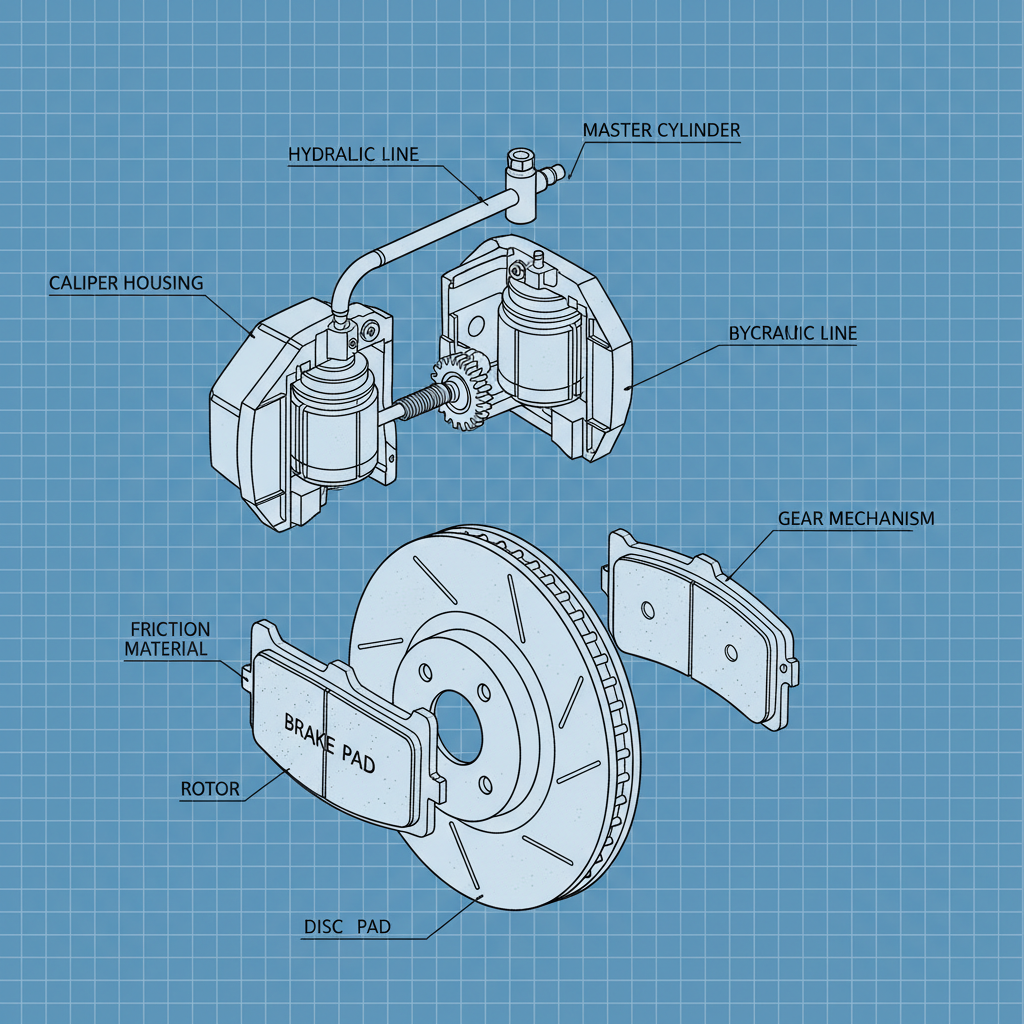
The price of brake pads isn’t a one-size-fits-all figure. Several key factors contribute to the final cost. These include the vehicle make and model (influencing pad size and compatibility), the pad material (organic, semi-metallic, ceramic), brand reputation, and whether you're purchasing just the pads or a complete brake pad set (including rotors, sensors, and hardware). Additionally, the complexity of installation can indirectly impact the overall expense if professional fitting is required. Purchasing from a reputable supplier like KY Brake Pad ensures quality and fair pricing.
Key Takeaway: The material and the specific vehicle application are the most significant determinants of brake pad price.
Different brake pad materials offer varying levels of performance, longevity, and noise levels, directly impacting their price. Organic brake pads are the most affordable, generally ranging from $20-$50 per set. Semi-metallic brake pads, offering better stopping power, typically cost between $30-$80. Ceramic brake pads, known for their quiet operation and minimal dust, are usually the most expensive, ranging from $50-$150+ per set. Selecting the appropriate material depends on your driving style and vehicle needs.
Material Price Comparison:
• Organic: $20 - $50
• Semi-Metallic: $30 - $80
• Ceramic: $50 - $150+
The type of vehicle you own significantly influences the brake pads price. Luxury vehicles and high-performance cars often require more specialized and expensive brake pads compared to standard passenger cars. Trucks and SUVs typically have larger brake pads, leading to higher material costs. Below is a general price comparison across vehicle categories:
Established brands known for quality and reliability, such as KY Brake Pad, often command a higher price point. This is due to their commitment to research, development, and stringent quality control. While cheaper, no-name brands might appear appealing, they can compromise on performance and durability, potentially leading to more frequent replacements and safety risks. Investing in a reputable brand offers peace of mind and ensures optimal braking performance.
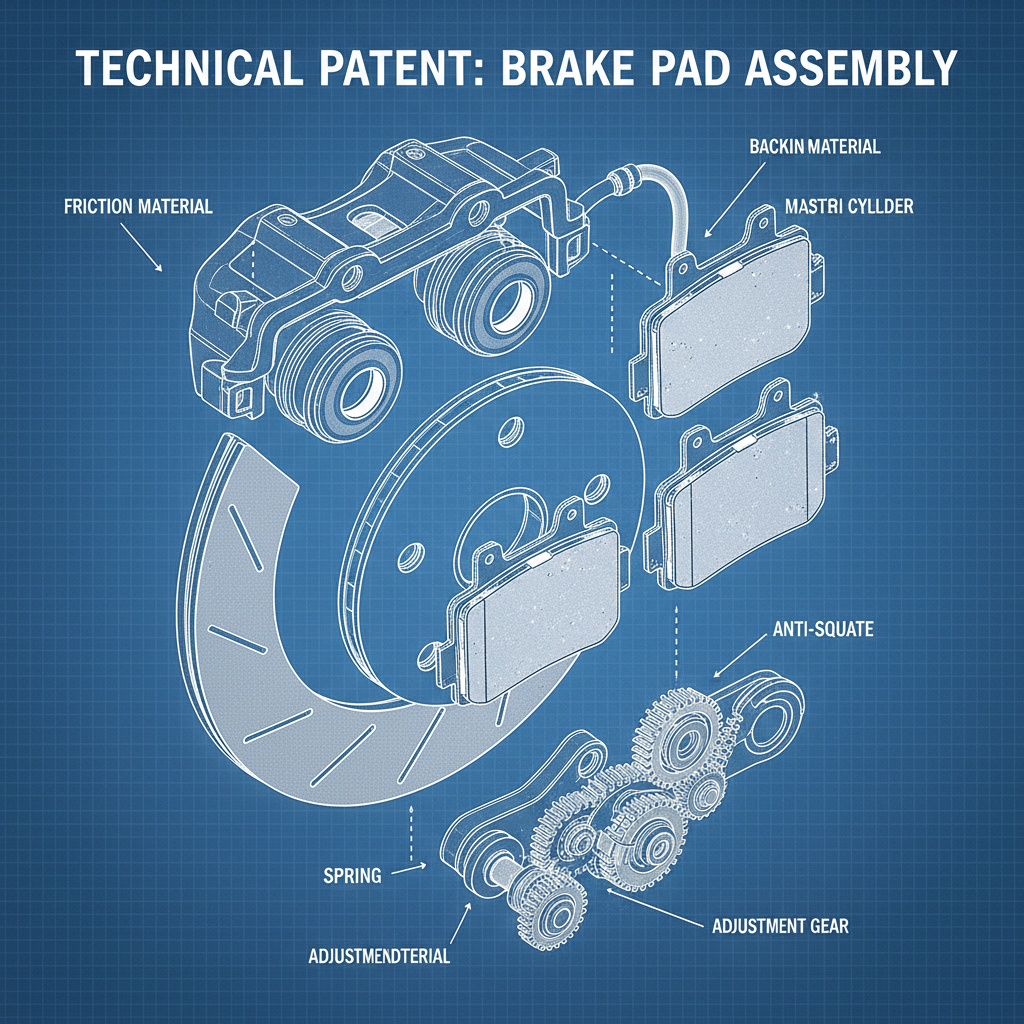
To secure the best brake pads price, consider shopping online from reputable suppliers like KY Brake Pad. Online retailers often offer competitive pricing and a wider selection. Compare prices from multiple sources before making a purchase. Also, look for promotional offers, discounts, and free shipping options. Be sure to verify the seller's return policy in case the pads aren’t the correct fit or have any defects.
Understanding the factors influencing brake pads price empowers you to make an informed decision. Prioritizing safety and quality over the lowest price is crucial. By considering your vehicle type, driving style, and budget, you can find the perfect brake pads to ensure optimal stopping power and peace of mind.
The lifespan of brake pads varies depending on driving habits and conditions. Generally, brake pads should be inspected every 6,000-8,000 miles and replaced when the friction material is worn down to 3mm or less. Aggressive driving, frequent braking, and driving in harsh conditions (e.g., snow, mud) will shorten brake pad life. Regularly checking your brake pads is vital for maintaining safe braking performance.
Replacing brake pads is a relatively straightforward task for experienced DIY mechanics. However, it requires specific tools, knowledge of brake systems, and adherence to safety procedures. If you’re not comfortable working on your brakes, it's best to have them replaced by a qualified mechanic to ensure proper installation and avoid potential safety hazards.
Several signs indicate your brake pads need replacing, including squealing or grinding noises when braking, a pulsating sensation in the brake pedal, reduced braking performance, and a low brake pedal feel. Visual inspection of the brake pads can also reveal wear. If you notice any of these signs, have your brakes inspected immediately.
It’s generally recommended to replace rotors along with brake pads, especially if the rotors are worn, scored, or warped. Replacing both components ensures optimal braking performance and prevents uneven wear. However, if the rotors are in good condition, they may not need replacement, but they should be resurfaced to provide a smooth braking surface. Consult a mechanic to assess the condition of your rotors.