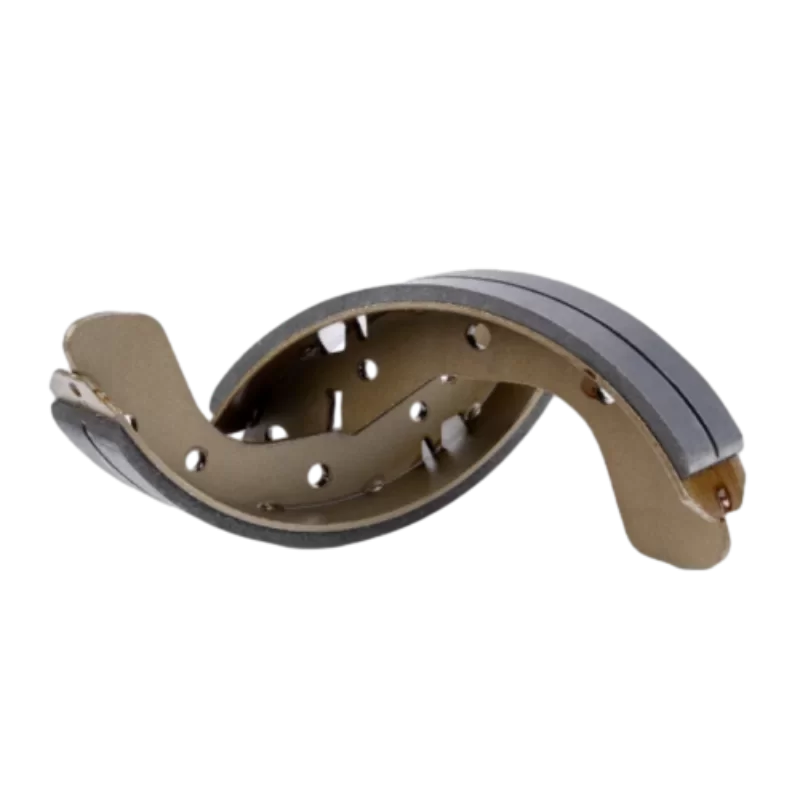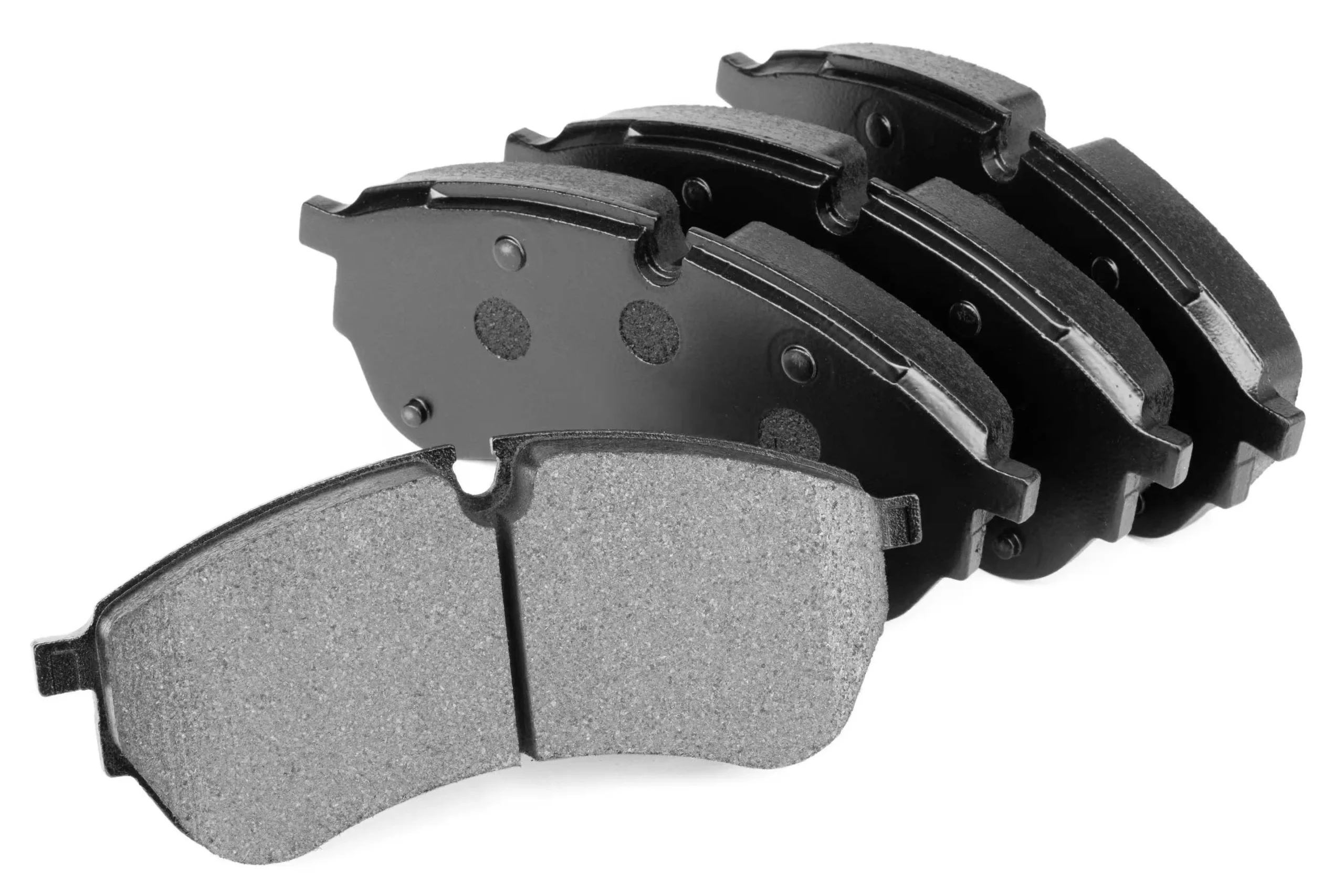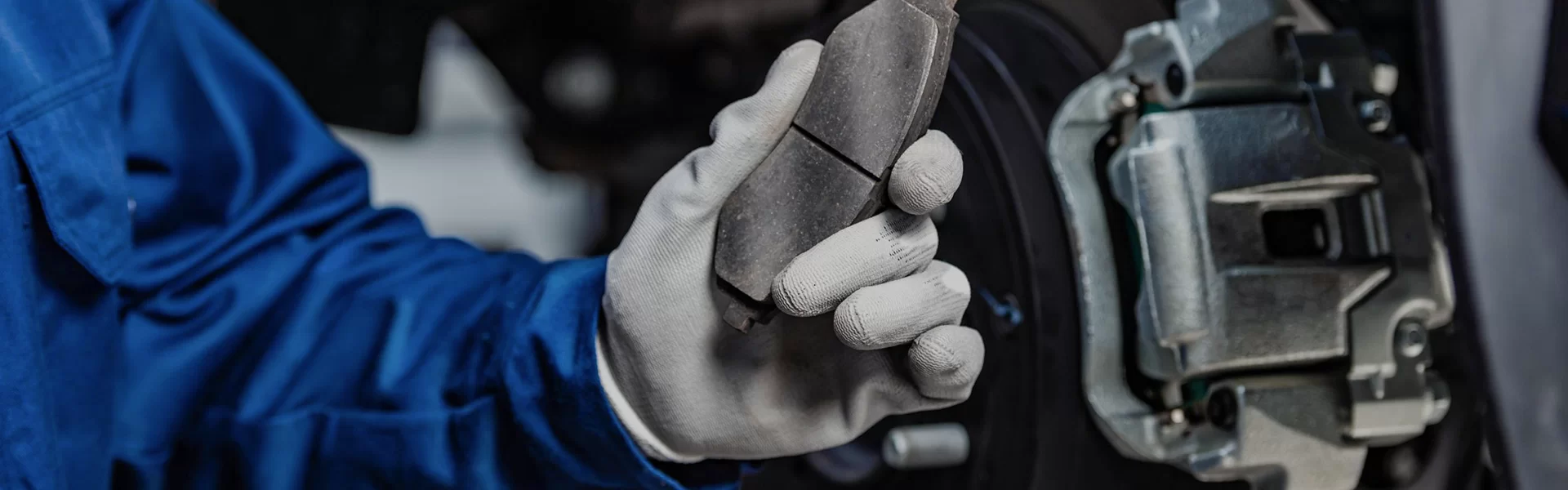
When maintaining your vehicle, reliable braking is paramount, and a crucial component of that system are your drum brake pads. Finding the right balance between drum brake pads price and quality can be challenging. This article delves into the factors influencing brake pad costs, provides a price range overview, and explores how to choose pads that offer optimal performance and longevity. We'll cover everything from material types to identifying genuine parts to ensure your safety on the road. Choosing the right brake pads impacts not just your stopping power, but also the longevity of your braking system.
The cost of drum brake pads isn’t fixed; several factors contribute to the final price. Material composition is a key determinant. Organic pads, made from fibers, are typically the most affordable, while semi-metallic pads offer a balance of price and performance. Ceramic pads, known for their quiet operation and long lifespan, generally command the highest price. Brand reputation also plays a role, with well-known brands often priced higher due to their perceived reliability and quality. Vehicle type is also a consideration; pads for heavy-duty vehicles or performance cars are usually more expensive. Finally, retailer markup and potential shipping costs will add to the overall expense.
Key Takeaway: Understanding these factors allows you to make an informed decision, prioritizing features that align with your vehicle's needs and your budget.
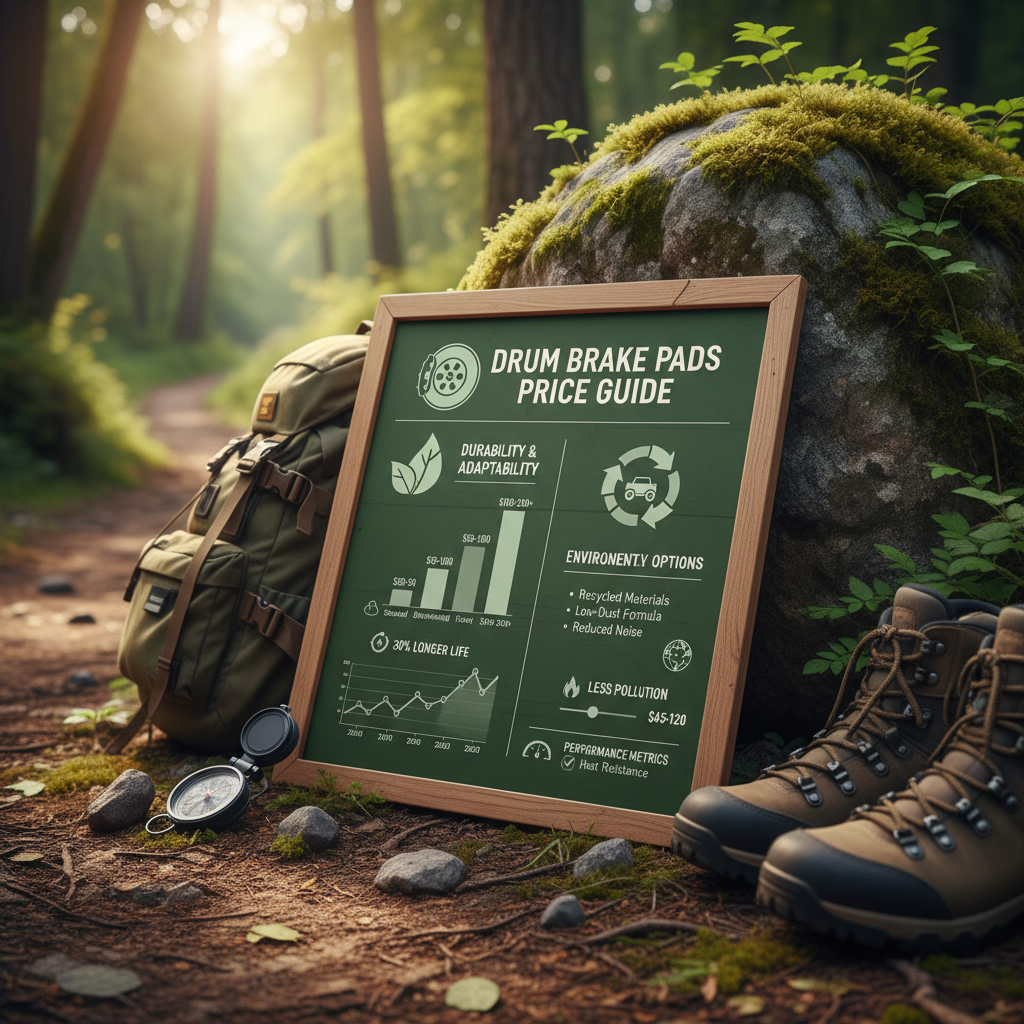
Generally, you can expect to find drum brake pads within the following price range (per axle, meaning for both sides of the vehicle):
These prices are estimates and can vary depending on your vehicle make and model, as well as the supplier. It’s always best to get a quote specific to your car. Remember to factor in the cost of labor if you aren't performing the brake pad replacement yourself. KY Brakepad offers a range of quality drum brake pads at competitive prices.
Selecting the appropriate material for your drum brake pads is critical. Organic pads are quiet and gentle on rotors but wear quickly and aren't ideal for heavy braking. Semi-metallic pads offer better stopping power and durability, but can be noisier and cause more rotor wear. Ceramic pads provide the best of both worlds – excellent stopping power, quiet operation, and long life – but are the most expensive option. Consider your driving habits. If you primarily drive in city traffic, organic or ceramic pads may suffice. For more aggressive driving or heavier vehicles, semi-metallic or ceramic pads are a better choice.
When purchasing drum brake pads, you'll have the option of genuine (OEM - Original Equipment Manufacturer) pads or aftermarket pads. Genuine pads are manufactured by the vehicle's maker and are guaranteed to fit and perform as intended. Aftermarket pads are made by third-party companies and can vary significantly in quality. While aftermarket pads are often cheaper, it’s important to choose a reputable brand to ensure reliability and safety. Look for pads with certifications and positive customer reviews. KY Brakepad prides itself on offering high-quality aftermarket options that meet or exceed OEM standards.
Drum brake pads are readily available at various retailers, including auto parts stores, online marketplaces (like Amazon), and directly from manufacturers' websites. Purchasing online offers convenience and often competitive pricing. However, ensure the website is reputable and offers a return policy. Buying from a local auto parts store allows you to get expert advice and potentially install the pads yourself. For a reliable source of high-quality drum brake pads, visit www.kybrakepad.com.
Choosing the right drum brake pads involves considering your driving habits, vehicle type, and budget. Prioritizing quality and safety is essential. By understanding the factors influencing drum brake pads price and carefully evaluating your options, you can ensure reliable stopping power and a safe driving experience. Don't compromise on brake safety – make an informed decision today!
The lifespan of drum brake pads varies depending on driving conditions and pad material. Generally, they should be inspected every 6,000 – 8,000 miles and replaced when the friction material is worn down to 2mm or less. Signs that indicate a need for replacement include squealing noises, grinding sounds, reduced braking performance, and a decrease in pedal feel. Ignoring worn brake pads can lead to damage to rotors and other braking components, increasing repair costs.
Replacing drum brake pads is a relatively straightforward task for experienced DIY mechanics. However, it requires some mechanical knowledge, the right tools, and a thorough understanding of brake system components. If you're not comfortable working on brakes, it's best to have a qualified mechanic perform the replacement. Improper installation can compromise brake performance and safety.
Drum brakes and disc brakes are two different types of braking systems. Disc brakes use calipers to squeeze pads against a rotor, providing more consistent and powerful braking performance. Drum brakes use brake shoes pressing against the inside of a drum. Disc brakes are generally more efficient at dissipating heat, making them better suited for high-performance vehicles. Drum brakes are often found on the rear wheels of older or less expensive vehicles.
Several warning signs indicate failing drum brakes. These include a squealing or grinding noise when braking, a spongy or soft brake pedal, pulling to one side while braking, and an increase in stopping distance. If you experience any of these symptoms, it's crucial to have your brakes inspected by a mechanic immediately.