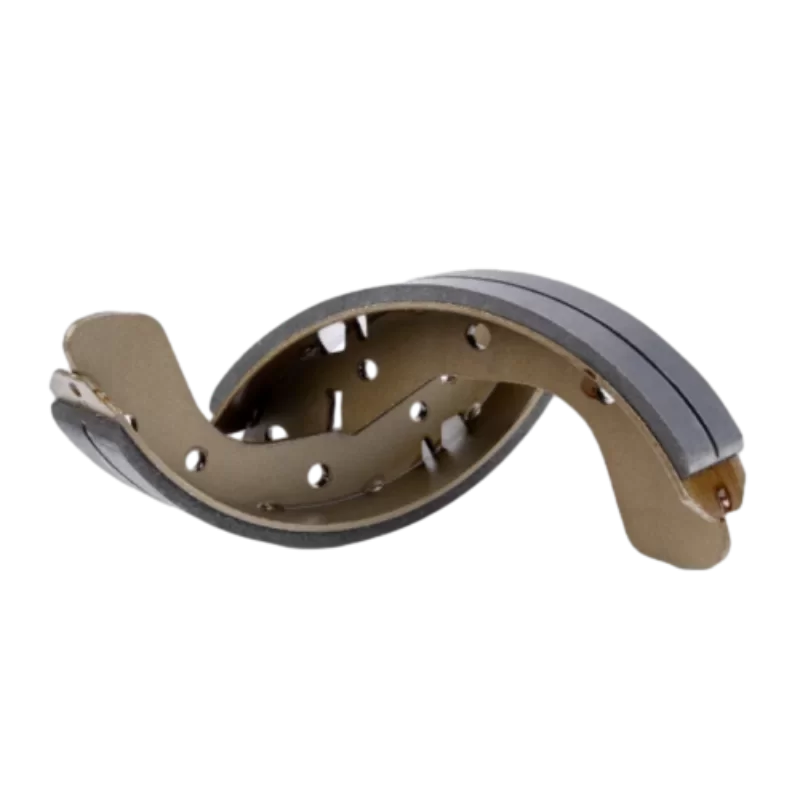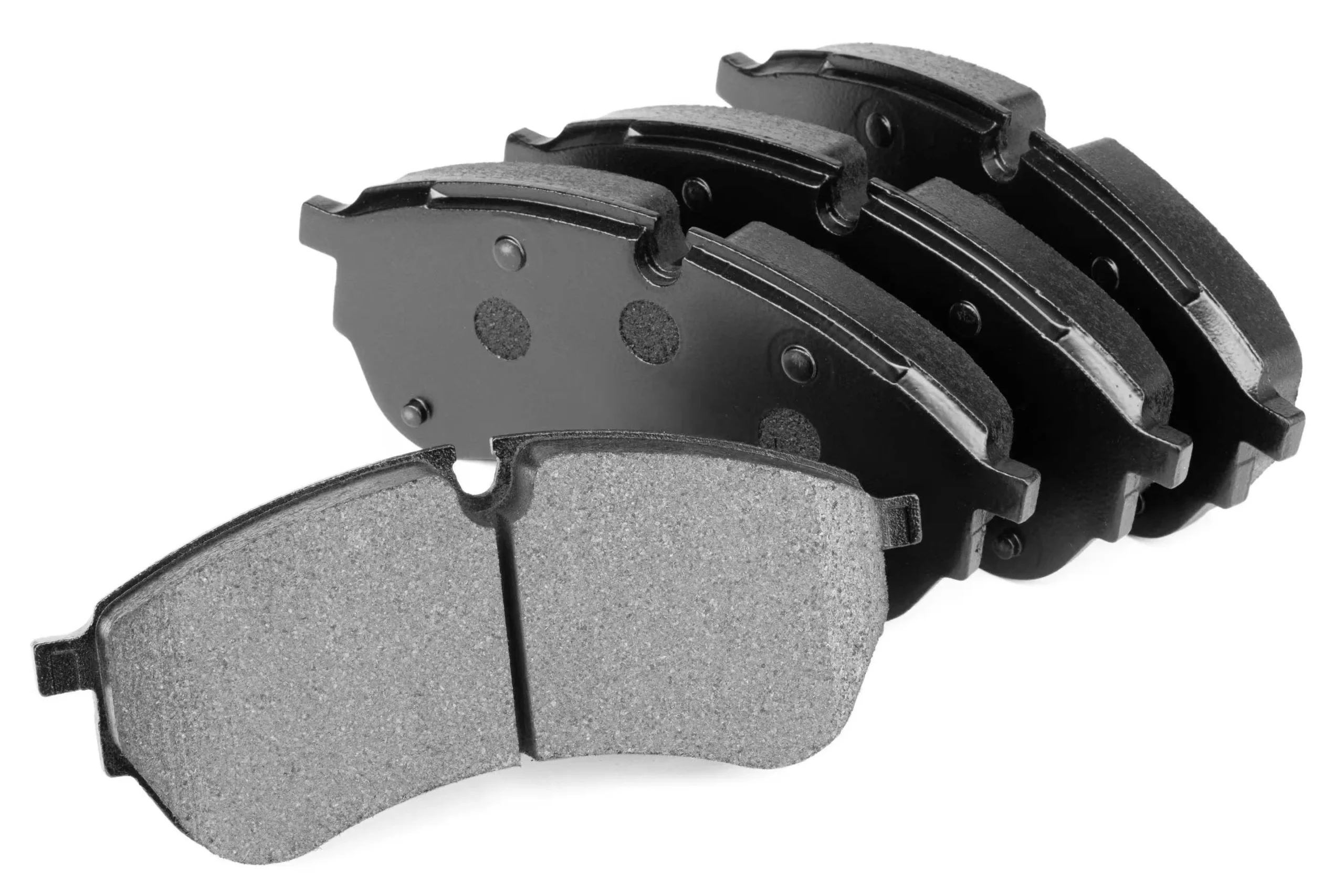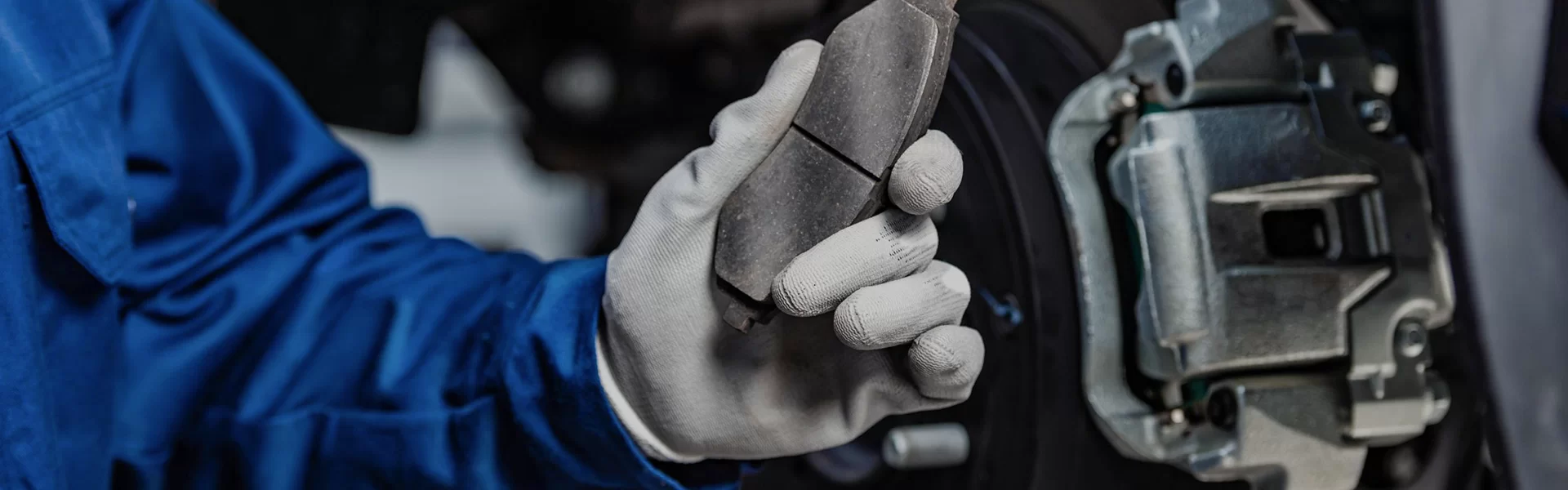
Finding the right motorcycle brake pads at the right price is crucial for your safety and riding experience. This guide will explore the factors that influence brake pad cost, different types available, and provide insights to help you make an informed purchase. We’ll cover everything from organic pads to sintered metal options, and discuss how to find the best value without compromising on quality. Knowing what to look for will help you keep your bike stopping powerfully and reliably.

Several factors determine the price of motorcycle brake pads. The material is a primary driver: organic, semi-metallic, and sintered metal pads vary significantly in cost. Brand reputation also plays a role, with well-known manufacturers often commanding a premium. The type of motorcycle (sportbike, cruiser, adventure, etc.) impacts price, as specialized pads for performance bikes are typically more expensive. Finally, the complexity of the pad design and the inclusion of features like cooling fins or noise reduction technology can also increase the cost. Understanding these factors will help you prioritize what matters most for your riding style and budget.
Key Takeaway: Brake pad price is influenced by material, brand, motorcycle type, and design complexity. Investing in quality pads is an investment in your safety.
Motorcycle brake pads come in three primary types, each with its own performance characteristics and price point. Organic pads are the most affordable, typically ranging from $20-$40 per set. They offer good initial bite and are quiet, but wear quickly and aren't ideal for aggressive riding. Semi-metallic pads, costing $30-$60 per set, provide a good balance of performance and durability. They offer better stopping power than organic pads, but can be noisier and harder on rotors. Sintered metal pads, the most expensive option ($50-$100+ per set), deliver superior stopping power and heat resistance, making them ideal for high-performance bikes and aggressive riders. They can be noisy and require some initial bedding-in.
At KY Brake Pad, we offer a comprehensive range of high-quality brake pads to suit various motorcycle models and riding styles. We understand that every rider has different needs, and our selection reflects this. We focus on delivering consistent performance, durability, and value for money. We source premium materials and employ rigorous quality control processes to ensure our pads meet or exceed industry standards. Whether you're a casual commuter or a seasoned track enthusiast, we have the right brake pads for you.
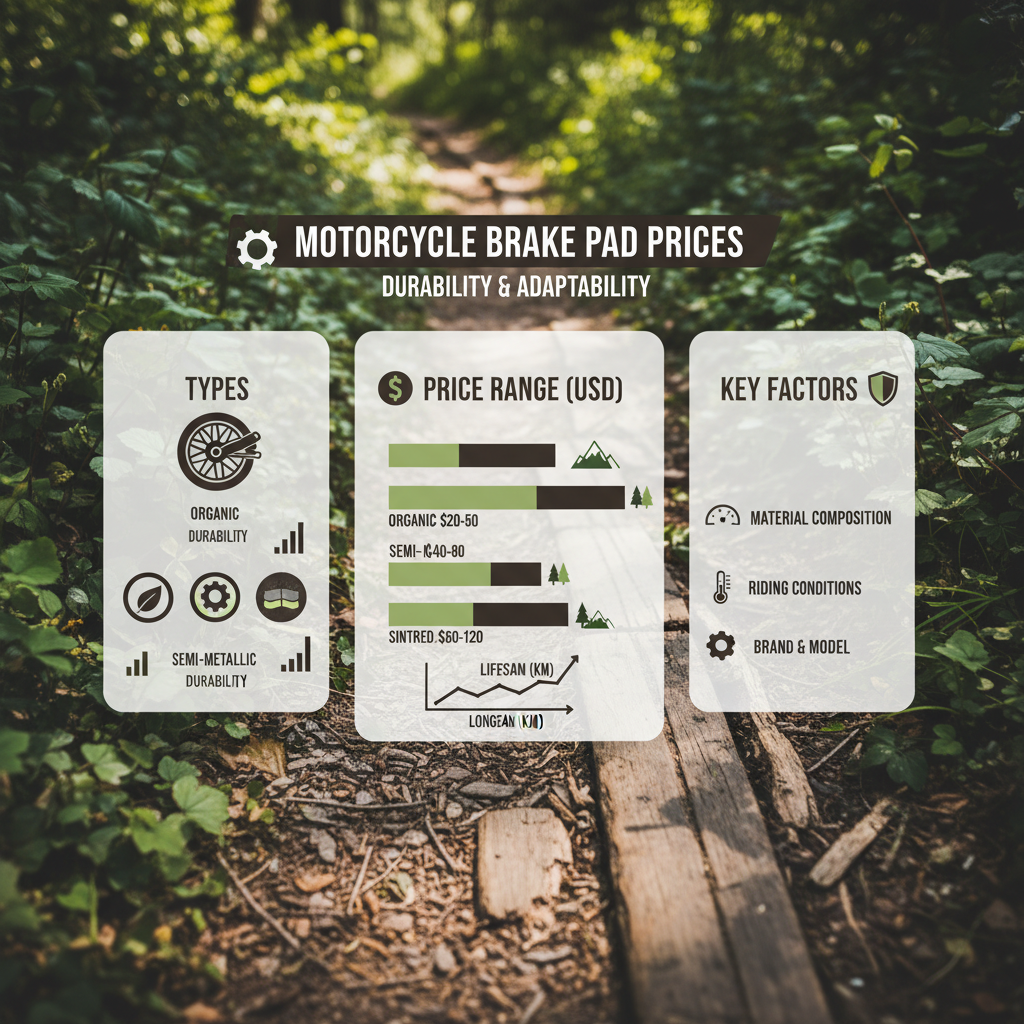
When comparing KY Brake Pad with competitors, you’ll find we consistently offer a competitive price without compromising on quality. Many other brands charge a premium for similar products, whereas we focus on providing exceptional value. We achieve this through efficient manufacturing processes and direct-to-consumer sales, eliminating unnecessary markups. Our customers consistently report high satisfaction with the performance and longevity of our brake pads. Here’s a brief comparison:
Selecting the right brake pads for your motorcycle is a vital part of maintaining its safety and performance. Consider your riding style, the type of motorcycle you have, and the conditions you typically ride in. If you primarily commute and ride casually, organic or semi-metallic pads may suffice. For more aggressive riding or track use, sintered metal pads are the better choice. Always refer to your motorcycle’s owner’s manual for recommended brake pad specifications. You can also use the fitment guide on our website, https://www.kybrakepad.com, to ensure you find the perfect match for your bike.
Choosing the right motorcycle brake pads doesn't have to be complicated. By understanding the different types, price factors, and your riding needs, you can make an informed decision. KY Brake Pad offers a reliable and affordable solution for riders of all levels. Prioritize your safety and experience the difference quality brake pads can make.
The frequency of brake pad replacement depends heavily on your riding style, mileage, and the type of pad you use. As a general guideline, inspect your brake pads every 6,000 miles or annually. If the pad material is worn down to less than 2mm, or if you notice any cracks or damage, it's time for replacement. Aggressive riders and those who frequently brake hard will need to replace their pads more often. Regular checks and timely replacement ensure optimal stopping power and prevent damage to your rotors. KY Brake Pad offers a wide selection to meet your needs.
"Bedding-in" refers to the process of properly preparing new brake pads for optimal performance. It involves a series of controlled stops from moderate speeds to transfer a layer of pad material onto the rotors. This creates optimal friction and prevents glazing. Typically, this involves 20-30 stops from 30-40 mph, followed by a cooling period. Refer to the manufacturer’s instructions for specific bedding-in procedures. Failing to bed-in your pads correctly can result in reduced braking performance and premature wear.
It is generally not recommended to mix different types of brake pads on the same axle. Using different materials can create an uneven braking force and compromise stability. Each pad type has a different coefficient of friction, and mixing them can lead to inconsistent braking and potential loss of control. Always use matching brake pads on both sides of the same wheel.
Finding the correct brake pads is easy with KY Brake Pad! We have a comprehensive fitment guide on our website. Simply enter your motorcycle’s year, make, and model, and our system will display all compatible brake pads. You can also contact our customer support team for assistance.