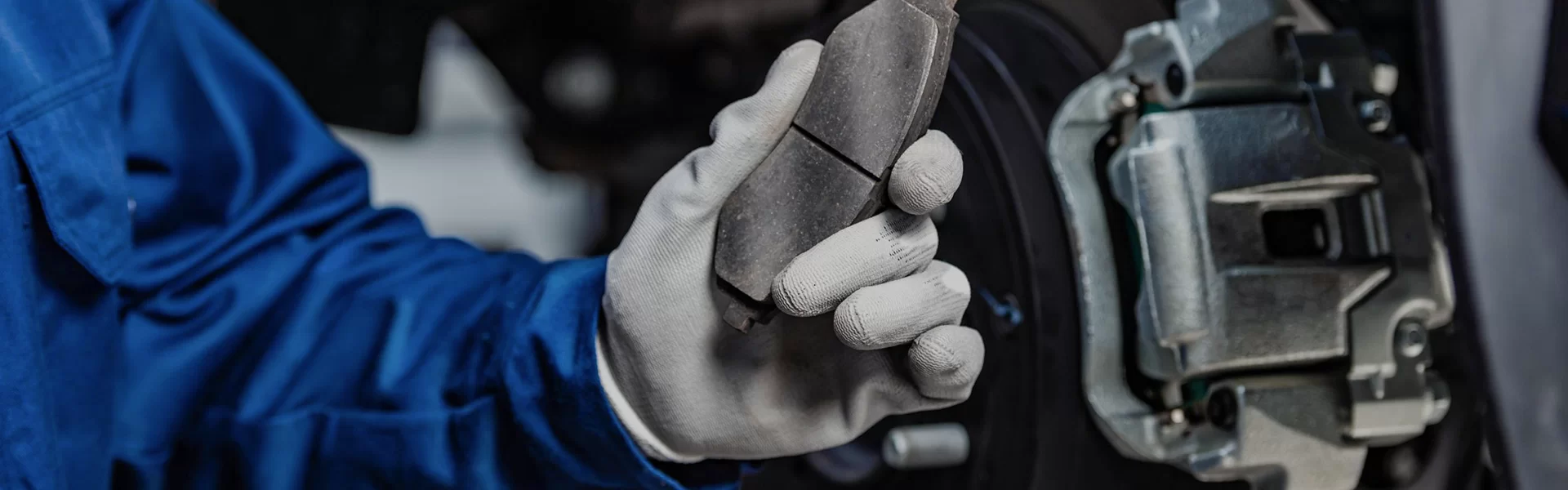
Industry Trends: Material Upgrades and Manufacturing Precision
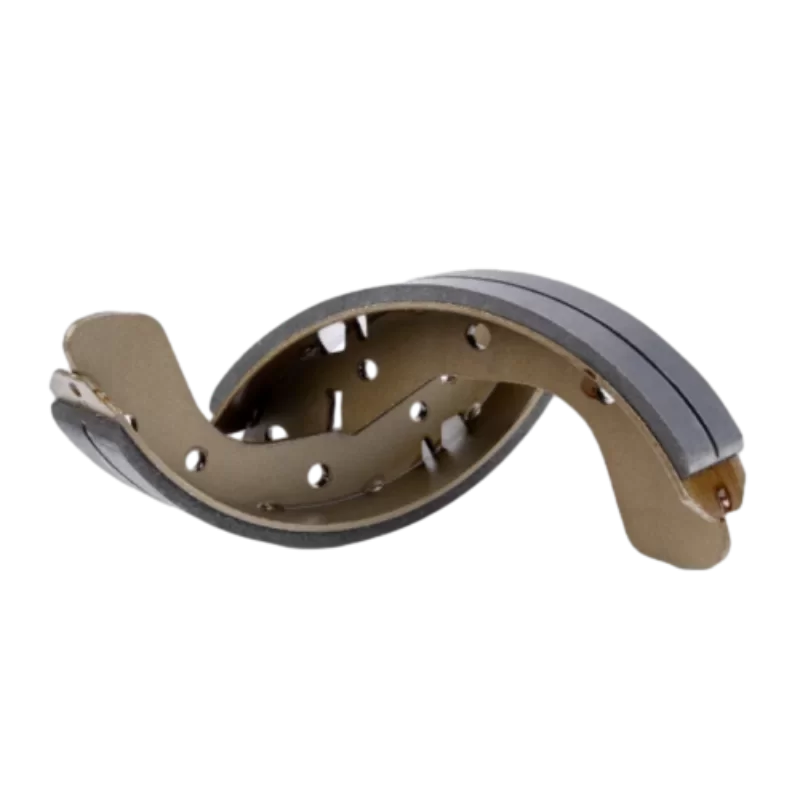
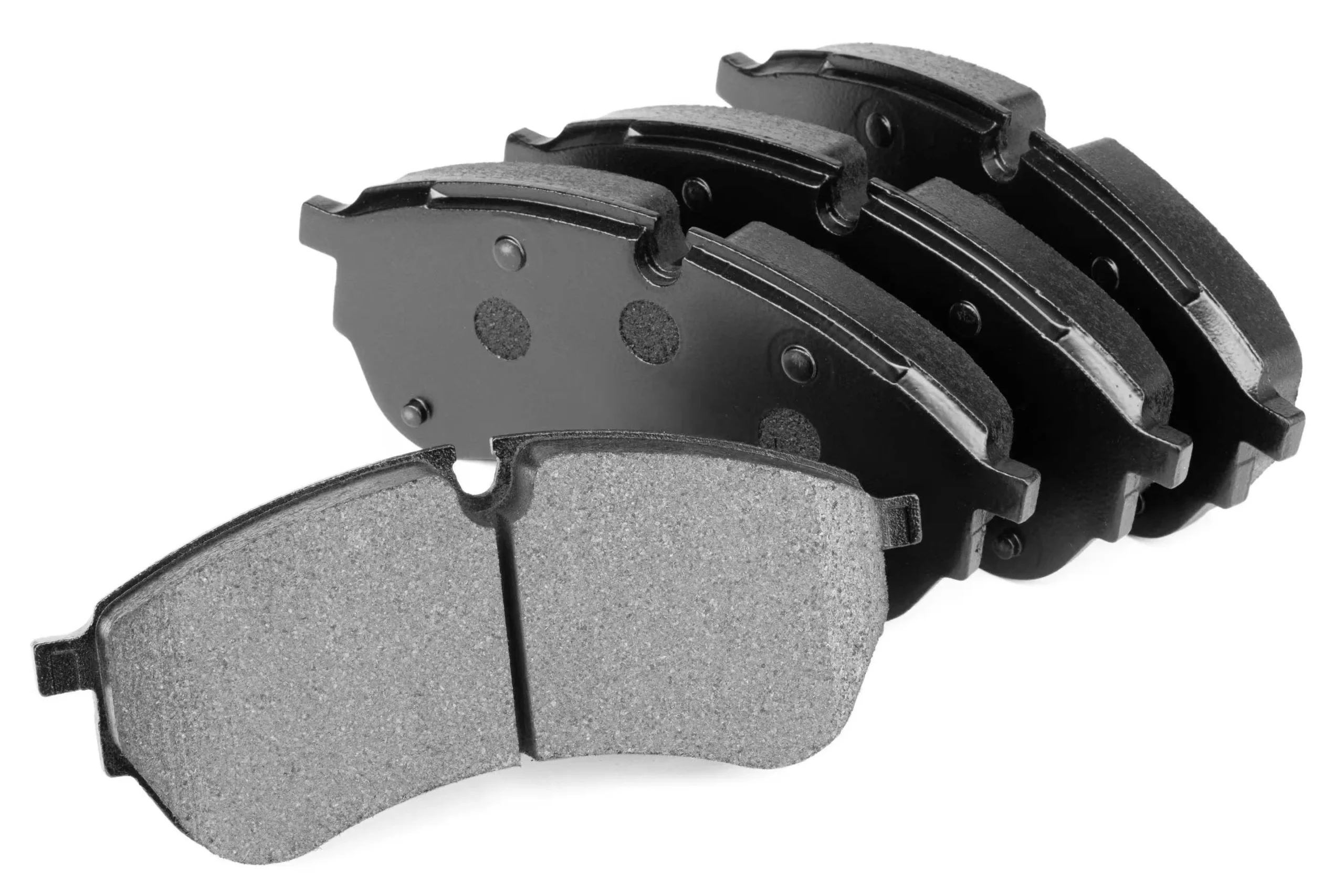
Traditionally, brake shoes have been made using steel frames with friction linings composed of asbestos or semi-metallic materials. However, asbestos-based products have been phased out in most countries due to health and environmental concerns. In their place, manufacturers are adopting non-asbestos organic (NAO) compounds, ceramic blends, and advanced synthetic fibers. These new materials not only improve braking performance but also reduce harmful dust emissions.
Automation and CNC precision machining are also transforming brake shoe production. High-precision manufacturing ensures consistent shape and fit, reducing installation issues and improving the stability of braking performance over time. Many factories are now integrating robotic assembly lines to boost efficiency while maintaining stringent quality standards.
Product Innovations: Longer Life and Quieter Operation
Modern brake shoes are engineered to deliver longer wear life and improved heat resistance. Enhanced bonding processes between the steel shoe and friction lining reduce the risk of delamination under high-temperature conditions. Some premium models incorporate anti-rust coatings and noise-reduction slots to minimize vibrations and squealing during braking.
Manufacturers are also tailoring brake shoe designs for specific applications. Heavy-duty commercial vehicles benefit from reinforced shoes with thicker linings, while motorcycles and light vehicles require lighter, more responsive models. The aftermarket is seeing growth in performance-oriented brake shoes designed for high-load or off-road conditions, providing greater stopping power and stability.
Market Outlook: Growth in Emerging Economies
According to industry research, the global brake shoe market is projected to grow steadily over the next five years, driven by strong demand from Asia, Africa, and Latin America. In these regions, drum brake systems remain popular due to their low maintenance requirements and ability to perform reliably in challenging road and weather conditions.
The replacement market also presents significant opportunities. Brake shoes naturally wear out over time, and growing vehicle fleets worldwide ensure a consistent demand for aftermarket products. The electric vehicle (EV) segment, while largely adopting disc brakes, still relies on drum brakes for certain models, especially for rear-wheel braking in small cars, further supporting market stability.
“Brake shoes are a mature product category, but innovation continues to refine their performance,” said an automotive parts analyst. “With the shift to cleaner materials and more precise production, we are seeing brake shoes that last longer, run quieter, and meet global environmental standards.”
As safety regulations tighten and drivers seek reliable, low-maintenance braking solutions, the brake shoe industry is set for sustainable growth, with both OEM and aftermarket suppliers investing in technology and material advancements.