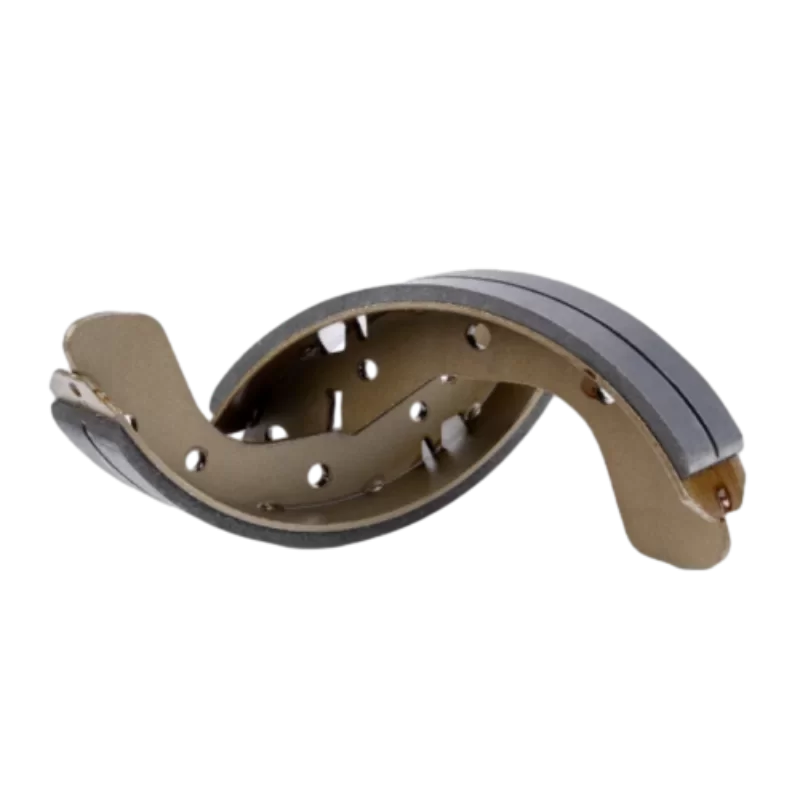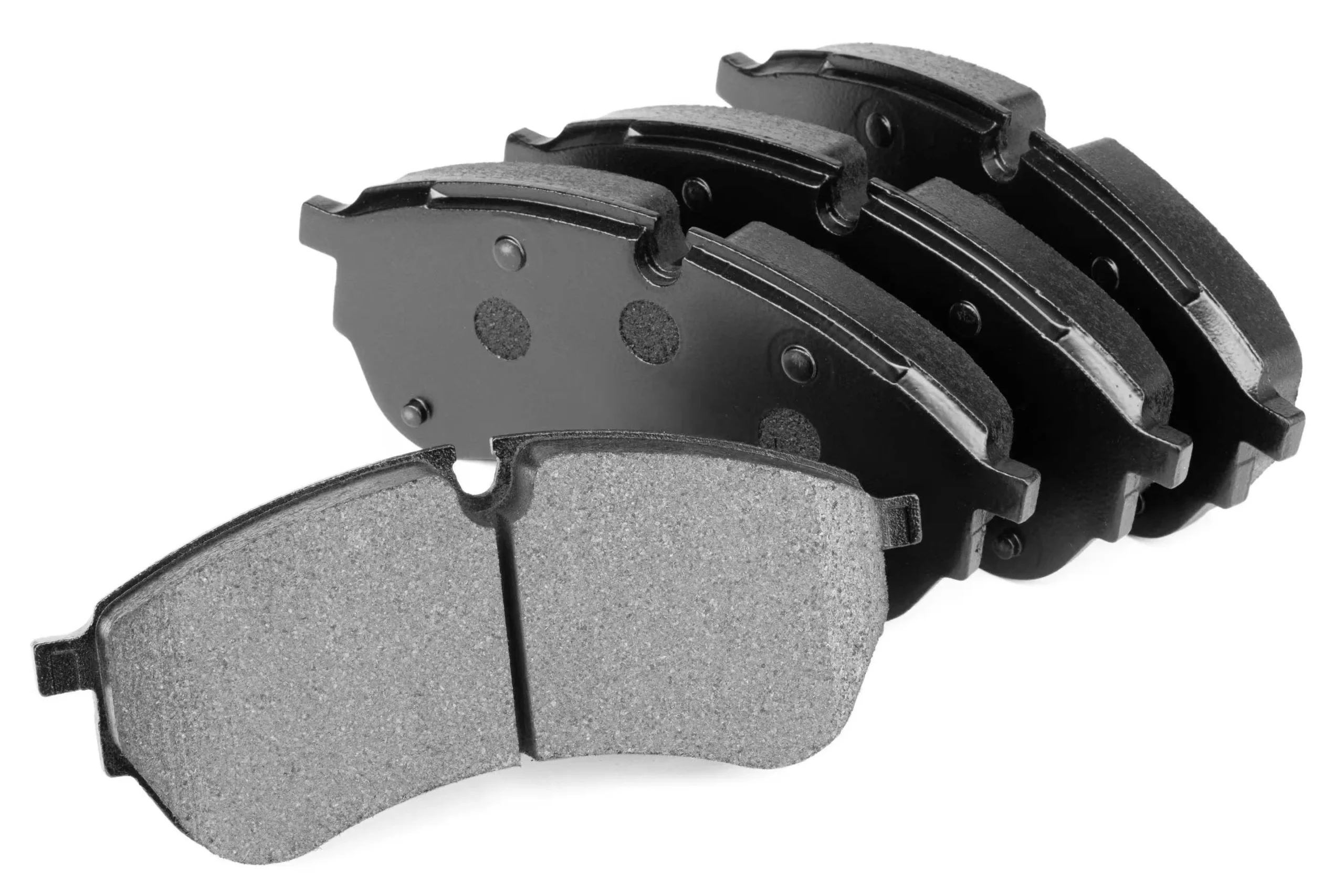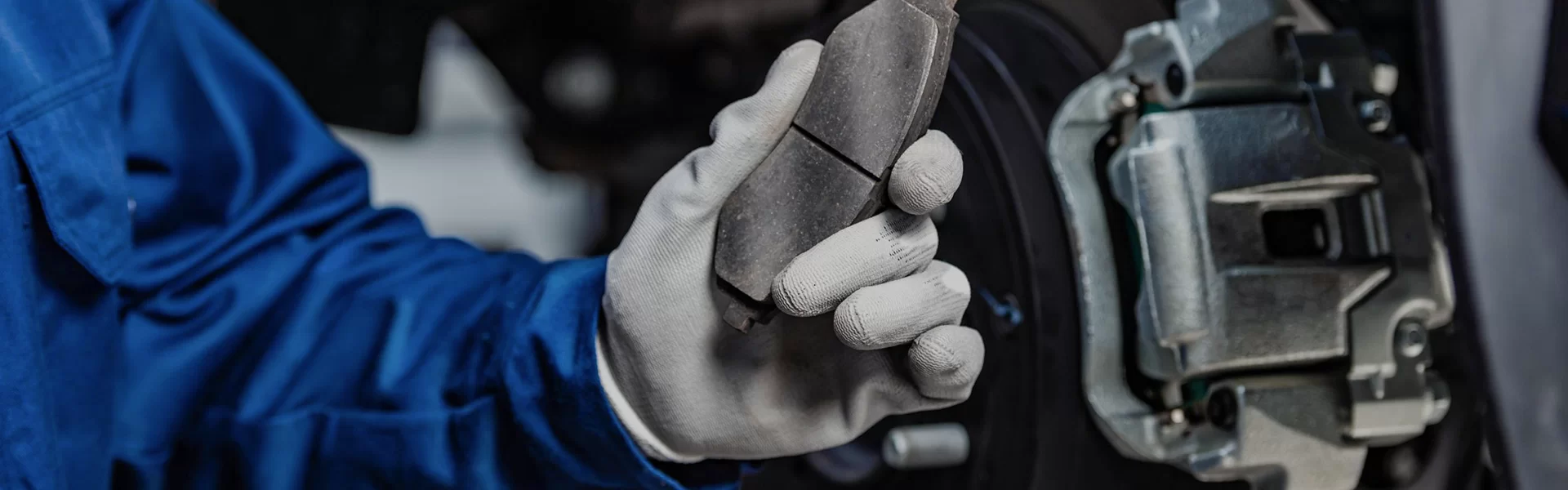
Knowing the average brake change prices is essential for responsible vehicle ownership. Costs vary significantly based on vehicle type, brake component quality, and labor rates. This article provides a detailed breakdown of what influences brake change costs, typical price ranges, and how to find the best value. We’ll explore everything from DIY options to professional service costs, helping you make informed decisions to keep your vehicle safely stopping. Regular brake maintenance is crucial for safety, and understanding the financial aspect is a key part of that.
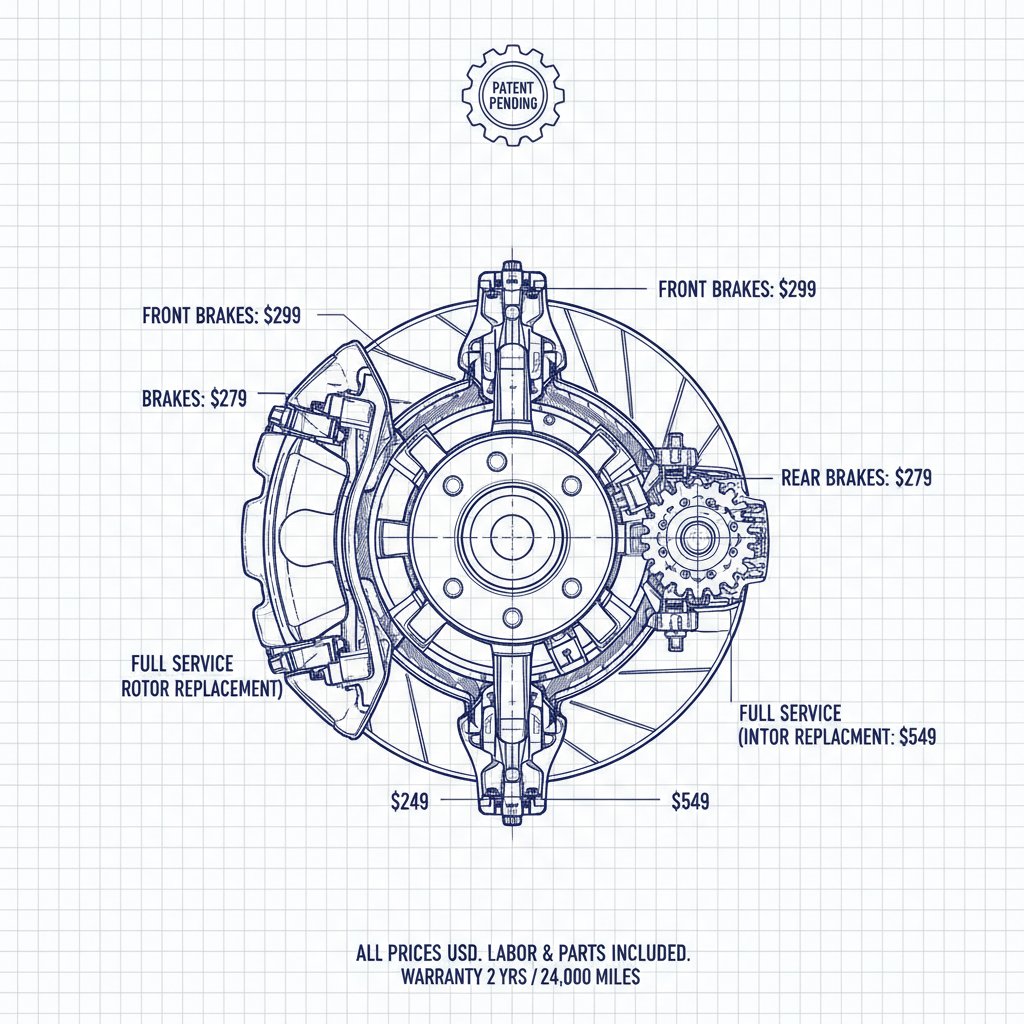
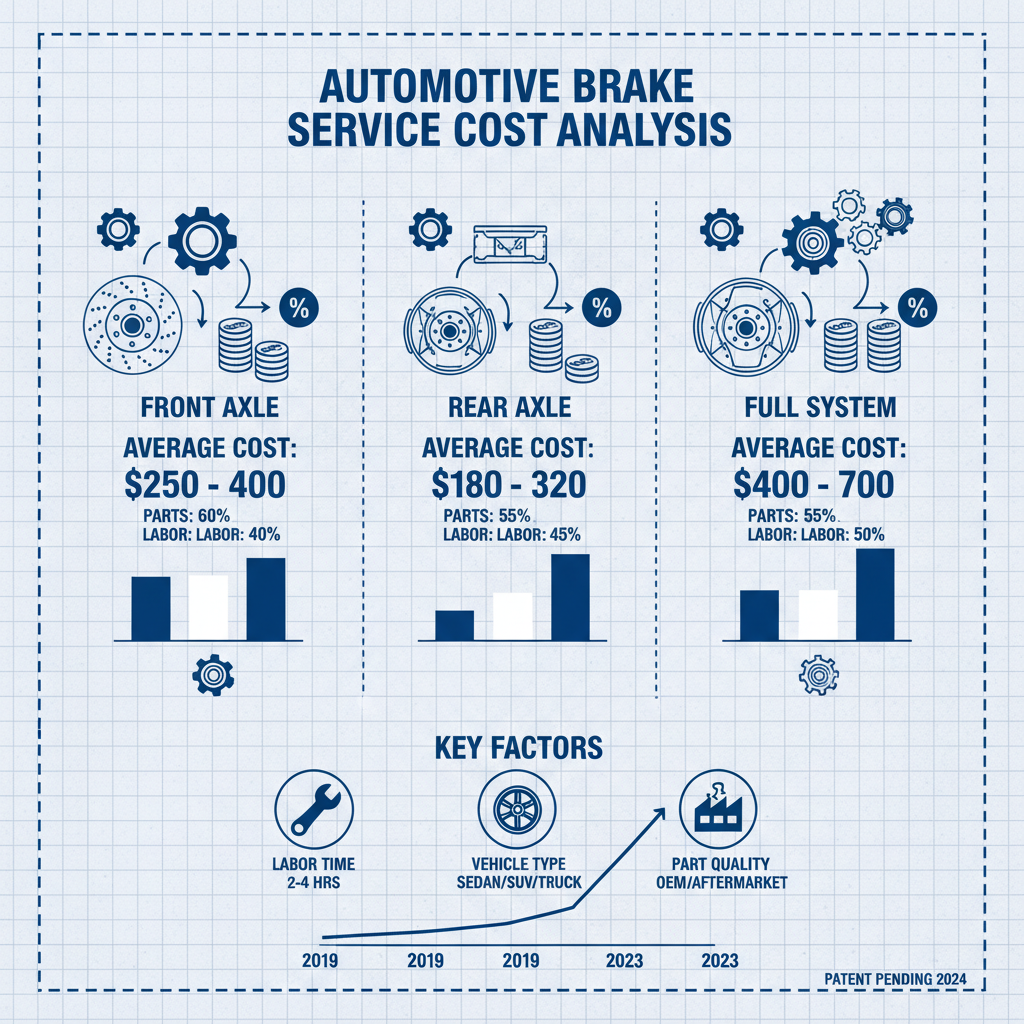
Several key factors contribute to the final cost of a brake change. The most significant is the type of vehicle. Larger vehicles, trucks, and SUVs generally require more substantial brake components and thus incur higher costs. The quality of brake pads and rotors also plays a crucial role – opting for premium, long-lasting materials will cost more upfront but can offer better performance and longevity. Labor rates vary widely by location and mechanic expertise, with urban areas typically having higher rates. Finally, the need for additional services, such as rotor resurfacing or caliper replacement, can substantially increase the overall price. Don’t hesitate to ask for a detailed breakdown of the costs before authorizing any work.
Key Considerations: Vehicle type, brake component quality, labor rates, and additional services all impact the final cost.
Here’s a general overview of what you can expect to pay for a typical brake change. These prices are estimates and can vary based on your location and the specifics of your vehicle. We categorize the options based on the type of brake pads used – ceramic, organic, and metallic. Remember that labor costs generally comprise a significant portion of the total bill.
For mechanically inclined individuals, performing a brake change at home can save money on labor costs. However, it requires the right tools, knowledge, and a safe working environment. Incorrect installation can lead to serious safety issues. If you’re unfamiliar with brake systems, it’s always best to leave the job to a qualified mechanic. Professional brake services offer peace of mind and ensure the job is done correctly, often including a warranty on parts and labor.
DIY Brake Change Considerations:
• Requires tools and mechanical expertise
• Potential safety risks if not done correctly
• Savings on labor costs
• Requires proper disposal of old brake materials.
To secure the best brake change prices, it’s smart to shop around. Get quotes from multiple mechanics and compare both parts and labor costs. Look for online coupons and discounts. Consider using kybrakepad.com for high-quality brake pads at competitive prices. Don't automatically choose the cheapest option – prioritize quality and reputation. Reading online reviews can provide valuable insights into the service quality of different mechanics. A reputable shop will be transparent about pricing and willing to answer your questions.
Beyond the initial cost, maintaining your brakes properly will extend their lifespan and save you money in the long run. Avoid harsh braking whenever possible. Regularly inspect your brake fluid levels and ensure they are within the recommended range. Address any unusual noises or vibrations promptly. Using quality brake components, like those offered at kybrakepad.com, contributes to long-term brake performance and safety.
Understanding brake change prices is a vital step in responsible vehicle ownership. By considering the factors influencing costs, comparing quotes, and choosing quality components, you can ensure your vehicle's braking system remains reliable and safe. Don't compromise on safety – invest in regular brake maintenance and enjoy the peace of mind that comes with knowing your vehicle can stop when you need it to.
It’s generally recommended to have your brakes inspected at least once a year, or every 12,000 miles, whichever comes first. However, if you notice any signs of brake problems, such as squealing noises, grinding sounds, or a soft brake pedal, you should have them checked immediately. Regular inspections can help identify potential issues before they become serious and expensive repairs. Also, consider your driving habits – frequent, hard braking will wear down brakes faster.
Organic brake pads are the most affordable but offer the least durability and performance, especially in high-heat situations. Ceramic brake pads provide excellent stopping power, are quiet, and produce minimal dust, making them a popular choice. Metallic brake pads offer the best stopping power, especially when cold, but can be noisy and wear down rotors faster. The best choice depends on your driving style and vehicle type.
It depends on the condition of your rotors. If your rotors are still within the manufacturer's specifications for thickness and are free from deep grooves or warping, you may be able to replace just the brake pads. However, it’s generally recommended to replace rotors along with the pads, especially if the rotors have been resurfaced multiple times. Replacing both ensures optimal braking performance and prevents premature wear on the new pads.
Several warning signs indicate your brakes may need attention. These include squealing or grinding noises when braking, a soft or spongy brake pedal, increased stopping distances, pulling to one side when braking, and a vibrating steering wheel when braking. If you experience any of these symptoms, it’s crucial to have your brakes inspected by a qualified mechanic as soon as possible.