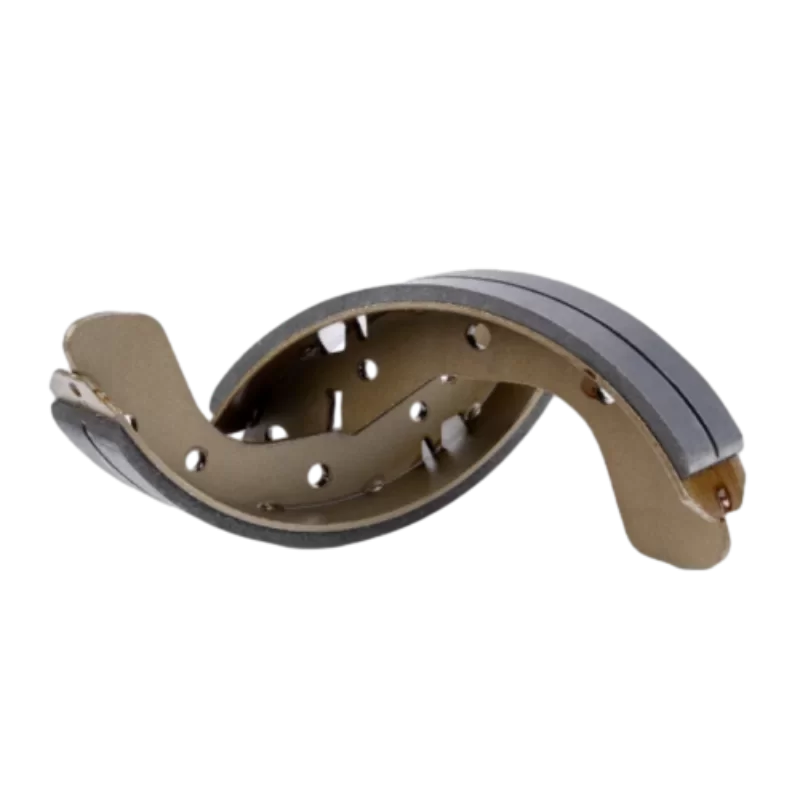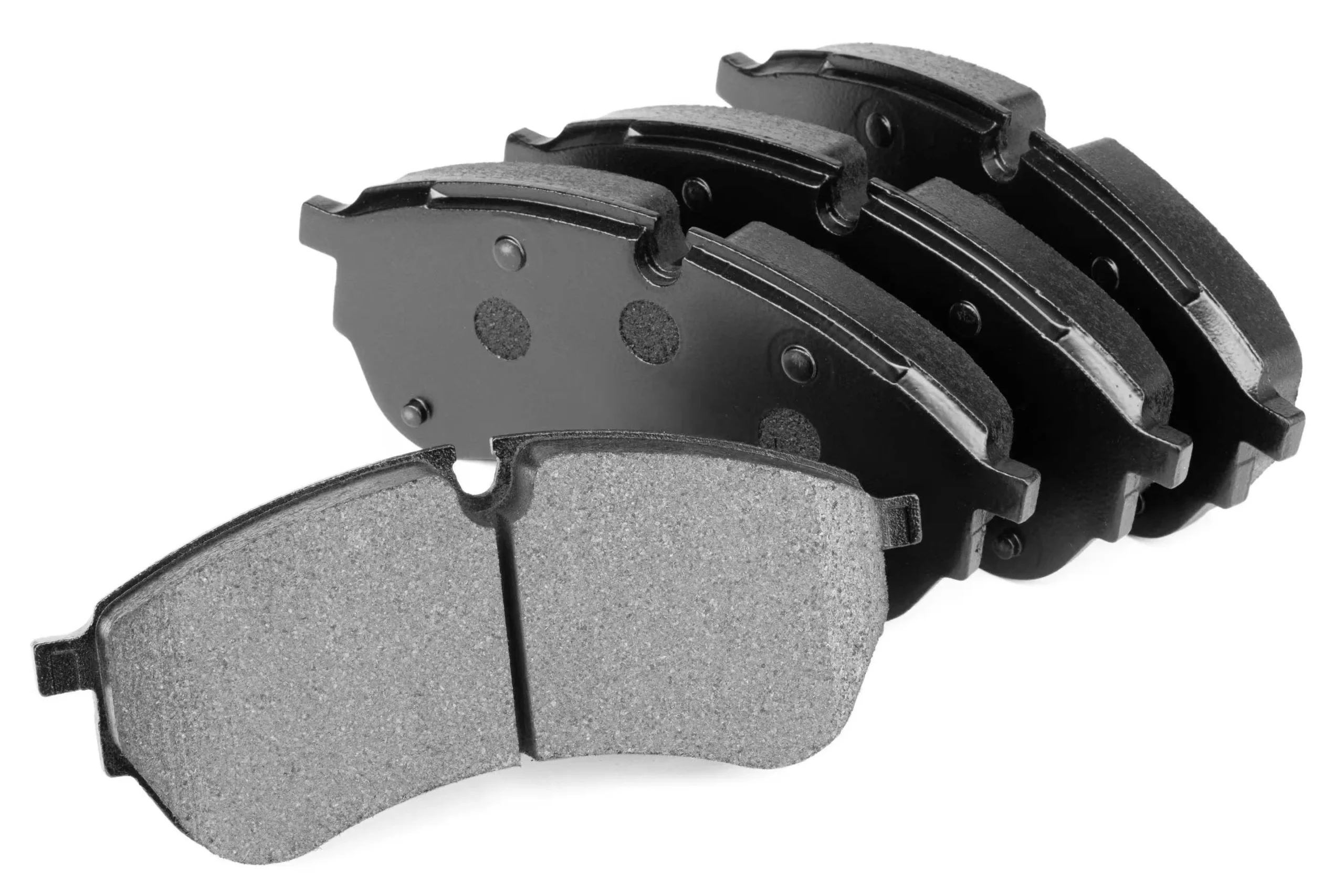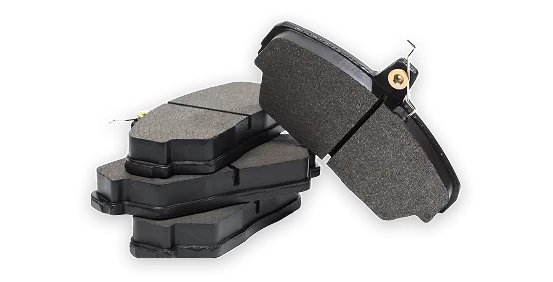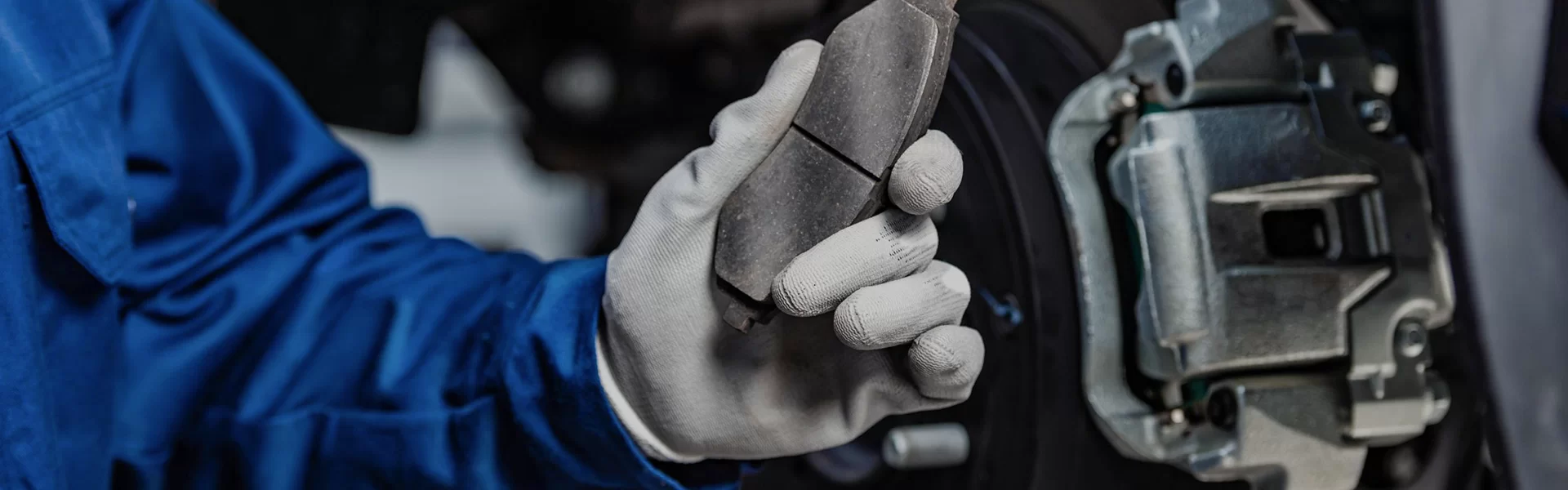
When it comes to vehicle maintenance, brake pads are a critical component for safety and performance. Understanding the brake pads cost can help you make informed decisions about your vehicle’s upkeep. The price of brake pads can vary widely based on several factors, including the vehicle make and model, the type of brake pad, and where you choose to have them replaced. This article will delve into the different aspects influencing the cost of brake pads, providing a clear understanding of what to expect. Proper brake maintenance is crucial for safe driving, and knowing the costs involved is the first step toward responsible vehicle ownership.

Several elements contribute to the overall brake pads cost. These include the vehicle type (luxury vehicles typically have higher costs), the quality of the brake pads (organic, semi-metallic, or ceramic), and labor costs associated with installation. Furthermore, the location where you get your brakes done – a dealership, a chain auto repair shop, or an independent mechanic – can significantly impact the final bill. Consider also if you need rotor resurfacing or replacement, which adds to the overall expense. A thorough understanding of these factors allows you to budget effectively for brake maintenance.
Key Considerations: Vehicle type, brake pad material, labor rates, and potential rotor work all impact the total cost.
The type of brake pad you choose directly affects the brake pads cost. Organic brake pads are the most affordable but wear out quickly. Semi-metallic pads offer a good balance of performance and price. Ceramic brake pads are the most expensive but provide excellent stopping power, are quiet, and produce less dust. Here's a breakdown:
Labor costs are a significant portion of the total brake pads cost. These costs vary based on the mechanic’s hourly rate and the complexity of the job. A typical brake pad replacement can take between 1 to 2 hours of labor. Dealerships usually charge higher labor rates than independent mechanics or chain auto repair shops. It's wise to get quotes from multiple sources before committing to a service. Expect to pay anywhere from $80 to $200 or more for labor, depending on your location and the shop.
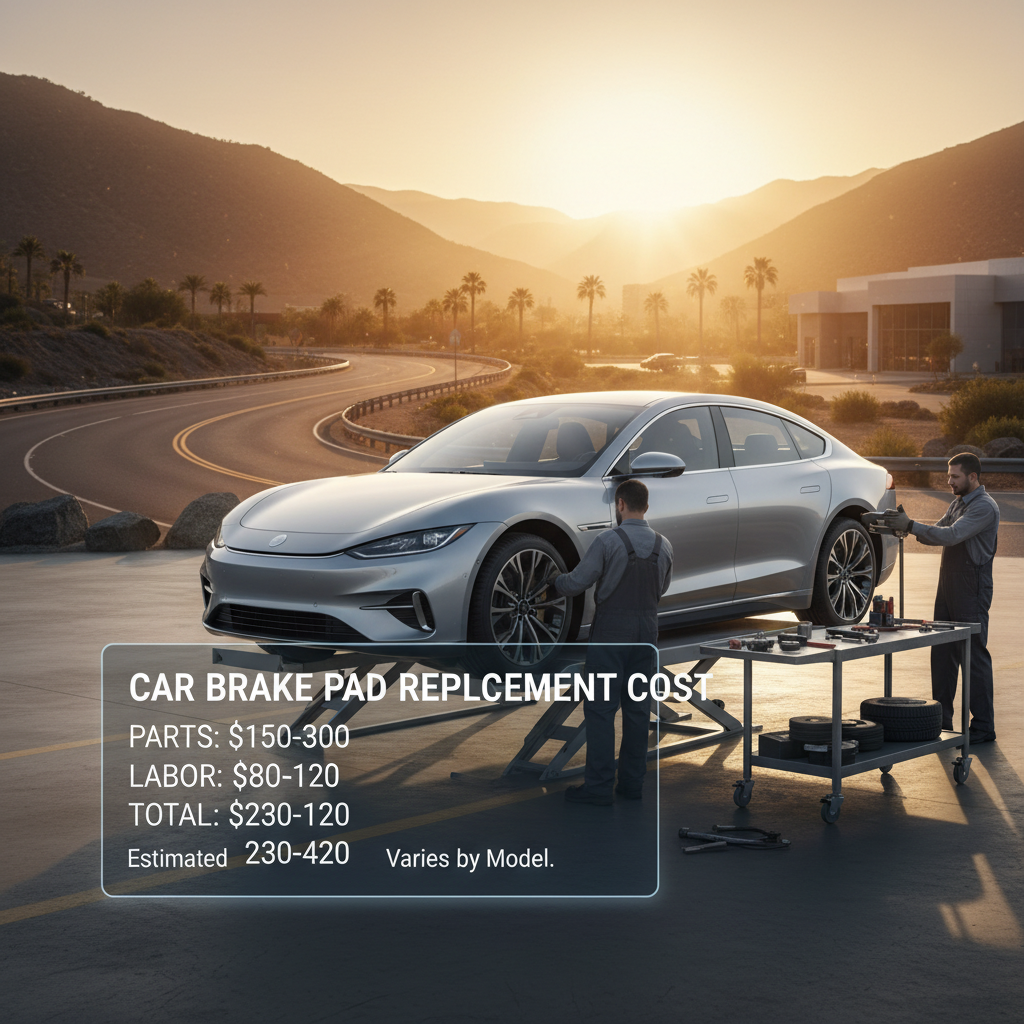
Beyond the brake pads and labor, other costs can add up. Rotor resurfacing or replacement is a common addition, particularly if the rotors are worn or damaged. Replacing rotors can add $100 - $300 per axle to the total bill. You may also need to replace brake hardware, like clips and shims, for optimal performance. Finally, don't forget about sales tax and any shop fees. Getting a comprehensive quote that includes all potential costs is crucial to avoid surprises. KY Brake Pad offers high-quality brake pads at competitive prices, helping you manage your brake maintenance expenses.
There are ways to minimize the brake pads cost. Regularly inspect your brakes for wear and address issues promptly. Consider purchasing brake pads online from reputable suppliers like KY Brake Pad to take advantage of potential discounts. Shop around for quotes from multiple mechanics. And finally, practice safe driving habits, such as avoiding hard braking, to extend the life of your brake pads. Preventative maintenance is always more cost-effective than dealing with major brake failures.
Understanding the various factors that contribute to brake pads cost empowers you to make informed decisions about your vehicle's upkeep. By considering brake pad types, labor costs, and potential additional expenses, you can budget effectively and ensure your vehicle's braking system remains in top condition. Prioritizing regular maintenance and choosing quality parts, like those available at KY Brake Pad, will contribute to both safety and cost savings.
The frequency of brake pad replacement depends on driving habits, vehicle type, and the type of brake pads used. Generally, brake pads should be inspected every 6 months or 6,000 miles. Most brake pads last between 25,000 to 70,000 miles. Signs that your brake pads need replacing include squealing or grinding noises, reduced braking performance, or a dashboard warning light. Ignoring these signs can lead to more expensive repairs down the line and compromise your safety. KY Brake Pad offers a variety of options to suit your driving needs and budget.
Front brake pads typically wear out faster than rear brake pads because they handle a larger percentage of the braking force. This is due to weight transfer during braking, shifting more weight to the front of the vehicle. Therefore, front brake pads often require more frequent replacement. While the material can be the same, it’s important to replace brake pads in pairs (both front or both rear) to ensure balanced braking performance.
Replacing brake pads is a DIY project for experienced mechanics with the right tools and knowledge. However, it involves working with critical safety components, and improper installation can lead to brake failure. If you are not comfortable with automotive repairs, it's best to leave the job to a qualified professional. Incorrectly installed brake pads can be extremely dangerous. KY Brake Pad provides quality parts, but we recommend professional installation for optimal safety.
Not necessarily. While higher-priced brake pads often offer superior performance and longevity, they may not be necessary for all drivers. The best brake pads for you depend on your driving habits and vehicle type. For everyday driving, semi-metallic or ceramic brake pads provide a good balance of performance and value. If you frequently engage in high-performance driving or towing, then more expensive pads may be justified. KY Brake Pad offers a range of options to fit different budgets and driving styles.