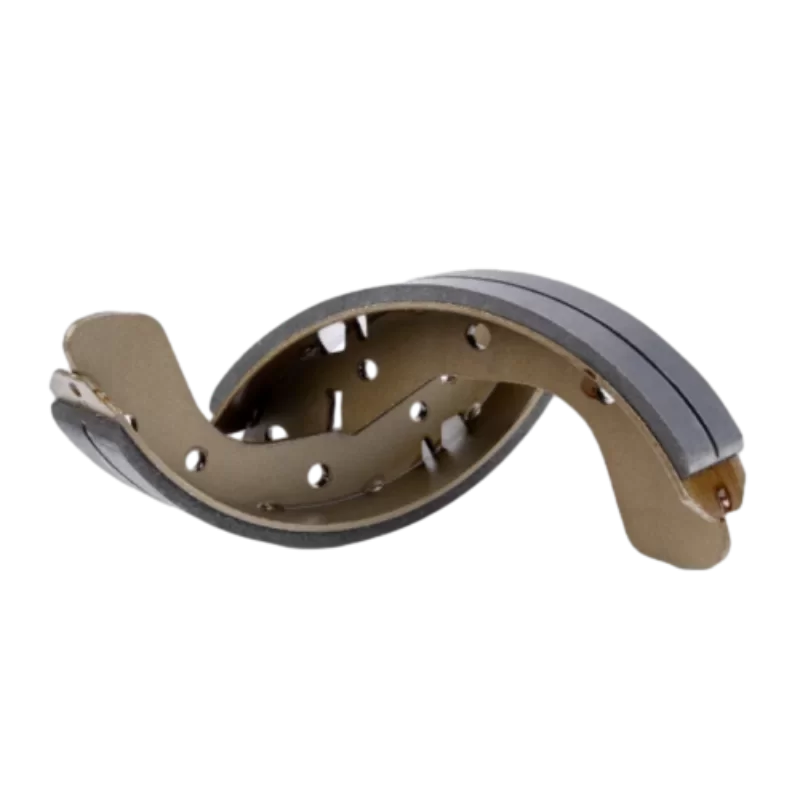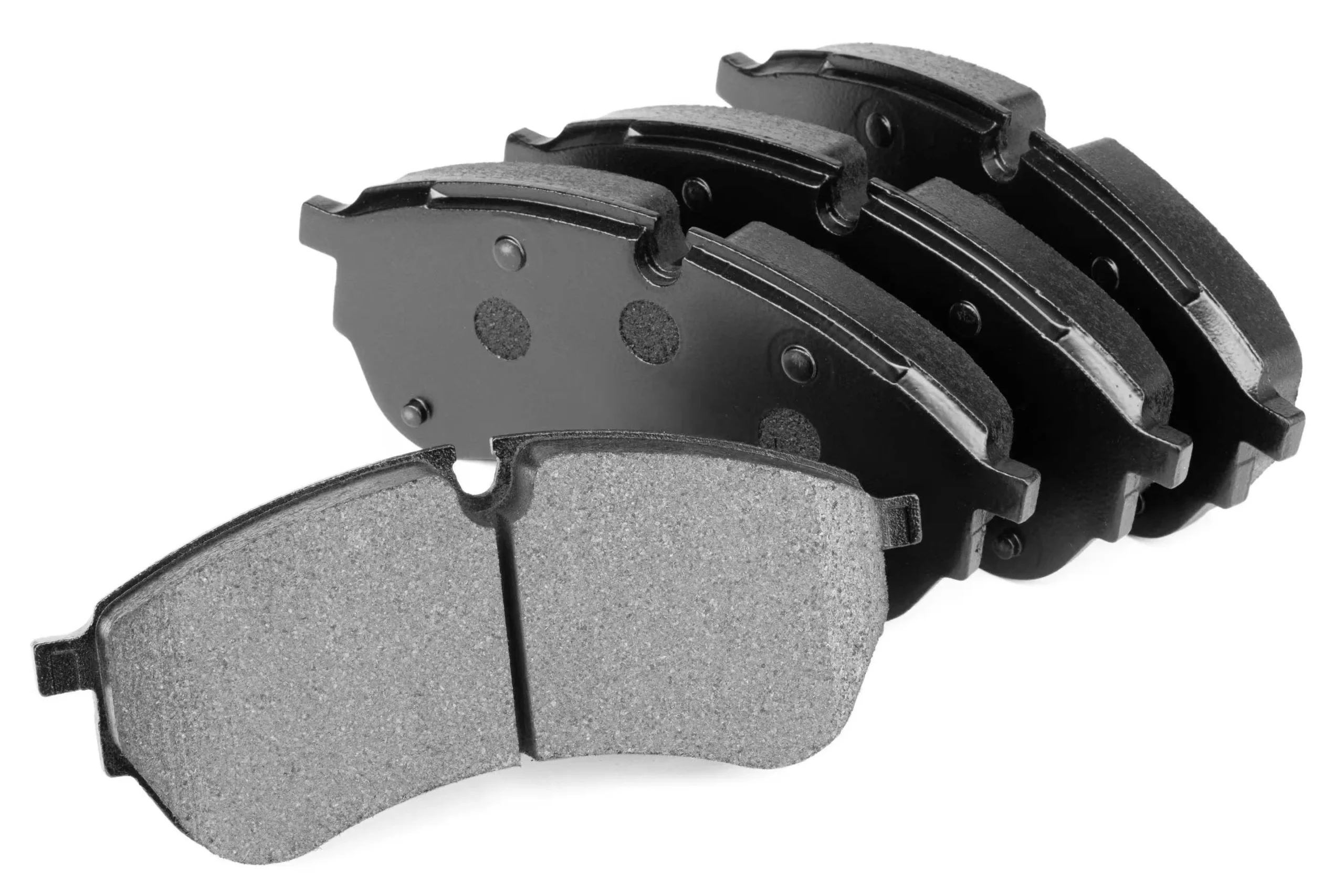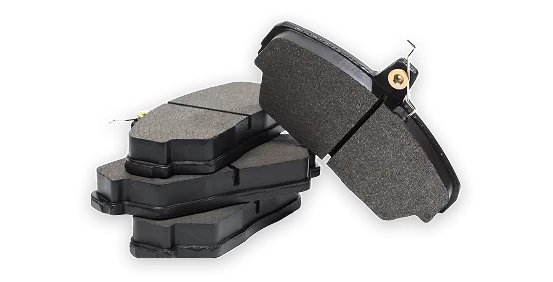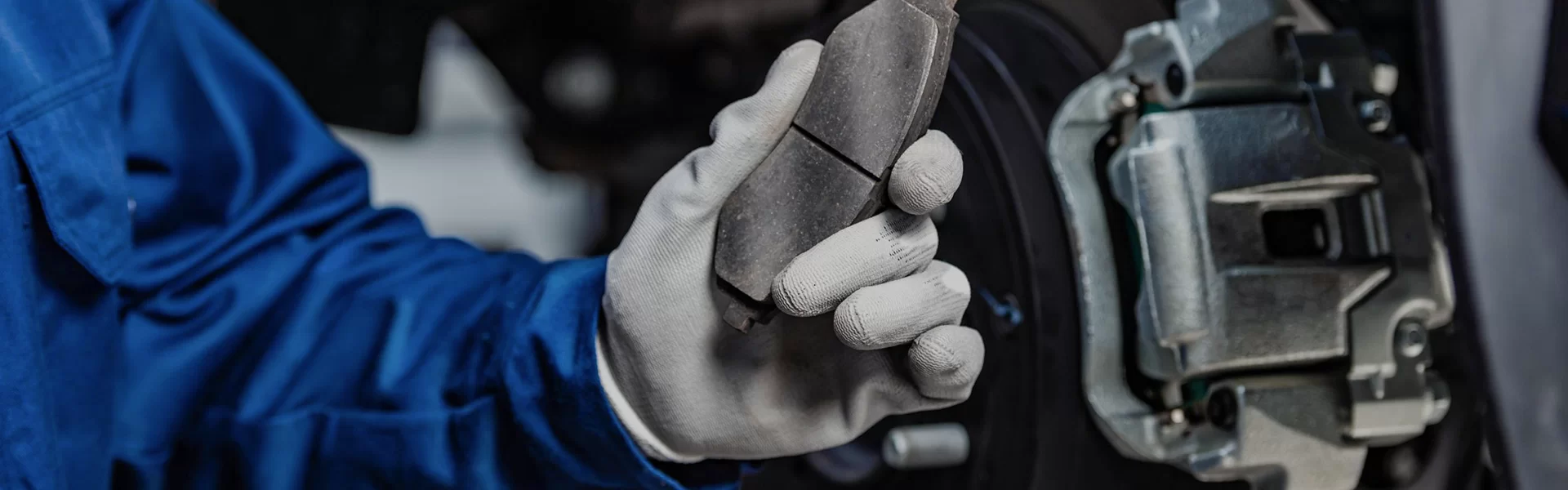
Finding the right brake pads for your car at a competitive price is crucial for both safety and maintaining your vehicle. This article will explore the factors influencing brake pad costs, different types available, and how to choose the best option for your needs. We'll also highlight the benefits of choosing quality brake pads from a reliable supplier like KY Brake Pad. Understanding these details will empower you to make an informed decision and ensure optimal braking performance.

The price of brake pads varies widely based on several key factors. The material used is a major determinant – ceramic, organic, and metallic brake pads all have different manufacturing costs and performance characteristics. Vehicle type also plays a significant role; luxury cars and performance vehicles typically require more expensive brake pads. Brand reputation and warranty coverage are additional price influencers. Finally, the retailer’s markup and any ongoing sales or promotions can affect the final cost. It's crucial to consider these factors to determine what represents a fair price for your specific vehicle and driving needs.
Key Takeaways: Brake pad price is affected by material, vehicle type, brand, warranty, and retailer. A balance of price and performance is key.
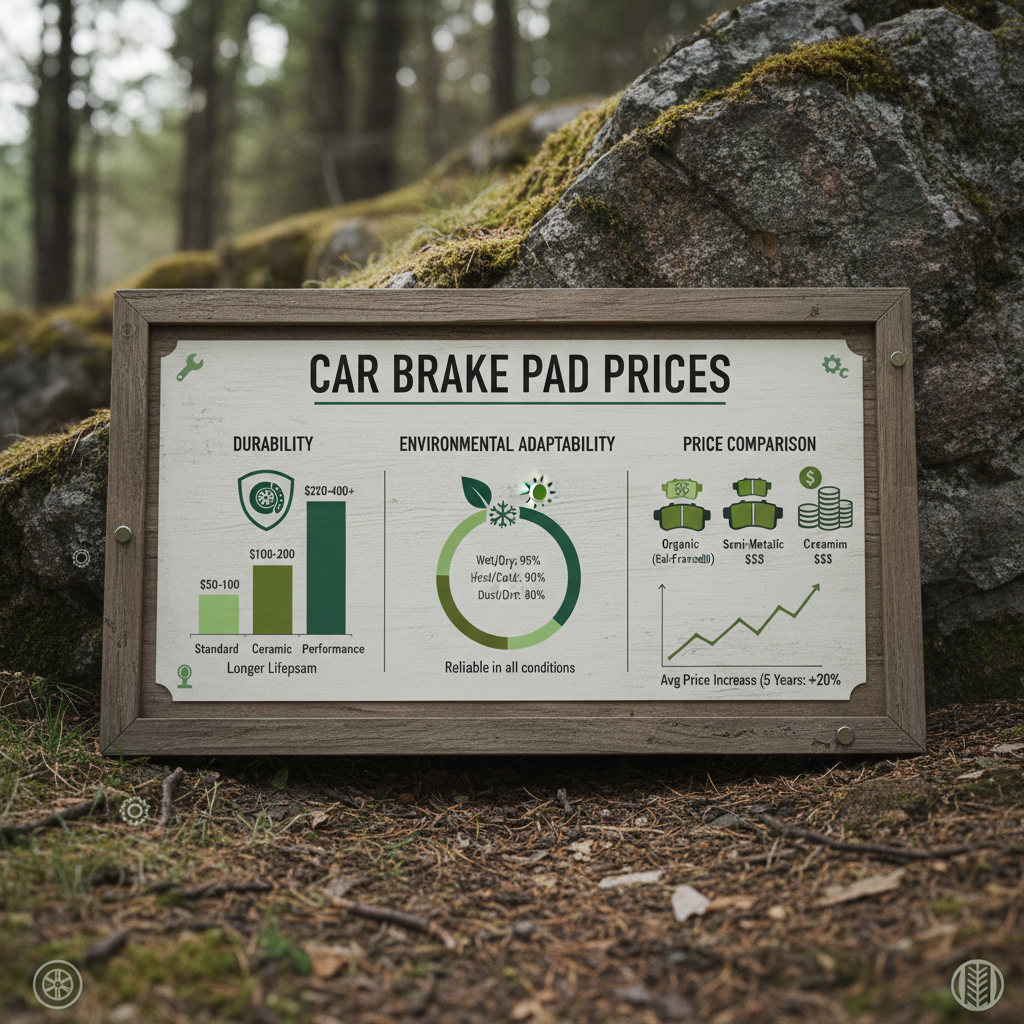
Different types of brake pads offer varying levels of performance, durability, and noise levels, all impacting their price. Organic brake pads are the most affordable, typically ranging from $30-$60 per set, but they wear quickly and generate more dust. Semi-metallic brake pads, priced between $40-$80, offer better stopping power and durability but can be noisy. Ceramic brake pads, known for their quiet operation and low dust, usually cost $60-$120 per set. Finally, performance brake pads, designed for high-performance vehicles, can exceed $150 per set. KY Brake Pad offers a wide variety of options for different budgets and needs.
Brake Pad Type Comparison:
• Organic: Lowest cost, high dust, quick wear.
• Semi-Metallic: Good stopping power, moderate noise.
• Ceramic: Quiet operation, low dust, higher cost.
• Performance: Maximum stopping power, highest cost.
The automotive aftermarket offers numerous brake pad brands, each with its own pricing structure and reputation. Bosch, a well-known brand, typically charges $50-$100 per set, while Wagner falls in the $40-$80 range. Akebono, known for ceramic pads, often prices sets between $70-$130. KY Brake Pad provides competitive pricing, often undercutting these brands while maintaining high quality and performance. Considering customer reviews and warranty terms is essential when comparing brands.
Beyond price, several factors should influence your brake pad selection. Your driving habits – aggressive or moderate – dictate the type of pad best suited for your needs. If you frequently engage in hard braking or drive in challenging conditions, high-performance pads are recommended. Consider your vehicle type and its braking system requirements. Always prioritize quality and reliability, even if it means paying a slightly higher price. A well-maintained braking system is paramount for your safety and the safety of others on the road.
At KY Brake Pad, we are committed to providing high-quality brake pads at competitive prices. We offer a comprehensive range of options to suit various vehicle types and driving styles. Our brake pads are manufactured using premium materials and undergo rigorous testing to ensure optimal performance and reliability. We also offer excellent customer service and a satisfaction guarantee. Choosing KY Brake Pad means investing in both your safety and your wallet.
Choosing the right brake pads doesn't have to be complicated. By understanding the factors that influence brake pads for car price, and by prioritizing quality and reliability, you can ensure a safe and confident driving experience. Explore the wide selection of premium brake pads available at KY Brake Pad today!
Brake pad replacement frequency depends on driving habits, vehicle type, and the quality of the pads. Typically, brake pads need to be replaced every 25,000 to 70,000 miles. However, it's essential to regularly inspect your brake pads for wear and tear. Signs that indicate a need for replacement include squealing noises, reduced braking performance, or visible wear on the pads. Ignoring these signs can compromise your safety and lead to more expensive repairs down the road. At KY Brake Pad, we recommend a professional brake inspection at least once a year.
While it's possible to replace brake pads yourself, it requires mechanical knowledge, the right tools, and careful attention to detail. Improper installation can lead to brake failure and serious safety risks. If you're not comfortable with the process, it's best to leave it to a qualified mechanic. KY Brake Pad recommends professional installation for optimal safety and performance.
Brake pads create friction against the brake rotors to slow down or stop your vehicle. Brake pads are the consumable component and need to be replaced periodically, while rotors are the metal discs that the pads clamp onto. While rotors generally last longer than pads, they can also wear down, become warped, or develop grooves. It's often recommended to replace or resurface rotors when replacing brake pads to ensure optimal braking performance. KY Brake Pad offers both brake pads and rotors.
Ceramic brake pads offer several advantages, including quiet operation, low dust production, and long lifespan. While they typically cost more than organic or semi-metallic pads, they often provide better overall value in the long run due to their durability and reduced maintenance. If you prioritize a quiet ride and minimal brake dust, ceramic brake pads are a worthwhile investment. KY Brake Pad offers a range of ceramic pads to fit your budget and needs.