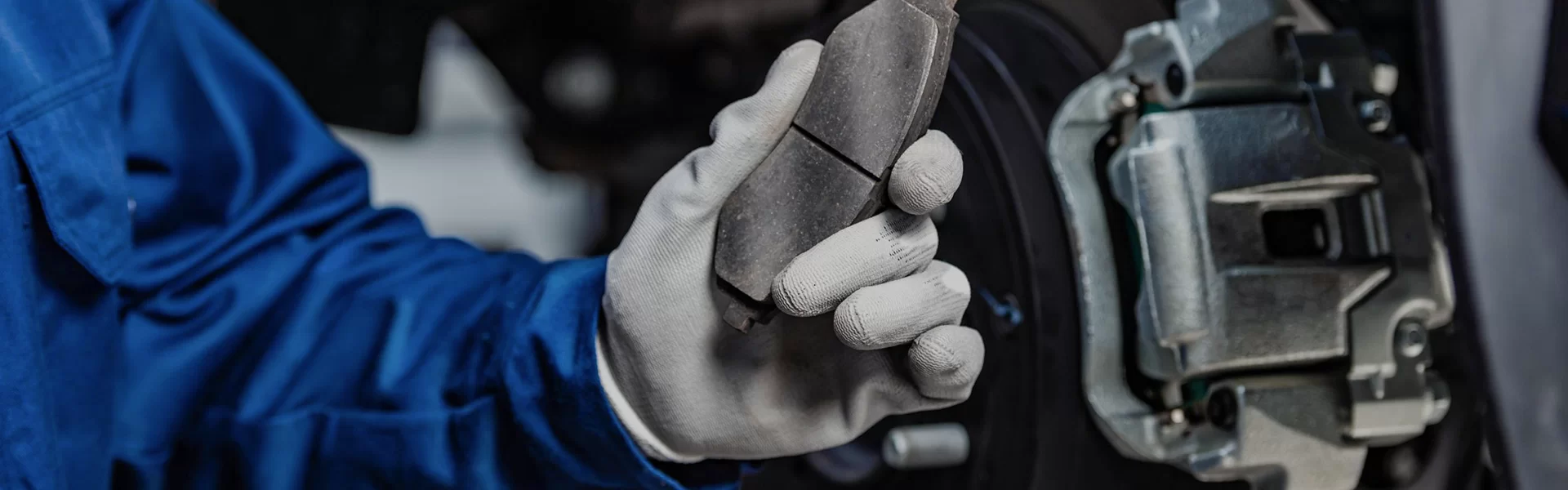
Brake performance is one of the most crucial safety aspects of any vehicle—whether it’s a passenger car, motorcycle, industrial vehicle, or even a locomotive. Among braking components, brakes and shoes play a central role in ensuring smooth stops, stable control, and long-term reliability. This article explores the functions, types, and applications of brakeshoe technology while providing insights into specialty options such as c70 shoes, camper brake shoes, cast iron brake shoes, cast iron locomotive brake shoes, and even budget-friendly cheap brake shoes for cost-conscious buyers.
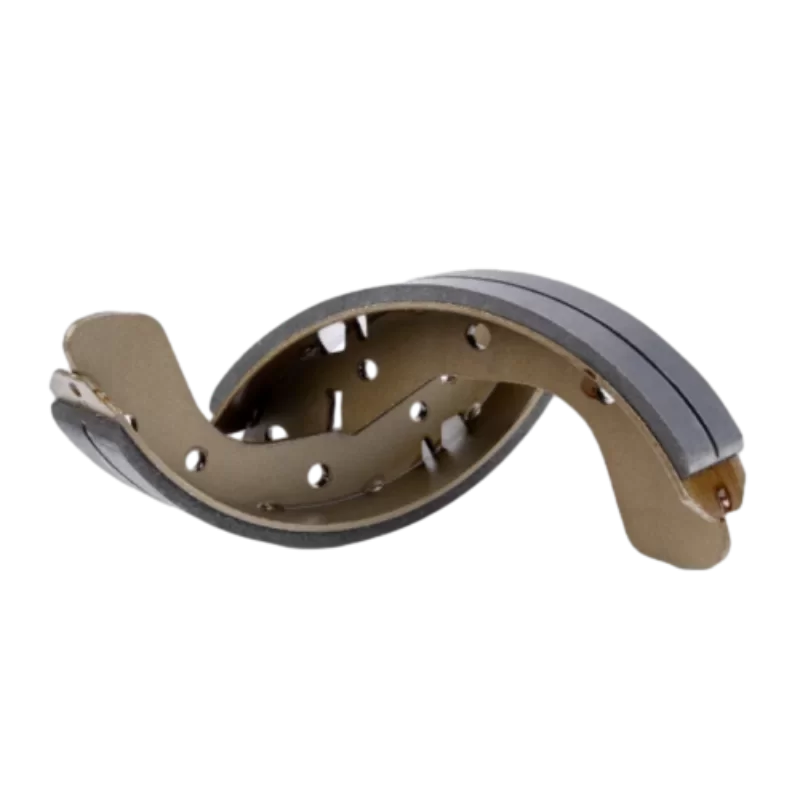
Brake shoes are curved friction components located inside a drum brake system. When the driver applies the brakes, hydraulic pressure forces the brake shoes outward against the drum, generating the friction necessary to slow or stop the vehicle. Though disc brakes are common in modern cars, drum brakes and brakeshoe systems remain widely used in trucks, motorcycles, industrial machinery, and railway equipment due to their strength, durability, and affordability.
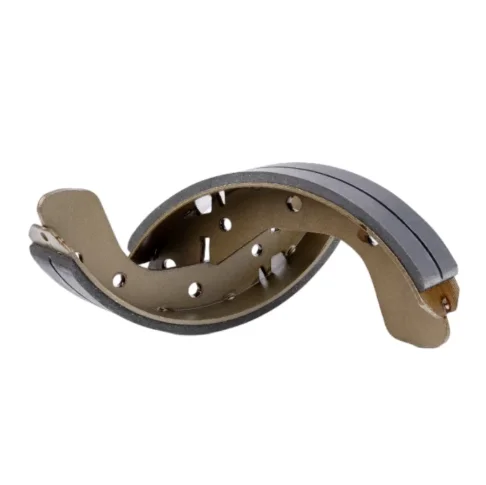
A typical brake shoe assembly includes:
Brake shoe frame: A rigid metal backing that holds the lining.
Brake lining: The friction material that makes contact with the brake drum.
Return springs: Components that pull the shoes back when the brake is released.
Wheel cylinder: Applies force to the shoes.
Proper pairing of brake shoes with the right drum size and vehicle type is essential for safety and performance.
Different vehicles require specially designed shoes to handle unique loads, environments, and braking demands.
These are often used for motorcycles or mid-sized vehicles such as Honda C70 models. c70 shoes are designed for lighter loads, quick installation, and dependable everyday use.
RVs and campers carry significantly more weight than small vehicles. camper brake shoes must offer enhanced thermal stability, high torque output, and resistance to fade during long downhill braking.
Many heavy-duty brake shoes feature cast iron for superior strength and resistance to heat. cast iron brake shoes are commonly used in trucks, industrial equipment, and agricultural vehicles.
Railway applications require shoes that can withstand intense friction, heavy loads, and extreme temperatures. cast iron locomotive brake shoes provide long service life and stable performance under the demanding conditions of rail operations.
Budget-friendly brake shoes exist for light-duty vehicles or customers prioritizing affordability. While safe and functional, cheap brake shoes are best suited for low-mileage or short-distance driving.
Selecting the correct brake shoes is critical whether you're a fleet manager, mechanic, or individual vehicle owner. Various factors influence the ideal choice:
Material affects durability, braking power, and noise levels.
Common materials include:
Non-asbestos organic (NAO)
Semi-metallic compounds
Full metallic or cast iron brake shoes
High-friction railway grades for cast iron locomotive brake shoes
Heavier vehicles require stronger braking systems. For example:
A motorcycle may use c70 shoes,
An RV requires camper brake shoes,
A train demands cast iron locomotive brake shoes.
Choose based on usage:
City driving → standard brakeshoe options
Mountain roads → high-temperature-resistant shoes
Industrial or railway environments → heavy-duty cast iron
While cheap brake shoes may be suitable for some users, heavy-load vehicles should always prioritize quality and durability over cost savings.
Always match brake shoes with the correct drum dimensions. Using the wrong specifications can severely reduce braking power and safety.
Brake shoes may seem like simple components, but they directly affect vehicle safety, stability, and performance. Whether you're selecting camper brake shoes for an RV, durable cast iron brake shoes for a heavy truck, or specialized cast iron locomotive brake shoes for railway operations, understanding the material, design, and application needs is essential. Even economical options like cheap brake shoes have their place when chosen wisely. By taking into account load capacity, driving environment, and compatibility, you can ensure that your braking system remains reliable and effective.
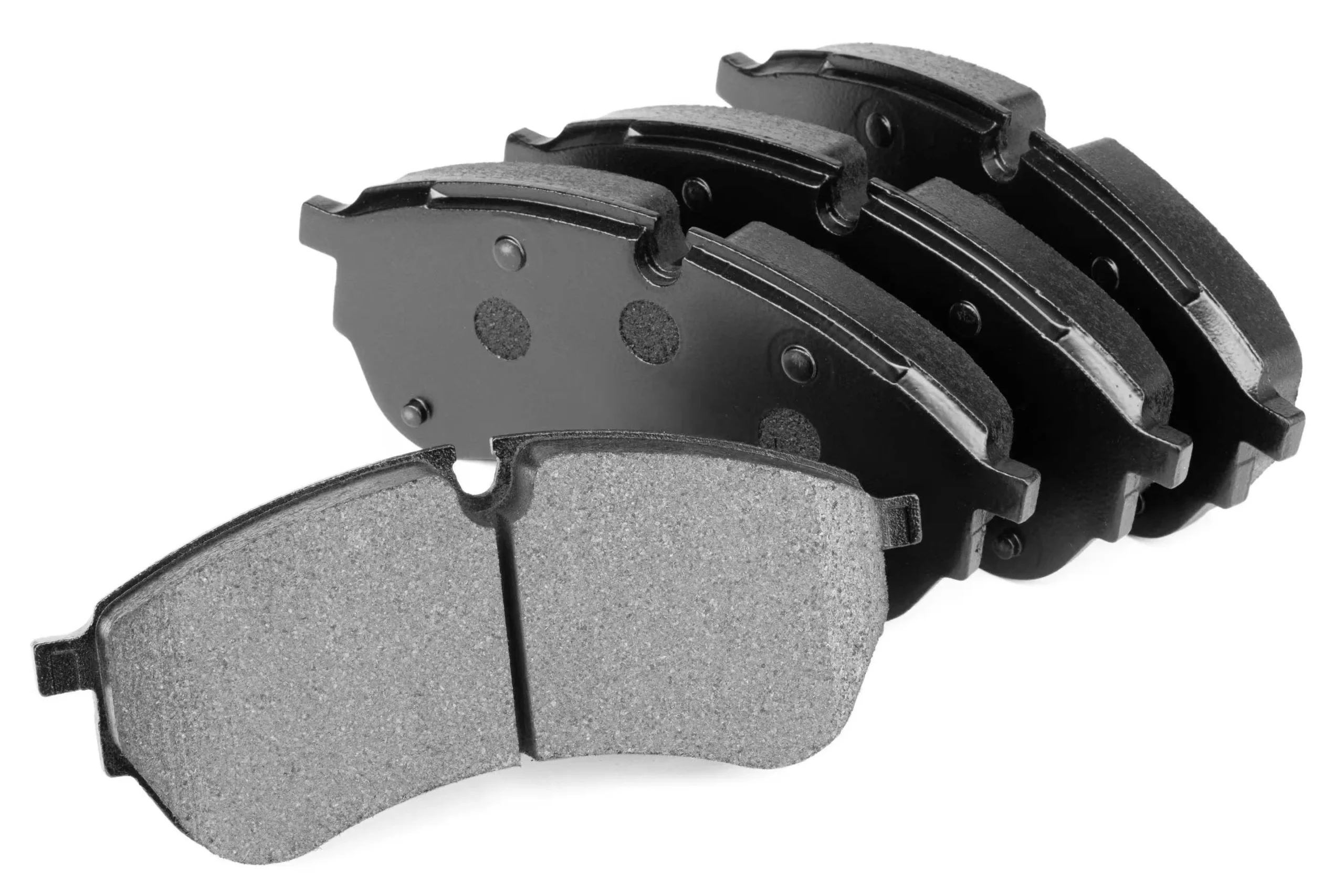
Brake shoes operate inside drum brakes, pressing outward to create friction. Brake pads are used in disc brakes, pressing inward against a rotor. Both serve the same purpose but work in different braking systems.
Generally, no. c70 shoes are designed for specific models and drum sizes. Always check compatibility with your motorcycle’s specifications.
Cast iron brake shoes provide superior strength, heat resistance, and durability, making them ideal for trucks, industrial machinery, and frequent braking scenarios.
Yes—if the vehicle is light-duty and driven in normal, low-stress conditions. For heavy loads or commercial use, higher-grade brake shoes are strongly recommended.
They can withstand extreme temperatures, heavy loads, and long braking cycles, offering long life and reliable performance in rail environments.