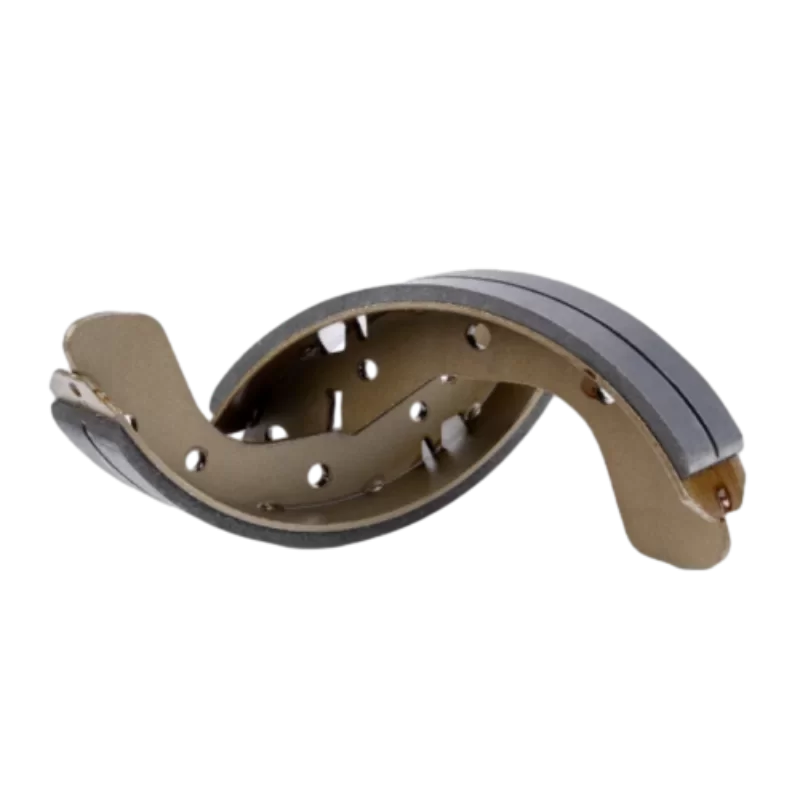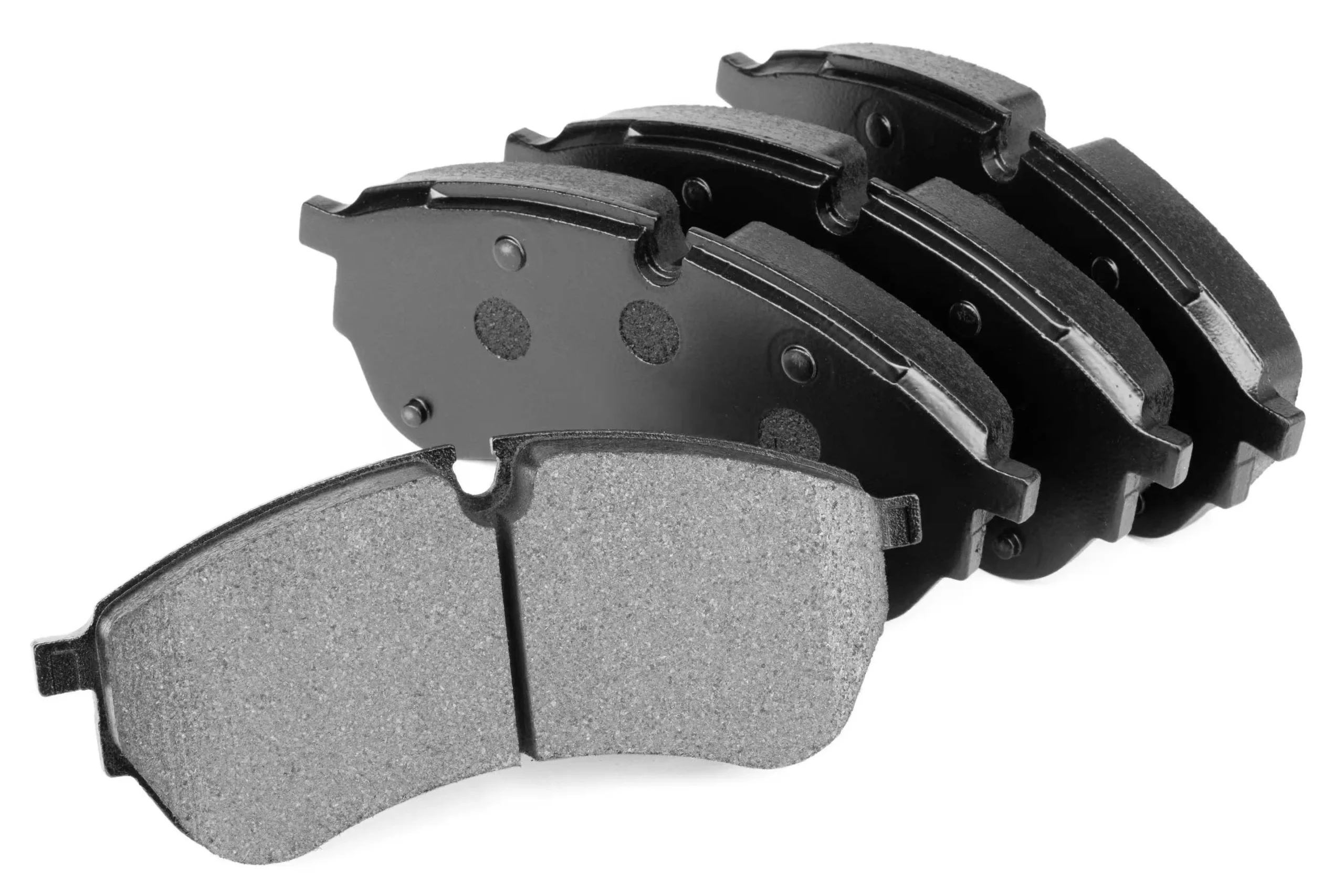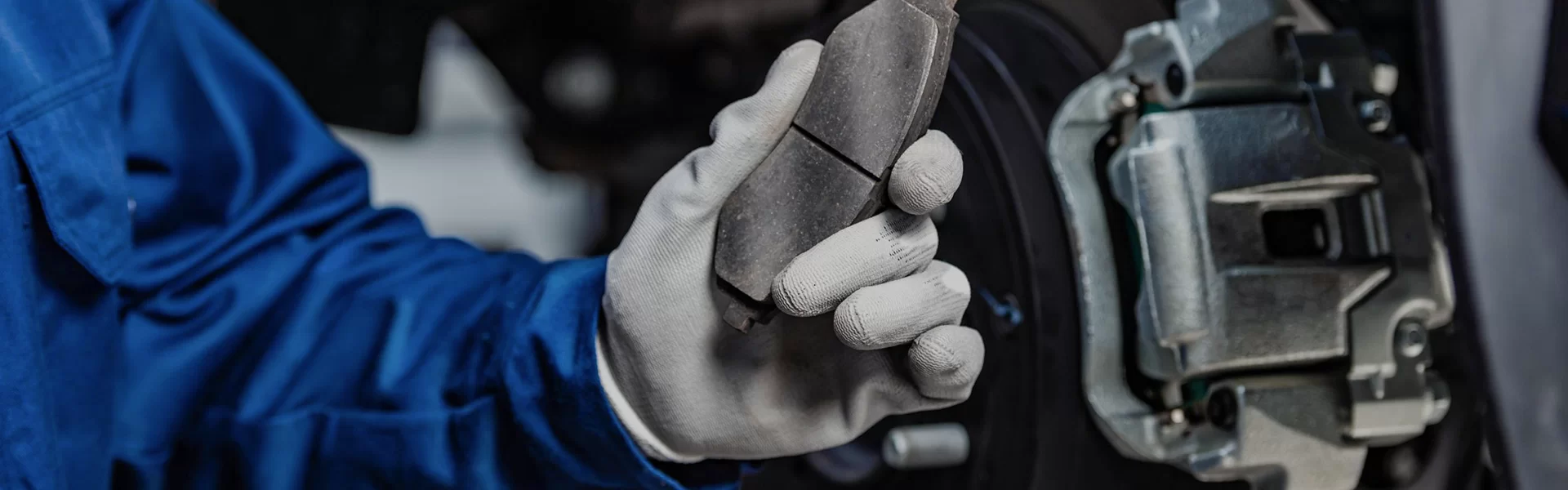
When considering brake pad upgrades for your vehicle, diamond brake pads often emerge as a premium option. These pads utilize a unique coating technology to enhance performance, durability, and overall braking efficiency. But what influences the diamond brake pads price, and are they the right choice for your driving needs? This article will delve into the factors affecting cost, explore the benefits of diamond coating, and help you determine if this investment is worthwhile. Choosing the right brake pads is essential for your safety and the longevity of your braking system.
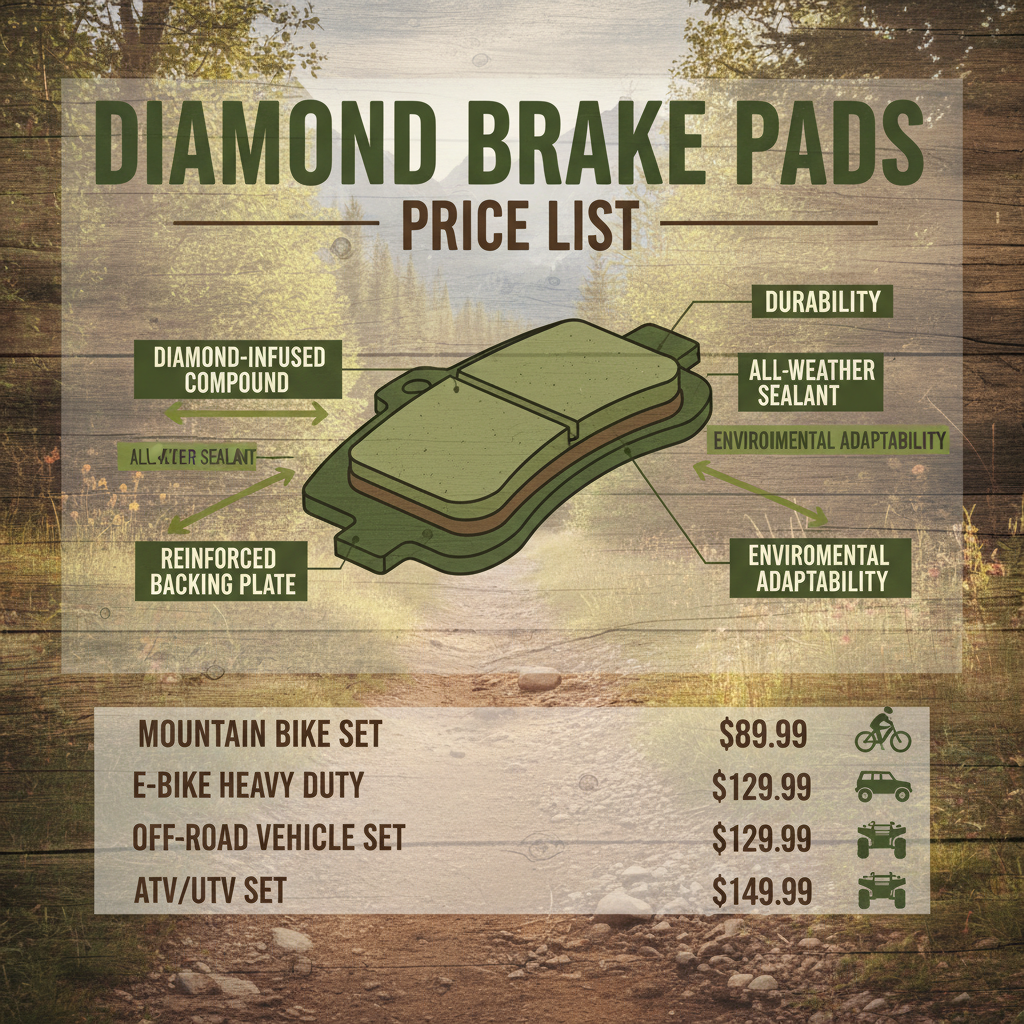
Several factors contribute to the diamond brake pads price. The primary one is the advanced coating process itself. Applying the diamond-like carbon (DLC) coating requires specialized equipment and precision, adding to the manufacturing cost. Vehicle-specific applications also play a role – pads designed for high-performance vehicles or those with complex braking systems generally cost more. Brand reputation and material quality further influence the price point. Generally speaking, you can expect to pay a premium compared to standard ceramic or semi-metallic brake pads, but the benefits often justify the investment.
Key Takeaway: The diamond coating technology, vehicle compatibility, and brand recognition are the major factors that elevate the price of these brake pads.
The diamond coating isn't just for show; it offers significant performance advantages. The DLC coating drastically reduces brake dust, keeping your wheels cleaner for longer. It also minimizes noise, providing a quieter braking experience. More importantly, the coating enhances friction consistency, resulting in improved stopping power and more predictable braking performance, especially in varying weather conditions. This increased friction consistency also contributes to longer pad life, potentially saving you money in the long run. KY Brake Pad's diamond coating process ensures superior quality and durability.
Diamond Coating Advantages:
• Reduced brake dust
• Minimal noise
• Improved stopping power
• Enhanced friction consistency
Let’s examine a price comparison between different types of brake pads to provide a clearer understanding of where diamond brake pads fit within the market. Prices can vary based on vehicle make and model, retailer, and promotions. The following provides a general estimate:
Diamond brake pads are an excellent choice for drivers who prioritize performance, longevity, and a clean wheel aesthetic. Specifically, they are well-suited for:

While the initial diamond brake pads price is higher than traditional options, the benefits – enhanced performance, reduced brake dust, quieter operation, and extended lifespan – make them a worthwhile investment for many drivers. KY Brake Pad offers a wide range of diamond-coated brake pads to fit various vehicles and driving styles. Consider your driving needs and priorities to determine if this upgrade is right for you. Investing in quality brake pads is an investment in your safety and peace of mind.
Diamond brake pads generally last longer than traditional brake pads, often exceeding 50,000 - 80,000 miles, depending on driving conditions and habits. The diamond coating reduces wear and tear, extending their usable life. However, factors like aggressive driving, frequent braking, and road conditions can affect lifespan. Regularly inspect your brake pads for wear and replace them when necessary, even if they haven't reached the estimated mileage.
While diamond brake pad technology is versatile, not all vehicles are compatible. It's crucial to check compatibility with your specific make and model before purchasing. KY Brake Pad’s website offers a vehicle lookup tool to ensure you select the correct pads for your car or truck. Using the incorrect brake pads can compromise braking performance and safety.
Yes, like most performance brake pads, diamond brake pads benefit from a break-in period. This typically involves several gentle stops from moderate speeds to properly seat the pads against the rotors. Avoid hard braking during the break-in period (usually around the first 200-300 miles). Following the manufacturer's recommended break-in procedure will optimize braking performance and pad life.
Diamond brake pads significantly reduce brake dust compared to traditional pads, but they won’t eliminate it entirely. The diamond coating minimizes pad wear, which is the primary source of brake dust. However, some dust generation is still normal, as a small amount of friction material is inevitably transferred to the rotors during braking. Nevertheless, the reduction in dust is substantial, leading to cleaner wheels and less maintenance.