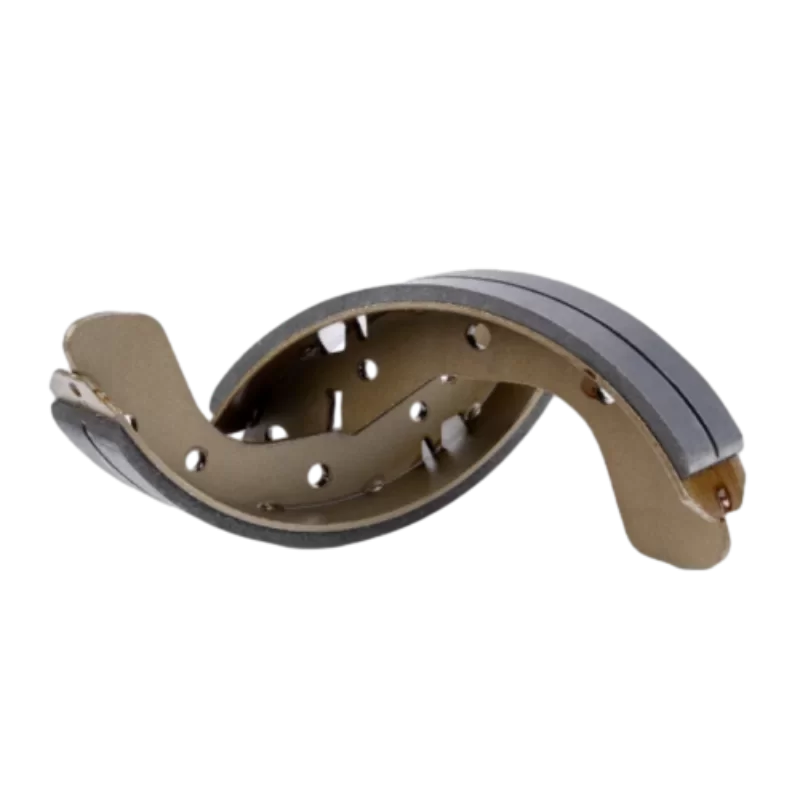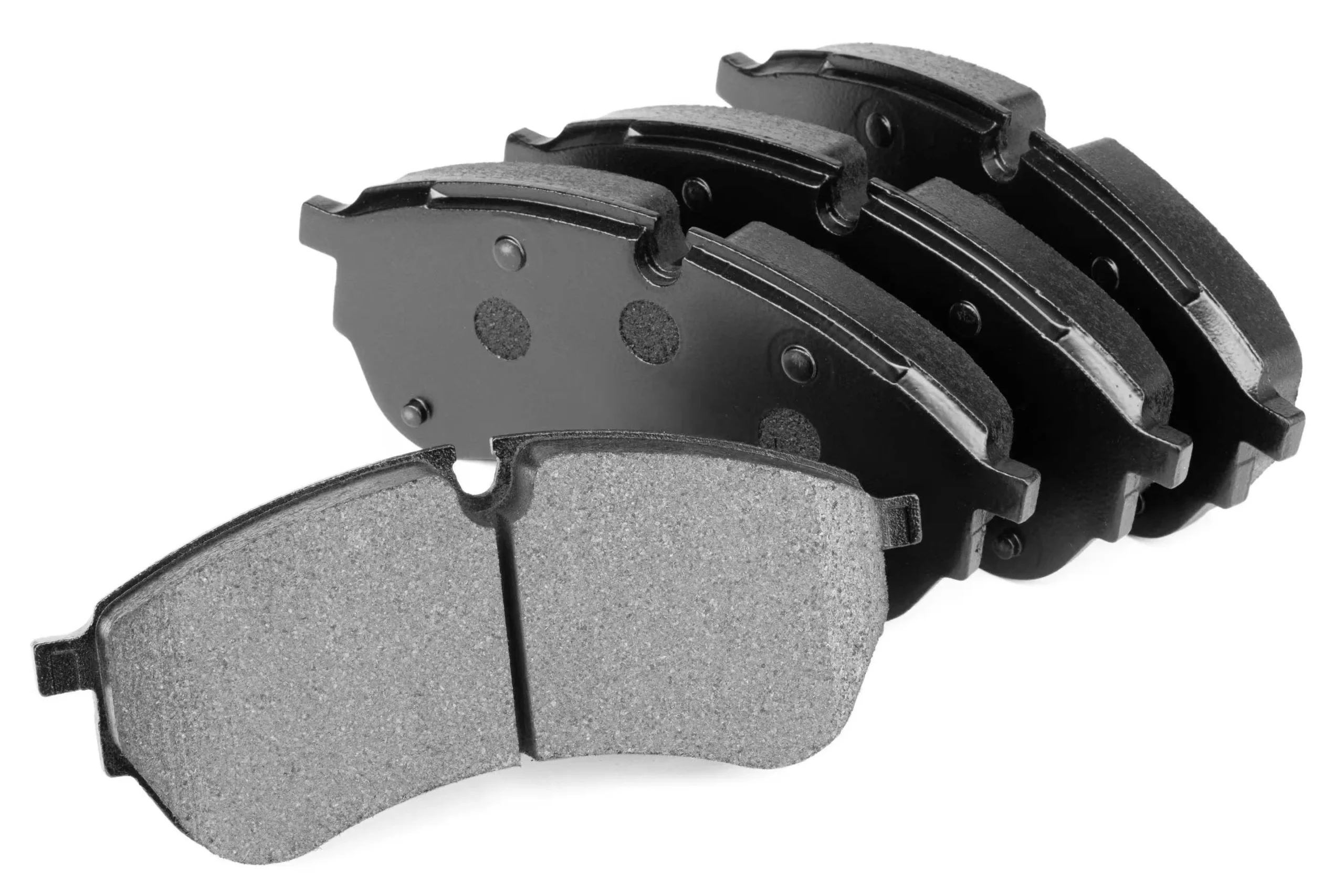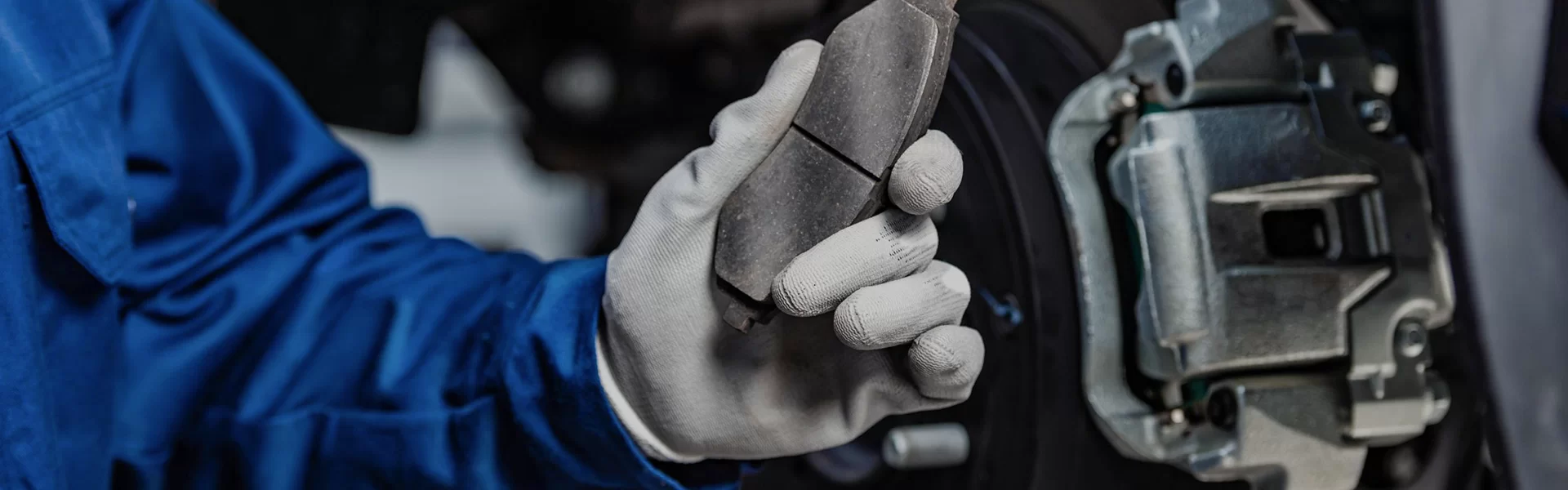
Choosing the right brake pads is crucial for vehicle safety and performance. Indigo brake pads are known for their reliability and stopping power, but understanding the indigo brake pad price is essential for making an informed decision. This article will delve into the factors that influence the cost, compare them to other brands, and provide a detailed overview of what you can expect when purchasing from KY Brake Pad. We'll explore the different types of Indigo brake pads available and how price correlates with performance and vehicle type.
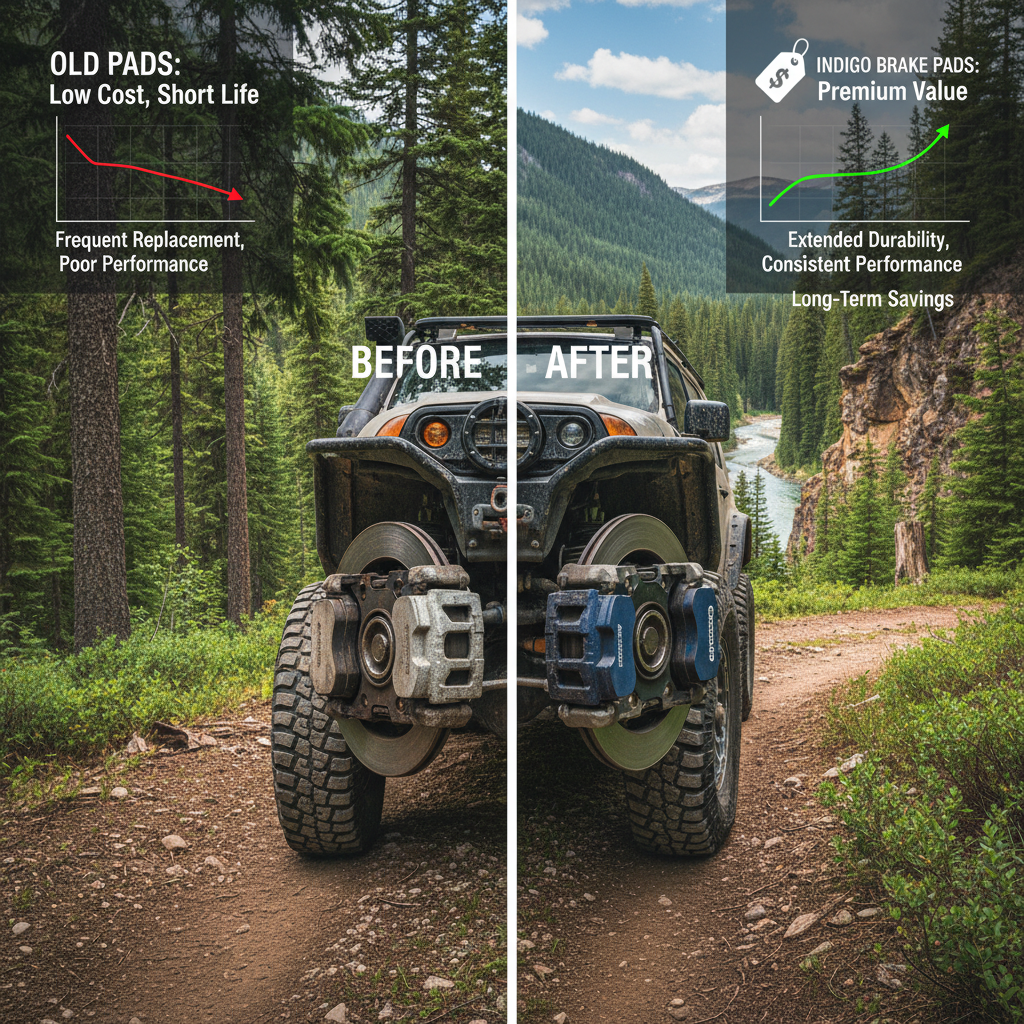
Several factors contribute to the final price of Indigo brake pads. These include the type of pad (organic, semi-metallic, or ceramic), the vehicle's make and model, and the retailer you choose. Higher-performance ceramic pads generally cost more than organic pads due to the materials and manufacturing processes involved. The complexity of your vehicle’s braking system also plays a role; some vehicles require more specialized pads, increasing their price. Furthermore, buying directly from manufacturers like KY Brake Pad might offer different pricing compared to auto parts stores.
Key Highlights: Price is affected by pad type, vehicle specifics, and the vendor. Ceramic pads are typically more expensive than organic pads.
The indigo brake pad price can vary significantly depending on the factors mentioned above. Here's a general price range based on pad type, as offered by KY Brake Pad:
When comparing Indigo brake pads to competitors like Bosch, Brembo, or Wagner, the price point is generally competitive, particularly for semi-metallic and ceramic options. While premium brands like Brembo often command a higher price, Indigo provides a good balance of performance and affordability. The KY Brake Pad catalog consistently offers competitive pricing and frequently runs promotions, making them a cost-effective choice.
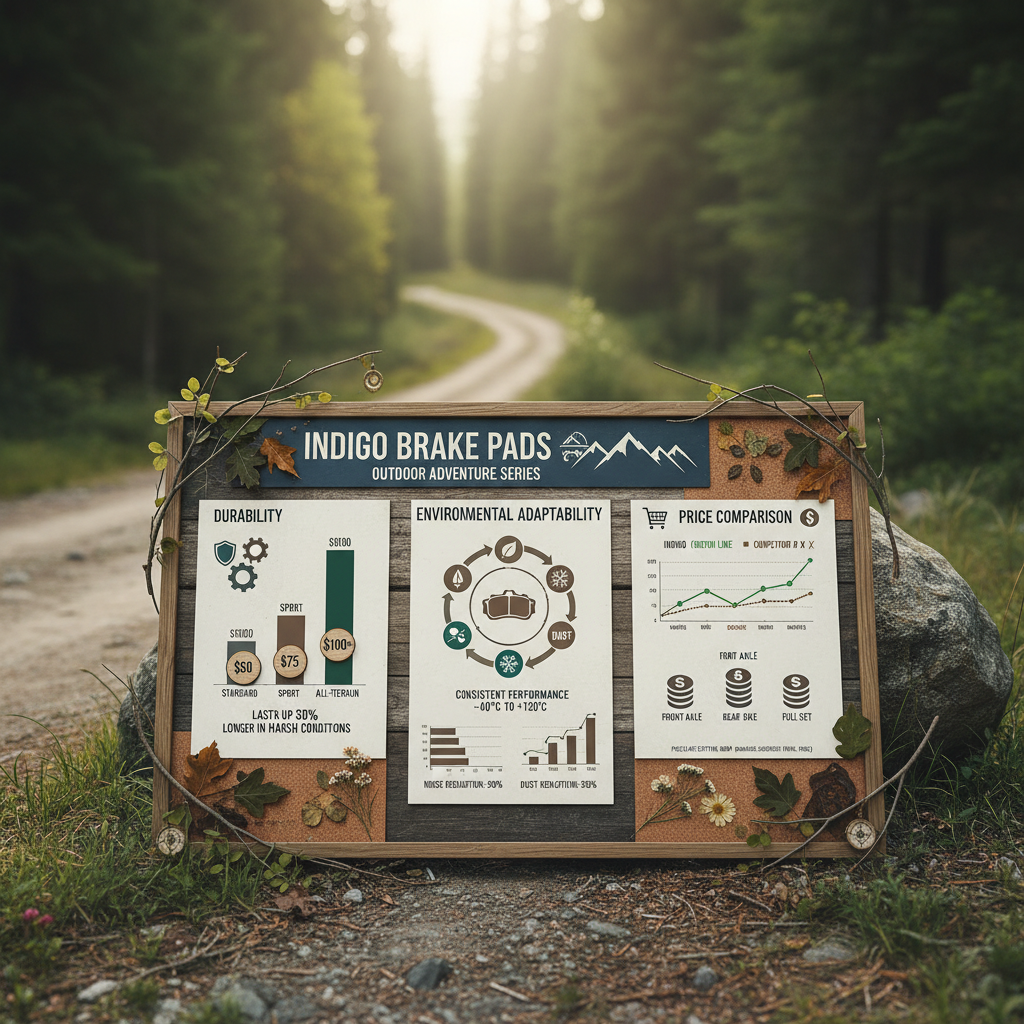
Choosing KY Brake Pad offers several advantages. They specialize in brake pad solutions, ensuring a wide selection of Indigo brake pads compatible with various vehicle models. They also prioritize quality control and offer excellent customer service. Direct sourcing from KY Brake Pad often results in lower prices and faster shipping times.
Before purchasing, consider your driving habits and vehicle type. If you primarily engage in city driving with frequent stops, ceramic pads might be the best choice. For heavier vehicles or those used for towing, semi-metallic pads offer superior stopping power. Always ensure the brake pads you select are compatible with your vehicle's braking system and meet the manufacturer’s specifications. Consulting with a mechanic can help you determine the most suitable type for your needs. The KY Brake Pad website provides a vehicle lookup tool to ensure compatibility.
Investing in quality brake pads is vital for safety. The indigo brake pad price, combined with the performance and reliability offered by KY Brake Pad, make it a smart choice for vehicle maintenance. By understanding your driving needs and the different types of brake pads available, you can ensure optimal braking performance and peace of mind.
The lifespan of brake pads varies depending on driving conditions and habits. Generally, brake pads should be inspected every 6,000-8,000 miles and replaced when the remaining friction material is less than 3mm. Factors like aggressive braking, frequent city driving, and heavy loads can shorten their lifespan. It’s also important to check for uneven wear, which could indicate a problem with your braking system. Regular maintenance and timely replacement are crucial for maintaining optimal braking performance and avoiding damage to rotors.
Organic brake pads are made from non-metallic materials and are quiet and gentle on rotors, but they wear quickly and aren't ideal for heavy braking. Semi-metallic pads offer a good balance of performance and price, providing better stopping power but potentially causing more rotor wear. Ceramic pads are known for their excellent stopping power, low dust production, and long lifespan, making them a premium option. The best choice depends on your driving style and vehicle type.
Replacing brake pads is a manageable DIY project for experienced mechanics with the proper tools and knowledge. However, it’s crucial to understand the risks involved. Incorrect installation can lead to brake failure and serious accidents. If you’re unsure about any part of the process, it’s best to have a qualified mechanic perform the replacement. Ensure you follow the vehicle manufacturer's instructions and use the correct tools and parts.
Whether or not you need to replace your rotors depends on their condition. If the rotors are warped, scored, or below the minimum thickness specified by the manufacturer, they should be replaced along with the brake pads. Resurfacing rotors is an option if they're still within specifications, but it can weaken them over time. Replacing both pads and rotors ensures optimal braking performance and extends the lifespan of your braking system.