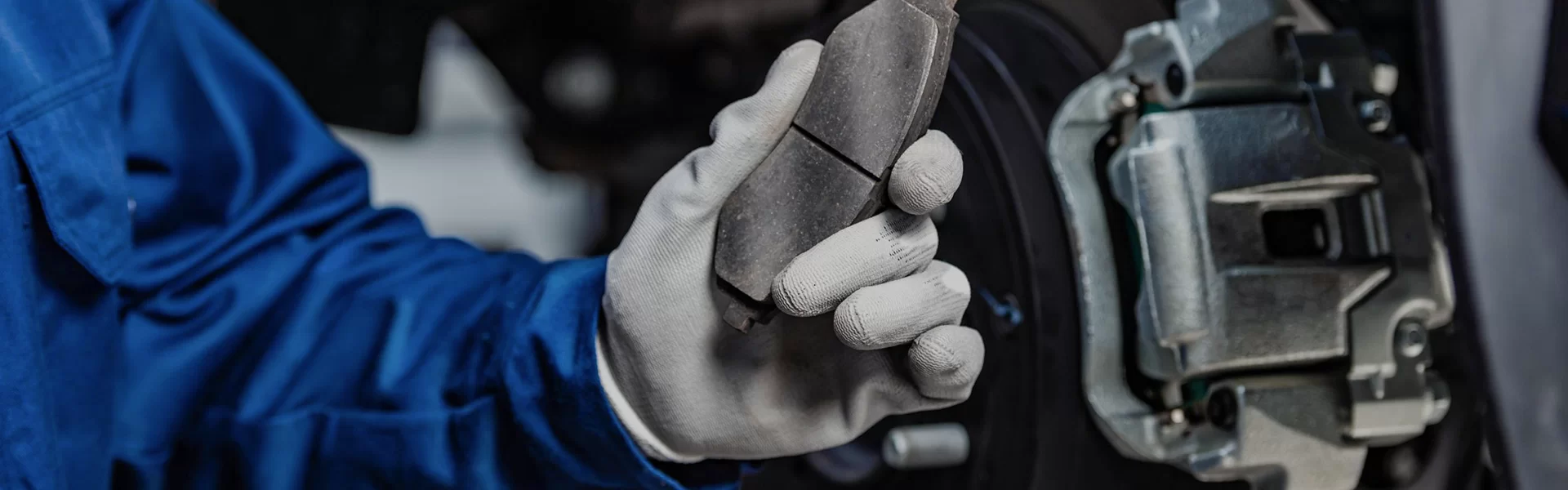
Replacing rear brakes is a crucial part of vehicle maintenance, ensuring safety and optimal performance. But how much does it typically cost? The average price for rear brake replacement can vary significantly based on several factors, including your vehicle's make and model, the type of brake pads and rotors used, and your location. This article will break down the costs, explain what influences them, and help you understand whether to tackle the job yourself or leave it to a professional. Maintaining reliable brakes is essential for safe driving, and knowing the associated costs is a great first step. KY Brake Pad offers high-quality brake components at competitive prices.
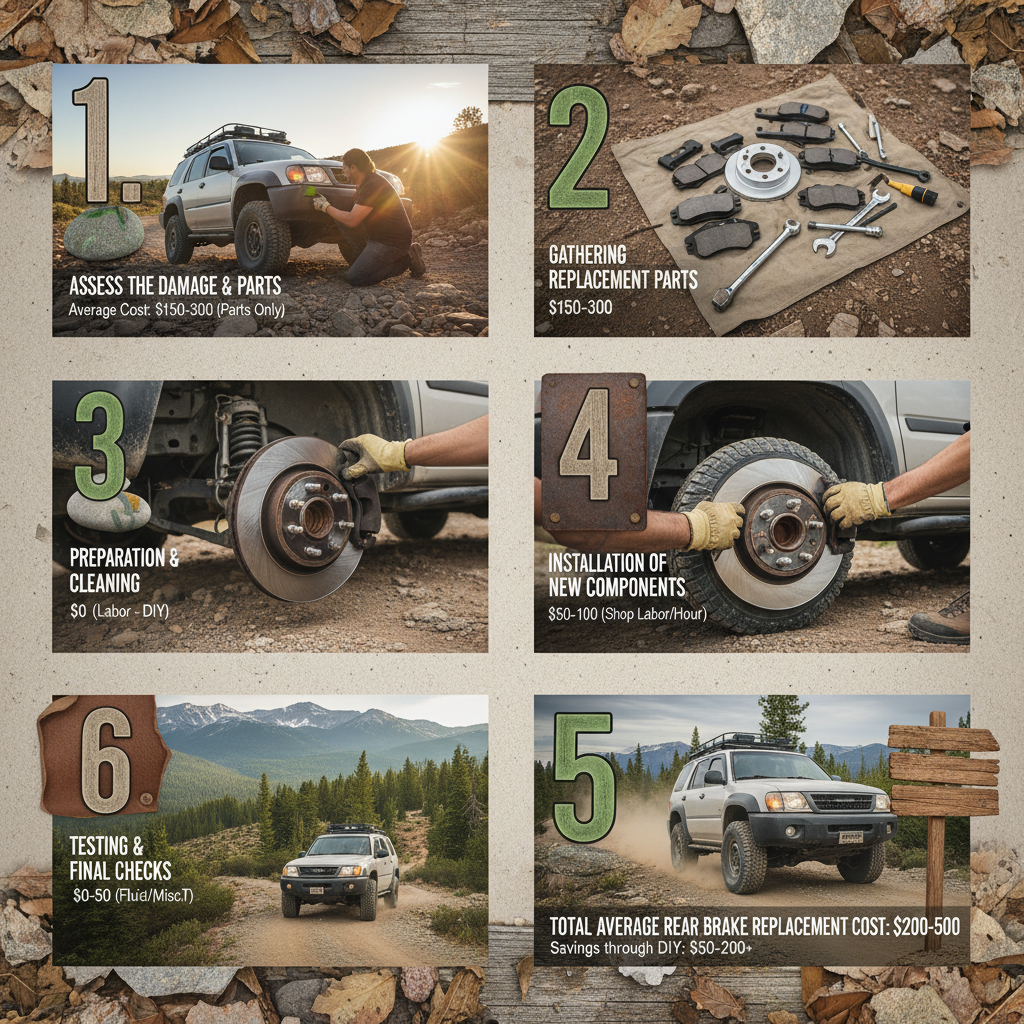
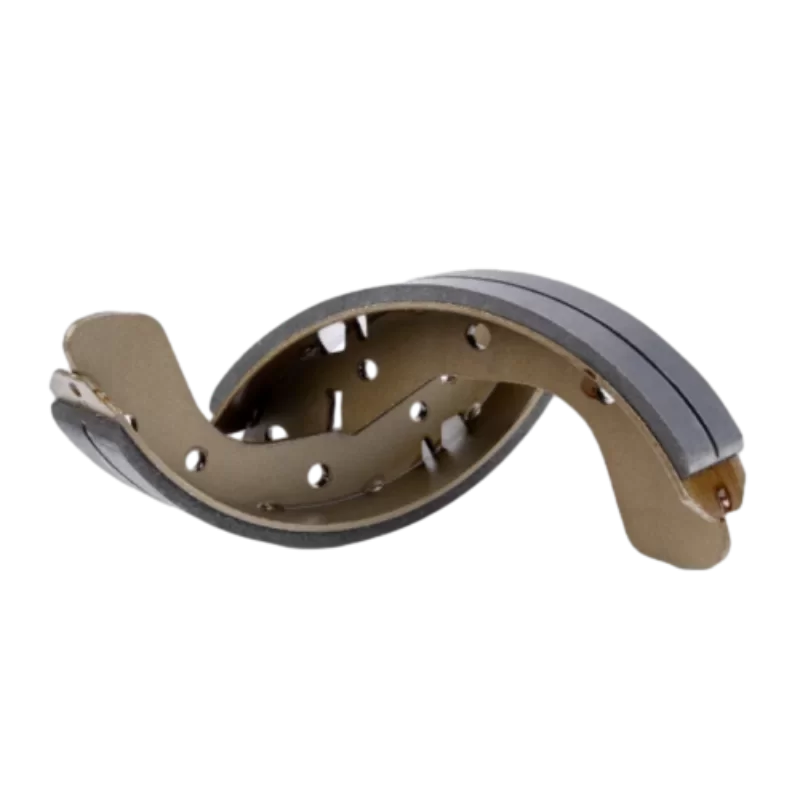
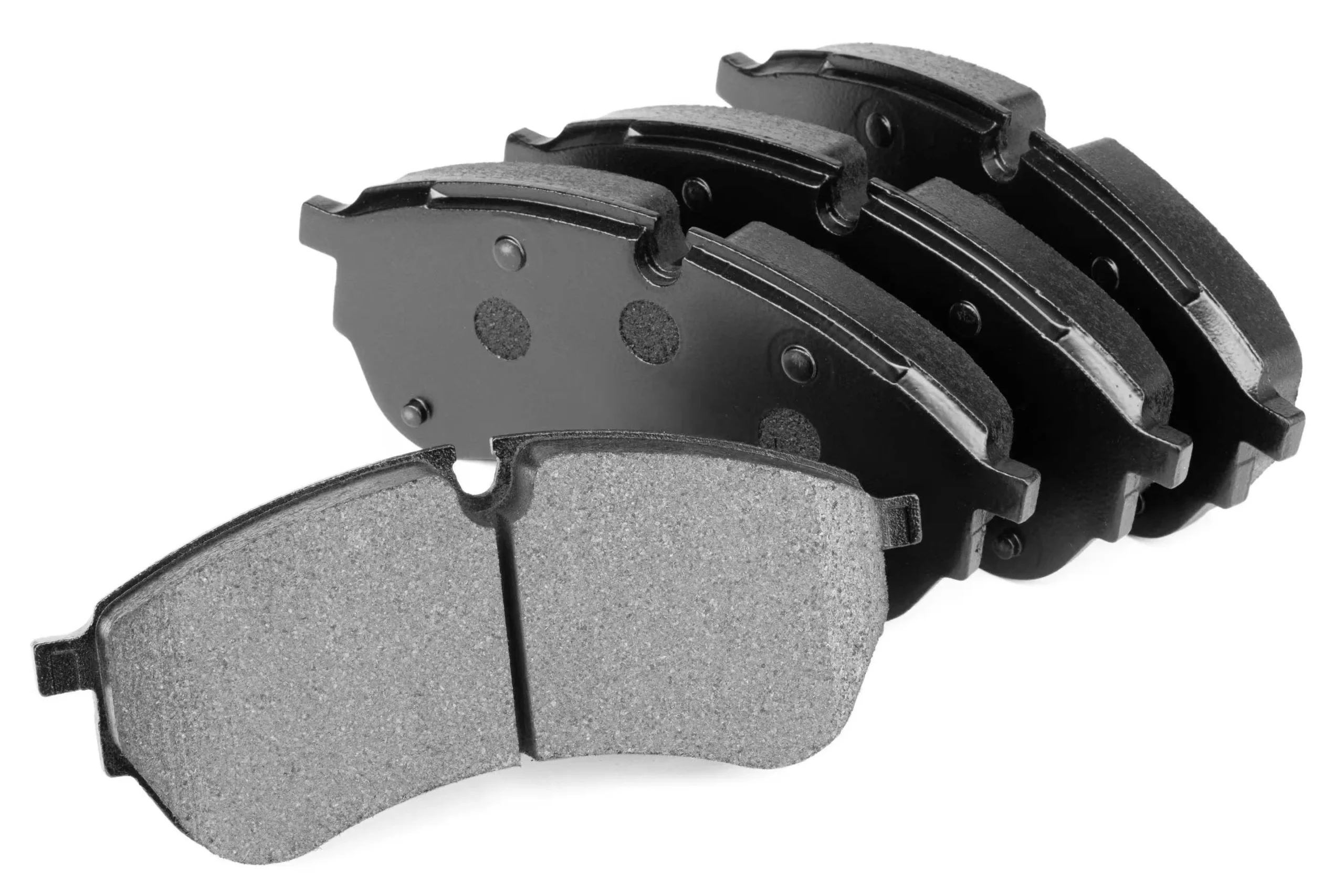
Several key factors determine the final price of a rear brake replacement. The most significant is the type of brake pads you choose. Organic pads are the most affordable but wear out quickly. Semi-metallic pads offer a good balance of price and performance. Ceramic pads are the most expensive but provide the best stopping power and are gentle on rotors. The condition of your rotors also plays a role; if they are warped or severely worn, they'll need to be resurfaced or replaced, adding to the cost. Labor rates vary widely depending on your location and the mechanic's experience. Finally, some vehicles require additional parts, such as new clips or sensors, which will increase the overall expense.
Key Considerations: Brake pad material, rotor condition, labor rates, and vehicle-specific components all impact the total cost.
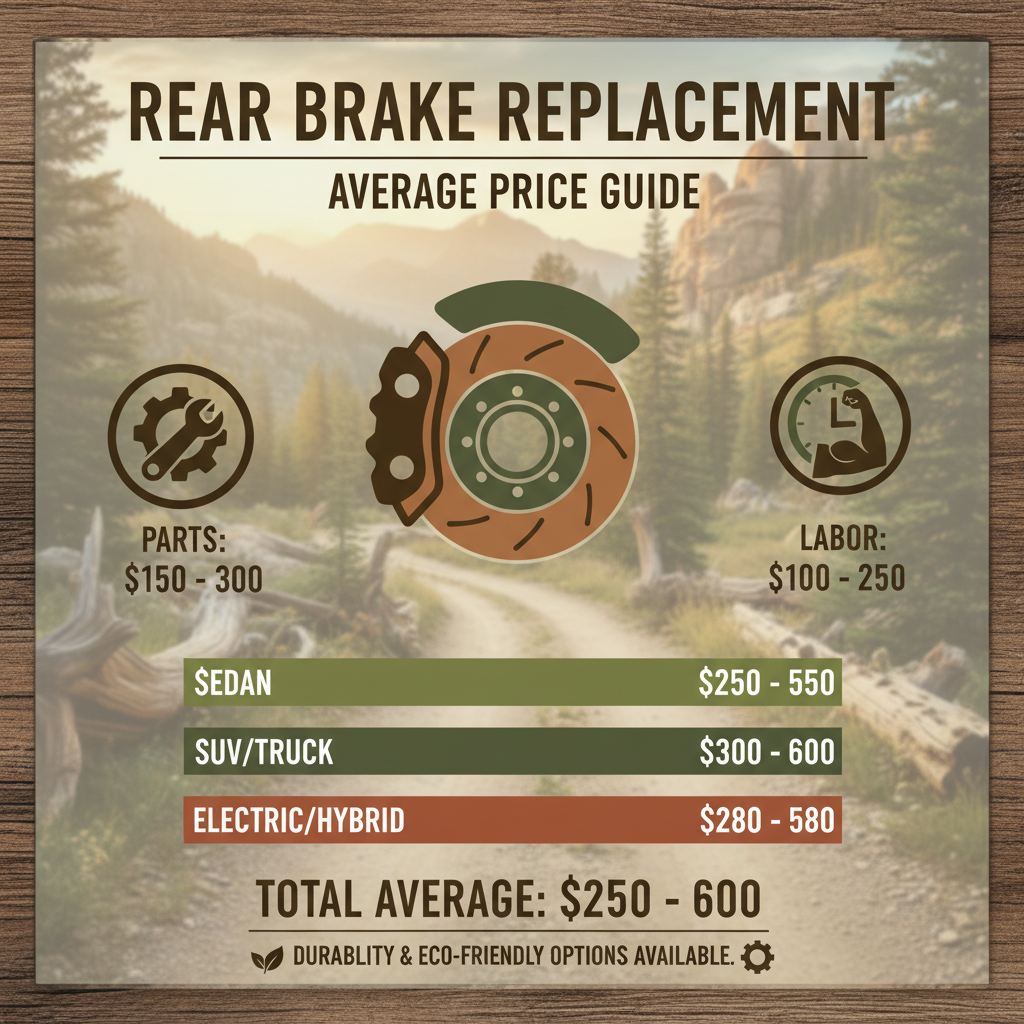
Let's break down the average cost into parts and labor. Rear brake pads typically range from $30 to $150 per axle, depending on the material. Rotors can cost between $50 and $300 per axle. Labor costs usually fall between $80 and $200 per hour, and the job typically takes between 1 to 3 hours. Therefore, the total average price for rear brake replacement can range from $150 to $650. It's important to get quotes from multiple mechanics to compare prices and ensure you're getting a fair deal. Consider that premium brake pads like those offered at KY Brake Pad, while initially costing more, may offer superior performance and last longer, potentially saving you money in the long run.
Cost Components:
• Brake Pads: $30 - $150 per axle
• Rotors: $50 - $300 per axle
• Labor: $80 - $200 per hour
The type of vehicle you drive significantly impacts the average price for rear brake replacement. Luxury vehicles and sports cars typically have more expensive parts and may require specialized tools, leading to higher labor costs. Trucks and SUVs often require heavier-duty brake components, also increasing the price. Here's a general price range based on vehicle type:
If you’re mechanically inclined, replacing rear brakes yourself can save on labor costs. However, it requires the right tools, knowledge, and a commitment to safety. The cost of parts will be the same, but you'll need to invest in tools if you don't already have them. Professional replacement ensures the job is done correctly and comes with a warranty. While more expensive upfront, it can prevent potential safety issues down the road. KY Brake Pad provides detailed guides and resources to help you choose the right parts, whether you're a DIY enthusiast or prefer professional installation.
There are several ways to reduce the cost of rear brake replacement. Get quotes from multiple mechanics and compare prices. Consider using aftermarket brake pads and rotors, which are often more affordable than OEM parts. Check for online coupons and discounts. If you're comfortable doing so, replace the brake pads yourself to save on labor costs. Finally, regularly inspect your brakes to catch problems early, preventing more expensive repairs down the line. Investing in quality components from a reputable supplier like KY Brake Pad can ensure longevity and reliability.
Understanding the average price for rear brake replacement involves considering various factors, from vehicle type to parts quality. By getting multiple quotes, exploring DIY options if you're capable, and choosing reliable components, you can ensure safe and effective brake maintenance without breaking the bank.
The lifespan of rear brake pads varies depending on driving habits, vehicle type, and pad material. Generally, rear brake pads last between 25,000 and 50,000 miles. However, it's essential to inspect them regularly (at least once a year) for wear and tear. Signs you need new brake pads include squealing or grinding noises, reduced braking performance, and a thin pad lining. It's often recommended to replace front and rear brakes together to maintain balanced braking performance.
Whether you need to replace the rotors along with the brake pads depends on their condition. If the rotors are smooth and within the manufacturer's specifications for thickness, you can often get away with just replacing the pads. However, if the rotors are warped, grooved, or below the minimum thickness, they must be resurfaced or replaced to ensure optimal braking performance and prevent damage to the new pads. It's generally a good practice to resurface or replace rotors when replacing pads for the first time.
Organic brake pads are the least expensive but wear out quickly and produce more dust. Semi-metallic pads offer a good balance of price and performance, providing better stopping power but generating more noise and dust than ceramic pads. Ceramic brake pads are the most expensive but offer the best stopping power, are gentle on rotors, and produce very little dust. The best choice depends on your driving style and budget. KY Brake Pad offers all three types, allowing you to choose the perfect option for your vehicle.