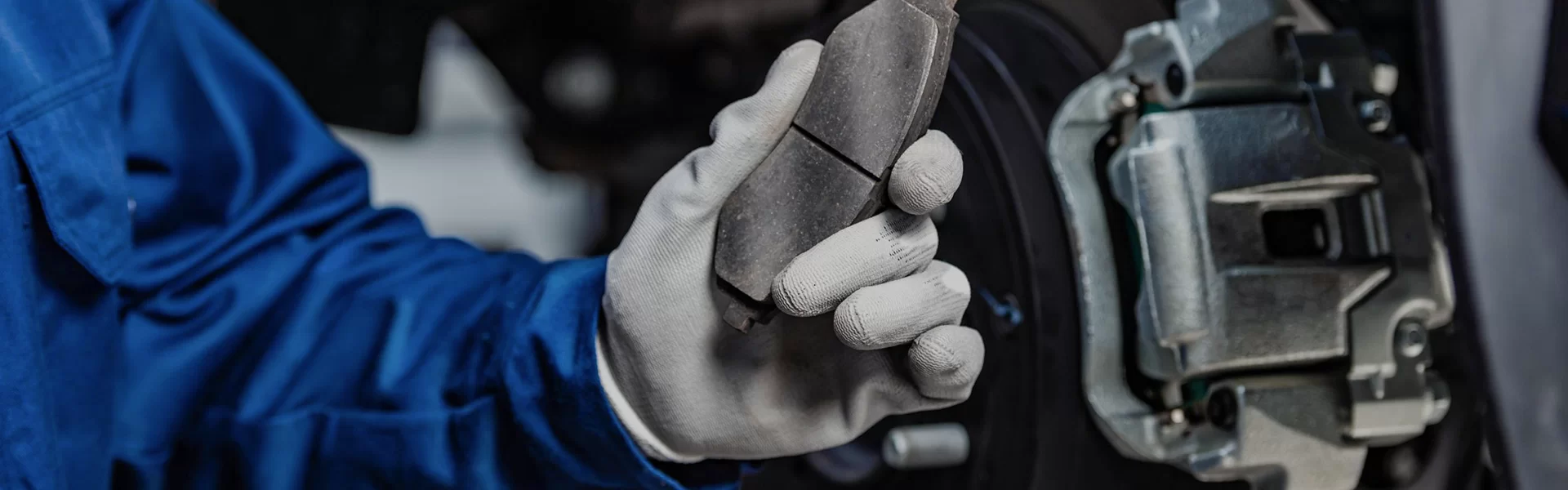
Replacing your brakes is a vital part of vehicle maintenance, ensuring your safety on the road. But how much does it actually cost? The average price to get brakes replaced can vary significantly based on several factors, including your vehicle's make and model, the type of brake pads used, and your location. This article will break down the costs involved, helping you budget for this essential repair. We’ll also explore factors affecting the price and how to potentially save money.
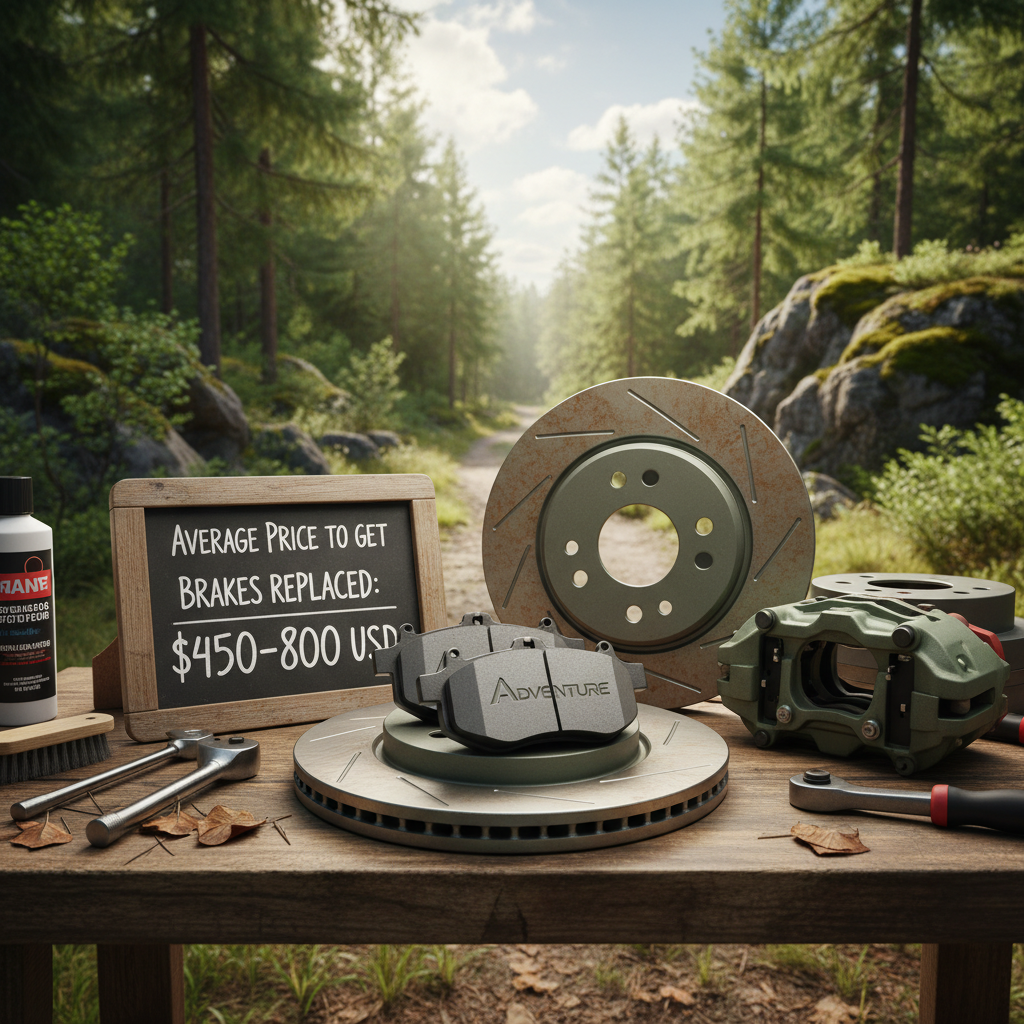
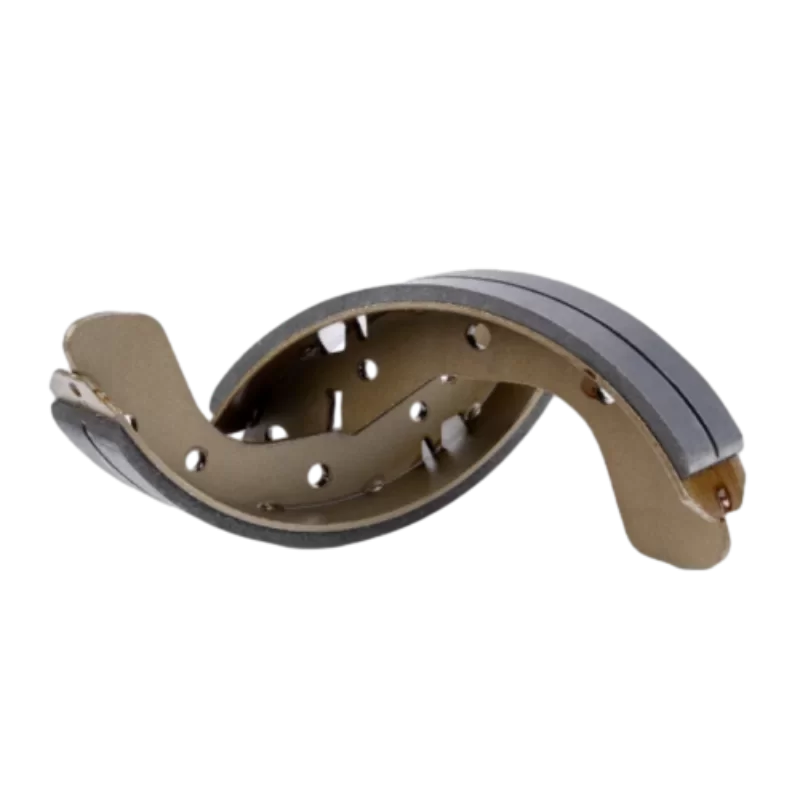
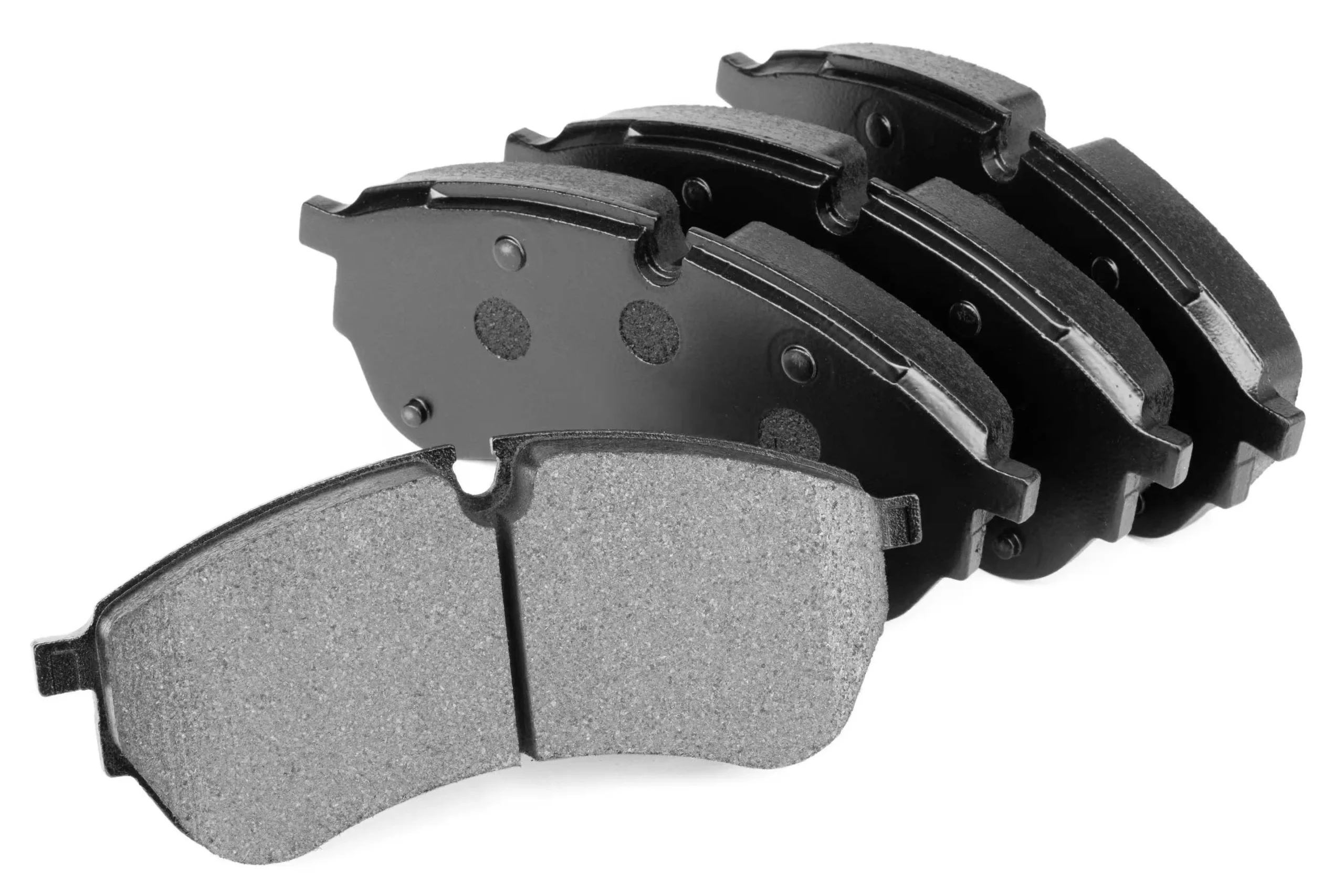
A typical brake replacement isn't just swapping out the pads. Several components are usually involved, each contributing to the overall cost. These include brake pads, rotors, calipers, and brake fluid. The most common service involves replacing brake pads and rotors. Rotors wear down over time along with the pads, and resurfacing or replacing them is essential for optimal braking performance. Calipers, which house the brake pads and press them against the rotors, are less frequently replaced unless they are damaged or seized. Finally, brake fluid should be flushed periodically to maintain its effectiveness.
Key Takeaway: Brake replacement is a multi-component job, and the total cost reflects the condition and need for replacement of each part.
Let's look at the average costs for each component. Brake pads range from $30 to $80 per axle (front or rear), depending on the material (organic, ceramic, or metallic). Rotors typically cost between $50 and $150 per axle. Labor costs generally fall between $80 and $150 per hour, and a brake replacement usually takes 1-2 hours. Therefore, a complete brake replacement for one axle can range from $160 to $480. For a full brake job (all four wheels), expect to pay between $320 and $960.
Several factors can push the average price to get brakes replaced higher. Your vehicle’s make and model play a role, as luxury or high-performance cars often require more expensive parts. The type of brake pads you choose also impacts the cost – ceramic pads, known for their quiet operation and dust-free performance, are typically more expensive than organic pads. Furthermore, if your rotors are severely damaged and need to be replaced rather than resurfaced, it will add to the expense. Finally, location significantly influences labor rates, with costs being higher in metropolitan areas.
Cost-Influencing Factors:
• Vehicle Make & Model
• Brake Pad Material (Organic, Ceramic, Metallic)
• Rotor Condition (Resurface vs. Replace)
• Geographic Location & Labor Rates
Understanding the different brake pad materials can help you make an informed decision. Organic pads are the most affordable but wear out quickly and produce more dust. Metallic pads offer better stopping power but can be noisy and hard on rotors. Ceramic pads provide a good balance of performance, quiet operation, and low dust, making them a popular choice. Choosing the right brake pads depends on your driving habits and budget.
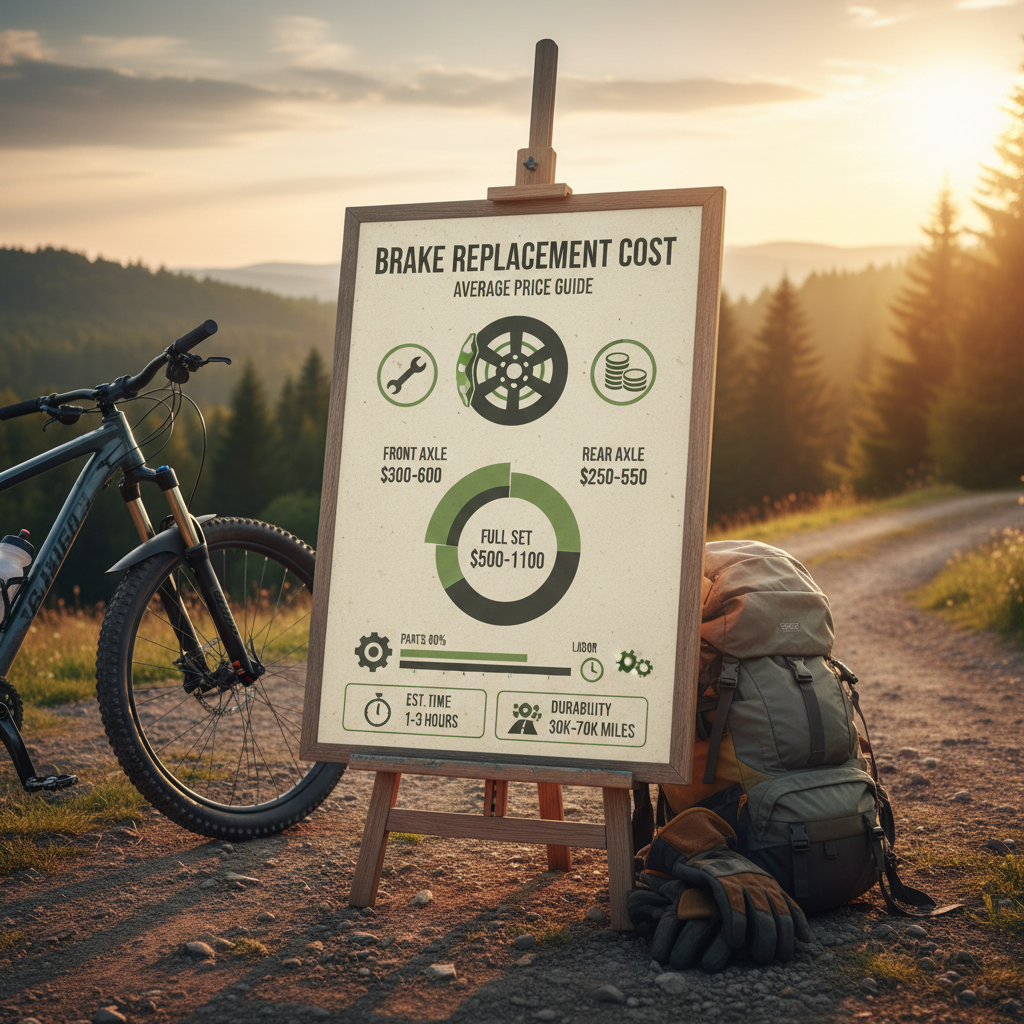
While brake replacement is a necessary expense, there are ways to potentially save money. Getting quotes from multiple mechanics is a good starting point. Consider purchasing brake pads and rotors yourself from a reputable supplier like KY Brakepad and having a mechanic install them – this can sometimes save you money on parts markup. Regular brake inspections can also help you catch problems early, preventing more extensive and costly repairs down the road.
Understanding the average price to get brakes replaced and the factors that influence it empowers you to make informed decisions about your vehicle’s maintenance. Regular brake inspections and timely replacements are crucial for your safety and the safety of others on the road. Don’t delay brake repairs – prioritize your well-being and keep your vehicle in top condition.
It’s recommended to have your brakes inspected at least once a year, or every 12,000 miles. However, if you notice any signs of brake problems, such as squealing noises, grinding sounds, a spongy brake pedal, or pulling to one side when braking, have them checked immediately. Proactive inspections can identify minor issues before they escalate into costly repairs. Regular inspections help you maintain optimal braking performance and ensure your safety.
While it is possible to replace your brakes yourself, it requires mechanical knowledge, the right tools, and a thorough understanding of the process. If you’re not comfortable working on your vehicle’s braking system, it’s best to leave it to a qualified mechanic. Improperly installed brakes can be dangerous and compromise your safety. If you do choose to DIY, research thoroughly and follow all safety precautions.
Resurfacing rotors involves machining the surface to remove imperfections and restore a smooth braking surface. This is a cost-effective option if the rotors are still within the manufacturer's specifications for thickness. However, if the rotors are too thin, warped, or severely damaged, they must be replaced. Replacing rotors ensures optimal braking performance and prevents potential safety issues. Your mechanic will assess the condition of your rotors and recommend the best course of action.