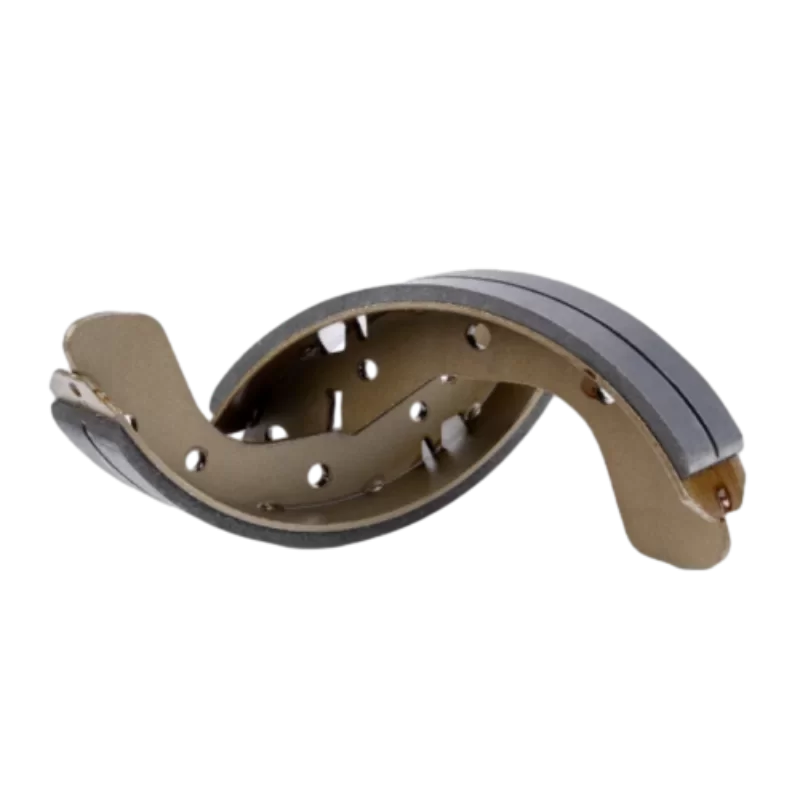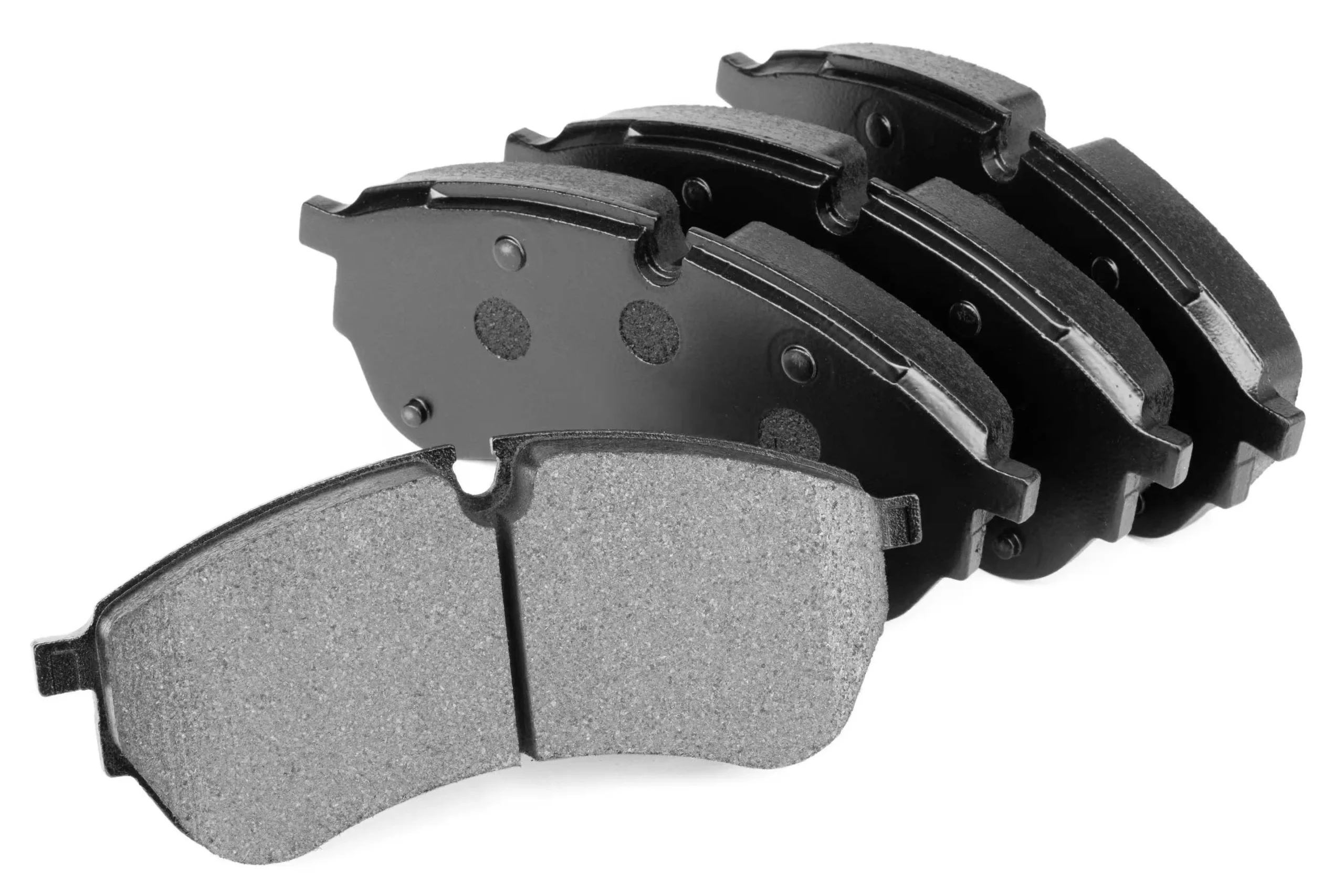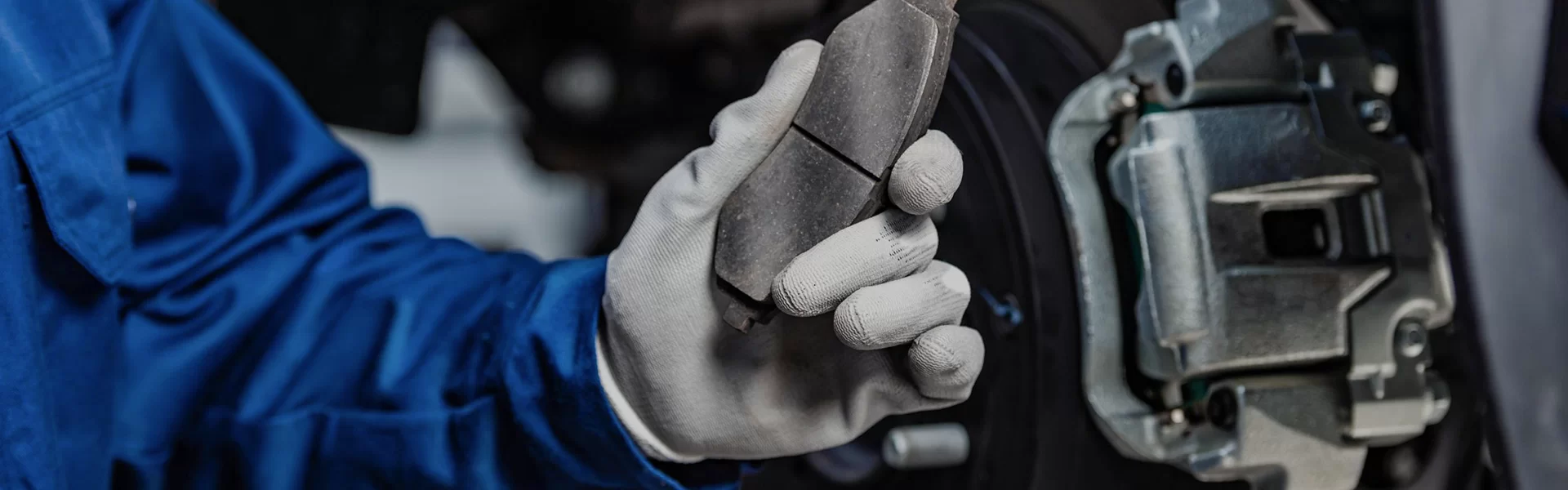
Knowing the price to change brake pads is crucial for vehicle maintenance and budgeting. Brake pads are a vital safety component, and understanding the associated costs can help you prepare for necessary repairs. This article will explore the factors influencing brake pad replacement costs, typical price ranges, and how to get the best value. We will also briefly touch upon the importance of quality brake pads, such as those offered by KY Brake Pad, and their impact on your vehicle's stopping power.
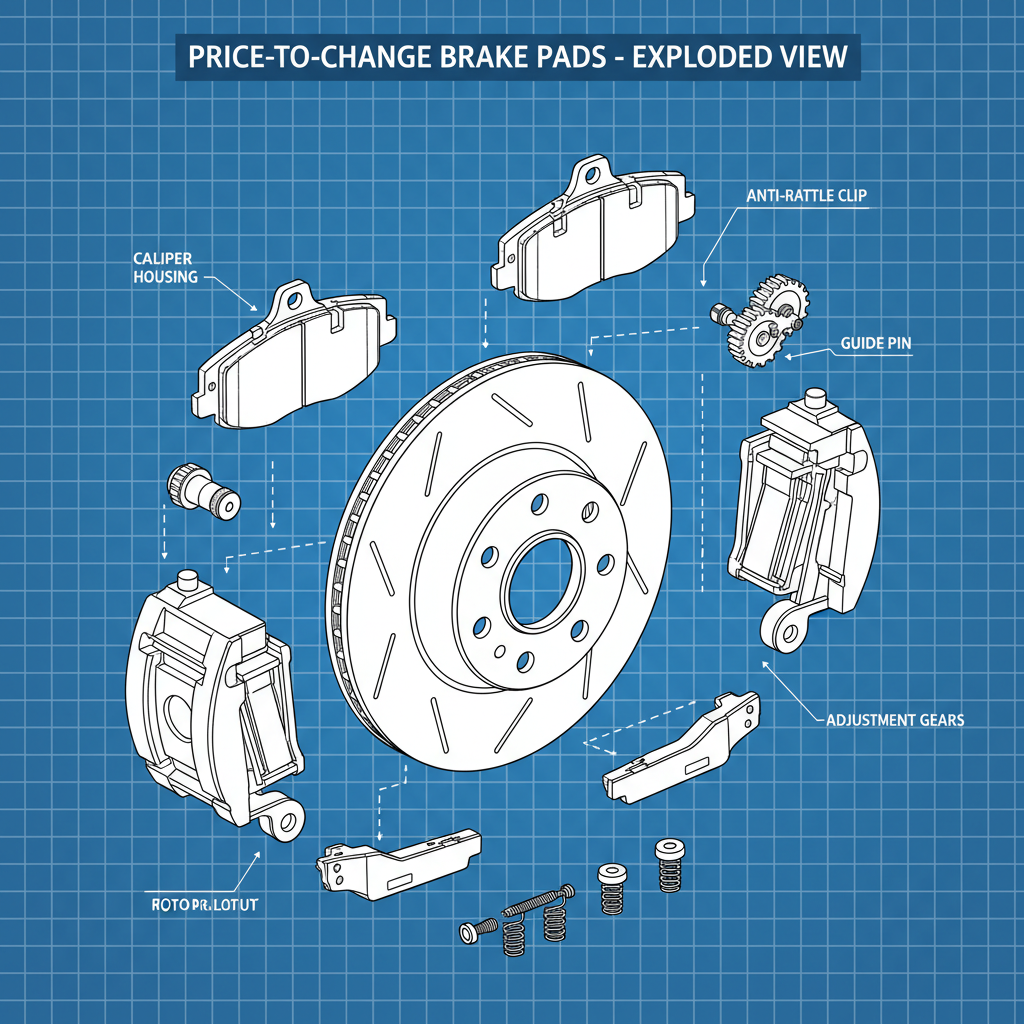
Several factors contribute to the final cost of brake pad replacement. Vehicle make and model play a significant role, as luxury or high-performance vehicles often require more expensive pads. The type of brake pad material (organic, semi-metallic, ceramic) also affects the price, with ceramic pads generally being the most expensive. Labor costs vary depending on your location and the mechanic's hourly rate. Finally, the condition of other brake system components, such as rotors and calipers, can add to the overall cost if they require repair or replacement. Don't underestimate the value of a thorough inspection to identify all necessary repairs.
Key Considerations: Vehicle type, brake pad material, labor costs, and the condition of related components all impact the final price.
The price to change brake pads can vary considerably. Here's a breakdown of typical costs:
The type of brake pad you choose impacts both the price and performance. Here’s a quick comparison:
Brake Pad Material Comparison:
• Organic: $30 - $70 per axle. Quietest, least durable, best for light-duty vehicles.
• Semi-Metallic: $40 - $100 per axle. Good stopping power, moderate noise, suitable for most vehicles.
• Ceramic: $80 - $200+ per axle. Excellent stopping power, quietest, most durable, but most expensive.
While saving money is important, compromising on brake quality can be dangerous. Cheap brake pads may wear out quickly, produce excessive dust, and offer reduced stopping power. Investing in high-quality pads, like those available from KY Brake Pad, ensures reliable performance and safety. Similarly, ensuring your rotors are in good condition (resurfaced or replaced when necessary) is crucial for optimal braking.
To ensure you're getting a fair price, obtain quotes from multiple mechanics. Ask for a detailed breakdown of the costs, including parts and labor. Inquire about the brand and type of brake pads being used. Don’t be afraid to ask questions and understand the scope of the work being performed. Checking online reviews and seeking recommendations from trusted sources can also help you find a reputable mechanic.
Understanding the price to change brake pads is just the first step. Prioritizing safety by choosing quality components and a skilled mechanic is paramount. By being informed and proactive, you can ensure your vehicle's braking system is reliable and affordable. Don’t delay brake maintenance – your safety and the safety of others depend on it.
The frequency of brake pad replacement depends on your driving habits and the type of brake pads you have. Generally, brake pads should be inspected every 6,000-8,000 miles and replaced when they reach approximately 3mm of remaining material. Aggressive driving, frequent stop-and-go traffic, and using lower-quality brake pads will require more frequent replacements. Listen for squealing or grinding noises, which are indicators that your brake pads are worn and need attention.
While it’s possible to replace brake pads yourself, it requires mechanical knowledge, the right tools, and a thorough understanding of the brake system. Incorrect installation can compromise your safety. If you're not comfortable performing this task, it's best to leave it to a qualified mechanic. Improperly installed brake pads can lead to uneven wear, reduced braking performance, and potential accidents.
Signs that your brake rotors may need to be resurfaced or replaced include pulsing or vibrating when braking, visible grooves or scoring on the rotor surface, and a metallic grinding noise. Warped or damaged rotors can significantly reduce braking efficiency and cause steering wheel vibrations. A mechanic can accurately assess the condition of your rotors and recommend the appropriate course of action.
Brake pad sensors are small devices integrated into the brake pads that alert you when they are nearing the end of their lifespan. They typically consist of a metal tab that makes contact with the rotor when the brake pad wears down to a certain point. This contact triggers a warning light on your dashboard, indicating that it's time to inspect and potentially replace your brake pads. The sensor itself does not affect braking performance but serves as a crucial reminder for maintenance.