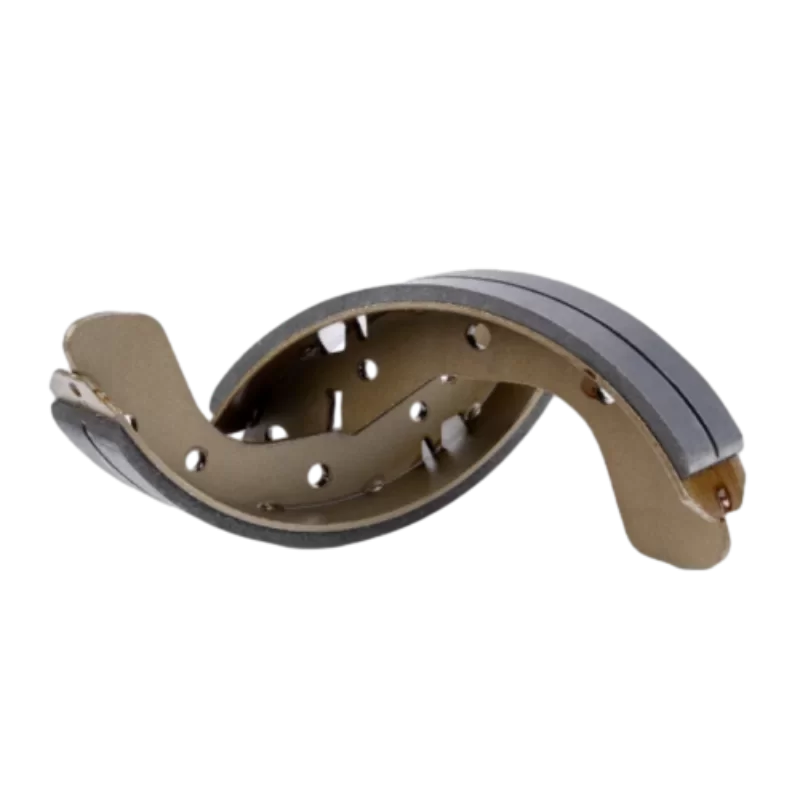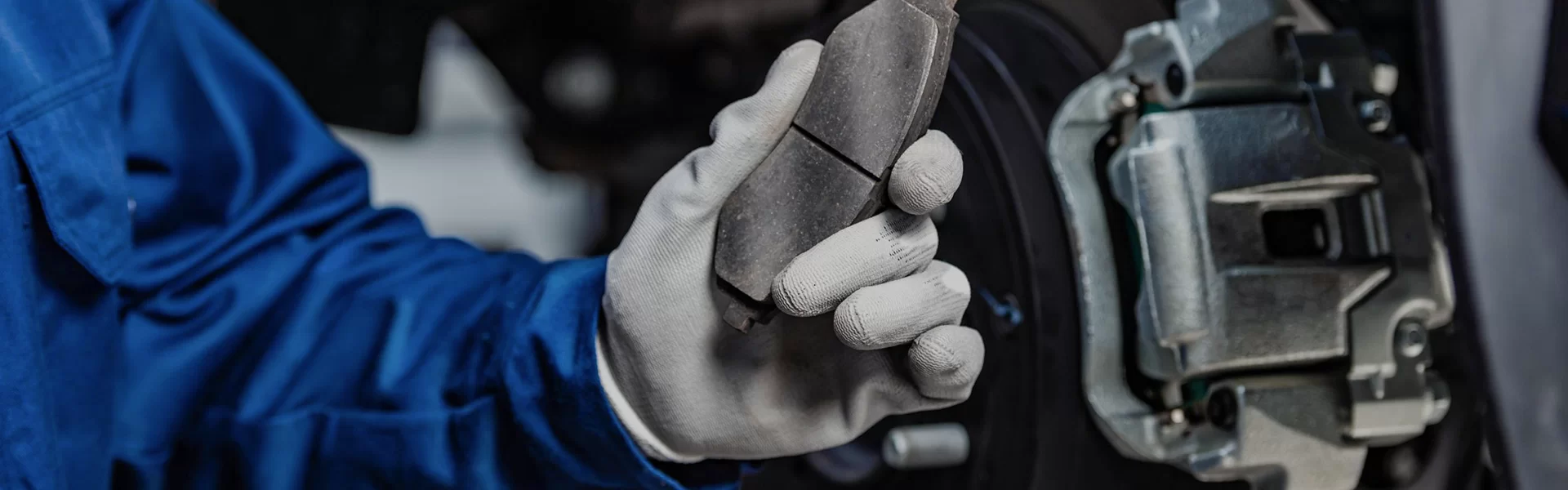
When it comes to vehicle safety, brake shoes are a critical component, directly impacting stopping power and overall driving security. Understanding the price of brake shoes is essential for vehicle owners and maintenance professionals alike. This article will delve into the factors influencing brake shoe costs, explore different price points, and provide insights into choosing the right brake shoes for your needs. We’ll also highlight the importance of quality and durability when considering your options.
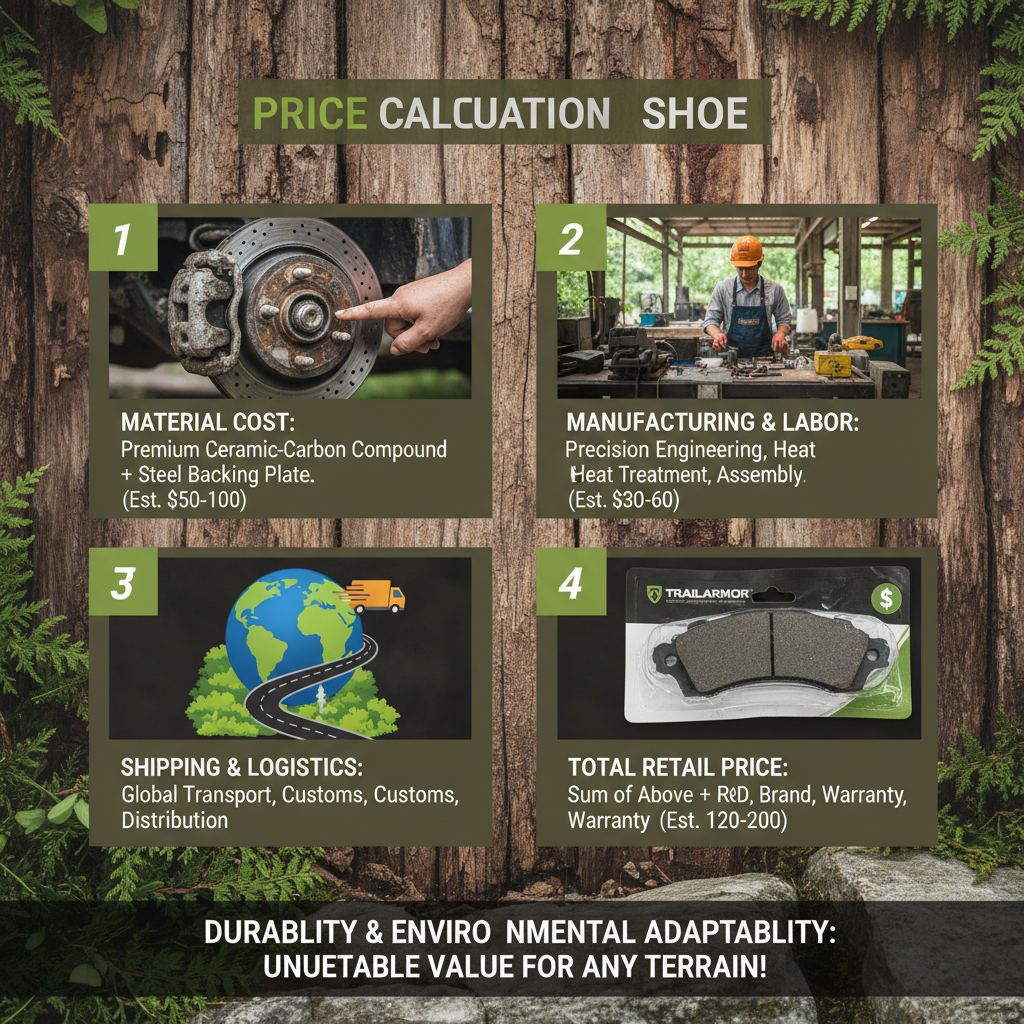
Several factors determine the final price you’ll pay for brake shoes. These include the vehicle make and model, the type of brake shoe material, the brand reputation, and whether you are purchasing original equipment manufacturer (OEM) parts or aftermarket alternatives. OEM brake shoes are generally more expensive as they are designed specifically for your vehicle. Aftermarket shoes offer a range of price points depending on quality and materials. The complexity of installation, often requiring professional labor, also contributes to the overall cost. Finally, location and retailer markups can significantly vary the price.
Key Considerations: The vehicle’s make and model, materials used, brand reputation, OEM vs. aftermarket, labor costs, and retailer location all play a role in determining the price of brake shoes.
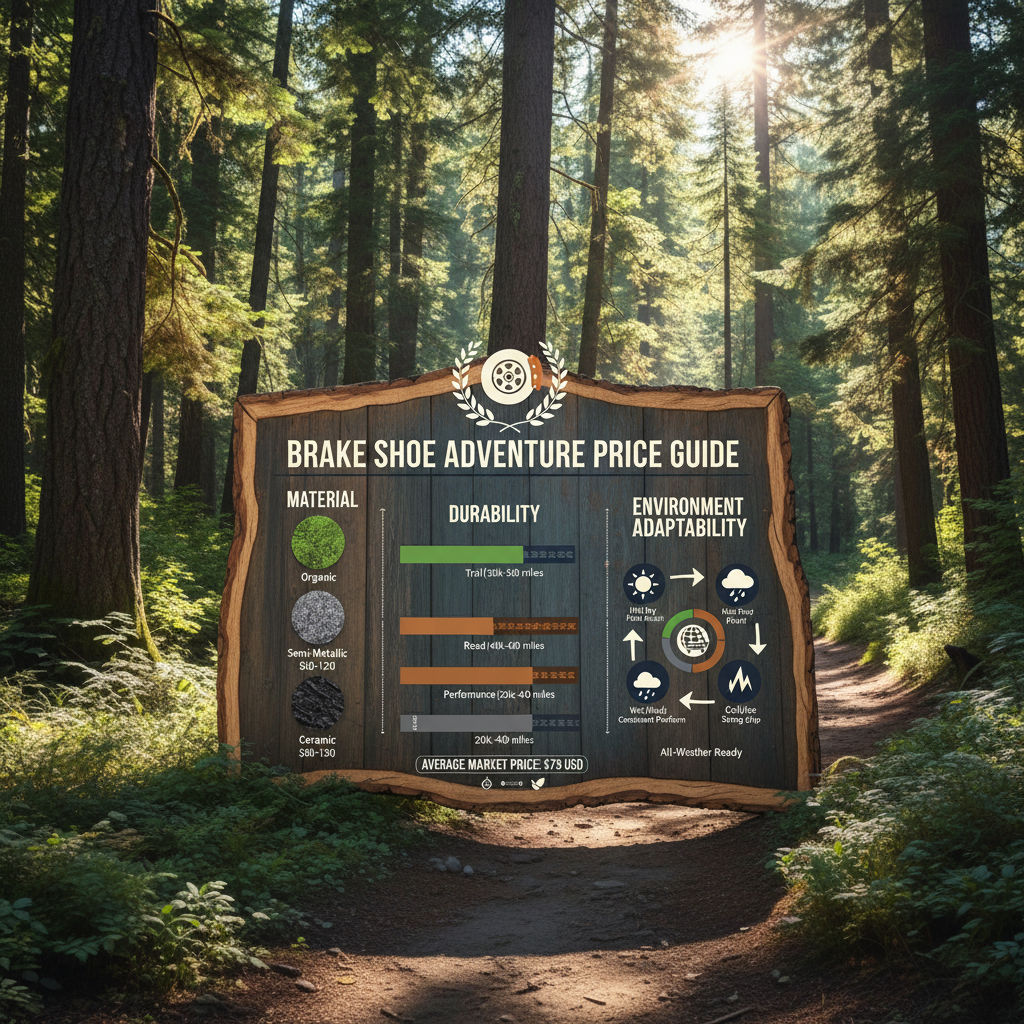
The material used in brake shoe construction significantly impacts the price. Common materials include organic, semi-metallic, and ceramic. Organic brake shoes are the least expensive, generally ranging from $15 to $30 per pair. They are quieter but wear out faster. Semi-metallic shoes, priced between $25 and $50 per pair, offer better stopping power and durability but can be noisier. Ceramic brake shoes, typically costing $40 to $80 per pair, provide excellent stopping power, are quiet, and generate less dust, but are the most expensive option. Choosing the right material depends on your driving habits and budget.
Brake Shoe Material Comparison:
• Organic: $15 - $30 per pair, quiet, faster wear.
• Semi-Metallic: $25 - $50 per pair, good stopping power, noisier.
• Ceramic: $40 - $80 per pair, excellent stopping power, quiet, less dust.
The price of brake shoes also varies depending on the vehicle type. Small cars generally have less expensive brake shoes (typically $30-$60 per axle), while larger SUVs and trucks require more robust (and therefore pricier) shoes ($60-$120 per axle). Luxury vehicles often have higher prices for both OEM and aftermarket brake shoes, ranging from $80 to $200+ per axle. It’s always best to check with a reputable parts supplier or mechanic for a precise quote for your specific vehicle.
While saving money is tempting, prioritizing quality when it comes to brake shoes is crucial. Cheap, low-quality brake shoes may offer immediate savings, but they often wear out quickly, provide inferior stopping power, and can even damage your vehicle’s braking system. Investing in higher-quality brake shoes from a reputable brand like KY Brake Pad will ultimately save you money and ensure your safety in the long run. Always consider the overall value, not just the initial price.
You can purchase brake shoes from various sources, including auto parts stores, online retailers, and directly from vehicle manufacturers. Online retailers often offer competitive pricing, but ensure you are buying from a trusted source. Installation costs vary depending on the vehicle and labor rates, typically ranging from $80 to $200 per axle. Consider obtaining quotes from multiple mechanics before committing to the service.
Understanding the factors influencing the price of brake shoes is vital for responsible vehicle ownership. By considering your vehicle type, driving habits, budget, and prioritizing quality, you can make an informed decision that ensures your safety and provides long-term value. Don't compromise on brake performance – choose wisely and drive with confidence.
Brake shoe replacement frequency depends on your driving habits and the type of brake shoes installed. Generally, brake shoes should be inspected every 6,000 to 8,000 miles. Organic brake shoes typically last 25,000-40,000 miles, semi-metallic shoes 30,000-50,000 miles, and ceramic shoes 50,000-70,000 miles. However, factors like aggressive driving, frequent braking, and driving in harsh conditions can shorten their lifespan. Pay attention to warning signs like squealing noises, grinding sounds, or a decrease in braking performance.
The reliability of aftermarket brake shoes varies significantly depending on the brand and quality. While OEM shoes are designed specifically for your vehicle, many reputable aftermarket brands offer equally reliable options that meet or exceed OEM standards. It’s crucial to choose a well-known and trusted brand like KY Brake Pad and ensure the shoes are compatible with your vehicle’s make and model.
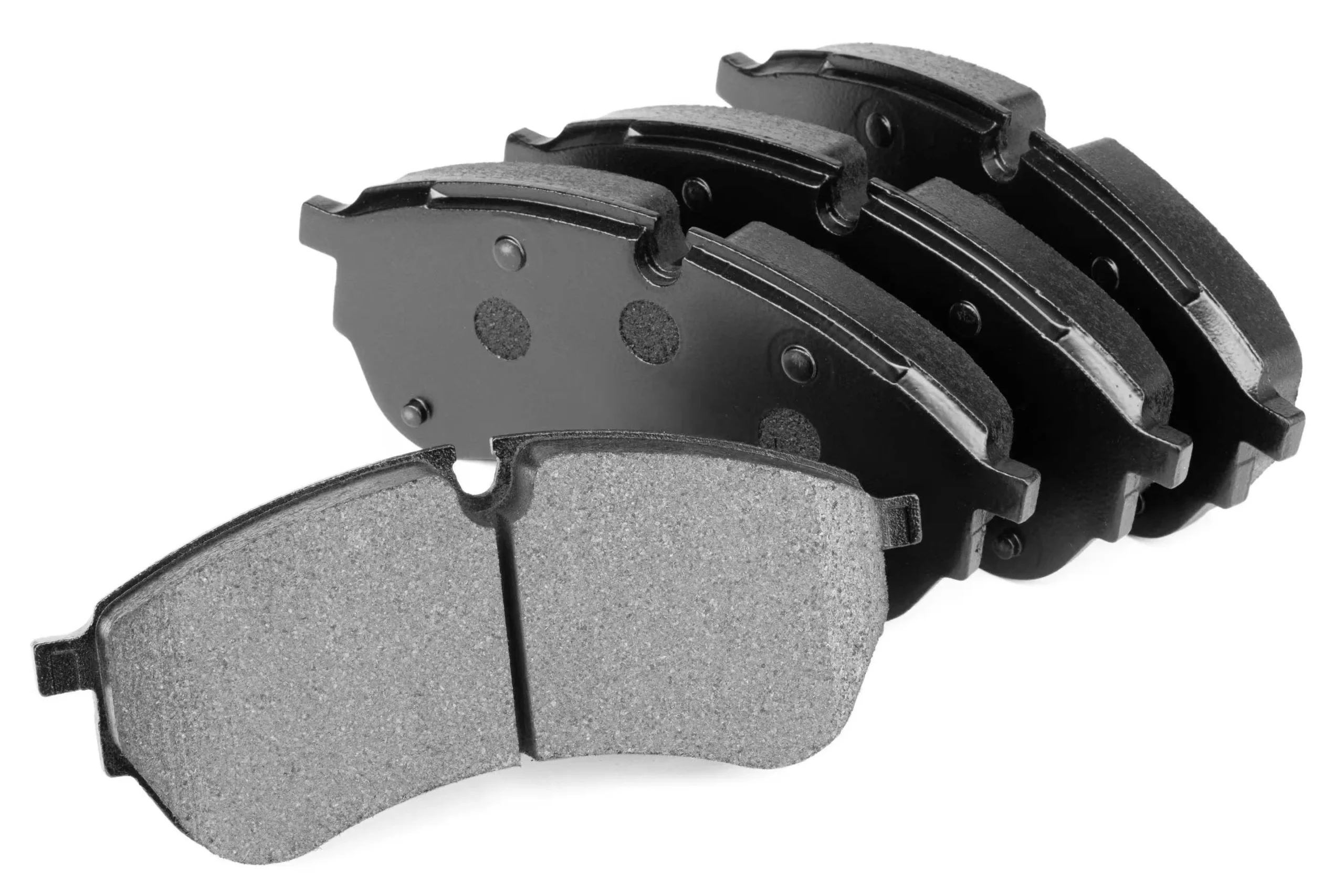
Brake shoes and brake pads are both components of a vehicle’s braking system, but they work differently. Brake shoes are used in drum brake systems, where curved shoes press outwards against the inside of a rotating drum to create friction and slow the vehicle. Brake pads are used in disc brake systems, where pads clamp down on a rotating disc (rotor) to generate friction. Most modern vehicles use disc brakes on the front wheels and drum brakes on the rear wheels, requiring both brake shoes and brake pads.
Replacing brake shoes is a moderately complex task that requires mechanical knowledge and the right tools. While it's possible to do it yourself, it’s generally recommended to have a qualified mechanic perform the replacement, especially if you are unfamiliar with automotive repairs. Improper installation can compromise braking performance and safety. If you choose to DIY, consult a repair manual and follow all safety precautions.