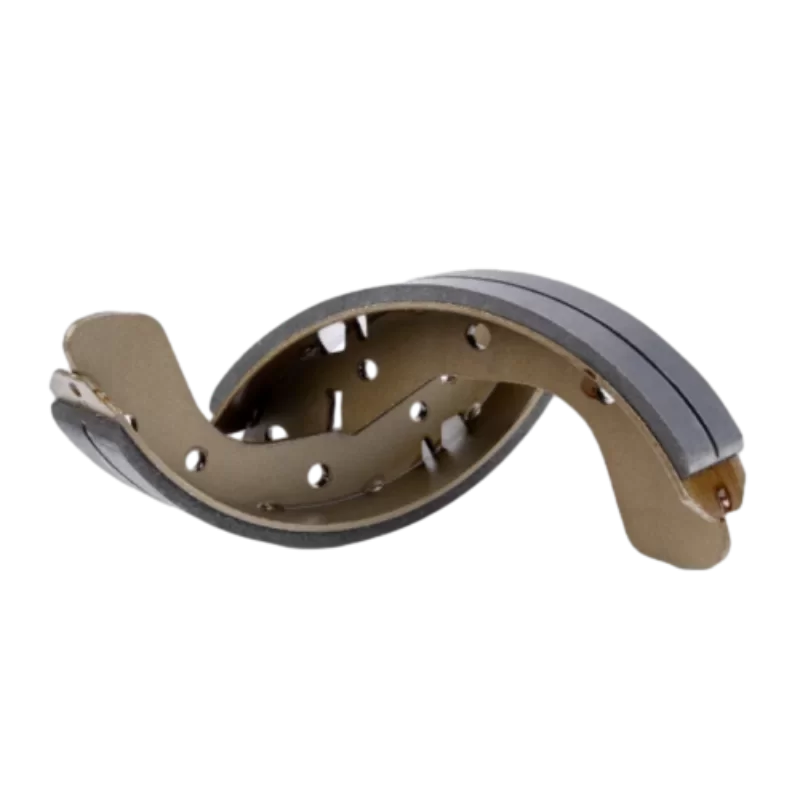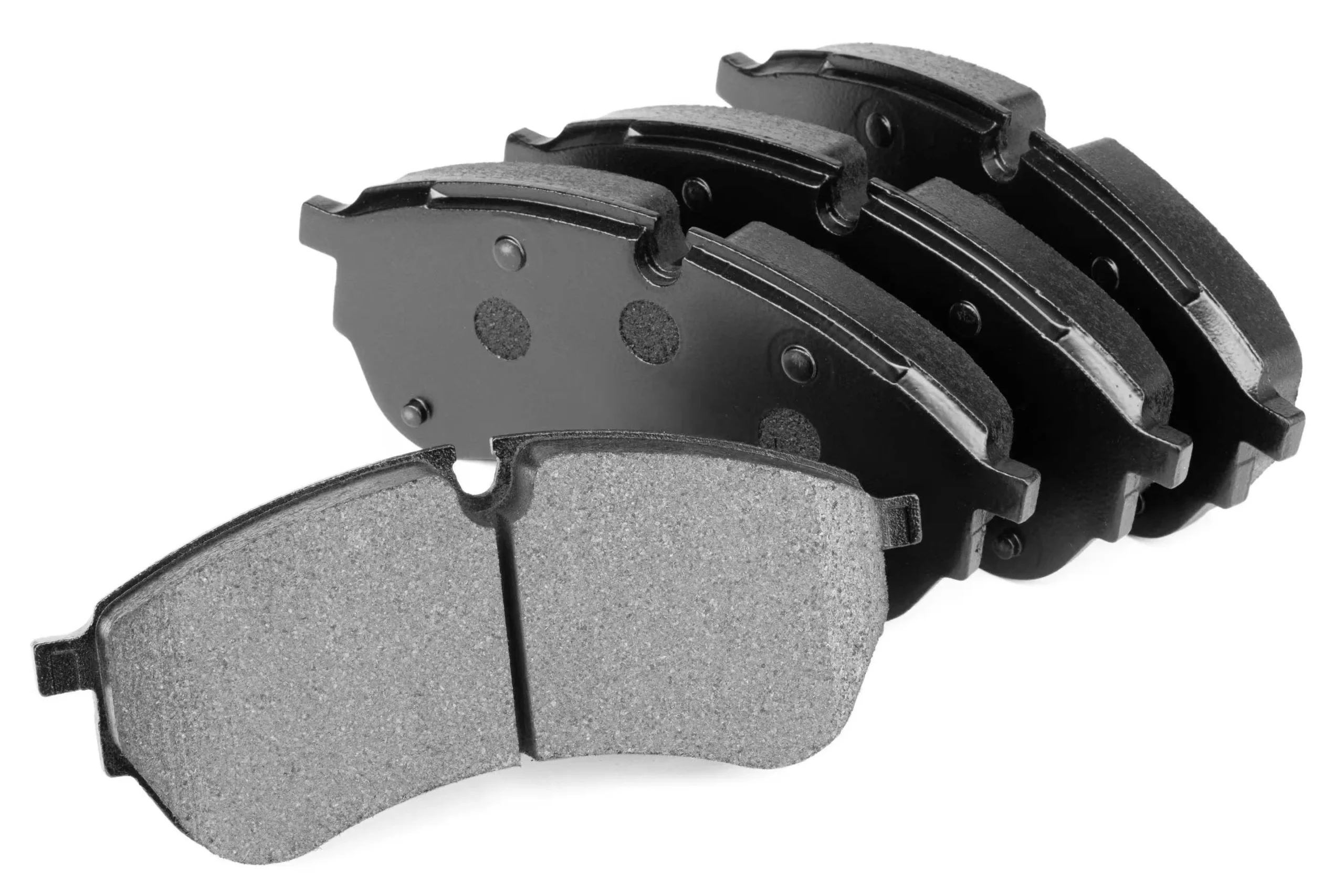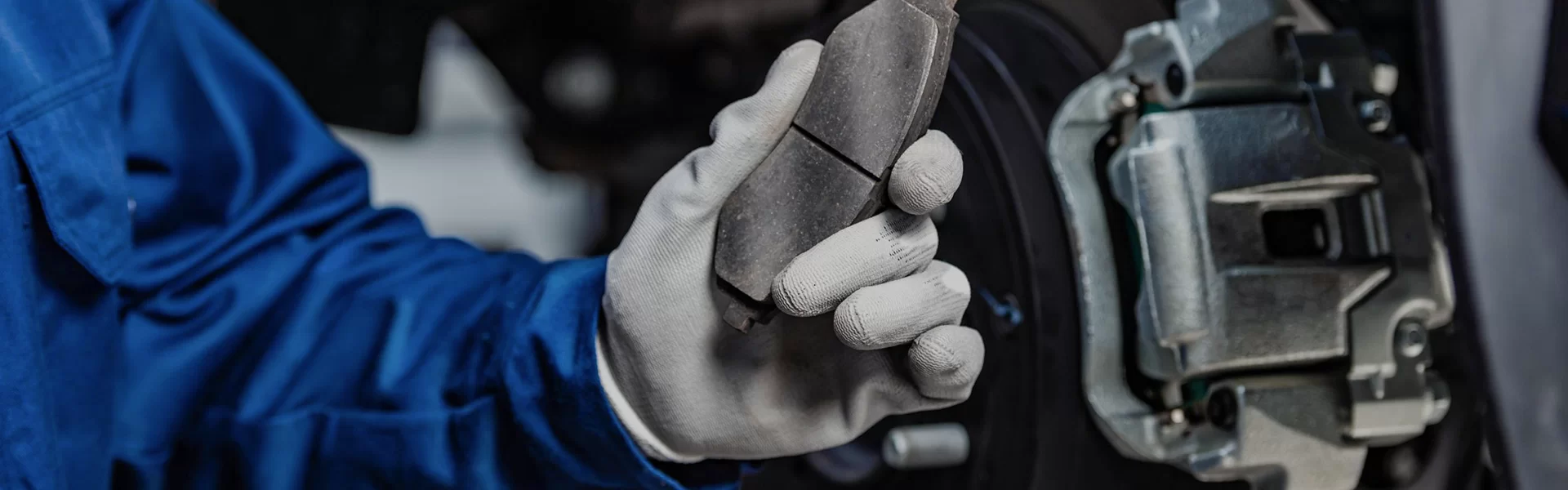
Replacing your brake pads is a crucial part of vehicle maintenance, directly impacting your safety and driving performance. But how much does brake pad replacement cost? The price can vary significantly depending on your vehicle type, the quality of the brake pads, and whether you choose a DIY approach or professional installation. This guide will break down the costs involved, helping you budget effectively. At KY Brake Pad, we offer high-quality brake pads designed for optimal performance and longevity. Understanding the costs associated with brake pad replacement ensures you're prepared for this essential maintenance task.

Several factors contribute to the overall cost of brake pad replacement. The primary ones include the type of vehicle you own (luxury vehicles generally have more expensive parts), the quality of the brake pads (ceramic, semi-metallic, and organic options vary in price), and labor costs at your chosen mechanic. Additionally, the condition of your rotors plays a role. If your rotors are damaged or worn, they may need to be resurfaced or replaced, adding to the overall expense. Finally, location matters – labor rates differ significantly across regions. Choosing the right brake pads from a trusted source, like KY Brake Pad, can help you balance cost and performance.
Key Considerations: Vehicle type, brake pad quality, rotor condition, labor costs, and geographical location all impact the final cost.
Here’s a general idea of what you can expect to pay for brake pad replacement. These figures are estimates and can vary based on the factors mentioned earlier. Note that these costs typically include both front and rear brake pads, but not necessarily rotor replacement.
The type of brake pad material significantly impacts both cost and performance. Here’s a quick comparison:
Brake Pad Material Comparison:
• Organic: Least expensive, quietest, but wear quickly.
• Semi-Metallic: Good balance of cost and performance, more aggressive stopping power.
• Ceramic: Most expensive, longest lasting, quietest, and offer excellent stopping power. KY Brake Pad specializes in high-performance ceramic brake pads.
You can save money by replacing your brake pads yourself if you have the necessary tools and experience. However, if you’re not comfortable working on your vehicle's brakes, it's best to leave it to a professional. Improper installation can lead to serious safety issues. The cost of tools (jack, jack stands, wrench set, etc.) can add up. Professional installation ensures the job is done correctly and often comes with a warranty.

Shop around for quotes from multiple mechanics. Consider using aftermarket brake pads, which can be less expensive than OEM (Original Equipment Manufacturer) parts. However, prioritize quality and ensure the aftermarket pads meet or exceed safety standards. Regularly inspect your brake pads to catch wear early, potentially avoiding rotor damage. For reliable and affordable brake pads, explore the options at KY Brake Pad.
Understanding the brake pad replacement cost is key to responsible vehicle maintenance. By considering the factors outlined above and choosing quality parts, you can ensure your safety and stay within your budget. Don't wait until your brakes are screeching – proactive maintenance is always the best approach.
Brake pad replacement frequency varies depending on driving habits, vehicle type, and the quality of the brake pads. Generally, brake pads need to be replaced every 25,000 to 70,000 miles. Regularly inspect your brake pads for wear – a good rule of thumb is if the pad material is less than 1/4 inch thick, it's time for a replacement. Listen for squealing or grinding noises, which indicate worn brake pads.
It’s generally recommended to replace brake pads on both axles simultaneously. This ensures even braking performance and prevents imbalances that can lead to pulling or uneven wear. Replacing only one axle can cause the newer pads to work harder to compensate for the older ones, potentially reducing stopping power and accelerating wear.
Several signs indicate that your brake pads need replacement. These include squealing or grinding noises when braking, a spongy or soft brake pedal, a decrease in braking performance, and a brake warning light on your dashboard. A visual inspection can also reveal worn brake pads – look for thin pad material. If you notice any of these signs, it's crucial to have your brakes inspected and replaced promptly.
Ceramic brake pads are known for their quiet operation, low dust production, and long lifespan, though they are typically more expensive. Semi-metallic brake pads offer a good balance of performance and cost, providing stronger stopping power but potentially generating more dust and noise. The best choice depends on your driving style and budget. KY Brake Pad offers both types to meet your specific needs.