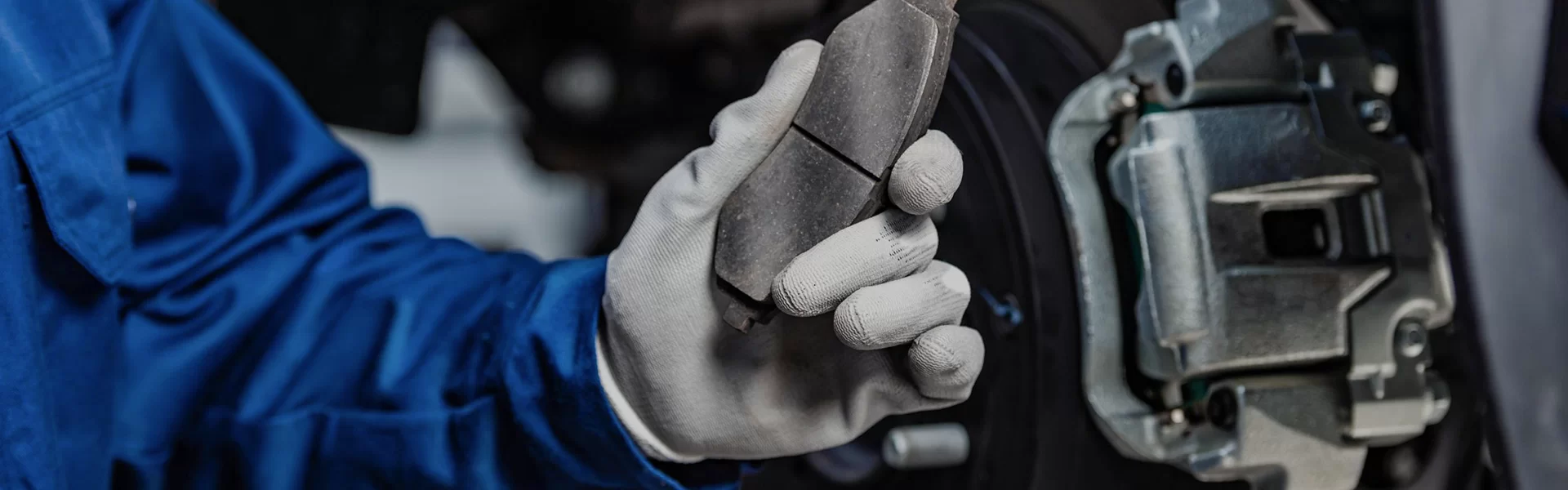
Whenever you hear about brake maintenance or vehicle safety, metallic brake shoes might not be the first thing on your mind, but they play a critical role globally in ensuring safe and reliable stopping power. Essentially, metallic brake shoes are the unsung heroes inside drum braking systems, providing the friction necessary to slow or halt a vehicle. Their significance stretches beyond cars — they’re integral to buses, trucks, industrial machinery, and even certain rail applications.
Why should you care about metallic brake shoes? For one, understanding their design and performance characteristics can translate to safer travels and reduced vehicle downtime. On a macro scale, better brake components contribute to road safety worldwide, which according to the World Health Organization prevents millions of traffic-related injuries and deaths annually. Plus, with industries shifting towards sustainability and cost-effective maintenance, metallic brake shoes are evolving to meet these demands.
Across the globe, brake components like metallic brake shoes form part of an intricate transport safety ecosystem. According to data from the International Organization for Standardization (ISO), over 1.35 billion cars were on the world’s roads as of 2020. Many of these vehicles, especially commercial ones in Asia, Africa, and Latin America, rely on drum brakes using metallic brake shoes due to affordability and durability.
That said, one recurring challenge is ensuring brake performance under diverse climates and heavy load conditions. Harsh environments, from dusty deserts to humid tropics, test the resilience of brake shoes. Therefore, innovations in materials and manufacturing processes for metallic brake shoes remain critical globally.
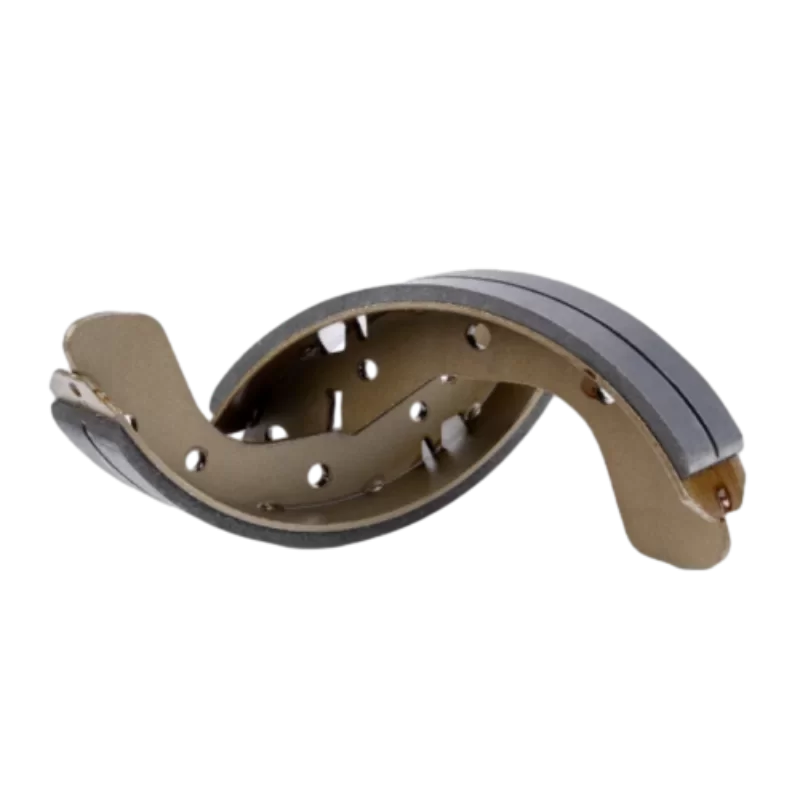
In simple terms, metallic brake shoes are curved plates mounted inside drum brakes. When the brake pedal is pressed, these shoes press against the inner surface of a rotating drum to create friction — slowing the vehicle down. The “metallic” part refers to the friction material lining the shoe, which often contains a mixture of metals like steel fibers, copper, and other alloys bonded with resin.
The metallic composition provides superior heat resistance and durability compared to organic brake shoes, making them invaluable in industries requiring frequent and heavy braking, such as logistics and public transport. Moreover, their manufacturing often aligns with industrial standards that address safety regulations and performance benchmarks.
One of the primary benefits of metallic brake shoes is their impressive durability. They resist wear better than many non-metallic counterparts, which means fewer replacements and less downtime. However, one trade-off is they can be noisier, which manufacturers are actively working to address.
Thanks to the metallic components, these brake shoes handle heat extremely well — a crucial feature when driving downhill or hauling heavy loads. Fast heat dissipation reduces brake fade, enhancing safety.
While typically pricier upfront than organic variants, metallic brake shoes offer better lifespan and performance, leading to lower overall maintenance costs. This makes them especially attractive for commercial fleets.
Oddly enough, metallic brake shoes can also help reduce dust emissions compared to older asbestos-based alternatives, contributing modestly to better air quality near traffic-heavy areas.
They’re widely compatible with existing drum brake systems, so upgrading to metallic variants doesn’t usually require expensive component overhauls.
| Specification | Typical Value | Notes |
|---|---|---|
| Material Composition | Steel fibers, Copper, Resin | Varies by manufacturer |
| Operating Temperature | Up to 450°C | Ensures anti-fade performance |
| Lifespan | 30,000–60,000 km | Depends on driving conditions |
| Noise Level | Medium-high | Improved designs reduce noise |
These components find their homes mostly in commercial vehicles and heavy-duty machinery across the globe. For example, public bus fleets in Southeast Asia and African trucking companies rely heavily on metallic brake shoes to maintain consistent braking under high stress.
In post-disaster relief operations, vehicles equipped with robust metallic brake shoes navigate rough terrain safely, ensuring the delivery of aid. Industrial sites, especially mining and construction areas, use machinery with metallic brake shoes to handle rigorous braking demands.
If you’re wondering what automotive enthusiasts think, many replace standard brake shoes with metallic ones for enhanced performance and reliability, even though they might accept a bit more noise.
At the end of the day, metallic brake shoes bring a balance of performance and cost-effectiveness, which explains their longstanding popularity worldwide.
Looking ahead, manufacturers are exploring hybrid friction materials to reduce noise while keeping durability high. Advances in eco-friendly resin binders and metal fiber blends aim to lower environmental impact further. Some companies integrate smart sensors inside brake systems to monitor wear and performance — real-time data that could save lives and maintenance expenses.
Automation in production lines is also improving quality consistency, which means better-performing metallic brake shoes will come to the market steadily. So, it’s an exciting time if you pay attention to brake tech.
Of course, no product is perfect. Metallic brake shoes sometimes suffer from noise issues and can be heavier than organic alternatives, affecting fuel economy slightly. Also, variations in material composition lead to inconsistent wear patterns in lower-quality products.
Industry experts recommend proper installation, regular inspections, and selecting from certified vendors to overcome these pitfalls. Ongoing research focuses on optimizing fiber blends to reduce noise and weight without compromising durability.
| Vendor | Material Quality | Price Range | Warranty | Global Reach |
|---|---|---|---|---|
| Vendor A | High-grade steel alloys | $$$ | 2 years | Global |
| Vendor B | Copper fortified mix | $$ | 18 months | Regional |
| Vendor C | Eco-resin blended | $$$ | 3 years | Global |
A1: Metallic brake shoes generally last longer and withstand higher temperatures than organic ones. While they tend to be noisier, they perform better under heavy load and provide more consistent stopping power, especially for commercial vehicles.
A2: They’re mostly used in drum brake systems, which are common in trucks, buses, and older cars. Newer vehicles often use disc brakes with pads, so metallic brake shoes aren’t applicable there.
A3: Regular inspection for wear and proper installation are essential. Unlike some brake components, metallic brake shoes don’t need special cleaning but replacing them when worn out prevents damage to drums and maintains safety.
A4: Compared to legacy materials like asbestos, metallic brake shoes produce less harmful dust. New material blends focus on reducing environmental impact further, but ultimate eco-friendliness depends on manufacturer practices and recycling efforts.
A5: Several certified manufacturers supply them globally. It's best to choose vendors with clear quality standards, good warranties, and proven supply chains. For more info, check out specialized suppliers like metallic brake shoes.
Metallic brake shoes might not be glamorous, but their contribution to vehicle safety and industrial reliability is huge. They balance cost, durability, and performance in ways that few other components can. Whether you’re a fleet manager, engineer, or simply someone interested in vehicle maintenance, appreciating this component’s role matters. Oddly enough, as environmental standards tighten and tech advances, metallic brake shoes continue to evolve rather than become obsolete – a testament to solid engineering and global demand.
If you want to dive deeper and possibly source top-quality metallic brake shoes, do visit our website. There’s plenty more to explore, and frankly, it’s worth the read.
Mini takeaway: Durable, reliable, and globally relevant—metallic brake shoes remain a cornerstone in safe braking technology worldwide.