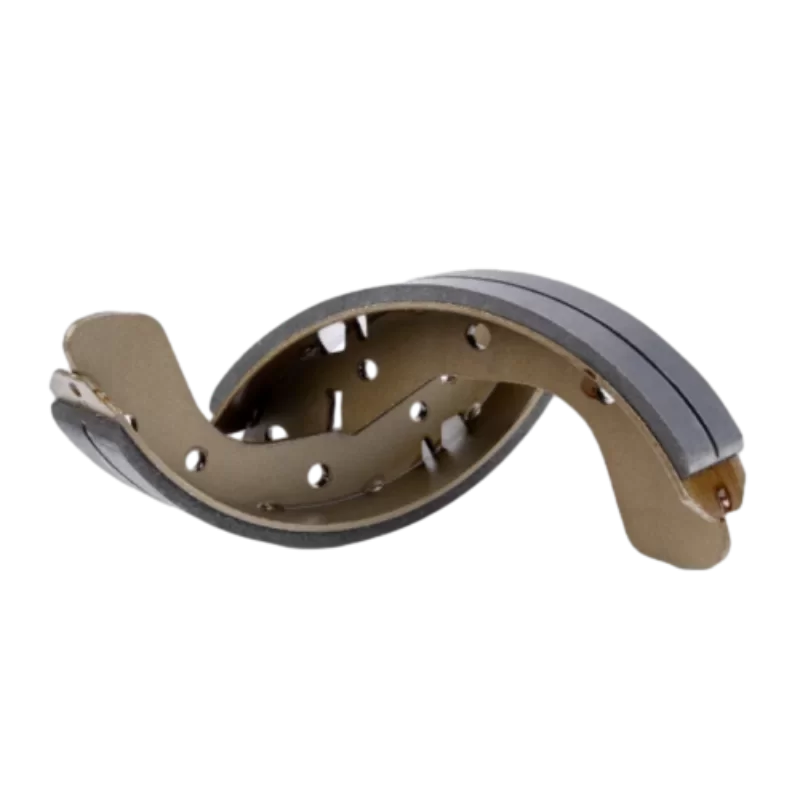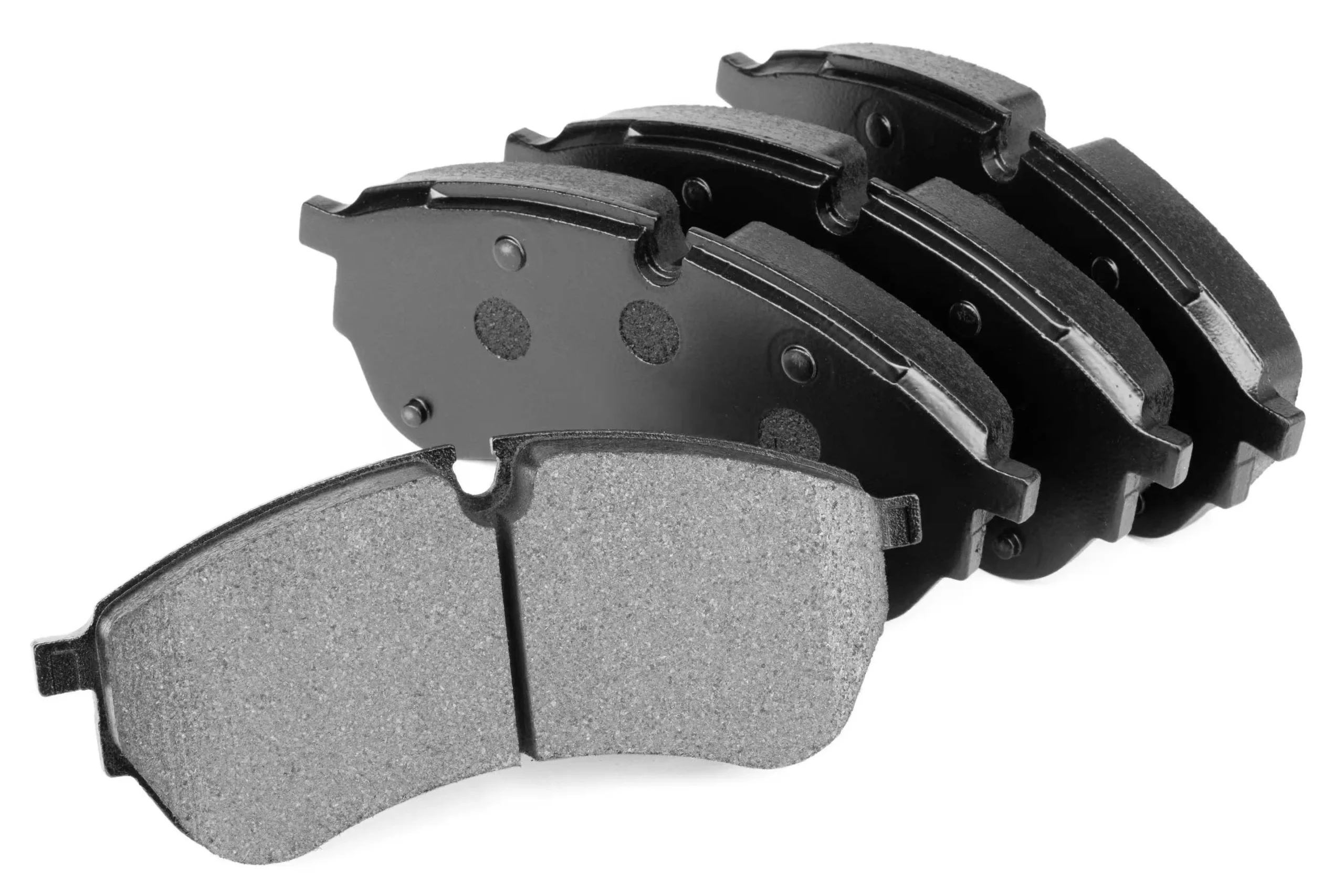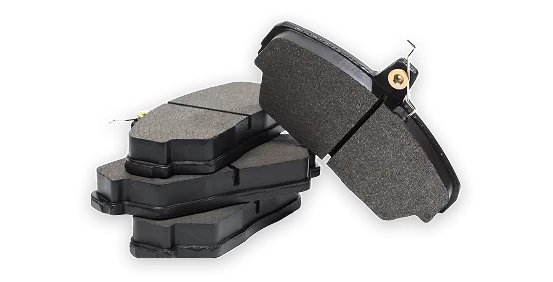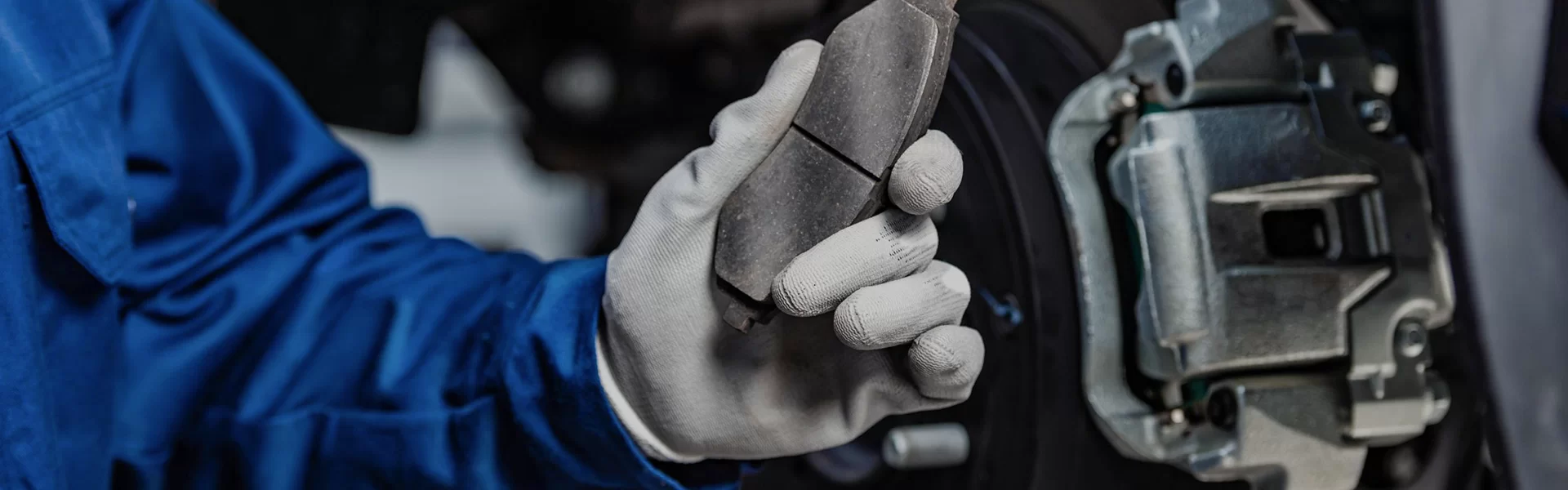
Brake pads are often overlooked parts until they start squeaking or worse, fail completely. But these seemingly simple components — the front and back brake pads — play a crucial role in vehicle safety worldwide. With millions of cars, trucks, and buses on the road, ensuring quality brake pads isn't just a technical detail; it's a global necessity. Today, we’ll dive into what these brake pads are, why they matter globally, and how advances in their design contribute to safer, more efficient transportation.
Whether in bustling cities or remote areas, brakes are vital for controlling vehicles. According to the International Organization for Standardization (ISO), brake system reliability directly influences road safety for over 1.4 billion vehicles worldwide. In fact, faulty brakes are a significant factor in accidents. The front brake pads often bear the brunt of stopping force, but the rear pads balance control and stability. Understanding these parts is crucial because premature brake wear or failure can lead to costly repairs, downtime, or dangerous situations.
Moreover, with over 1.3 million road fatalities annually reported by the UN, quality braking systems are a key piece of the puzzle for safer roads. Globally, manufacturers and maintenance professionals strive to improve pad design to reduce environmental impact and enhance performance.
Simply put, brake pads are friction materials attached to brake calipers that press against a car’s rotors (or discs) to slow or stop motion. The front and back brake pads refer to those positioned on the front and rear wheels respectively. Their friction generates the force that converts kinetic energy into heat, halting the vehicle.
Most passenger vehicles employ disc brakes on the front wheels — because these handle a larger share of braking force — and either disc or drum brakes on the rear wheels. Front pads thus tend to wear faster, but quality rear pads are crucial too, especially for truck and bus braking systems where load distribution varies greatly.
The lifespan of brake pads varies widely depending on material composition, vehicle use, and road conditions. Durable pads resist wear while maintaining effective friction. Semi-metallic pads, for example, offer a good balance but can be noisier. Ceramic pads last longer and produce less dust but cost more.
When you press the brakes, a lot of heat is generated. Brake pads must handle this thermal load to avoid fading, where brakes lose effectiveness. Front pads especially must excel at dissipating heat because of their heavy workload.
Nobody likes squealing brakes or black dust covering their wheels. Modern brake pads are engineered to minimize noise and dust, both of which can indicate inefficient friction or unsuitable materials.
For consumers and fleet operators, cost-effectiveness balances upfront price with longevity and performance. Cheaper pads might save money initially but could lead to faster wear, meaning more frequent replacements.
Brake pad materials can release harmful particles into the environment. Many manufacturers are shifting to eco-friendlier formulations, complying with regulations like those from the California Air Resources Board (CARB).
| Spec | Semi-Metallic | Ceramic | Organic (Non-Asbestos) |
|---|---|---|---|
| Average Lifespan | 30,000–50,000 miles | 40,000–70,000 miles | 20,000–40,000 miles |
| Noise Level | Moderate | Low | Low |
| Heat Tolerance | High | Moderate | Low |
| Environmentally Friendly | No | Yes | Yes |
Mini takeaway: Brake pads must balance durability, heat resistance, noise, cost, and environmental factors to meet the diverse needs of today’s vehicles.
Across the world, reliable front and back brake pads contribute to countless sectors — from personal cars navigating crowded urban hubs, to massive industrial trucks hauling goods across harsh terrains. In bulk logistics hubs like the Port of Rotterdam, heavy trucks rely heavily on rear brake pads for stability during loading operations.
In post-disaster relief efforts, quick replacement brake systems ensure vehicles can safely transport supplies and personnel over damaged roads. Remote industrial zones in mining or forestry likewise depend on brake pad longevity to avoid costly downtime.
Interestingly, some governments encourage local manufacturing of brake pads to stimulate economies while ensuring quality standards align with ISO 6312 — which deals with brake linings and materials.
And frankly, there's peace of mind in knowing your brakes won’t fail you in tricky conditions — it's a trust every driver deserves.
The brake pad industry is evolving fast. Emerging materials like carbon-ceramic composites promise ultra-high durability and heat tolerance, albeit at a higher price point. Then there’s the integration with digital vehicle systems — where wear sensors alert drivers or fleet managers before issues arise.
Sustainability is increasingly front and center. Manufacturers are experimenting with bio-based resins and metals minimized for heavy environmental impact. Furthermore, increased automation in manufacturing ensures greater quality control and batch consistency.
Brake pads face challenges like uneven wear, noise complaints, and environmental regulations. For instance, older semi-metallic pads may emit more brake dust harmful in cities. Luckily, advancements in material science and testing protocols, such as dynamometer simulations, help engineers fine-tune pad designs before production.
Fleet operators often struggle to balance cost and quality, but working closely with trusted vendors who provide documented compliance can mitigate risks. Maintenance training further optimizes pad life.
| Vendor | Material Focus | Price Range | Eco Certification | Warranty |
|---|---|---|---|---|
| BrakeMaster | Semi-metallic & Ceramic | $$ | CARB Compliant | 3 years/50,000 miles |
| EcoBrake | Organic (Non-Asbestos) | $ | ISO 14001 Certified | 2 years/30,000 miles |
| CarbonTech | Carbon-Ceramic | $$$ | Pending | 5 years/100,000 miles |
All things considered, taking care of your front and back brake pads is not just about routine maintenance — it’s about safety, cost savings, and environmental responsibility. As technologies evolve, so do the materials and designs that keep vehicles stopping reliably. Whether you’re a professional fleet operator or an everyday driver, choosing quality brake pads pays off in the long run.
If you want to learn more or browse a trusted selection, visit our website for expert guidance and product options.
Oddly enough, I’ve noticed brake pad innovation keeps pace with tech trends more than many expect — proving that even small parts can have big impacts.