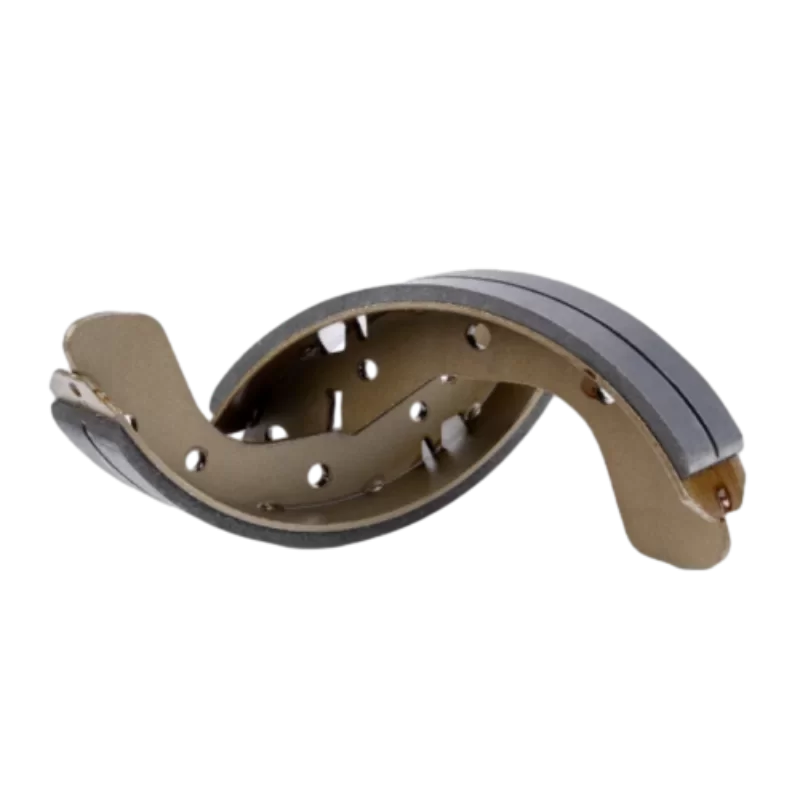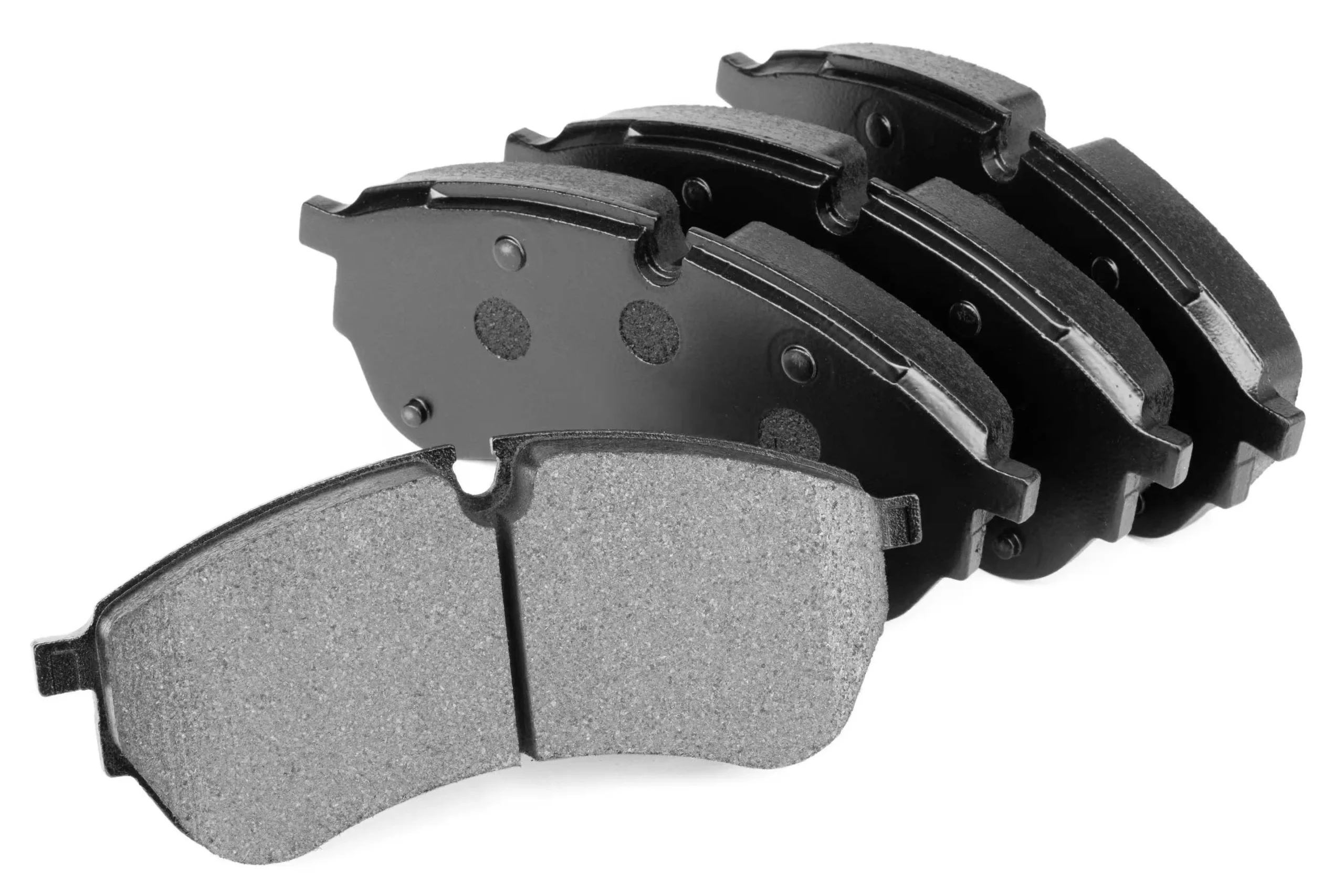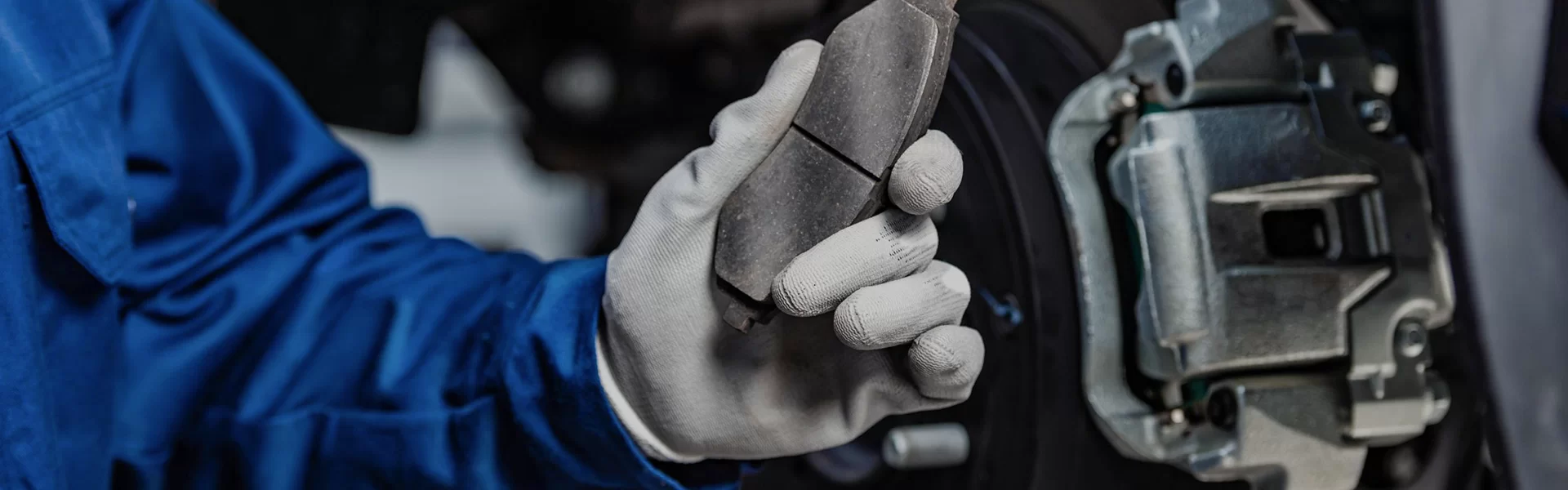
At first glance, “double leading drum brakes” might sound like an old-school mechanical relic — but they’re far from obsolete. These brakes remain a vital component in various applications worldwide, from heavy trucks hauling freight across continents to industrial machinery buzzing quietly in factories. If you’ve ever wondered why some brake systems deliver such dependable stopping power despite modern disc brake trends, double leading drum brakes might just be the missing piece of the puzzle. Their design grabs onto wheel drums from both sides, improving friction and delivering more braking efficiency, especially at lower speeds or under heavy loads.
And honestly, in a world increasingly obsessed with greener, safer, and cost-effective technologies, understanding these brakes isn’t just academic; it’s practical. Whether it’s global logistics, public transportation, or emergency response vehicles, knowing how double leading drum brakes function and where they fit into industry makes it easier to appreciate their ongoing relevance.
Consider the massive scale of global transportation and industrial machinery – according to the International Road Transport Union, road freight carries over 70% of goods worldwide. That’s a staggering number, and vehicle safety becomes non-negotiable. Enter double leading drum brakes, a system designed with reliability and stopping power in mind, especially for heavy-duty and slower-speed applications.
Now, official standards, like those from ISO and UNECE, highlight the need for effective braking systems that balance cost, durability, and performance. The demand is particularly high in emerging markets, where fleets often use drum brakes due to affordability and robustness compared to their disc brake counterparts. This is compounded by challenges like rough terrain in developing regions or stop-and-go urban logistics worldwide — conditions where double leading drum brakes excel.
However, it’s not without problems: drum brakes generally require more maintenance than discs and can experience fade under high heat. But many engineers say that for many industrial and transport uses, the double leading design’s balance of performance and cost still makes it hugely valuable.
Simply put, a double leading drum brake uses two brake shoes, both of which act in a "leading" direction when the brakes are applied. This means each shoe pushes forward against the drum’s rotation during braking, doubling the braking force compared to single leading designs, which have only one shoe providing this advantage.
Imagine brake shoes that “grab” the drum from two sides, amplifying friction and stopping power. This design is especially beneficial in rear brakes of heavy vehicles or in industrial equipment that needs substantial stopping force without sophisticated electronics or discs.
Why does this matter in modern industry? Because despite newer technologies, many utility vehicles and machines still need vastly reliable, mechanical systems that won’t fail when electronics might. For humanitarian logistics — think emergency relief convoys or equipment transport in disaster-hit zones — having brakes that perform well even in extreme conditions matters more than fancy tech in many cases.
The obvious star here: both shoes generate leading force, significantly improving brake efficiency, especially useful for heavy loads or uphill stops.
These brakes often last longer and cost less to produce and maintain than high-end disc systems, making them a practical choice for fleets aiming to keep upkeep manageable.
No delicate sensors or electronic modules that might fail in harsh environments. It’s all mechanical — pure physics — which many industries trust implicitly.
From heavy trucks in Europe to industrial vehicles in Asia and public buses in Africa, the design adapts easily to many requirements, making it widely used globally.
Double leading drum brakes strike a rare balance between power, simplicity, and cost-effectiveness. For industries and regions where ruggedness and dependability matter more than cutting-edge tech, they’re still very much relevant.
These brakes have carved niches across continents and sectors. For example:
In a nutshell, industries and regions that require predictable, robust braking forces favor double leading drum brakes. The design’s ability to provide strong, mechanically stable braking under diverse conditions is a key asset.
Cost is an obvious benefit. But beyond that, these brakes offer:
For many operators, the emotional reassurance that a brake system won’t suddenly fail outweighs the desire for the latest tech. Innovation isn’t always about new tech; sometimes it’s about making something already good, last longer and perform better.
Oddly enough, even a classic design like this isn’t stuck in the past. Features like improved shoe materials incorporating ceramic composites are improving lifespan and reducing brake dust. Digital monitoring sensors — yes, paired with mechanical drums — help maintenance teams predict when servicing is needed, avoiding costly downtime.
On the sustainability front, manufacturers are exploring eco-friendly friction materials meeting ISO standards (like ISO 6312 for brake lining). Automation in industrial vehicles is also prompting brake system tweaks to integrate seamlessly with electronic control systems.
Fading under prolonged braking and heavier maintenance schedules are frequent complaints. Still, solutions like better heat-dissipating drum designs and regular sensor-driven inspections are helping.
Also, many operators underestimate proper brake adjustment — maintaining constant contact pressure is crucial. Hands-on training and smart toolkits from vendors can address that. More advanced materials also reduce wear rates.
| Specification | Value / Range |
|---|---|
| Brake Shoe Type | Double Leading (Self-Energizing) |
| Typical Drum Diameter | 300–420 mm |
| Operating Temperature Range | -20°C to 250°C |
| Material | Cast Iron Drum, Composite Friction Lining |
| Average Life Expectancy | 30,000–50,000 km (depending on usage) |
| Common Applications | Heavy Trucks, Buses, Industrial Machines |
| Vendor | Pricing | Material Quality | Global Reach | Innovation Focus |
|---|---|---|---|---|
| KyBrake Pad Corp | Mid-range | High-grade composites | Strong (Asia, Europe, AMER) | Eco-friendly materials, digital monitoring |
| Brako Solutions | Budget | Standard iron and fiber | Regional (South Asia, Africa) | Basic designs, manual adjustments |
| GlobalBrake Inc. | Premium | Advanced alloys, ceramics | Worldwide | Hybrid brake systems integration |
In a world racing toward electrification and automation, some old classics, like double leading drum brakes, quietly keep industries moving. Their blend of mechanical simplicity, reliability, and affordability ensures they remain essential in the global transport and industrial landscape. Whether it’s a bus handling city traffic or a mining truck hauling heavy load, these brakes work hard, often without fanfare.
If you want dependable braking that has stood the test of time and continues innovating quietly in the background, checking out leading manufacturers is a great start. Visit our website for more insights and product info to keep your fleet safe and performing at its best.
Mini Takeaway: Don’t underestimate the power of tried-and-true technology in today’s high-tech world. Sometimes, classic engineering does the job best.