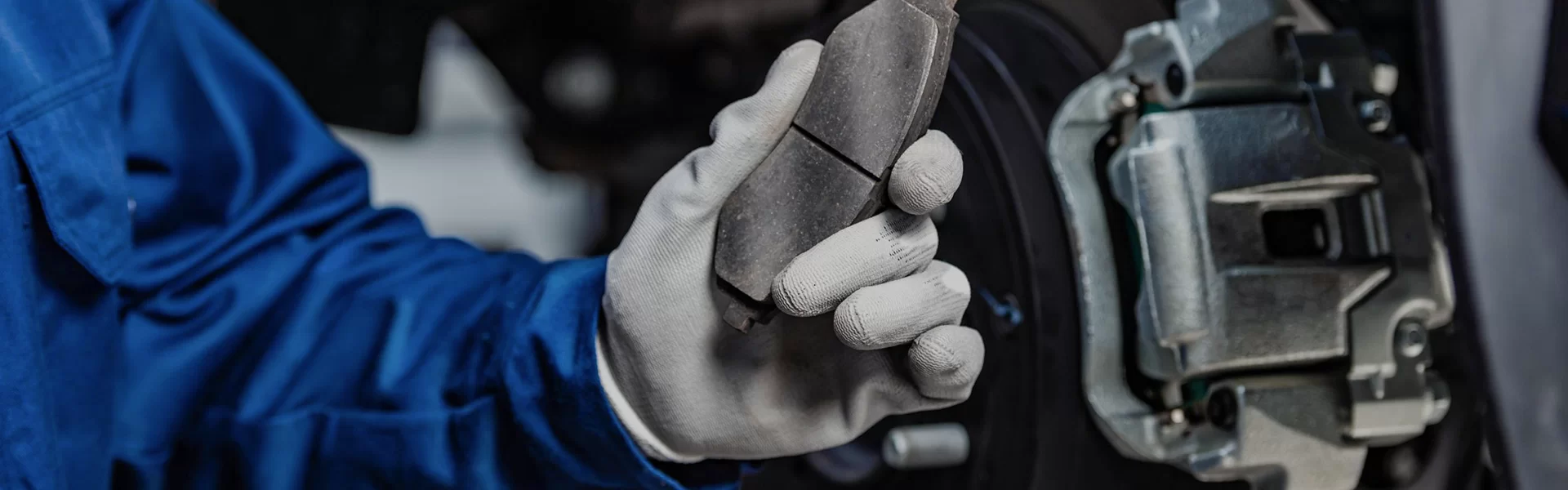
Air brake shoes might seem like a specialized, behind-the-scenes piece of machinery, but their presence is everywhere — especially wherever heavy vehicles and transportation safety are non-negotiable. From cargo trucks delivering essentials across continents to massive trains traversing long distances, understanding air brake shoes is key to grasping how industrial transport sustains global trade and infrastructure.
Why care? Because the quality and performance of these brake shoes don’t just affect mechanical functioning; they significantly influence safety, reliability, and efficiency worldwide — a ripple effect felt by businesses, governments, even humanitarian efforts. Knowing what air brake shoes are, how they work, and where they're heading isn’t just for engineers. It matters to us all, given our dependence on safe, efficient transport.
Commercial transport moves roughly 70% of global freight, with heavy vehicles depending heavily on effective air brake systems. The International Organization for Standardization (ISO) reports that nearly one-third of heavy vehicle accidents can be traced to braking failures — a sobering statistic that underscores why air brake shoes must perform flawlessly.
Rarely headline material, but air brake shoes solve the years-old problem of stopping massive vehicles swiftly and safely. In an era where supply chains are stretched and global warming pushes harder on vehicle emissions, optimizing braking technology becomes part of a much wider puzzle. It's about safety, sure, but also efficiency and sustainability.
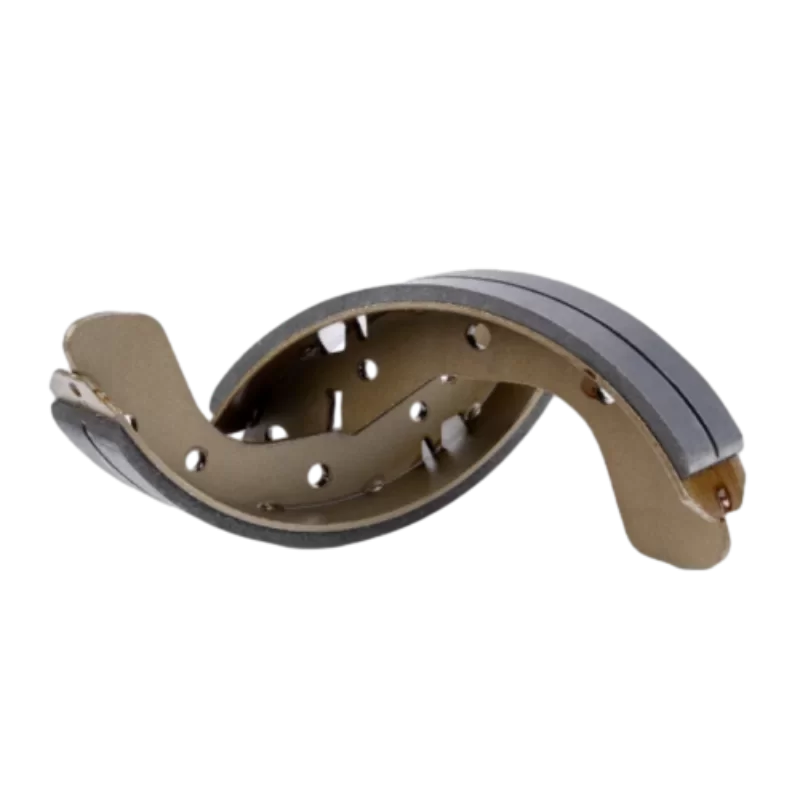
Put simply, air brake shoes are curved blocks attached inside drum brakes on large vehicles. When the driver presses the brake, compressed air activates a mechanism pressing these shoes against the drum, creating friction to slow or stop the machinery in motion.
Unlike hydraulic brakes used in smaller vehicles, air brake shoes use compressed air for force — a system more suited to the sheer size and weight of trucks, buses, and trains. This design element is critical for industries like construction, logistics, and public transit where stopping force must be reliable under relentless stress.
The lining of brake shoes usually features composites that resist heat and wear. Engineers lean heavily on materials like asbestos substitutes (ceramic, aramid fibers) now, driven by regulations and performance demands. This means longer service life, lower replacement frequency, easier maintenance.
Friction between shoe and drum determines stopping power. Optimizing this balance is tricky — too much friction burns parts out fast; too little compromises safety. Consistent friction performance is key during varied weather and operating conditions, which is why material science here is ever-advancing.
Stopping heavy vehicles generates immense heat. Brake shoes must dissipate this quickly to avoid degradation or failure. Some designs incorporate cooling fins or special alloys, particularly in high-demand regions like mountainous terrain or heavy-load haulage.
Field engineers appreciate designs that make shoe replacement straightforward. Downtime costs are massive, so modular, quick-swap solutions are preferred, which also aids smaller fleets managing their own upkeep.
Stricter emissions and waste laws push manufacturers toward eco-friendlier materials and recycling options for brake shoes — a growing piece of the puzzle, especially in Europe and North America.
Durable, efficient, and easy-to-service — air brake shoes are the unsung heroes keeping transport safe and on schedule. Their material science and design directly affect performance and regulatory compliance.
From bustling Asian mega-ports to remote mining trucks in Australia, air brake shoes are everywhere. But here’s an angle many overlook: they’re not just for commercial profit — humanitarian sectors rely on them, too.
Post-natural disaster relief convoys in Haiti or the Philippines use heavy trucks equipped with air brakes to deliver aid safely on rough roads. Without reliable braking, these missions risk lives and resources.
In mining-dependent economies of Africa, large haul trucks use air brake shoes designed for extreme conditions to maintain operational continuity and worker safety. It’s a clear example of how technical parts ripple out into social and economic stability.
Honestly, when you add it all up, air brake shoes are an unsung part of many people’s daily safety and economic well-being. It’s easy to overlook, until you realize a simple component holds major weight — well, literally.
The future is shifting toward smarter and greener components. Expect:
Despite these advances, challenges remain:
To tackle these, many vendors now offer customizable brake shoe solutions tailored to specific vehicle models and regional regulations, combined with training and after-sales support programs — a wholesome approach much needed in heavy transport.
| Specification | Typical Value | Details/Notes |
|---|---|---|
| Lining Material | Ceramic composite | Non-asbestos for safer handling |
| Brake Shoe Width | 100-150 mm | Varies by vehicle model |
| Heat Resistance | Up to 600°C | Critical for mountain haulage |
| Average Service Life | Around 80,000 km | Depends on usage and conditions |
| Installation Type | Direct fit / modular | Facilitates field repairs |
| Feature | KyBrakePad | BrakeSafe Co. | StopMaster Inc. |
|---|---|---|---|
| Material Technology | Advanced ceramic composites | Aramid fiber blends | Organic non-asbestos |
| Heat Dissipation | Enhanced metal backing | Standard backing plate | Basic design |
| Warranty | 3 years / 120,000 km | 2 years / 100,000 km | 1 year / 80,000 km |
| Customization Options | Wide range, OEM partnerships | Limited | None |
| Global Availability | 100+ countries | 50+ countries | Limited regions |
Look for signs like decreased braking efficiency, unusual noises (squealing or grinding), or visual grooves and thinning on the brake shoe lining. Most manufacturers recommend inspection every 20,000-30,000 km, but actual wear depends on conditions and driving style.
Not always. While many brake shoes are designed to standard specs, factors like mounting type and size vary across makes and models. It’s best to consult your vehicle manual or supplier for exact compatibility or opt for customized options offered by vendors like KyBrakePad.
Indirectly, yes. Efficient braking systems ensure smoother operation and prevent drag caused by worn components. Also, lighter brake shoe materials can slightly reduce overall vehicle weight, contributing to marginal fuel savings over time.
Increasingly so. Modern brake shoes use eco-friendlier materials that can be reclaimed or recycled at end-of-life, reducing environmental impact. Check with your local waste management or supplier recycling programs for proper disposal routes.
Extreme heat or cold impacts material integrity and friction properties. Manufacturers design specialized brake shoes with enhanced heat resistance or moisture protection for challenging climates, ensuring reliable performance even in deserts or freezing zones.
So, air brake shoes may seem like a small part of the vast transport ecosystem, but they pack a punch in safety, reliability, and global commerce. Understanding their components, benefits, and challenges helps fleets, businesses, and even humanitarian groups optimize operations…and in the real world, that can mean smoother roads, fewer accidents, and better deliveries.
If this has sparked your interest and you’re looking for high-quality air brake shoes, don’t hesitate to explore the options we recommend — especially KyBrakePad’s offerings, which meld innovation and reliability perfectly.
Visit our website to learn more and see how air brake shoe technology can elevate your fleet’s safety and performance!
It’s odd how such a niche product could have world-wide impact, but then again, transport underpins almost everything. Air brake shoes might be just a piece, but they’re a vital one.