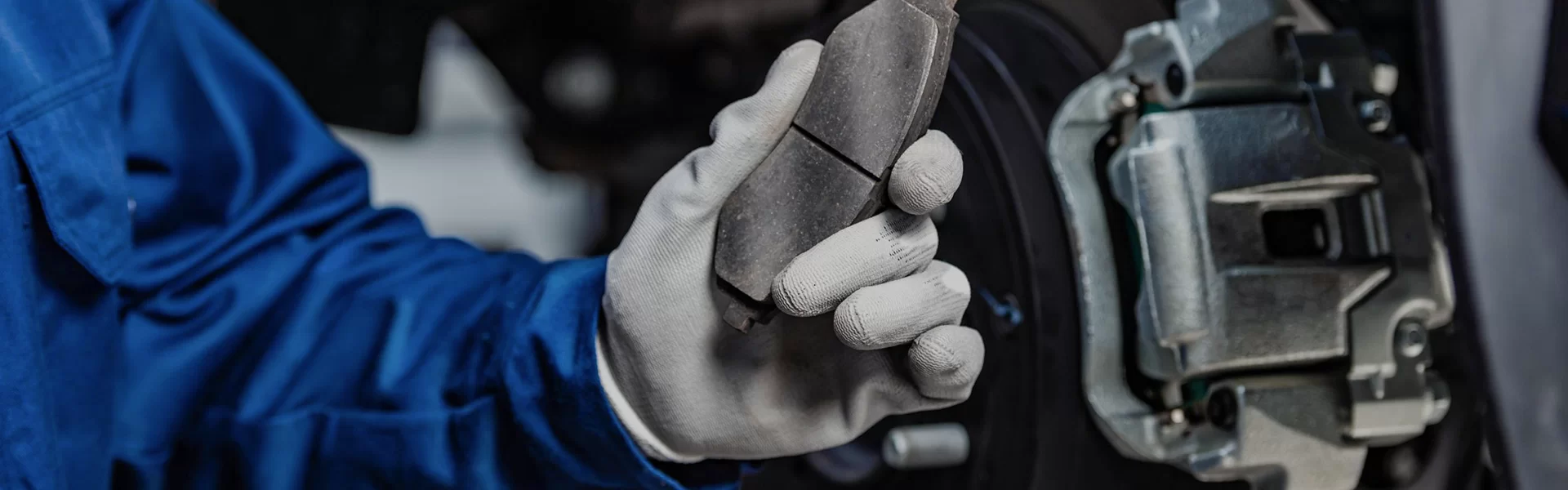
If you’ve ever wondered what keeps heavy vehicles like trucks or buses safely slowing down, the anchor brake shoe plays a surprisingly crucial role. Despite sounding niche, the anchor brake shoe's influence ripples through industries worldwide, ensuring safety, reliability, and efficiency in transport and heavy machinery. Understanding this component is not only essential for engineers but also for anyone interested in vehicle safety and mechanical innovation.
On a global scale, reliable braking systems reduce accidents, improve fuel efficiency, and even contribute indirectly to lowering emissions by controlling vehicle speed consistently. The anchor brake shoe’s main benefit? It provides a secure, durable foundation for brake pads to press against, which underpins the entire drum braking mechanism.
Mini Takeaway: The anchor brake shoe is vital in vehicle safety, serving as the backbone of many braking systems worldwide.
Globally, transportation accounts for over 29% of energy use in the industry sector (according to the International Energy Agency). Reliable braking components like the anchor brake shoe help ensure that the vast fleet of commercial vehicles operates safely under diverse conditions. In particular, developing countries with rugged terrains rely heavily on affordable and durable braking solutions to keep supply chains moving.
However, challenges remain. The global brake parts market is expected to grow steadily, driven by demand for replacements as vehicles age and stricter safety regulations take hold in emerging markets. Yet, many manufacturers face the dilemma of balancing cost with durability and performance.
Mini Takeaway: Anchor brake shoes are integral to the growing global vehicle fleet, especially as regulators push for safer and more efficient braking systems worldwide.
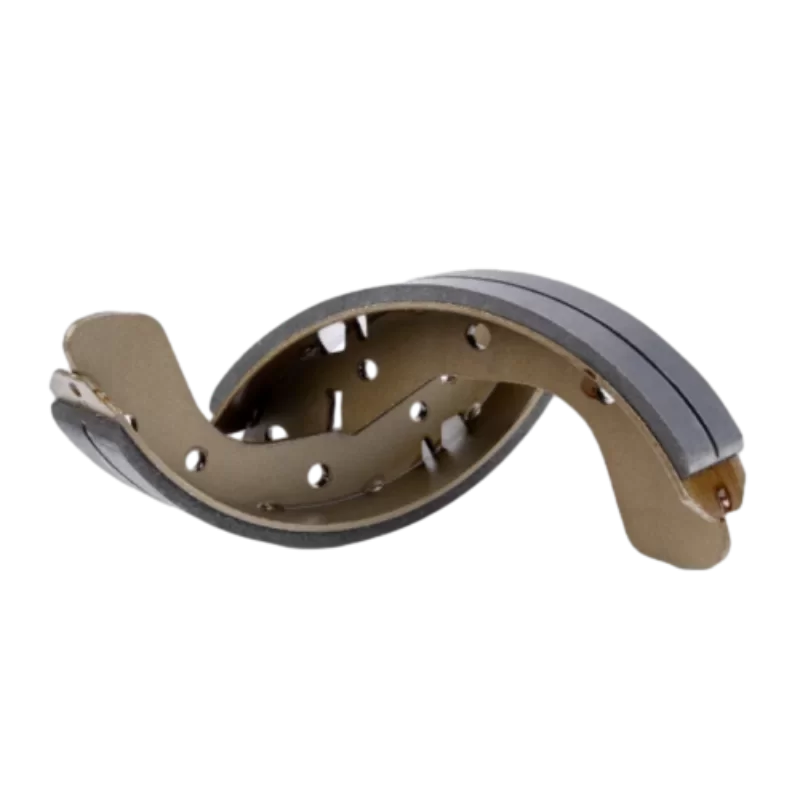
Simply put, an anchor brake shoe is a stationary component within a drum brake assembly. It acts as the fixed point where the brake shoes pivot and apply friction against the drum to slow or stop the wheel’s rotation. Anchor brake shoes are engineered to endure friction and heat, providing a stable "anchor" for the moving parts to press against during braking.
From buses to heavy-duty trucks and even construction machinery, the anchor brake shoe is essential for safe deceleration. As vehicles evolve, so does this component — modern designs incorporate advanced materials that improve longevity and heat dispersion, addressing safety and reliability in equal measure.
These shoes must withstand intense friction and heat over long periods. Grades of steel and composite materials are selected for strength and resistance to wear.
Fit and finish matter because slight misalignments lead to uneven wear, reduced braking efficiency, or premature failure.
Manufacturers balance between affordable materials and high performance — since vehicles often require replacements over their lifespans.
Proper design facilitates cooling, reducing risks of brake fade during prolonged use, especially in heavy industrial or transport applications.
Anchor brake shoes come in various sizes and specifications to fit different vehicle models and brake drum configurations.
Mini Takeaway: The anchor brake shoe balances durability, precision, and cost, making it a silent hero in braking systems.
Industries from logistics to mining depend on drum brakes with anchor brake shoes. For example, in regions like Sub-Saharan Africa, rugged terrain and prolonged transport cycles make maintenance challenging — but an efficient anchor brake shoe extends brake life, reducing downtime.
In urban public transport, anchor brake shoes improve safety on frequent stop-and-go routes. And in mining operations, where heavy vehicles haul tons daily, these brake shoes endure tough conditions, often with customized designs to meet specific load or environmental requirements.
For humanitarian organizations operating in disaster zones, reliable brake systems ensure vehicles used for relief efforts maintain safety despite irregular maintenance conditions. This component’s role is often overlooked but absolutely critical.
| Specification | Value | Remarks |
|---|---|---|
| Material | High Carbon Steel | For durability and strength |
| Thickness | 8 mm | Standard for heavy-duty applications |
| Weight | 1.2 kg | Sufficient for stability yet lightweight |
| Operating Temperature | -40°C to 300°C | Suitable for harsh climates |
| Compatibility | Drum diameter 280-320 mm | Fits commercial vehicle brake drums |
| Vendor | Material Quality | Product Range | Pricing | Delivery Time |
|---|---|---|---|---|
| GlobalBrakes Co. | Premium steel alloys | Wide (all vehicle types) | High | 2 weeks |
| SafeStop Ltd. | Standard carbon steel | Focused on commercial vehicles | Moderate | 1 week |
| BrakeMaster Inc. | Composite metals | Niche industrial sectors | Competitive | 3 weeks |
Quality anchor brake shoes translate directly to enhanced safety — the obvious first benefit. Their durability reduces replacement frequency, cutting maintenance costs and downtime. Beyond this, improved materials and heat handling extend the life cycle and performance reliability, even under harsh conditions.
Emotionally, think about drivers and operators trusting their equipment to respond without fail. It’s an unseen assurance that reduces stress and builds confidence. Innovation in anchor brake shoe design sometimes gets overshadowed by flashier tech, but it remains foundational to trust and safety.
Looking ahead, the focus is on sustainability and smarter materials. Manufacturers are experimenting with lightweight alloys and even ceramic composites to reduce weight and improve heat resistance. Digital solutions — like embedded sensors to monitor wear and temperature — could offer predictive maintenance, cutting failures before they happen.
Green regulations are nudging the entire brake industry to rethink friction materials to reduce harmful particulates. Oddly enough, the anchor brake shoe might seem old-school, but it’s evolving quietly alongside electric and hybrid vehicle tech, ensuring braking systems keep up.
Some challenges with anchor brake shoes include material wear, corrosion in humid environments, and fit inconsistencies in older vehicles. Solutions involve better surface treatments, corrosion-resistant coatings, and modular designs that allow easy customization for various brake drums.
Experts also eye additive manufacturing (3D printing) as a way to prototype and produce bespoke brake shoe designs rapidly, which could revolutionize part availability and performance.
Ultimately, the anchor brake shoe’s significance can’t be overstated. It’s a small but mighty piece that contributes to safer roads and reliable industrial operations worldwide. Whether you’re a fleet manager, mechanic, or just someone fascinated by what keeps vehicles safe, appreciating this component is a step toward better understanding transportation systems as a whole.
To explore quality anchor brake shoe options or learn more about braking solutions, visit our website: anchor brake shoe.
Hopefully, this gave you a fresh perspective — even the most technical parts deserve their moment in the spotlight.