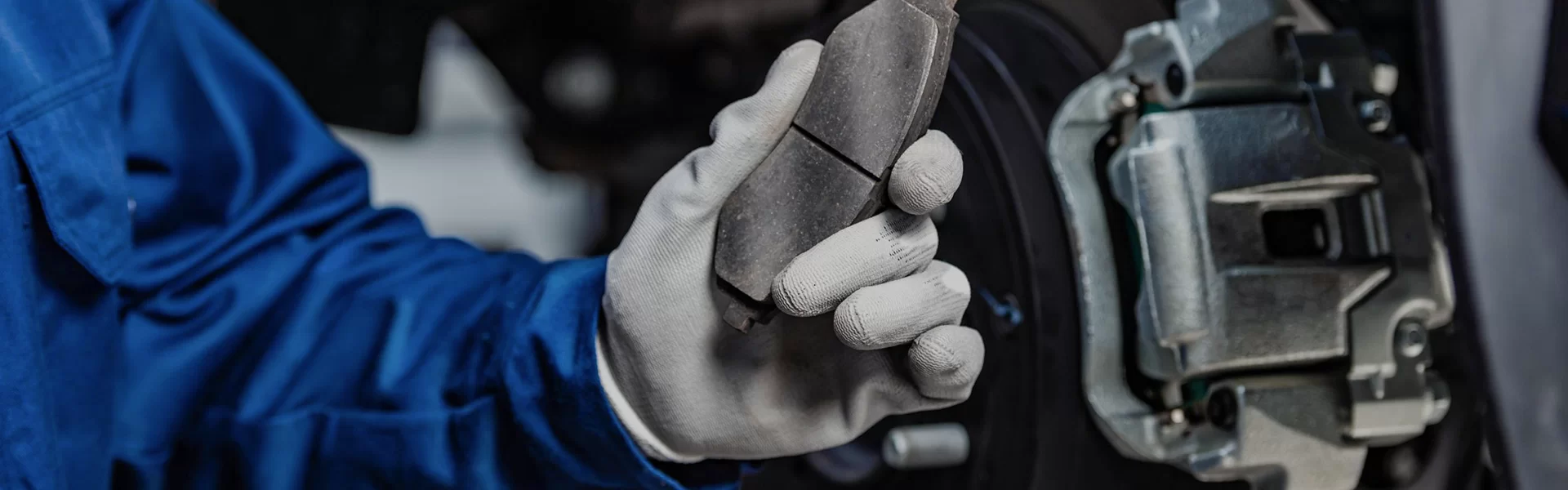
If you’ve ever taken a moment to appreciate how something as simple as stopping a wheel involves intricate engineering, then arc brake shoes might just catch your eye. These components, while often overlooked, are fundamental in making vehicles and machinery reliable and safe around the world. Whether you’re thinking about heavy trucks on the highways of Europe, industrial machinery in Southeast Asia, or freight trains stretching across continents, arc brake shoes play a pivotal role.
Globally, the demand for reliable braking systems is growing. According to the International Organization for Standardization (ISO), improvements in brake system performance directly correlate with reductions in road accidents and equipment failure. Understanding arc brake shoes is key for industries aiming to boost safety while reducing costs associated with wear and maintenance.
Mini takeaway: Arc brake shoes may sound niche, but they’re a backbone of safety and efficiency in transport and industry worldwide.
Data from the World Bank shows that global freight and passenger volumes are expected to increase by nearly 50% over the next two decades. As vehicles and machinery become more powerful, stopping them safely becomes an even tougher challenge. This is where arc brake shoes find their global relevance: they’re designed to optimize braking force and durability, key to preventing accidents and downtime.
Here’s the catch: improper or worn-out brake shoes raise risks and costs. Maintenance can be a nightmare, especially in less accessible areas. Industrial zones in parts of Africa or South America face delays because replacement parts aren't always readily available, which has a ripple effect — from slowed delivery schedules to higher transport insurance premiums.
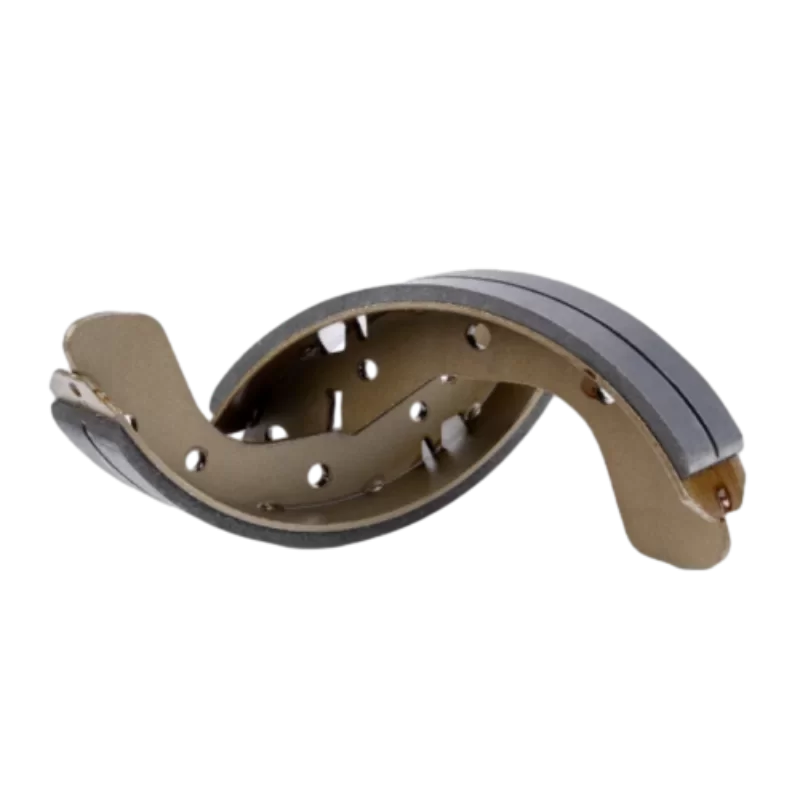
In simple terms, arc brake shoes are curved, friction-bearing components that press against the interior surface of a brake drum to slow down or stop rotation. Picture a horseshoe inside a spinning wheel, where friction gently but firmly applies braking force.
These brake shoes are meticulously engineered to provide maximum contact surface and heat dissipation for reliable stopping performance, especially under heavy load conditions. Their importance extends beyond vehicles; industries like mining, railways, and manufacturing rely heavily on arc brake shoes to ensure machinery halts safely.
In an age of automation and rapid transport, arc brake shoes symbolize a simple yet vital interface between man and machine safety. Hospitals using cranes, or emergency relief convoys navigating tough terrain, all depend on reliable brakes. In a way, arc brake shoes underscore humanity’s continued quest for safer, more efficient movement.
The best arc brake shoes use a combination of asbestos-free friction materials and steel bases designed to withstand high temperatures and friction wear. Durability means less frequent replacements and safer braking over time.
Friction generates heat. Without proper heat dissipation, brake shoes can warp or degrade leading to failure. Many arc brake shoes incorporate micro-grooves or heat-resistant composites to maintain performance.
Arc brake shoes come in various sizes and curvatures depending on the vehicle or machine. This scalability ensures they can be mass-produced yet customized, which improves service life and performance.
Balancing cost with performance is tricky. Advanced friction materials raise costs but improve lifespan. Efficient manufacturing processes and recycling initiatives are helping lower overall expenses.
Many manufacturers adhere to ISO 6312 standards (the brake linings standard), which bind product performance to strict testing protocols, ensuring reliability.
Mini takeaway: It’s these core factors—durability, heat management, fit, cost, and testing—that keep arc brake shoes effective in demanding conditions.
Arc brake shoes power a remarkable variety of global applications:
Manufacturers that service these sectors often have to innovate for extreme conditions, from desert heat to polar cold.
| Specification | Value / Description |
|---|---|
| Material Composition | Non-asbestos organic friction layer, steel backing |
| Typical Arc Radius | 200–350 mm (varies by vehicle type) |
| Operating Temperature Range | -40°C to 400°C |
| Coefficient of Friction | 0.35–0.45 (dry) |
| Service Life Expectancy | 30,000–50,000 km (dependent on use) |
| Certification | ISO 6312, SAE J661 compliant |
| Vendor | Material Quality | Price Range | Global Reach | Tech Innovations |
|---|---|---|---|---|
| BrakeTech (USA) | Premium organic composite | $$$ | Worldwide | Nano-coatings for heat resistance |
| MotiveBrake (Germany) | Ceramic blend | $$ | Europe, Asia | Self-monitoring wear sensors |
| EcoStop (India) | Recycled composite materials | $ | South Asia, Africa | Bio-based friction materials |
Mini takeaway: Arc brake shoes are not just parts; they’re trustkeepers on roads and in industries alike.
Looking forward, many engineers predict a race toward “smart” brake shoes. This means integrating sensors that provide real-time feedback on wear and temperature, linking directly via IoT systems for predictive maintenance.
Materials are also advancing — more bio-based and recycled composites, reducing carbon footprints. And, in a nod to automation, self-adjusting arc brake shoes capable of modulating pressure more precisely will likely dominate, supporting electric vehicles and green logistics.
No technology is perfect. Arc brake shoes face issues like:
Solutions come from novel composite research and digital tracking for inventory optimization, avoiding costly downtime. Collaboration among manufacturers, regulators, and field engineers is key — a mantra repeated in industry forums worldwide.
A: Replacement depends on use and environment but generally every 30,000 to 50,000 km for heavy vehicles. Regular inspections are essential to catch wear early.
A: Yes, they’re versatile but must be matched to the vehicle’s size and weight specifications for optimal safety and performance.
A: Not necessarily. Advances in bio-composites have resulted in friction materials that meet or exceed traditional standards while being environmentally friendly.
A: Trusted vendors like arc brake shoes suppliers offer a range tailored to industrial equipment. Always check compatibility and certifications.
A: Implementing predictive maintenance using wear sensors and monitoring systems reduces unexpected failures and keeps equipment running smoothly.
Arc brake shoes might not be the flashiest component in any machine, but their impact is unmistakable. From boosting safety on busy highways to enhancing productivity in factories and disaster relief, their role is both practical and profound.
Making informed choices about materials, manufacturers, and future-ready features can transform simple maintenance into a strategic advantage — saving money, lives, and the planet. Curious to learn more?
Visit our website: https://www.kybrakepad.com for the latest solutions and expert guidance on arc brake shoes.
References: