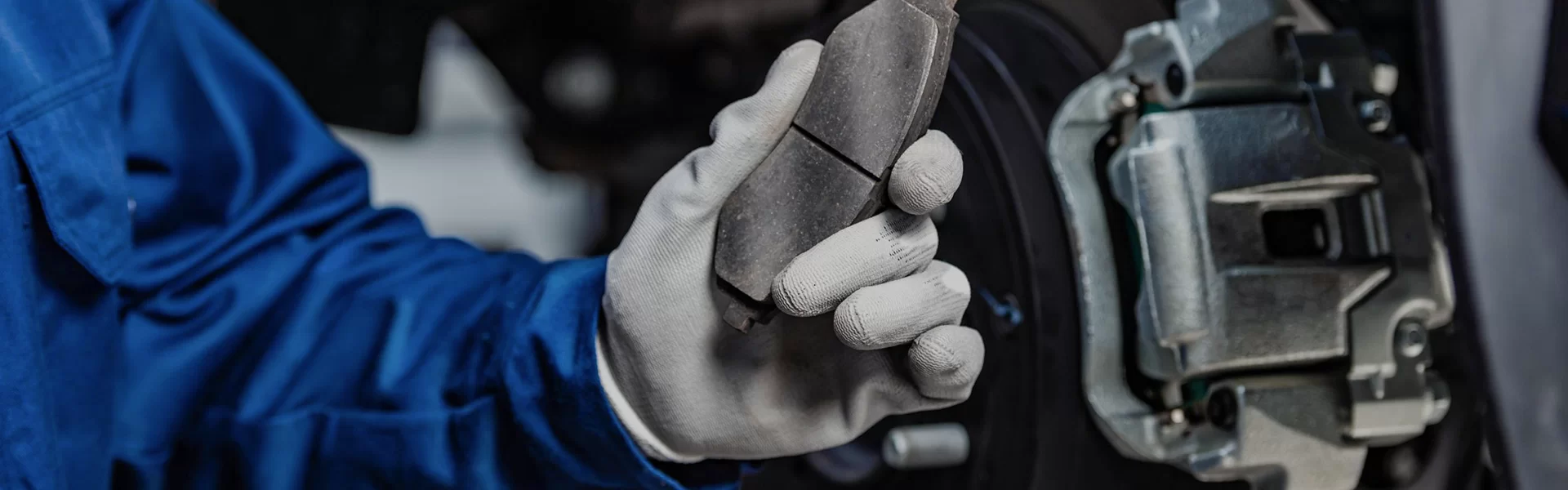
In the world of automotive and industrial machinery maintenance, arc grinding brake shoes are a somewhat unsung hero. On the surface, they might sound like just another niche product, but the truth is they play a crucial role in safety, efficiency, and longevity of braking systems globally. Understanding what arc grinding means for brake shoes helps industries reduce downtime, sharpen performance, and ultimately save lives—especially when you consider how braking failures can cascade into serious accidents.
From heavy trucks rolling freight across continents to city buses stopping commuters daily, the quality and precision of brake shoe resurfacing can’t be overlooked. So why should you care about arc grinding brake shoes? Because they’re often the difference between a smooth stop and a costly emergency.
Across the globe, with over a billion vehicles estimated in operation (according to the International Organization of Motor Vehicle Manufacturers), brake maintenance is a universal challenge. The World Health Organization highlights that nearly 1.35 million people die on roads every year, many incidents involving brake failure or poor maintenance. That’s a big chunk of why industries from logistics to public transit focus heavily on brake integrity.
Arc grinding brake shoes come into this conversation as a practical, cost-effective solution to restore braking surfaces with precision. Post-disaster logistics operations, for example, depend on fleet vehicles that can safely ramp down loads on rough terrain — arc grinding is part of maintaining that reliability even in the harshest conditions.
Mini takeaway: Worldwide, arc grinding brake shoes help improve safety and reduce accidents while saving fleets costly replacements.
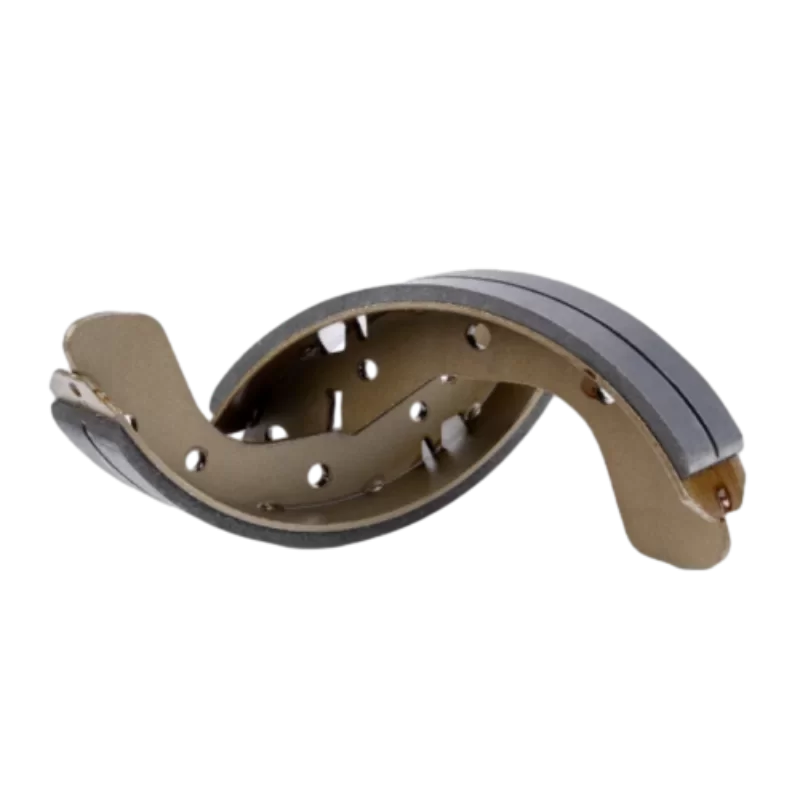
Essentially, a brake shoe is a curved piece of metal lined with friction material that presses against a wheel drum to slow a vehicle down. But over time, this friction surface wears out or warps. That’s where arc grinding enters — a method of precision grinding that reshapes and smooths the brake shoe’s friction surface via a controlled, arc-shaped grinding tool.
It’s not just patchwork; arc grinding restores the brake shoe's ideal contour for better contact with the drum, extending life and maintaining consistent braking force. This technique connects deeply to modern maintenance needs, where replacing every part isn’t always economical or sustainable.
The arc grinding tool’s curved path follows the brake shoe’s shape, ensuring uniform wear and restoring the original arc. This precision avoids uneven friction and potential vibrations, often reported as “brake judder.”
By gently removing worn material but preserving structural integrity, arc grinding helps brake shoes last longer and resist cracking—a common culprit in sudden failures.
Instead of discarding brake shoes after a single wear cycle, arc grinding allows refurbishment — cutting fleet maintenance budgets while keeping environmental impacts low.
Uniform contact means more predictable stopping power, reducing the risks of brake fade or loss of control under stress.
Whether your brake shoes use organic, semi-metallic, or ceramic linings, arc grinding can be tailored accordingly, making it a versatile solution across industries.
Mini takeaway: Arc grinding is a finely tuned method that balances safety, cost, and durability for brake shoes.
Arc grinding has found vibrant use in a number of areas. Heavy-duty trucking companies in North America and Europe rely on arc-ground brake shoes to keep long-haul fleets rolling efficiently. Public transportation agencies from Seoul to São Paulo utilize this method to maintain thousands of buses under strict safety schedules.
In industrial mining zones in Australia and South Africa, machinery faces constant strain and dust - arc grinding brake shoes help maintenance crews provide rapid turnarounds and keep equipment operational. NGOs running disaster relief convoys have noted how properly maintained brakes thanks to arc grinding prevent mishaps while transporting vital supplies in rough conditions.
| Specification | Value/Range | Notes |
|---|---|---|
| Grinding Arc Radius | 60-110 mm (varies) | Follows shoe curvature |
| Material Compatibility | Organic, Semi-metallic, Ceramic | Adjustable process parameters |
| Max Shoe Thickness Removed | Up to 1.5 mm | Prevents excessive thinning |
| Process Speed | 3-5 minutes per shoe | Varies with precision needed |
| Typical Operational Temp. | Ambient to 100°C | Safe for friction materials |
| Vendor | Grinding Precision | Material Support | Turnaround Time | Typical Cost Range |
|---|---|---|---|---|
| Brakeline Solutions | ±0.1 mm | All major lining types | 3 minutes/shoe | $$$ |
| PrecisionGrind Inc. | ±0.05 mm | Semi-metallic & ceramic focus | 4 minutes/shoe | $$$$ |
| EcoBrake Technologies | ±0.15 mm | Focus on organic, eco-linings | 5 minutes/shoe | $$ |
So what tangible benefits does arc grinding brake shoes bring to the table? First, there’s raw cost savings. Instead of replacing entire brake shoes, companies refurbish them, which cuts material waste and operational expense. Secondly, the process increases safety — and safety isn’t just a checkbox; it’s emotional peace of mind for drivers and operators who trust this quiet miracle under their feet.
From an environmental standpoint, extending brake shoe life reduces landfill waste and raw resource demand, aligning with a growing push for sustainability in manufacturing and logistics. And lastly, from a reliability and innovation perspective, newer arc grinding machines integrate computerized controls, making maintenance checks smarter and more consistent than ever.
If you peek into the crystal ball, you’ll notice a few exciting directions. Automation and robotics are enhancing grinding precision, making it possible to refurbish shoes faster without risking errors. Materials science is also pushing boundaries — composite and eco-friendly friction linings demand ever more precise and gentle resurfacing techniques.
Another trend is sustainability regulations driving tighter controls on vehicle emissions and maintenance standards. Arc grinding, by extending component life and reducing waste, fits neatly into these policies encouraged by global standards like ISO 14001.
Of course, arc grinding brake shoes isn’t without challenges. The process requires trained technicians and precise equipment calibration — mistakes can lead to uneven surfaces or excessive material loss. For smaller workshops, investment in quality grinders can be prohibitive.
Innovative solutions include modular arc grinding machines scaled for smaller enterprises, smart sensors that alert operators to grinding depth, and hybrid training platforms blending virtual reality with hands-on experience. The industry’s push towards digital transformation is also helping reduce human error in this delicate task.
Typically, brake shoes can be arc ground 2-3 times before replacement is necessary, depending on mileage and wear. Regular inspections help determine feasibility, though excessive wear or damage beyond grinding surface limits means replacement is safer.
While arc grinding is widely applicable—from passenger cars to heavy trucks—compatibility depends on the brake shoe design and lining material. Vehicle manufacturers’ specs should be consulted to ensure grinding won’t void warranties or compromise safety.
The primary goal of arc grinding is restoring the original contour for optimal contact. While it doesn’t “upgrade” performance, a well-ground shoe can prevent vibrations, noise, and improve pedal feel, indirectly enhancing driver confidence.
Arc grinding reduces the need for new manufacturing and raw materials, cutting down waste significantly. It’s widely viewed as a sustainable maintenance practice aligned with green standards in transport industries.
Quality services are available from specialized workshops and vendors including those listed here. It's best to look for ISO-certified providers to ensure safety and precision standards.
If there’s one takeaway, it’s this: arc grinding brake shoes deliver long-term value that blends safety, cost-efficiency, and environmental stewardship. For fleet managers, transit authorities, or industrial operators, embracing this precision maintenance means smoother stops and fewer headaches down the road.
Want to explore trusted providers or learn more? Visit our website and discover how arc grinding can keep you moving smartly into the future.