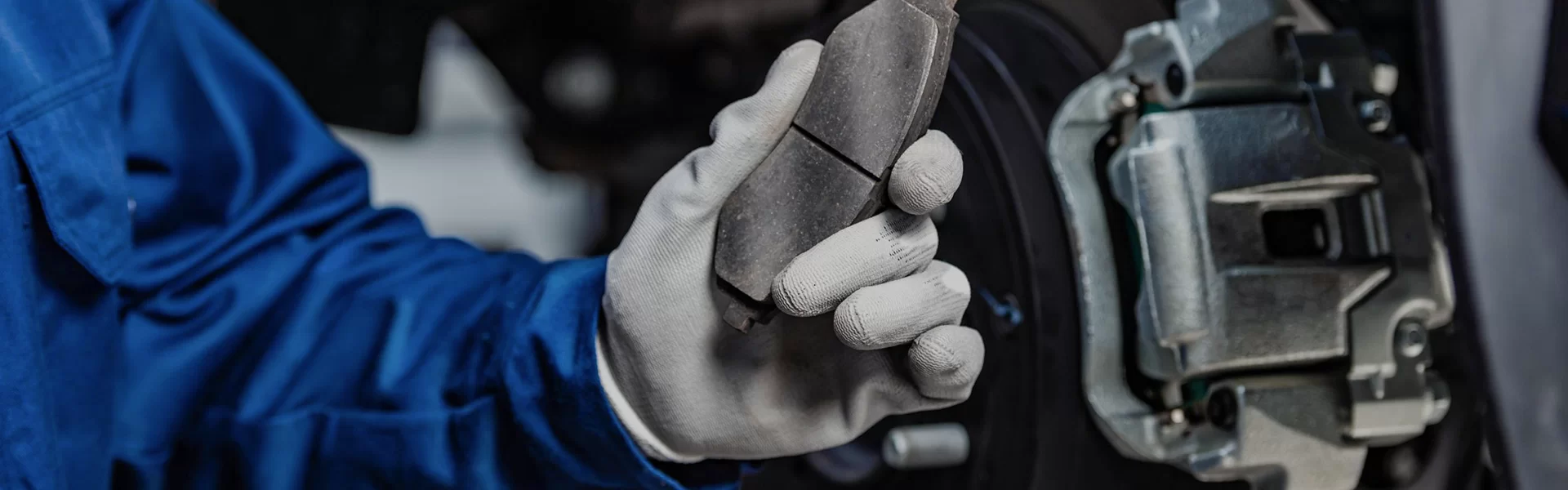
Big truck brake shoes might not be the first thing that springs to mind when thinking about global transport, but they are absolutely pivotal. These components are essential for the safe and efficient braking of heavy-duty trucks — the very vehicles that haul goods across continents, supply chains, and even humanitarian aid missions. Grasping their role helps us appreciate how thousands of tons of cargo come to a safe, controlled stop every day. It’s a topic layered with mechanical precision, safety regulations, and evolving innovations that affect industries worldwide.
Transport trucks handle nearly 70% of the world’s freight movement by land, according to the International Transport Forum (ITF) and World Bank estimates. The weight, speed, and sheer volume of these trucks demand reliable braking components, making big truck brake shoes a global linchpin in transport safety. Oddly enough, the actual makeup and design of these brake shoes solve challenges far beyond just stopping power — from environmental concerns to economic efficiency.
Yet, despite their importance, brake shoe failures remain a risk. ISO standards and regional regulations strive to minimize accident rates caused by brake system faults, especially on roads with difficult terrains or congested urban centers.
Mini takeaway: Reliable brake shoes are crucial for global freight safety, affecting billions of dollars’ worth of goods and countless lives on the road.
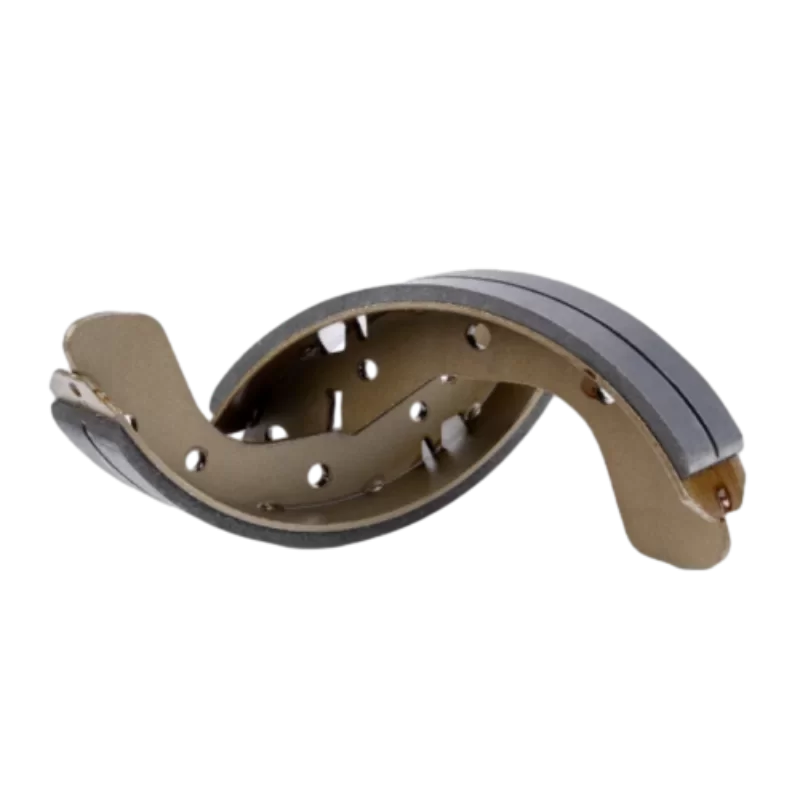
At its core, a big truck brake shoe is a crescent-shaped, robust friction component that presses against the brake drum to slow or stop a heavy vehicle. Unlike passenger cars that commonly use disc brakes, heavy trucks often rely on drum brakes with these shoes — partly because they handle high loads better and offer durability under harsh conditions.
Think of brake shoes as the unsung heroes connecting driver input to mechanical force, creating the friction necessary to safely dissipate kinetic energy. They’re vital in industries ranging from logistics to construction, and yes, even critical disaster relief convoys that need dependable braking under pressure.
Mini takeaway: Big truck brake shoes are the friction linings that engage drum brakes, enabling heavy trucks to safely slow down and stop.
Brake shoes must withstand immense friction and heat cycles. Materials like semi-metallic and organic compounds balance wear-resistance with performance. Many engineers say durability directly translates to lower maintenance downtime and reduced replacement costs.
Working on the braking drum generates heat. Brake shoes are designed to dissipate this heat effectively so as not to degrade prematurely or cause brake fade — an often overlooked but serious hazard in heavy trucking.
Many fleet operators juggle between upfront costs and long-term expenses. Brake shoes that balance price and longevity offer the best bang for the buck without compromising safety.
From asbestos (now mostly phased out) to advanced composites, material choices affect performance, environmental impact, and regulatory compliance. The shift toward eco-friendly formulations is growing fast.
Truck models vary widely, so brake shoes come in various sizes and curvatures. A perfect fit is key to maximize braking power and minimize uneven wear.
Mini takeaway: Durability, heat management, cost, materials, and fit are game-changers for choosing the right big truck brake shoes.
| Specification | Typical Value / Range | Notes |
|---|---|---|
| Friction Material | Semi-metallic / Organic / Ceramic | Varies for wear and heat resistance |
| Operating Temperature Range | -40°C to 500°C | Heat resistance ensures performance |
| Average Lifespan | 30,000 – 60,000 km | Depends on load & conditions |
| Typical Thickness | 10 – 15 mm | Balances wear life & weight |
| Weight | 0.7 – 1.2 kg per shoe | Varies with size |
Big trucks equipped with reliable brake shoes are the backbone of modern industry. In sprawling logistics hubs in North America, vast fleets rely on these parts day in and day out. In Europe, where regulations push for higher safety standards, brake shoe quality often differentiates suppliers. Developing nations in Asia and Africa also depend heavily on trucks to distribute food and medical supplies; the brake systems literally keep lifelines open.
Case in point: during post-flood relief efforts in Southeast Asia, heavy trucks loaded with emergency supplies had to navigate slippery, unstable roads. The brake shoes ensured gradual stopping power, preventing accidents and ensuring timely aid delivery. Similarly, in remote mining zones of South America, trucks hauling raw materials depend on brake shoes capable of repeated heavy stops without fail.
Mini takeaway: Big truck brake shoes are essential in lifesaving relief operations and industrial supply chains across the globe.
| Vendor | Product Range | Price Range (per shoe) | Special Features |
|---|---|---|---|
| KyBrake Co. | Wide (Semi-metallic, Ceramic) | $70 - $110 | Focus on eco-friendly materials, extended lifespan |
| BrakerTech | Moderate (Organic blends) | $55 - $85 | Budget-friendly, fast delivery options |
| SafeStop Solutions | Niche (Heavy-duty composites) | $90 - $130 | Custom fit, high torque resistance |
When a fleet owner picks the right big truck brake shoes, it’s not just about immediate braking performance. Over time, benefits compound:
On an emotional level, drivers and operators feel safer, and companies build trust with customers by avoiding delays or mishaps.
Mini takeaway: Big truck brake shoes bring lasting value through safety, savings, and sustainability.
Surprisingly, the brake shoe hasn’t remained static. The industry is buzzing with innovations:
Many suppliers already are piloting these advancements. So the humble brake shoe is becoming smarter and more sustainable — a reminder that even classic components evolve.
Brake shoes face tough challenges: inconsistent material quality, harsh climates, and operator misuse. Moreover, some regions still rely on outdated designs, risking performance and safety.
Experts recommend rigorous testing, adherence to ISO 16949 standards, and supplier transparency. Also, developing custom shoes matched to specific truck types helps avoid premature failure. Some fleets are even collaborating with OEMs for ongoing feedback driving design improvements.
There’s always a bit of trial-and-error, but ongoing innovation and quality control are moving the needle steadily forward.
A: Inspection intervals usually range from 10,000-20,000 km depending on usage. Replacement typically happens between 30,000 and 60,000 km but varies based on driving conditions and load. Regular monitoring avoids unexpected failures and costly downtime.
A: Yes. Modern brake shoes increasingly use non-asbestos, recycled, or bio-based materials to reduce environmental impact while maintaining performance. Many manufacturers highlight eco-friendly compositions as a selling point.
A: Definitely. Brake shoes must be precisely matched in shape and size to the brake drum and vehicle specs. Using incorrect sizes can impair braking efficiency or cause uneven wear. Always consult OEM specifications when selecting products.
A: Harsh weather, such as extreme heat or moisture, accelerates wear and can cause corrosion on metal parts. Brake shoes designed with heat-resistant materials and protective coatings perform better in such conditions, extending lifespan.
A: Vendors like KyBrake Co. offer certified brake shoes meeting global standards and provide technical support. Look for ISO 9001 and ISO 16949 certifications when evaluating suppliers to ensure quality and compliance.
In the grand scheme, big truck brake shoes are silent guardians on the road — ensuring that the heavy vehicles we rely on every day stop safely and reliably. Their engineering intricacies and evolving technologies reflect a fine balance of safety, cost, environment, and innovation.
Understanding their global relevance, core features, applications, and future trends equips fleet managers and industry professionals to make smart decisions that save lives and money.
Ready to upgrade your fleet’s braking system? Explore expert solutions, product specs, and trusted vendors at KyBrake Co..
References:
1. International Transport Forum (ITF), OECD Transport Statistics, 2023
2. ISO/TC 22 Road Vehicles – Brake Systems Standards
3. World Bank Data, Global Freight and Transport Trends, 2022