Bonded Brake Shoes – Durable, Reliable Modern Brake Solutions | KyBrakePad

Bonded Brake Shoes – Durable, Reliable Modern Brake Solutions | KyBrakePad

Bonded Brake Shoes: Essential Components in Modern Braking Systems

Brake systems underpin much of our daily safety — from vehicles weaving through city streets to industrial machinery humming steadily in factories. Among their components, bonded brake shoes quietly play a pivotal role. But what exactly are they, and why do they matter globally? According to recent global transport safety data compiled by the ISO and industry reports, a significant portion of brake failures originate in worn or poor-quality friction materials. Understanding bonded brake shoes not only enhances machinery efficiency but also boosts environmental sustainability and economic durability worldwide.

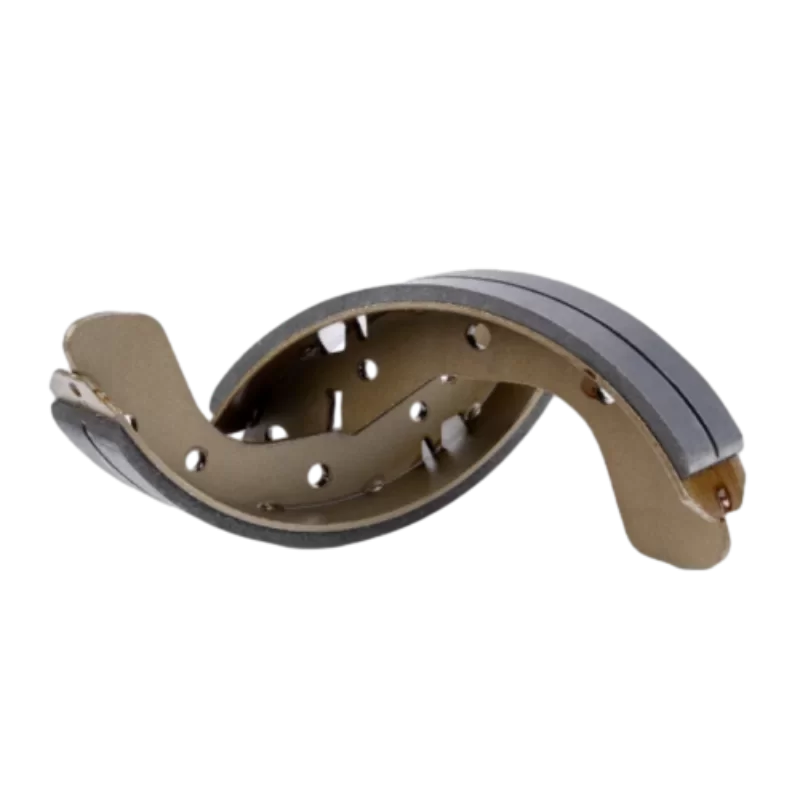
At their essence, bonded brake shoes combine a friction material firmly attached to a metal backing plate. Unlike older riveted designs, bonding uses advanced adhesives or resin-based materials to create a seamless, durable connection. This innovation is increasingly vital in sectors spanning automotive, rail, and heavy machinery — where safety, longevity, and low maintenance costs are paramount.

Global Context: Why Bonded Brake Shoes Matter Today

Globally, the automotive and transport industries continue to grow rapidly; the UN estimates vehicle registrations hit 1.5 billion worldwide by 2023. Yet, brake system reliability remains a pressing challenge. Older brake shoe designs, often riveted, are vulnerable to premature wear, misalignment, or even failure under stress. This creates potential safety hazards and expensive downtime.

Bonded brake shoes provide a solid solution. Their widespread adoption correlates with enhanced vehicle safety ratings and reduced environmental footprint due to longer life spans and less material waste during replacements. According to United Nations transport safety initiatives, the proper use of modern brake components reduces accident rates by up to 15% in developing countries alone.

What Are Bonded Brake Shoes? A Simple Explanation

Simply put, a bonded brake shoe is a brake shoe where the friction material is chemically adhered to the steel backing plate using strong industrial bonding agents. This method contrasts traditional methods that used mechanical fasteners like rivets or bolts.

The key difference? Bonding allows for greater contact surface area, improved heat dissipation, and enhanced resistance to brake fade — that nagging loss of stopping power under heavy use. This makes bonded brake shoes indispensable in modern vehicles and industrial machinery that demand consistent braking performance.

Core Components & Factors of Bonded Brake Shoes

1. Durability

Bonded brake shoes excel in lifespan. The absence of rivets reduces stress concentration points, preventing cracks or premature separation of friction material. Consequently, operators enjoy longer maintenance intervals.

2. Heat Resistance

Because braking generates significant heat, the bonded connection's thermal stability ensures longevity and consistent friction under extreme temperatures. Many bonded shoes use resin systems optimized for heat tolerance.

3. Cost Efficiency

While initial costs might be slightly higher, the extended service life and fewer replacements translate to significant savings. Plus, manufacturing via bonding often supports scale economies.

4. Noise and Vibration Reduction

The seamless attachment reduces rattling and vibration noise, enhancing ride comfort in vehicles and smoother operations in machines.

5. Environmental Impact

Bonded brakes typically use eco-friendlier friction materials, such as non-asbestos organics (NAO), reducing harmful dust and compliance with strict EU and US environmental standards.

Mini Takeaway

Bonded brake shoes strike a balance between safety, longevity, and cost that makes them well-suited to an evolving transport market increasingly sensitive to environmental and operational demands.

Real-World Applications of Bonded Brake Shoes

Industries and regions worldwide have embraced bonded brake shoes, thanks largely to their proven reliability.

  • Automotive Industry: Passenger vehicles, buses, and trucks employ bonded brake shoes for smoother braking and fewer repairs. In dense urban centers across Asia and Europe, where traffic demands constant brake engagement, these shoes perform tirelessly.
  • Rail and Transit: Railcars and light rail use bonded brakes to handle heavy loads and frequent stops, particularly important in North America and Europe’s aging transit fleets.
  • Industrial Machinery: Mining and heavy equipment in Australia and South America rely on robust bonded brakes to tackle harsh environments.
  • Post-Disaster Relief Vehicles: Emergency response teams in disaster-prone regions like Southeast Asia prefer bonded solutions for their reliability during rapid deployment.

One interesting example comes from a mid-sized logistics company in Germany that retrofitted their delivery trucks with bonded brake shoes. Over five years, they reported 30% fewer brake replacements, yielding surprising operational savings while boosting driver confidence.

Advantages & Lasting Value

The advantages of bonded brake shoes extend beyond just physical attributes:

  • Cost-effective maintenance: Longer wear leads to less frequent part replacement.
  • Increased safety: Consistent friction means better stopping power, reducing accident risks.
  • Environmental sustainability: Fewer discarded parts and use of cleaner friction materials contribute to greener operations.
  • Enhanced comfort: Noise reduction improves user experience, especially for passengers.
  • Social impact: In emerging markets, using reliable bonded brakes supports safer public transit and goods transport, indirectly improving quality of life.

Looking Ahead: Trends and Innovations in Bonded Brake Technology

The future of bonded brake shoes is quite exciting. Material scientists are exploring:

  • Advanced composites: Ceramic and carbon-based friction materials that perform better under high heat.
  • Eco-conscious formulations: Phasing out metallic or asbestos-based materials in favor of biodegradable components.
  • Smart sensors integration: Embedding sensors into brake shoes to provide real-time wear data directly to vehicle systems or fleet managers.
  • Automation in manufacturing: AI-driven quality control ensuring consistently optimized bonding processes.

Even policy shifts—like stricter ISO standards on brake emissions and wear—are nudging the industry towards more sustainable designs.

Challenges and Expert Solutions

Of course, bonded brake shoes aren’t without their challenges. A few points worth noting:

  • Adhesive degradation: Prolonged exposure to extreme temperatures or chemicals can weaken bonds over time.
  • Cost barriers for small operators: Initial prices might deter widespread use in low-budget sectors.
  • Compatibility: Not all vehicles or machines are designed for bonded brake shoe retrofitting.

Experts recommend ongoing material R&D to enhance adhesive durability, subsidies or financing options for small fleet operators, and modular design approaches to retrofit existing systems more easily.

Bonded Brake Shoes: Quick FAQs

Are bonded brake shoes better than riveted ones?
Generally yes. Bonded shoes offer improved durability, better heat resistance, and quieter performance. That said, application specifics matter—some heavy-duty uses still favor riveted designs.
How long do bonded brake shoes typically last?
Depending on conditions, bonded brake shoes can last 20–50% longer than traditional shoes, often serving reliably for 40,000 to 70,000 miles in automotive use.
Can bonded brake shoes be used in all types of vehicles?
They are versatile but not universal. While most passenger cars and light trucks benefit, heavy industrial machines require careful specification matching.
Are there environmental benefits to using bonded brake shoes?
Yes, mainly because they often use non-asbestos, lower-pollution friction materials and reduce waste due to their extended lifespan.
Where can I find reliable vendors for bonded brake shoes?
Many manufacturers specialize in these components — see our vendor comparison table below for a start, or visit bonded brake shoes for trusted suppliers.

Product Specification: Example Bonded Brake Shoe Model

Specification Value
Backing Plate Material High-grade Steel
Friction Material Non-Asbestos Organic (NAO)
Bonding Agent Phenolic Resin Adhesive
Max Operating Temp 450 °C (842 °F)
Typical Service Life 40,000 - 70,000 miles
Noise Level Low (Reduced Vibration)

Vendor Comparison Table: Who Makes the Cut?

Vendor Material Quality Price Range Lead Time Special Features
BrakeTec Inc. Premium NAO composites $$$ 2 weeks Custom bonding options
Green Brakes LLC Eco-friendly organics $$ 3 weeks Recyclable materials
AutoBind Solutions High-temp resin bonded $$$ 1 week Rapid prototyping services
EcoPads Co. Biodegradable composites $$ 4 weeks Green certification

Final Thoughts

In real terms, bonded brake shoes reflect how incremental innovation can ripple across industries and geographies, boosting safety while lowering costs and environmental impact. They feel like silent guardians, quietly ensuring machinery and vehicles perform reliably — day after day, mile after mile.

For those interested in exploring bonded brake shoes further or sourcing top-quality products, I encourage a visit to bonded brake shoes. Reliable vendors, thorough specifications, and industry insights await there.
References

  1. International Organization for Standardization (ISO) - Brake System Standards
  2. United Nations Transport Safety Data
  3. Wikipedia - Brake (mechanical device)
Recommended product
RECOMMENDED NEWS
Technical Guide for the 3222 a 2003 brake shoe and Performance

The automotive braking system is the most critical safety feature of any vehicle, and the 3222 a 2003 brake shoe stands as a cornerstone for maintaining reliable stopping power in specific drum brake configurations. Understanding the technical nuances of this component is essential for fleet managers, automotive engineers, and maintenance professionals who prioritize vehicle longevity and passenger safety. Globally, the demand for high-precision braking components has surged as logistics and transport sectors expand, placing immense pressure on wear-and-tear parts. The 3222 a 2003 brake shoe addresses these needs by balancing friction efficiency with thermal stability, ensuring that vehicles can decelerate predictably under various load conditions.

Understanding the Average Price to Replace Front Brakes Guide

Maintaining your vehicle’s stopping power is not just about convenience; it is a critical safety requirement. When you start hearing squealing sounds or feel a vibration in the pedal, it is time to investigate the price to replace front brakes. Depending on whether you need a simple pad swap or a full rotor replacement, the costs can vary significantly. In this guide, we will break down the financial aspects of brake maintenance, helping you budget effectively while ensuring your car remains safe on the road. Understanding these costs prevents surprises at the mechanic and allows you to choose the best materials for your driving style.

RECOMMENDED NEWS
RECOMMENDED NEWS
CONTACT US
Looking For Reliable And Durable Brake Pads For Your Vehicles? Our High-Quality Brake Pads Ensure Safe, Quiet, And Long-Lasting Performance. Wide Models Available, Oem/Odm Supported. Contact Us Today For A Quote And Boost Your Business With Trusted Brake Solutions!

If you are interested in our products, you can choose to leave your information here, and we will be in touch with you shortly.