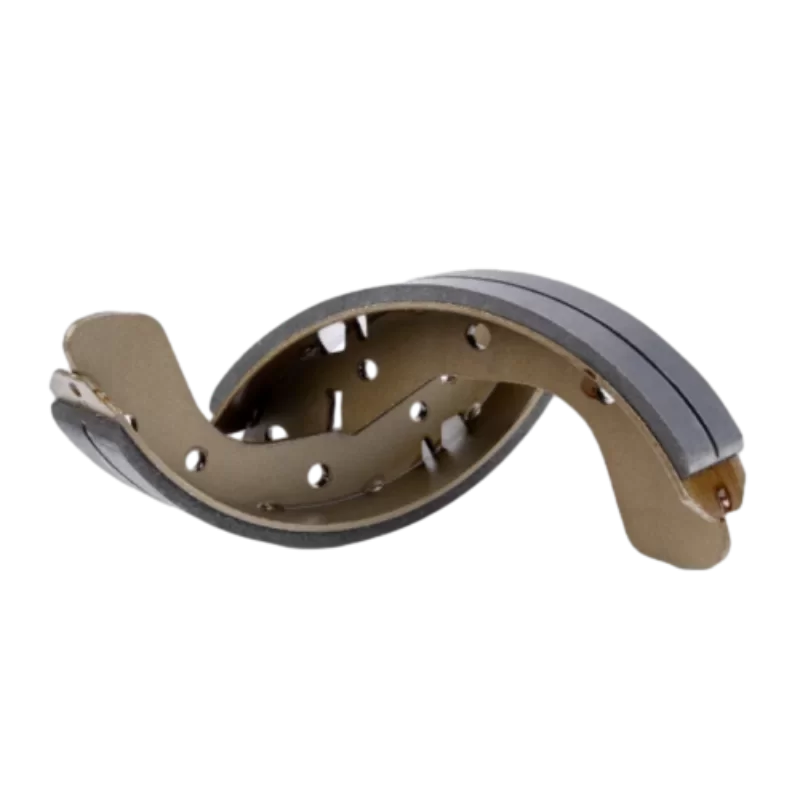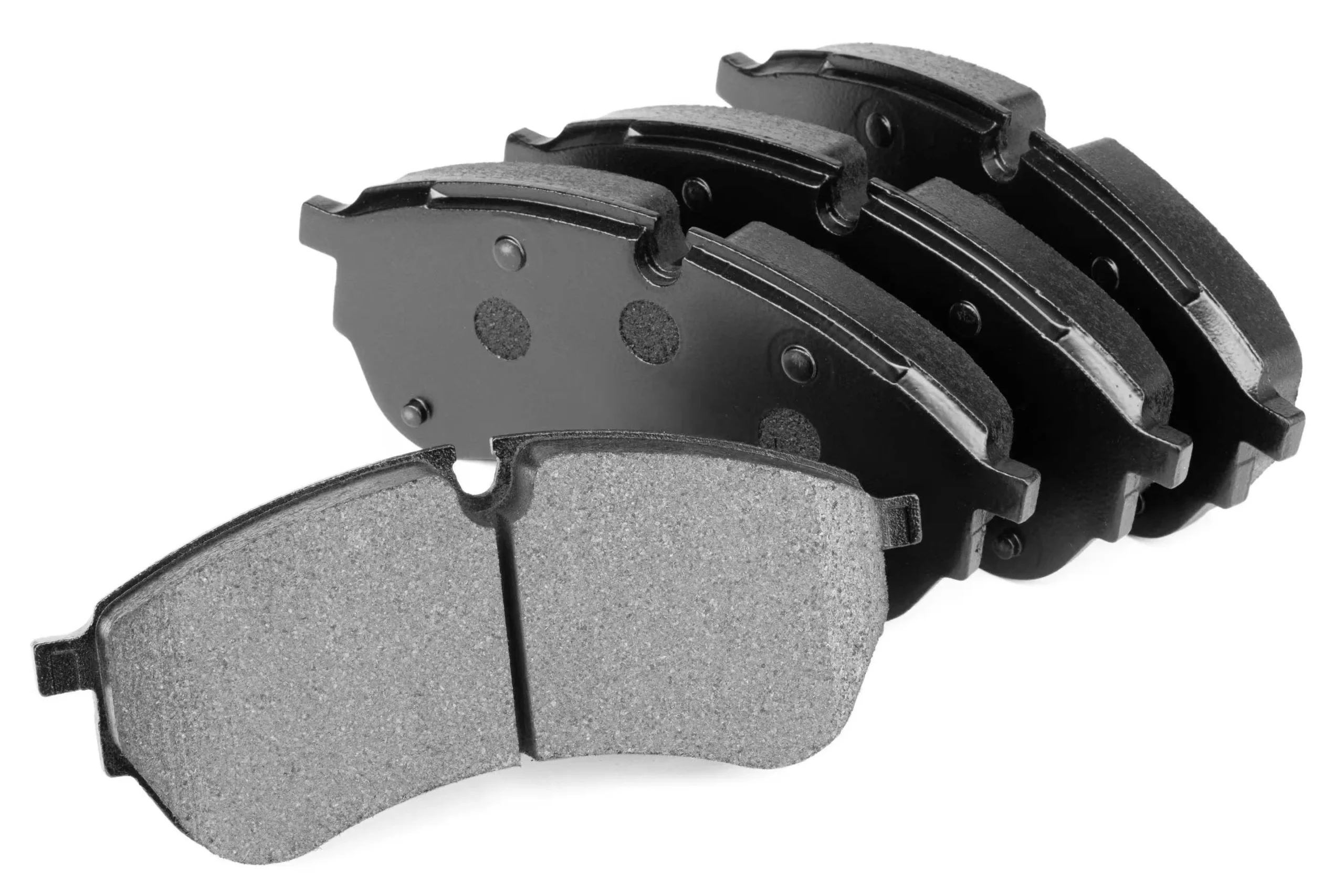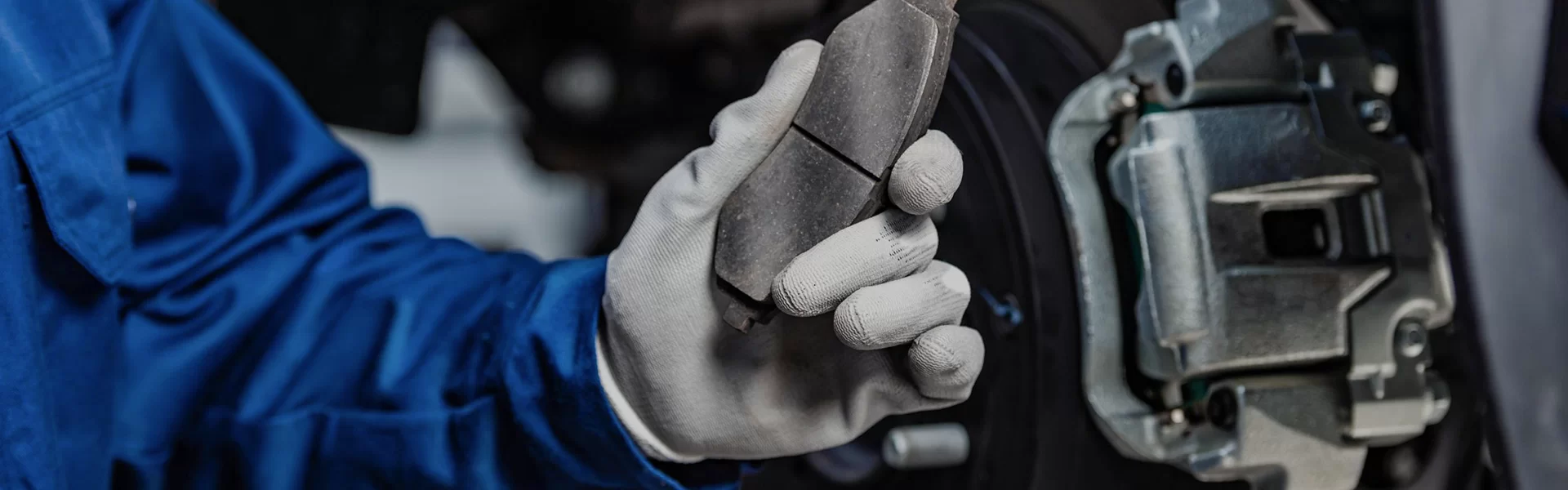
At first glance, bonding brake linings might not seem like something that affects us daily — after all, they're tucked away within the mechanics of vehicles, industrial machines, and even airplanes. But this small piece of engineering quietly underpins enormous global benefits: improved vehicle safety, longer-lasting machinery, and reduced environmental impacts from wear and tear. Understanding the intricacies of bonding brake linings offers insight into how innovation in materials science and bonding tech can ripple outwards, improving global transportation reliability and industrial efficiency.
More than just a technical detail, these linings help meet ever tougher environmental standards and safety regulations worldwide. And with millions of vehicles and machines dependent on effective braking systems, the humble interface where friction meets durability truly deserves a closer look.
To put it into perspective, the global automotive market alone is expected to hit over $9 trillion by 2030 (according to the World Bank), with millions of braking systems in constant use. Meanwhile, industrial machinery across sectors—from construction in Asia to manufacturing in Europe—relies on dependable brake components to stay operational and safe. Bonding brake linings form the crux of these systems.
The International Organization for Standardization (ISO) has even set tight standards on material safety and efficiency, reflecting the importance of friction materials that can sustain wear, heat, and mechanical stress without compromising safety. The challenge? Developing linings that not only perform consistently but also are produced with less environmental impact and at lower cost.
In real terms, braking failures due to poor bonding or linings cause accidents, costly downtime, and equipment replacements—issues no industry can afford.
Simply put, bonding brake linings are friction materials attached securely to brake shoes or pads, enabling reliable and efficient braking. Traditionally, these linings are made by bonding composite materials—think blends of fibers, resins, and fillers—to a metallic or ceramic base.
The “bonding” step is critical. Consider it the glue and interface that must withstand extreme conditions: heat from friction, mechanical forces when the brake engages, and environmental exposure like moisture or dust. If the bond fails, the lining can come loose, leading to brake failure.
These components have shifted far from old asbestos-based linings to modern composites that balance safety and environmental responsibility, supporting everything from road vehicles to humanitarian aid transport systems in challenging environments.
Durability stands at the top because brake linings must endure repeated friction without degrading or detaching. Engineers select and bond materials that resist wear and thermal fatigue—critical in vehicle fleets that see hundreds of thousands of kilometers per year.
When your brakes engage, temperatures can spike. Effective bonding brake linings manage heat without softening or losing adhesion, which protects not just performance but safety — especially in heavy industry or mountainous terrain where brakes are used heavily. Oddly enough, a small failing here can cascade badly.
Making brake linings isn’t just a chemistry problem, it’s economics. Suppliers balance material choices and production methods to keep costs manageable, especially since replacement intervals influence lifecycle expense dramatically. An affordable yet reliable lining keeps businesses running smoothly.
Modern bonding brake linings increasingly incorporate eco-friendly materials and minimize toxic components. This is more than just a trend—it reflects tightened international regulations to reduce pollutants and improve recycling. It’s a slow but welcome shift in an industry often criticized for waste.
Different vehicles and machines demand different friction profiles and mounting methods. Tailored bonding techniques ensure linings stay put under various operating conditions. That flexibility helps industries ranging from commercial trucks in the U.S. to agricultural machinery in Africa.
It’s easy to imagine bonding brake linings only mattering in vehicles — but their reach is broader.
| Specification | Typical Value | Industry Benchmark |
|---|---|---|
| Bond Strength (MPa) | 12–18 | ≥15 |
| Wear Rate (mm³/Nm) | 0.04–0.06 | ≤0.05 |
| Operating Temp (°C) | -40 to 450 | -40 to 500 |
| Environmental Compliance | RoHS, REACH | Mandatory |
| Vendor | Material Range | Eco Certification | Global Reach | Custom Solutions |
|---|---|---|---|---|
| BrakeCo Labs | Organic & Semi-metallic | Yes (ISO 14001) | North America, Europe | Standard & Custom |
| FrictionX Global | Ceramic composites | Partial (RoHS) | Europe, Asia | Highly Custom |
| EcoLinings Inc. | Bio-based & Recycled fibers | Yes (RoHS, REACH) | Global | Standard only |
From a practical standpoint, reliable bonded brake linings reduce maintenance costs and avoid dangerous failures. For fleet operators, that’s money saved and safer roads — no contest there. From a sustainability perspective, newer bonding methods use fewer hazardous chemicals and are designed for recycling or longer service life, addressing climate concerns.
On a human note, better brake linings mean less stress for drivers and operators, a quieter ride, and even a trust factor that the equipment they depend on won’t unexpectedly fail. Safety and dignity go hand in hand here, and innovation in bonding makes it possible.
It always feels like someone somewhere is pushing the boundaries, right? In bonding brake linings, bonding brake linings manufacturers are integrating nanomaterials and smart composites that can self-monitor wear and heat. Digital sensors embedded in linings may soon alert operators before a replacement is necessary — a perfect marrying of materials expertise and Industry 4.0.
There's also a noticeable push towards greener processes and raw materials, such as bio-resins and recycled fibers, aiming to shrink carbon footprints while maintaining or improving performance.
Despite progress, bonding brake linings face issues:
Innovators tackle these through advanced testing protocols, automated bonding lines for consistency, and material science breakthroughs that promise stronger, lighter, and more sustainable linings.
In the grand scheme, bonding brake linings may not be headline news. But quietly, they underpin everything from your daily commute to vital industrial operations worldwide. They’re a case study in how precision engineering, materials innovation, and sustainability intersect to keep the world turning — safely, smoothly, and reliably.
If you want to explore more about how bonding brake linings could revolutionize your maintenance routines or product designs, feel free to drop by our website. There’s a lot to discover beneath that simple, yet mighty bond.
References:
1. Wikipedia - Friction Material
2. ISO 6312: Brake friction linings
3. World Bank – Transport Overview