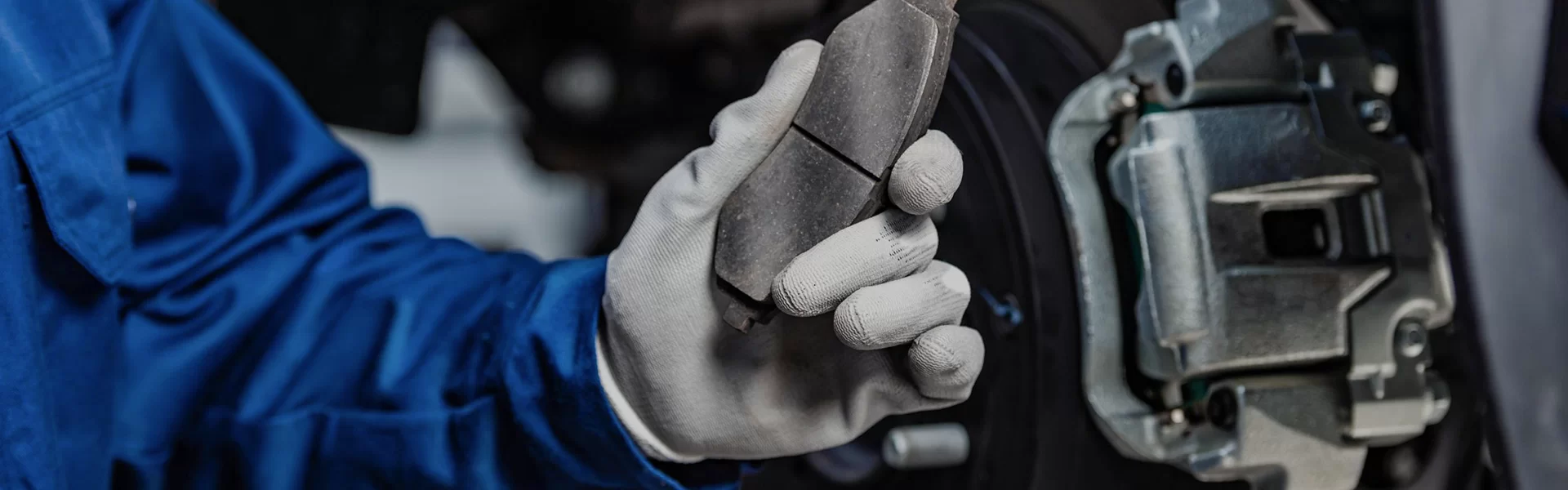
When we talk about road safety or vehicle maintenance, few components get as much attention as the brake pad shoe. Yet, this humble part quietly plays a pivotal role in ensuring that vehicles stop when they absolutely must. Understanding brake pad shoes isn't just jargon for mechanics; it’s about appreciating a small but vital piece of technology that touches the daily safety of millions worldwide.
Whether you're a transport fleet manager, a DIY car enthusiast, or just someone curious about how your vehicle keeps you safe, knowing about brake pad shoes offers insights into safety, efficiency, and environmental impact.
Globally, over 1.35 billion vehicles operate on roads, according to the International Organization of Motor Vehicle Manufacturers (OICA). Efficient braking systems underpin safe and reliable transportation which in turn supports economic activities and emergency services. The brake pad shoe is a core part of this system.
However, a major challenge remains: brake component wear contributes notably to particulate pollution, which the World Health Organization flags as an urban air quality risk. The demand for improved brake pad shoe technology is rising, especially in Asia and Europe, where stringent regulations meet ever-increasing transportation needs.
In short: better brake pad shoes mean safer roads and cleaner air. And that’s a win-win we can all get behind.
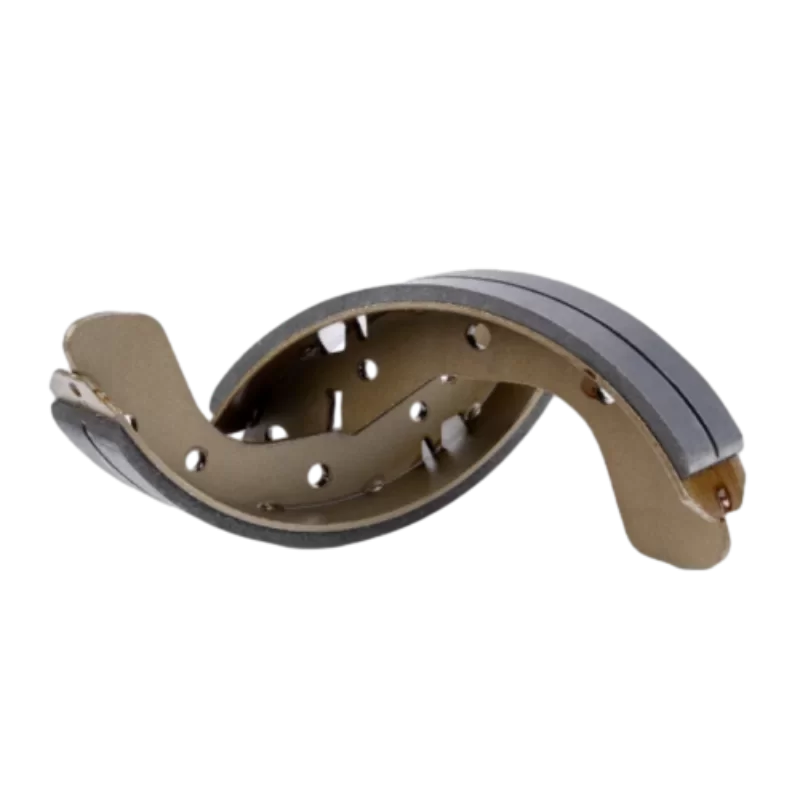
At its simplest, a brake pad shoe refers to the component in drum brakes — one of the two primary types of brake systems — that presses against the brake drum to create friction and slow the vehicle.
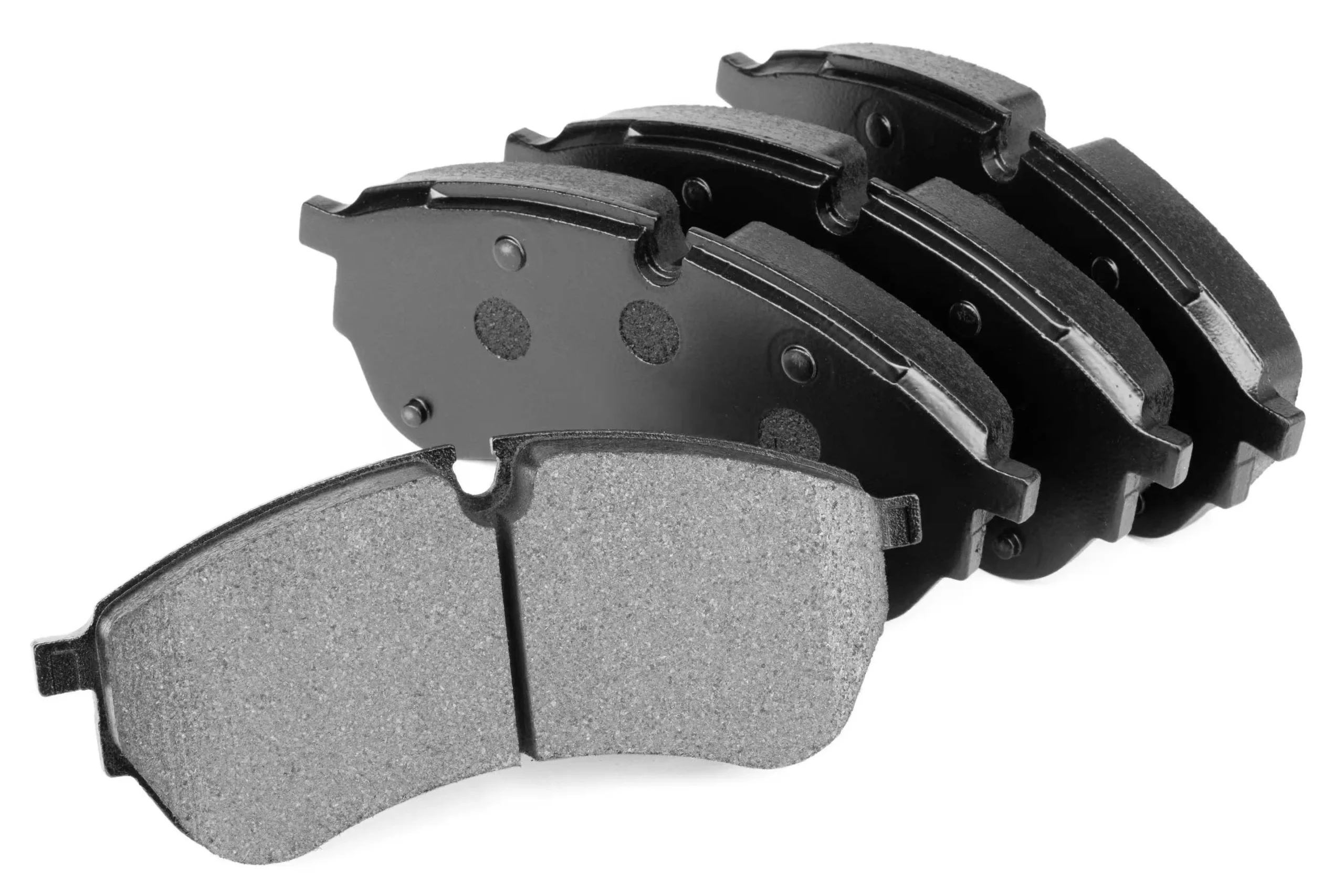
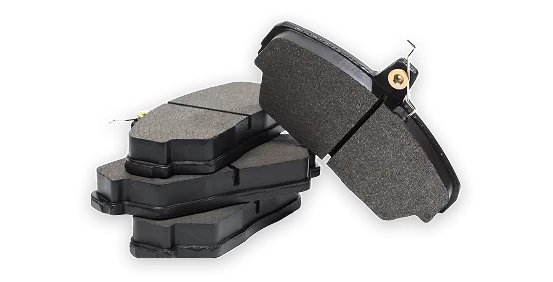
Unlike disc brake pads, these shoes are curved to match the drum's interior surface. Their design and materials affect friction performance, durability, and noise levels. They’re commonly found on rear wheels in many passenger cars and commercial vehicles, a choice often favored for durability and cost efficiency.
Technically, brake pad shoes convert kinetic energy into heat energy, slowing down the wheels. This fundamental role connects directly not only to transportation industries but also to humanitarian aid vehicles relying on reliable stopping power in challenging environments.
Most brake pad shoes combine steel backing plates with friction material composites — often including organic resins, metal fibers, or ceramics. Durability depends heavily on these materials. A tough, heat-resistant friction surface means the shoe lasts longer, reducing maintenance frequency.
As brake shoes generate friction, they produce heat. Efficient heat dissipation prevents overheating, which can erode braking performance or even cause failure. Some advanced shoes integrate better heat-resistant materials or ventilation designs.
One common complaint with drum brakes is noise — squealing or scraping. Modern brake pad shoes often include shims or coatings to reduce these unwanted sounds, enhancing driver comfort.
While brake pad shoes generally cost less than disc pads, their maintenance intervals and replacement ease factor into overall cost. Industrial fleets especially value options that balance upfront price with longevity.
Friction materials can shed particles that pollute urban air. Leading manufacturers now focus on non-toxic, low-dust materials in brake pad shoes, aligning with European Union regulations on non-exhaust emissions.
Brake pad shoes are especially prevalent in:
Consider a humanitarian aid convoy navigating dirt roads in remote Africa — reliable brake pad shoes ensure the vehicles can stop safely despite unpredictable surfaces, bringing not just relief goods but also peace of mind for crews.
Why should fleets or individual owners invest in premium brake pad shoes? Here’s the deal:
From an emotional standpoint, knowing your vehicle’s brakes won’t fail adds a layer of trust, a quiet kind of confidence that manifests during daily commutes and critical moments alike.
Innovation won’t stop here. Upcoming developments include:
With electric and autonomous vehicles reshaping the transport landscape, brake pad shoes will adapt. Automated braking systems require finely tuned friction components to ensure smooth, fail-safe operation.
Despite many advances, brake pad shoes face hurdles:
Industry experts recommend proactive maintenance schedules, supplier audits for sustainable materials, and integrating digital monitoring tools to help predict replacements before failure.
| Specification | Typical Value | Notes |
|---|---|---|
| Friction Material | Semi-metallic / Ceramic Composite | Balanced wear and noise performance |
| Thickness | 10-15 mm | Varies by vehicle type |
| Operating Temperature | -40°C to 350°C | Heat resistant resin matrix |
| Average Lifespan | 40,000 - 70,000 km | Driving conditions dependent |
| Noise Level | With damping shims |
| Vendor | Material Quality | Price Range | Eco-Friendliness | Warranty |
|---|---|---|---|---|
| SuperStop | Premium ceramic blend | $$$ | High | 3 years / 60,000 km |
| EcoBrake Systems | Recycled organic composites | $$ | Very High | 2 years / 50,000 km |
| Durafit Brakes | Semi-metallic industrial grade | $ | Medium | 1 year / 40,000 km |
Brake pad shoes might not win beauty contests, but they’re fundamental to vehicle safety, environmental responsibility, and economic efficiency worldwide. Their evolution reflects a broader push for safer roads and greener tech, often unnoticed but deeply felt. If you want to keep your wheels turning safely and sustainably, it pays to choose quality brake pad shoe solutions.
For more detailed product info, expert advice, or to explore premium brake shoes, visit our website — where safety meets innovation.