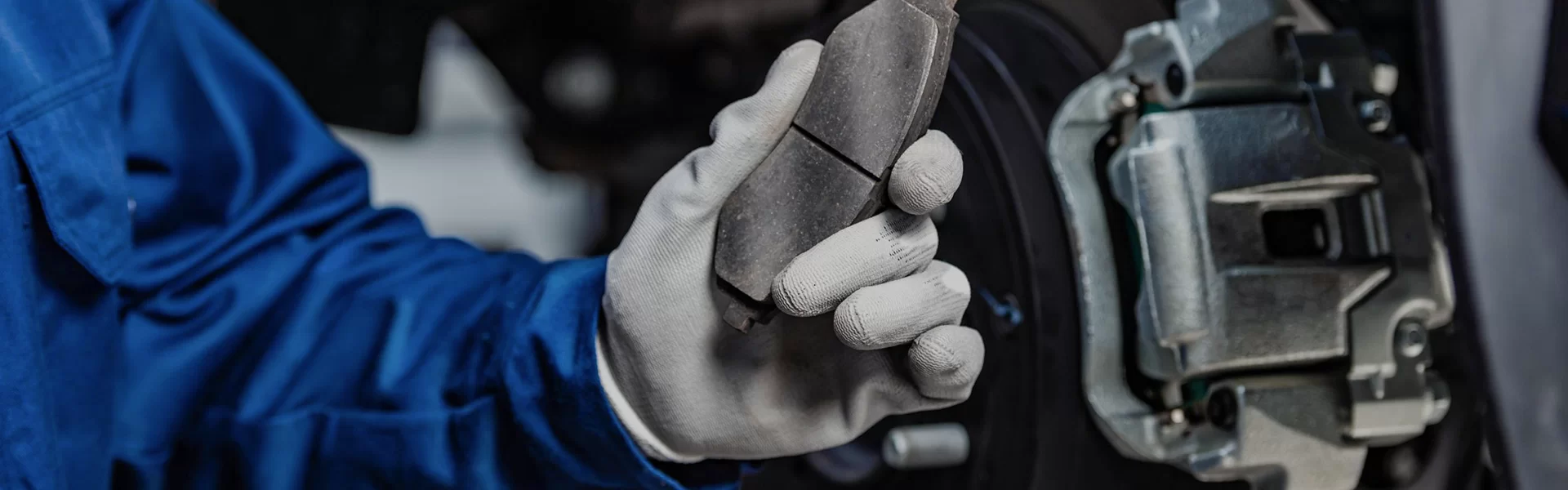
When it comes to vehicle safety, the brake shoe might not be the flashiest component, but it’s absolutely vital. It’s the part that literally stops the wheel — under pressure, wear, and sometimes harsh conditions. Around the world, from busy urban centers to remote industrial zones, brake shoes keep everything moving safely. Understanding how they work, their design, and evolving technologies behind them can make a real difference if you’re in manufacturing, maintenance, or just a curious driver wanting to know what makes your brake system tick.
Globally, road traffic accidents cause over 1.3 million deaths annually, according to the World Health Organization (WHO). A reliable brake system is fundamental to reducing these numbers. Brake shoes, which have been around for over a century, are still relied upon because of their simplicity, cost-effectiveness, and performance. ISO standards even outline testing methods to ensure brake shoe consistency and safety, given their critical role.
The automotive industry alone accounts for millions of brake shoes produced yearly, and as vehicles diversify — from electric cars to commercial trucks — the brake shoe must evolve too. The challenge is balancing durability, cost, and environmental friendliness without sacrificing safety.
Mini takeaway: Brake shoes may be “behind the scenes,” but their role in road safety and industrial operations is huge — and growing in complexity.
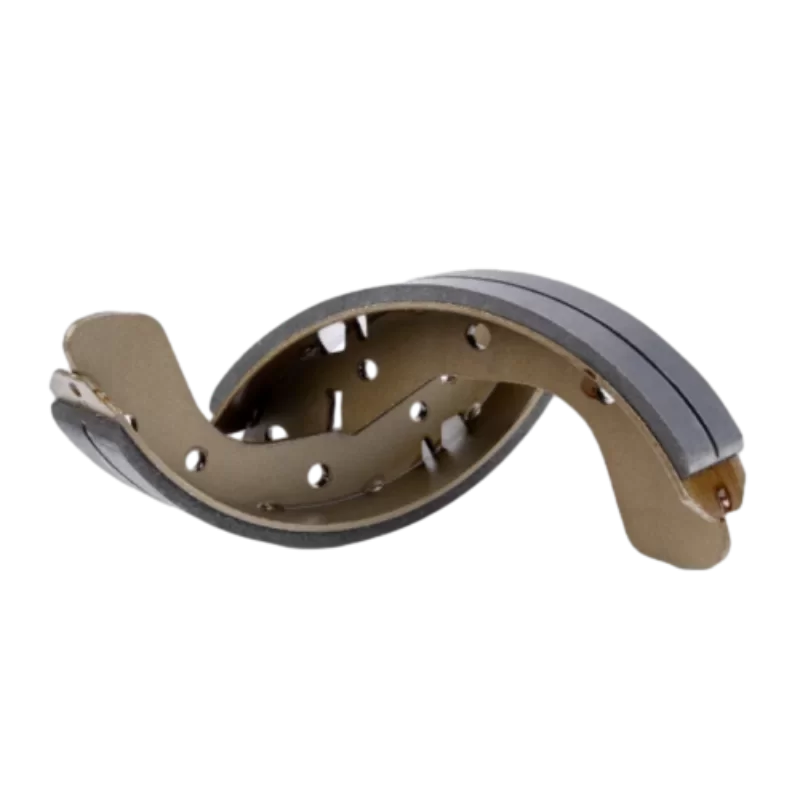
In simple terms, a brake shoe is a curved metal component lined with a friction material that presses against the inner surface of a vehicle’s drum brake to slow or stop wheel rotation. Unlike disc brakes, which squeeze pads against a disc, drum brake systems rely on these shoes expanding outward inside a drum — think of it like a clamp that stops rotation.
Today’s brake shoes are essential not just in cars and trucks but also in heavy machinery, motorcycles, and even some railway applications. Their design bridges traditional mechanical engineering with modern safety standards, underpinning industries from logistics to humanitarian aid where dependable transport is crucial.
Brake shoes endure constant friction and heat. They must resist wear long enough to avoid frequent replacements but still provide reliable braking force. Manufacturers increasingly test materials like semi-metallic or ceramic composites for this balance.
Since brake shoes are replaced regularly in many fleets, affordability in both production and maintenance is critical. This is one reason why drum brakes (and therefore brake shoes) remain popular in commercial vehicles despite disc brakes growing mainstream.
The friction lining must generate sufficient braking torque quickly without fading under heat. This performance is measured under ISO and SAE guidelines.
Brake shoes come in many sizes and designs — from tiny motorcycles to massive mining vehicles. Their design needs to be adaptable for different vehicles without completely redefining the assembly.
Though often overlooked, brake shoe materials contribute to environmental sustainability goals. Innovations in dust reduction and the use of eco-friendlier substances are quietly gaining ground.
Mini takeaway: Behind that small brake shoe is a complex balancing act of engineering priorities — durability, cost, safety, and sustainability.
Brake shoes are everywhere, but some interesting applications stand out:
For example, a logistics company in Northern Canada switched to brake shoe systems in their snow plows because drum brakes with sturdy shoes performed better in icy conditions and were easier to maintain onsite.
| Specification | Description | Typical Range |
|---|---|---|
| Material | Friction lining composite | Semi-metallic, Ceramic, Organic |
| Length | Measured along curvature | 100 mm – 450 mm |
| Thickness | Includes metal backing + lining | 8 mm – 20 mm |
| Operating Temp. | Max continuous temp tolerance | 400°C – 600°C |
| Coefficient of Friction | Dry, at room temp | 0.35 – 0.45 |
| Vendor | Material Options | Customization | Lead Time | Price Range |
|---|---|---|---|---|
| BrakesCo | Semi-metallic, Ceramic | Medium (standard sizes) | 3-4 weeks | $$$ |
| SafeBrake Ltd. | Organic, Semi-metallic | High (custom geometries) | 4-6 weeks | $$$$ |
| Global Brake Parts | Ceramic, High-temp composites | Low (stock items only) | 1-2 weeks | $$ |
Tangibly speaking, quality brake shoes mean safer vehicles, less frequent maintenance, and better efficiency — which translates into cost savings over time. But there’s also this intangible sense of trust that the vehicle will respond when it matters most. Drivers and operators alike feel a psychological comfort knowing their brake system — down to the humble brake shoe — isn’t a weak link.
Environmentally, new friction materials that reduce hazardous dust while lasting longer help meet stricter global emissions and sustainability regulations. Socially, dependable braking systems contribute to accident reduction, supporting safer roads and saving lives.
Innovation doesn’t always mean adding flashy tech — sometimes it’s improving something as “simple” as a brake shoe to perform better, last longer, and feel safer.
Despite advances, challenges remain: brake shoe wear still depends greatly on usage conditions, leading to unpredictable maintenance cycles. Heat dissipation is also a limiting factor in some high-performance or heavy-duty applications.
Some vendors focus on improving lining formulations to resist “brake fade” and extend service intervals. Others prioritize modular designs allowing quick swaps in the field.
Industry forums, like ISO’s braking standards committees, regularly update guidelines reflecting these innovations — so the next generation of brake shoes will hopefully be smarter and last even longer.
Brake shoes might not be the spotlight-stealers in braking technology, but their contribution to safety, cost-efficiency, and adaptability remains critical across industries worldwide. From urban buses in bustling megacities to heavy equipment in rugged terrain, their steady reliability matters.
If you’re considering upgrading or maintaining your braking system, explore quality options and trusted suppliers for brake shoes that fit your needs. Visit our website at https://www.kybrakepad.com to learn more.
After all, your safety is only as good as the components beneath your feet — and sometimes, the quietest hero deserves the biggest credit.