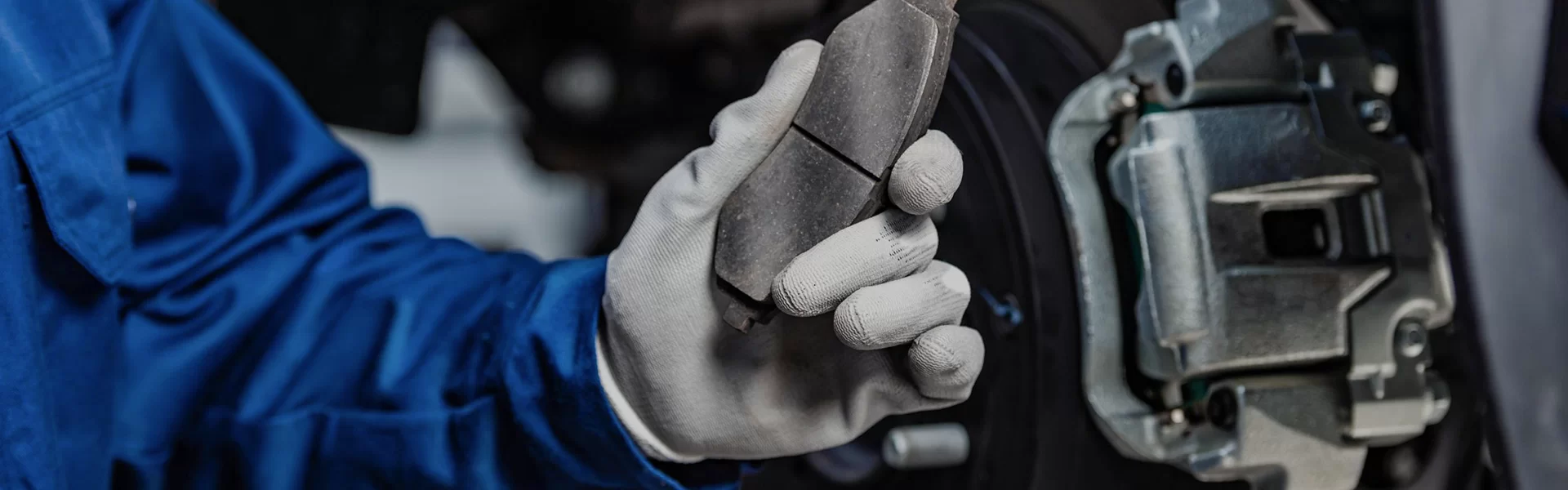
At first glance, brake shoe grinding might seem like a niche maintenance task that only automotive technicians care about. But, in reality, it touches every corner of global transport safety, industrial vehicle upkeep, and even humanitarian logistics. Understanding this process is key to extending brake life, ensuring vehicle safety, and optimizing the performance of countless machines on the road and in factories worldwide. With millions of vehicles relying on friction-based braking systems, it pays to know why brake shoe grinding matters — both economically and for public safety.
The world’s road vehicles exceeded 1.4 billion in 2023 (source: UN Environment Programme), each depending heavily on reliable braking components. In many developing and industrializing countries, aging fleets and rough road conditions exacerbate brake wear, pushing regular maintenance like grinding from a luxury to an absolute necessity. Without proper brake shoe care, accident rates climb—which is a significant challenge globally, as the World Health Organization estimates vehicle crashes cause over 1.3 million deaths annually. Brake shoe grinding, by renewing key friction surfaces, directly contributes to reducing these tragic statistics. Plus, in sectors like mining, rail, and heavy equipment, worn brake shoes can cause costly downtime or dangerous failures.
Oddly enough, despite automation creeping into many vehicle maintenance facets, this old-school mechanical process remains critical—blending tradition with modern safety demands.
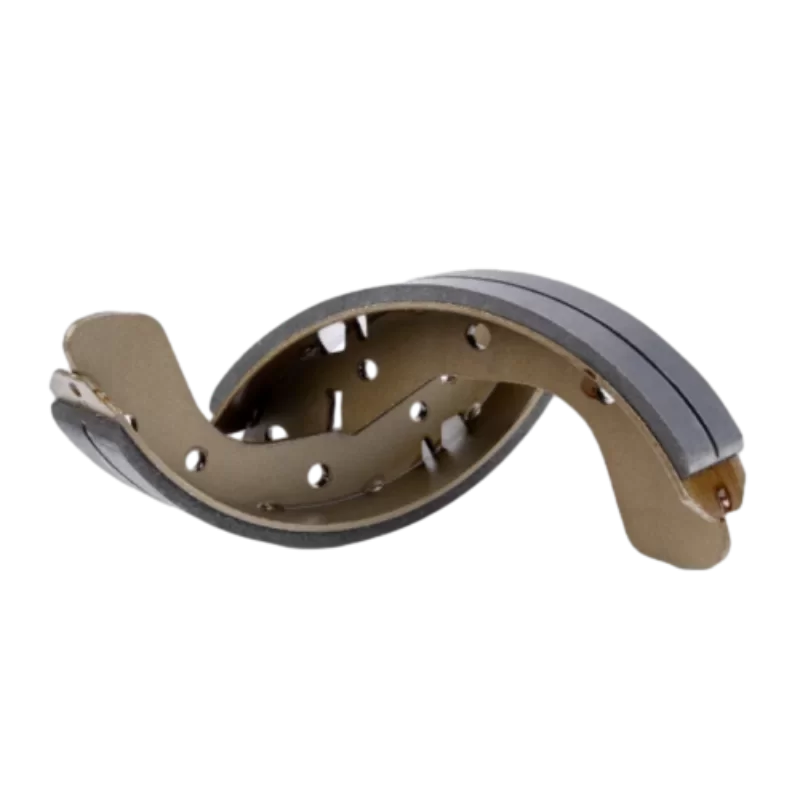
In simple terms, brake shoe grinding is the process of carefully reshaping or resurfacing the friction lining of brake shoes to restore smooth contact with the drum. Brake shoes themselves are those curved components pressing outward inside a drum brake to slow or stop a wheel’s rotation. Over time, the lining wears unevenly or builds up glazing—a slick, hardened surface—that reduces braking effectiveness or causes noise and vibration.
The grinding process uses specialized tools—either bench-mounted or handheld grinders—to remove these surface imperfections, reestablishing the correct shoe curvature and ensuring uniform pressure distribution when braking. This is not just about prolonging part life; it’s about maintaining precise, safe operation every time a driver presses the pedal.
In industries where vehicle downtime costs thousands per hour, like logistics hubs or manufacturing plants, effective brake shoe grinding supports smoother operation and less unexpected maintenance.
The lifespan and hardiness of brake shoe linings determine how often grinding is needed. Modern composite materials—ranging from organic to semi-metallic blends—have transformed grinding frequency and technique. Some need gentle reconditioning; others require more aggressive surface grinding to maintain optimal friction.
Today’s grinding machines combine adjustable speed, pressure sensors, and abrasive belts/pads to ensure consistent reshaping without overdoing it. The right equipment lowers the risk of grinding too deep—something some technicians still struggle with, especially on older shoe models.
Grinding is a cost-effective alternative to outright replacement. Many fleet managers weigh the price of new brake shoes against skilled reconditioning services that use grinding to extend part life while maintaining safety. Clever grinding can halve maintenance expenses in medium-duty fleets.
For large operations with hundreds of vehicles (think public bus services or delivery companies), standardized brake shoe grinding protocols speed inspection times and minimize downtime, keeping the whole fleet moving smoothly without bottlenecks.
Less waste is a simple environmental win. By grinding rather than replacing, industrial sectors reduce the volume of scrap brake shoes sent to landfills or recycling centers—often tangled with hazardous materials that require careful disposal.
Brake shoe grinding balances technical precision with practical benefits across durability, cost savings, and sustainability — which is why it remains a cornerstone of vehicle maintenance worldwide.
Different industries and regions employ brake shoe grinding based on needs. In the United States and Europe, where heavy-use commercial trucks dominate freight systems, grinding workshops are embedded in routine service stations. In Asia-Pacific and African countries, smaller workshops use grinding to keep aging public transit vehicles roadworthy—often under challenging conditions.
Specialized industries like mining haul trucks, agricultural machinery, and railway maintenance shed also rely on brake shoe reconditioning to keep safety and performance standards intact. Even humanitarian organizations are discovering the value: in post-disaster relief scenarios, every vehicle counts, so ensuring safe brakes via quick grinding minimizes operational risk.
| Feature | Description |
|---|---|
| Motor Power | 1.5 kW, Variable Speed Control |
| Abrasive Type | Aluminum Oxide Belt & Grinding Wheel Options |
| Grinding Disc Diameter | 200 mm (Standard) |
| Safety Features | Emergency Stop, Dust Extraction System |
| Weight | 85 kg |
| Dimensions (LxWxH) | 85cm x 40cm x 110cm |
Concrete advantages stack up when considering brake shoe grinding’s appeal. On the economic front, grinding reduces the frequency with which expensive brake shoes must be purchased. Many fleet managers concur that a strategic grinding schedule extends shoe lifecycle by up to 40%, translating directly into savings on parts and labor.
From a safety standpoint, maintaining properly ground shoes removes the risks of uneven braking or noisy stops that can lead to driver distraction or brake failure. It restores driver confidence and passenger comfort — two often overlooked benefits.
Environmentally, less buildup in scrap piles means lower carbon footprints for transport operators. Grinding’s waste reduction aligns with ISO 14001 environmental management standards many companies are targeting today.
| Vendor | Service Speed | Equipment Type | Price per Shoe | Warranty |
|---|---|---|---|---|
| GrindTech Pro | 2 hours | Automated Bench Grinder | $45 | 6 months |
| BrakeWorks Service | 1.5 hours | Handheld Grinder | $50 | 3 months |
| SafeStop Specialists | 3 hours | Semi-Automatic Grinder | $40 | 9 months |
While the basics remain timeless, the future of brake shoe grinding shows subtle but promising shifts: electric-powered precision grinders with IoT sensors that monitor wear in real time; eco-friendly abrasives that reduce environmental impact; and automated robotic arms that reduce human error and boost throughput in large-scale service centers. Digital transformation is quietly heading to grinding floors, turning what used to be manual tuning into a more exact science.
Industry standards like ISO 6312 (for brake shoe wear measurement) are evolving alongside these tools, encouraging more predictive maintenance rather than reactive fixes. This shift promises safer roads and less downtime.
Not everything with brake shoe grinding is smooth sailing. Main issues revolve around inconsistent material composition, technician skill levels, and access to proper machinery—especially in remote or less developed areas. Over-grinding can lead to premature lining failure, while under-grinding leaves performance compromised.
Experts stress thorough training and adherence to manufacturer specs. Mobile grinding units and 'grinding-at-the-job-site' kits also tackle location constraints. It’s a classic example where human expertise + technology must meet to deliver good outcomes.
Brake shoe grinding might not always grab headlines, but its value echoes through safe journeys, efficient operations, and cost-efficient maintenance worldwide. Its role in extending part lifespan, safeguarding drivers, and reducing environmental impact makes it an indispensable practice. If you manage vehicle fleets or are curious about boosting brake reliability, diving into this process adds clear value.
For those ready to explore advanced brake shoe grinding solutions and services, feel free to check out brake shoe grinding technologies and expert support on our site.