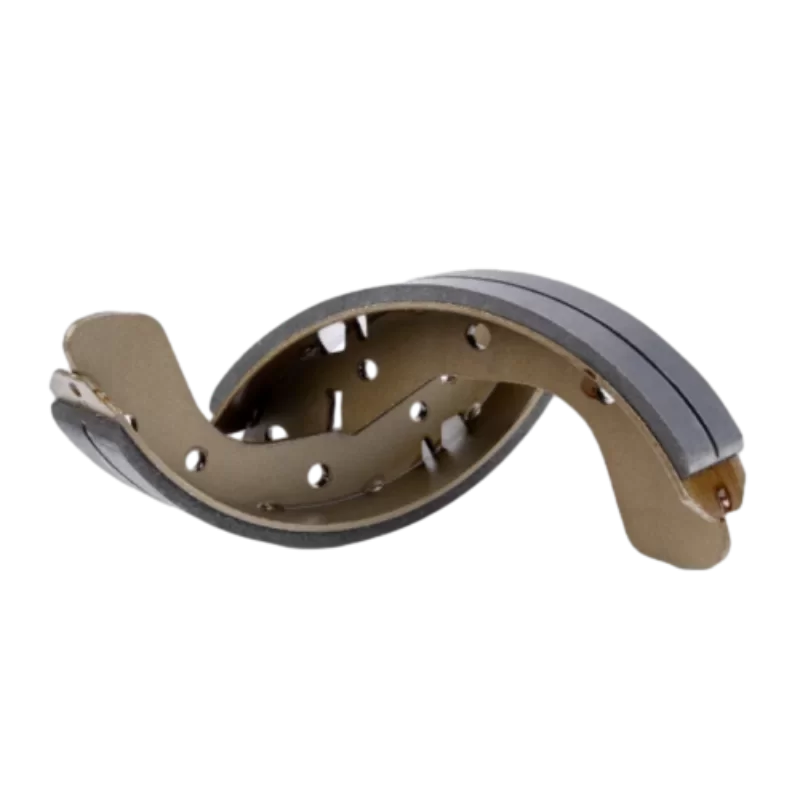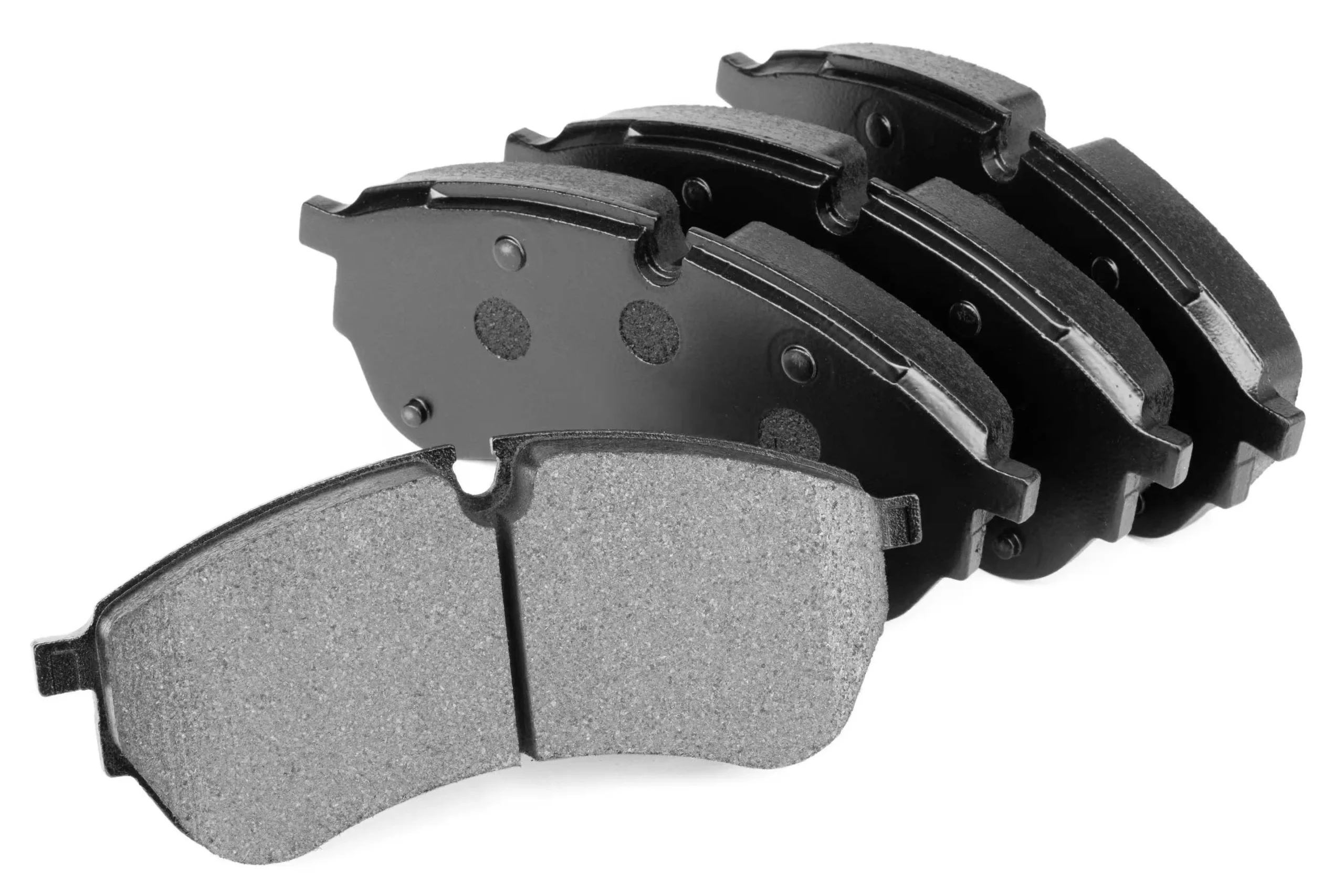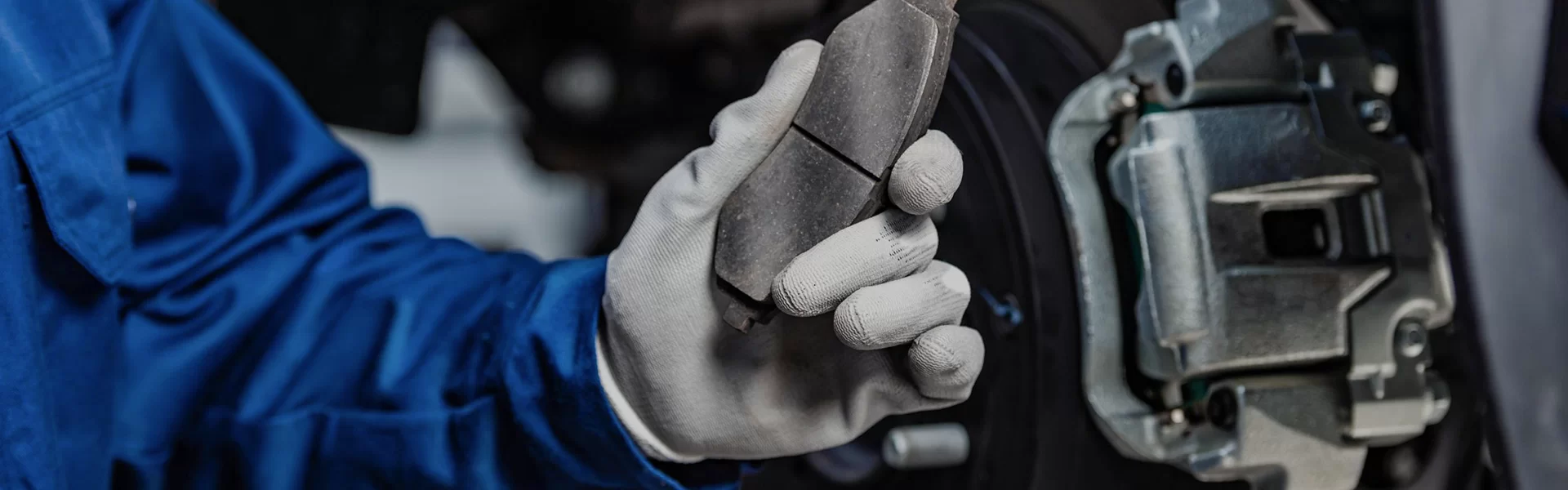
When was the last time you really thought about the brake shoe in your car? For many, they’re just a component hidden away, yet they play a pivotal role each time you press your brake pedal. Understanding what a brake shoe does, why it’s so vital globally, and the benefits of a quality brake shoe system goes beyond simple mechanics—it’s about safety, efficiency, and innovation in modern transportation.
Globally, the automotive sector supports millions of livelihoods and billions of journeys each day. According to the International Organization for Standardization (ISO), ensuring vehicle component safety—like brake shoes—is tightly linked to global road safety efforts. Knowing how brake shoes work and their advantages is crucial not just to car manufacturers, but also to repair professionals, vehicle owners, and regulators.
Mini takeaway: Brake shoes may seem low-profile, but their impact on global vehicle safety and efficiency is enormous.
A brake shoe is a curved component inside drum brakes, which presses outward against the drum's inner surface to create the friction needed to slow down or stop a vehicle. Think of it as a pad that ‘grips’ the spinning drum when you hit the brakes, turning kinetic energy into heat, thus slowing the wheels.
Though disc brakes have risen in popularity, brake shoes are still widely used in many cars, especially rear wheels of economy vehicles, trucks, and older models. They bridge traditional mechanical systems with the modern need for reliable, serviceable braking that supports everything from urban driving to heavy industrial use.
Brake shoe in car design reflects decades of engineering tailored to balance friction, wear, and heat resistance for long-lasting performance.
Mini takeaway: Brake shoes are fundamental friction elements in drum brake systems, indispensable in many vehicle types worldwide.
The friction lining itself is made from a carefully balanced blend of fibers, resins, and sometimes metals. The exact materials impact how much heat the shoe can withstand and how quietly it operates. For example, asbestos was once common but is now banned due to health risks, replaced by semi-metallic and ceramic composites.
Brake shoes need to be tough enough to last under varied driving conditions without excessive wear. Longevity reduces maintenance costs and inconvenience for drivers, making durability a focal point for manufacturers.
As friction generates heat, brake shoes must manage thermal buildup effectively to avoid fading — when brakes lose power after intense use. Innovative designs sometimes include ventilation features or heat-resistant linings.
While safety comes first, affordability keeps brake shoes accessible worldwide, especially in markets where vehicle maintenance budgets are tight. Balancing cost and quality is an ever-present challenge.
New regulations push for eco-friendly brake shoe materials that reduce toxic dust and pollutants—an example of how industry must evolve amid sustainability goals.
Mini takeaway: From materials to temperature control, brake shoes are a fine-tuned product balancing durability, safety, and eco-friendliness.
Brake shoes are everywhere—from bustling cities in Asia to remote mining trucks in Australia. In many developing countries, vehicles equipped with drum brakes and brake shoes remain the workhorses of transportation and commerce. For instance:
In fact, organizations focused on sustainable transport often emphasize reliable brake shoe technology for its balance of performance and serviceability in difficult conditions.
Mini takeaway: Brake shoes are pivotal in diverse environments, enabling safe transport and support across industries and geographies.
| Specification | Description |
|---|---|
| Material Composition | Semi-metallic, ceramic, organic composites |
| Average Lifespan | 30,000 - 70,000 miles (varies by usage) |
| Heat Resistance | Up to 500°C (peak use) |
| Noise Level | Low to Moderate (depends on material) |
| Environmental Compliance | Meets EPA & EU particulate emission standards |
| Vendor | Material Types | Price Range (USD) | Warranty | Global Availability |
|---|---|---|---|---|
| KyBrakePad | Ceramic, Semi-metallic | $40–$70 | 2 years / 50,000 miles | Yes (Worldwide) |
| BrakeTech Solutions | Organic, Semi-metallic | $35–$60 | 1 year / 30,000 miles | Mainly North America, Europe |
| EcoBrake Systems | Eco-friendly composites | $50–$85 | 2 years / 45,000 miles | Growing global presence |
Some benefits speak right to the heart of the driver: safety and peace of mind. Knowing your brake shoes will reliably slow your car regardless of weather or road conditions is priceless. On a practical level, quality brake shoes extend the time between repairs, saving money and environmental waste.
In a sustainability context, the evolution of brake shoe manufacturing towards less toxic and longer-lasting materials lines up perfectly with global moves to reduce vehicle emissions—not just in tailpipe gases but also in dust particulates.
Further, good brakes build confidence. Whether a parent driving kids to school or a delivery driver on a tight schedule, trust in automotive components is foundational. Innovating brake shoes means protecting lives and maintaining dignity on the road.
Mini takeaway: Investing in reliable brake shoes is an investment in safety, economy, and a greener future.
Electric vehicles (EVs) somewhat reduce brake usage because of regenerative braking systems, but brake shoes remain necessary for emergencies and low-speed stops. So, it’s not the end, but a shift.
Emerging materials like advanced ceramics, carbon fiber composites, or even nanotechnology-infused linings promise quieter, more durable, and more environmentally friendly shoes. Manufacturers are also exploring “smart brakes” with sensors to alert drivers or garages pre-emptively about wear.
Regulatory pressures drive greener formulations, too, as the EPA continues to focus on reducing brake dust emissions.
Mini takeaway: The brake shoe’s future is quietly high-tech, more sustainable, and increasingly integrated with digital systems.
One recurring issue: Uneven wear and brake fade under harsh conditions. Solutions range from improved heat-resistant materials to better shoe design and even advanced manufacturing techniques like 3D printing for customized fit.
Another is cost barriers in developing markets. Here, partnerships between manufacturers and NGOs can help spread access to quality brake shoes, supporting road safety broadly.
Some engineers even suggest modular brake shoe systems easier to upgrade or recycle, reducing landfill waste.
Brake shoes might not be flashy, but they quietly underpin the safety of millions of vehicles and their passengers globally. They represent a fascinating intersection of engineering, materials science, and practical need—living proof that sometimes the simplest components matter the most. If you’re curious about upgrading or need reliable parts, visit KyBrakePad for solutions that balance quality, modernity, and cost.
Keep your wheels turning safely, friends.