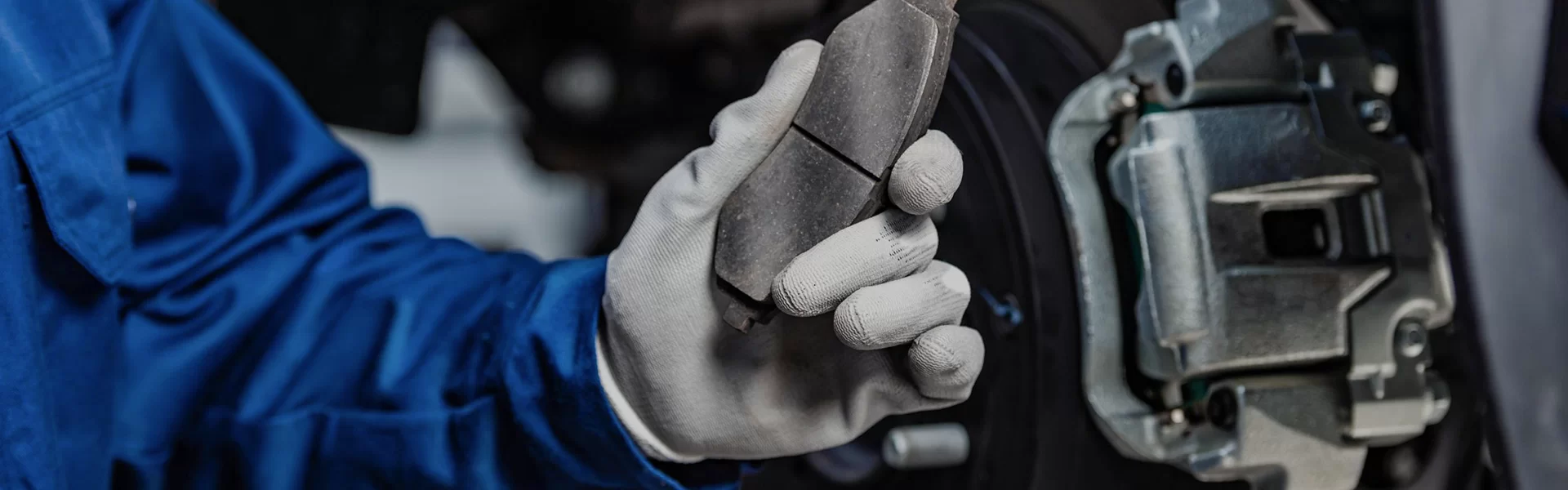
At first glance, the brake shoe system might seem like just a niche automotive term — a mundane part of the braking mechanism hidden behind the wheels. But in reality, it represents much more: a cornerstone of safety, efficiency, and technology that affects billions worldwide. From crowded urban buses to freight trains crossing vast continents, the brake shoe system helps keep people and goods moving safely. Its importance spans continents, enabling smooth logistics and daily commutes alike. Understanding this system isn’t just for mechanics; it’s vital for anyone interested in transport safety, industrial innovation, or manufacturing sustainability.
Globally, road accidents cause roughly 1.3 million fatalities annually according to the World Health Organization. Many of these tragedies stem from brake failures or inadequate maintenance. So, the humble brake shoe system, the friction interface converting kinetic energy into heat, plays a surprisingly pivotal role in saving lives and cutting economic losses.
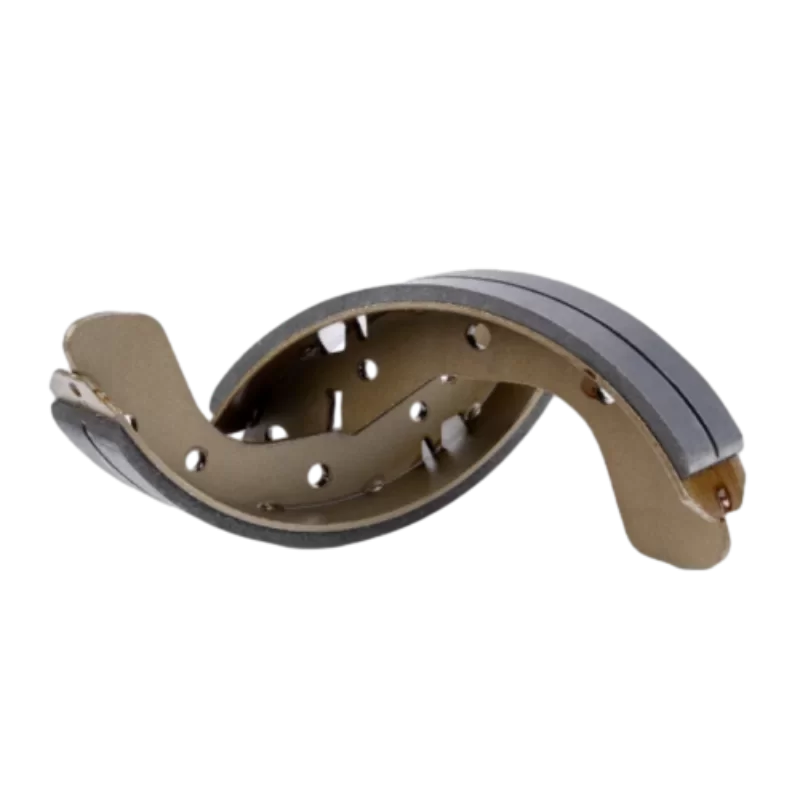
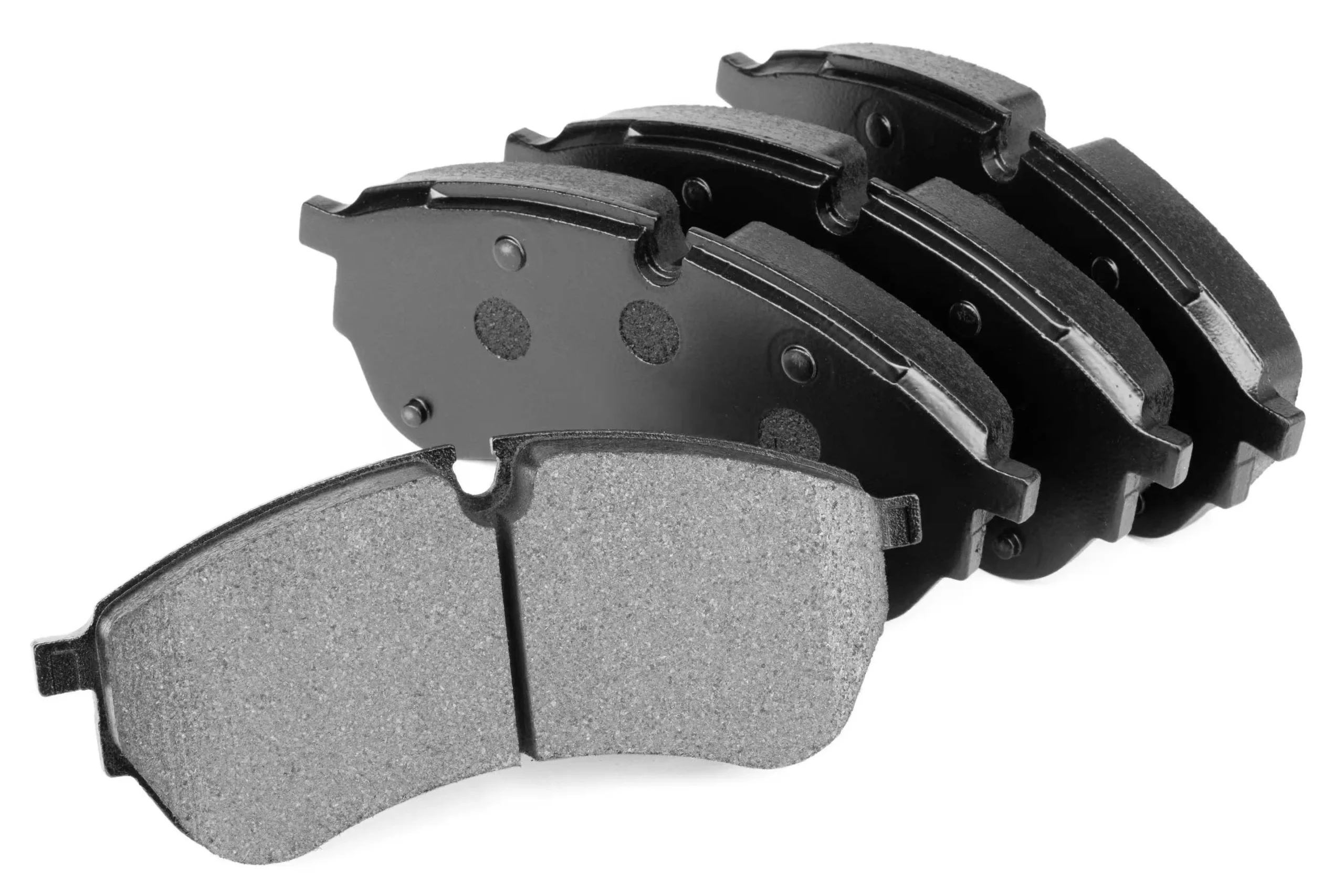
Simply put, a brake shoe system is the mechanism inside drum brakes where a curved friction material (the brake shoe) presses outward against the spinning drum attached to a wheel, slowing or stopping it. Think of it as a pair of shoes squeezing a spinning barrel. Modern vehicles, industrial machines, and railcars often rely on this robust, time-tested design.
While disc brakes have become trendy for passenger vehicles, brake shoe systems still dominate commercial transport and heavy-duty machinery because of their durability and simplicity. In humanitarian contexts, reliable brake systems on transport vehicles ensure aid can reach even the most remote or disaster-stricken areas safely. It's a small device with a big impact — bridging modern industry with real-world needs.
This is the heart of the system. Brake shoes use friction linings made from composite materials—often including synthetic resins, fibers, and sometimes metals. The right composition ensures good grip, wear resistance, and heat dissipation.
The industrial environments can be brutal. A good brake shoe system withstands constant rubbing without rapid degradation. This relates directly to maintenance cycles and cost efficiency.
Friction generates heat—lots of it. Efficient heat dissipation prevents brake fade, preserves material integrity, and ensures reliable stopping power.
The brake shoe doesn’t move by magic; it’s activated by cams or hydraulics in many applications. The mechanical linkage determines responsiveness and reliability.
While brake shoe systems are generally lower-cost than disc brakes, their long-term value depends on ease of inspection, replacement costs, and availability of compatible parts.
| Specification | Value | Remark |
|---|---|---|
| Friction Material Type | Ceramic-Composite | Common for commercial vehicles |
| Operating Temperature | -40°C to 300°C | Sustains heavy-duty braking |
| Average Lifetime | 50,000 km (variable) | Depends on load & maintenance |
| Weight per Shoe | 3.5 kg | Approximate for medium truck size |
| Mounting Type | Pivot arm with hydraulic actuation | Common in heavy vehicles |
Brake shoe systems punch above their weight in numerous industries. In heavy transport, shipping trucks hauling goods across continents rely on their tried-and-true durability. Oddly enough, many developing countries still favor brake shoe systems over newer tech because of their reparability and cost-effectiveness.
For example, Indian Railways - one of the world's largest rail networks - still extensively uses brake shoe systems for freight and passenger trains. Post-disaster relief trucks in Africa trust brake shoe systems to keep aid moving smoothly through tough terrain. Industrial zones in harsh climates from Siberia to South America depend on brake shoe technology's resilience.
Those who design brake shoe system components keep an eye on these diverse environments. The solutions must be adaptable across continents and climates, blending modern materials with rugged mechanics.
| Vendor | Material Quality | Price Range (USD) | Industry Focus | Average Lead Time |
|---|---|---|---|---|
| Kybrake Pads Inc. | High-grade ceramic | $50 - $120/shoe | Commercial vehicles, rail | 2-3 weeks |
| BrakeMaster Ltd. | Semi-metallic blend | $40 - $90/shoe | Heavy trucks, industrial | 3-4 weeks |
| EcoBrake Systems | Organic, low-metallic | $45 - $100/shoe | Environment-focused transport | 4-5 weeks |
What fascinates many engineers is the longevity these systems offer. The materials today allow tens of thousands of kilometers of reliable stopping power before a replacement is due. From a cost perspective, brake shoe systems often win out because replacement parts are widely available and less specialized than disc brake components.
On the emotional side, drivers report a certain confidence in the steady, gradual feel of a brake shoe system—especially in heavy trucks navigating steep descents or emergency vehicles maneuvering through traffic. There is dignity and trust in a brake shoe system that “just works,” reducing worries about sudden failures.
Sustainability is gaining ground too. Many brake shoe manufacturers strive to use recyclable friction materials or incorporate eco-friendly manufacturing protocols, contributing to a smaller carbon footprint over the vehicle’s life.
Recent R&D focuses on integrating sensor technology directly into brake shoe systems, enabling real-time monitoring of wear and temperature. Imagine a world where your fleet manager receives early alerts before a brake shoe fails—saving downtime and preventing accidents.
Material science is moving toward greener options: asbestos-free linings were a huge step, but now there’s research into bio-based composites that maintain performance while reducing environmental impact.
Plus, the rise of electric and hybrid vehicles opens questions about applying brake shoe systems in regenerative braking contexts. Oddly enough, despite advances, brake shoe systems remain surprisingly relevant, with engineers finding ways to improve an old classic.
One tricky aspect is consistent quality control across global suppliers. A subpar friction lining can lead to early wear or even dangerous failure. Many vendors address this with enhanced testing protocols—such as ISO 9001 certifications and material stress tests.
Another challenge is the disposal of used brake linings, which can contain hazardous substances. Industry groups push for recycling programs and safer materials to tackle this environmental concern.
Finally, variability in regulatory standards between countries complicates global supply chains, but harmonization efforts by international bodies like the International Organization for Standardization are making progress.
So, after all this, it’s clear: the brake shoe system isn’t some dusty relic but a vital, evolving piece of technology. Its balance of simplicity, reliability, and adaptability remains unmatched in many sectors. Whether you’re dealing with a fleet of freight trucks, an industrial site, or a humanitarian convoys’ transport, investing in quality brake shoe systems is about safety, cost savings, and peace of mind.
Curious to explore the latest innovations and trusted solutions? Visit https://www.kybrakepad.com to find systems designed with the future in mind — because your brakes deserve more than just a passing thought.