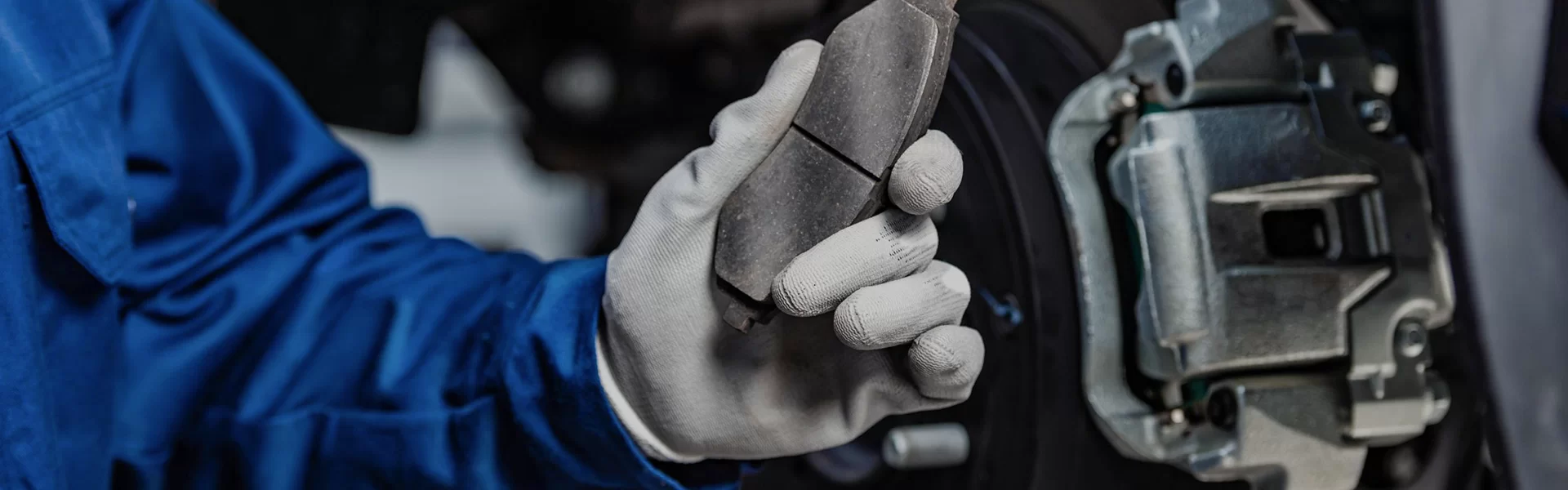
When you hear “brake shoe truck,” you might at first think it’s just another component in a truck’s braking system. But here’s the thing — this small but mighty part holds an outsized role in ensuring heavy vehicles on roadways worldwide stop safely and reliably. As freight volumes grow and logistics become the backbone of global trade, knowing how brake shoe systems work, including their design and variations, is crucial. They’re not just engineering trivia; they protect lives, preserve infrastructure, and keep economies humming.
Worldwide, trucks carry over 70% of goods globally, according to the World Bank. It makes you realize stopping power isn’t just about hardware but safety, efficiency, and sustainability that ripple across continents.
Trucks serve as lifelines everywhere — from bustling urban centers in the U.S. to sprawling industrial hubs in Asia and remote mining sites in Africa. The brake shoe truck is a core part of heavy vehicle braking systems — drum brakes — favored especially in large trucks and trailers thanks to their reliability and cost-efficiency. But there’s a challenge: as trucks haul heavier loads or traverse challenging conditions, brake shoe wear, heat dissipation, and maintenance grow more pressing. ISO standards and material innovations keep evolving to meet those needs.
Frankly, the brake shoe truck design traces its roots back over a century, yet it remains indispensable in modern heavy transport. With stricter emission and safety regulations worldwide, engineers are constantly working to improve its lifespan and performance — all while balancing cost.
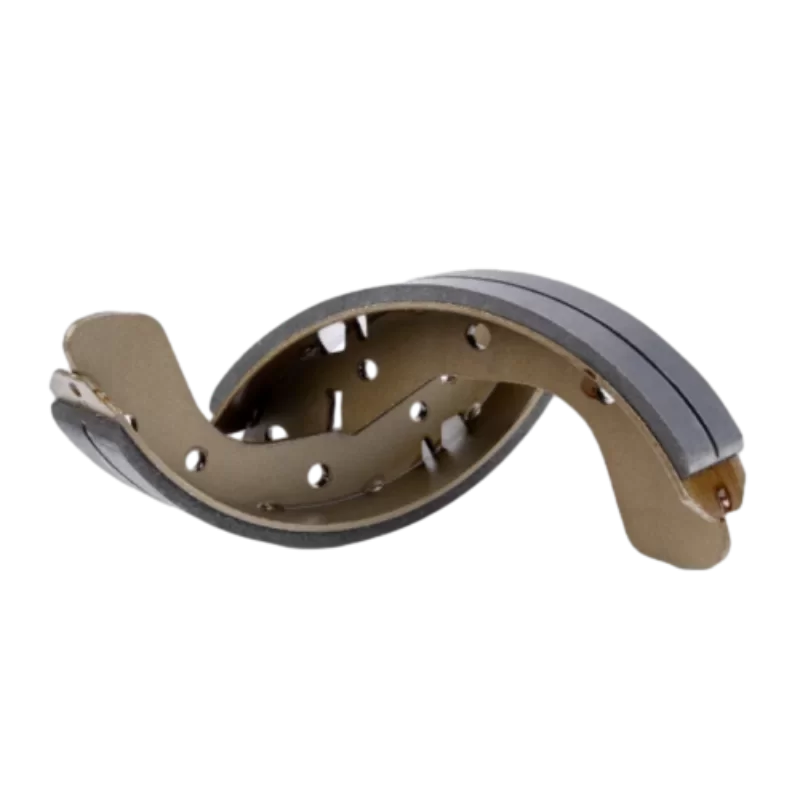
So what is a brake shoe truck? In simple terms, it’s the assembly fitted inside a truck’s drum brake where the friction material (the brake shoe) presses outward against a rotating drum connected to the wheel. This friction slows and stops the truck. Unlike disc brakes, which are common in passenger cars, drum brakes and their brake shoes survive dirt, water, and rough treatment better — perfect for heavy-duty trucking.
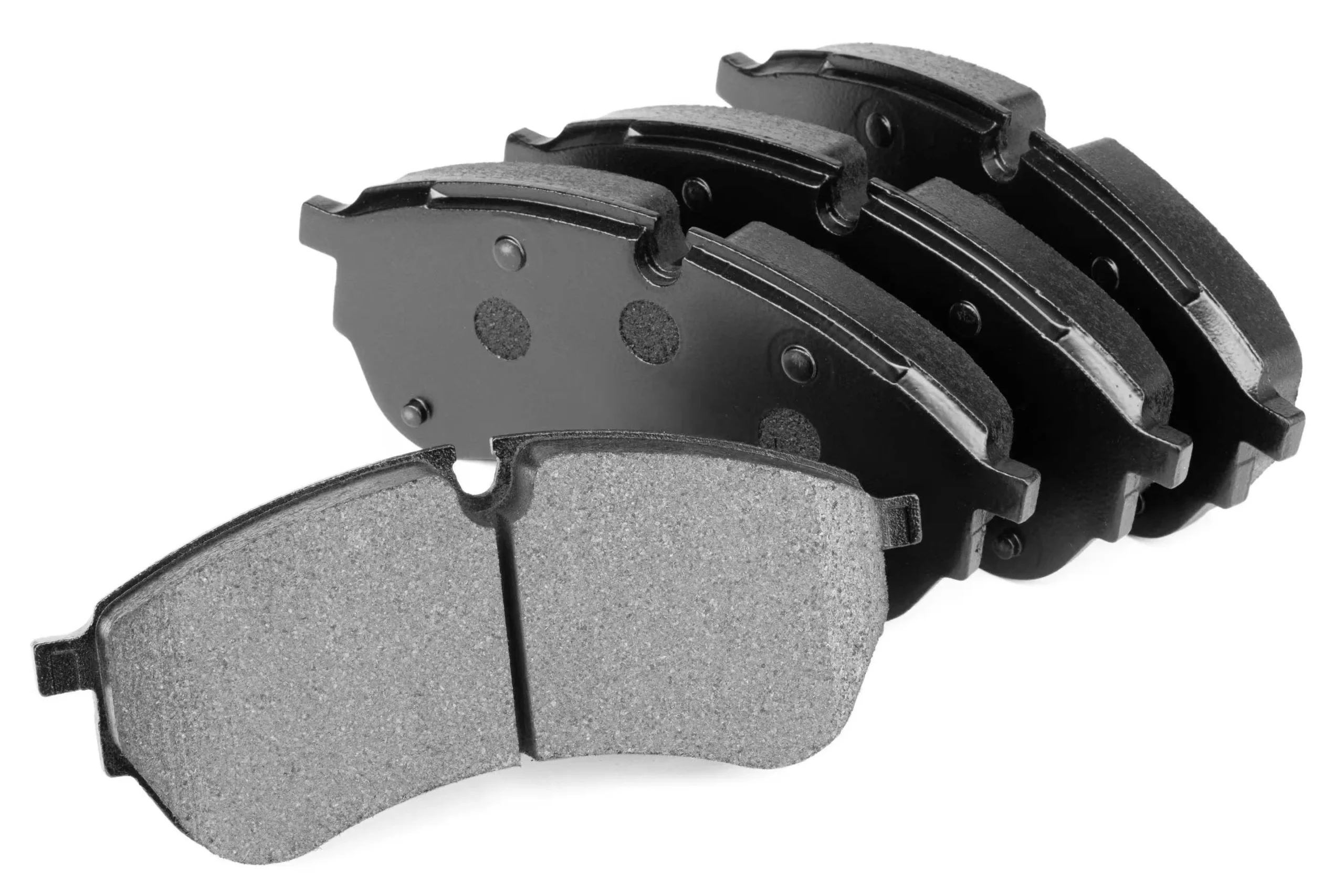
The brake shoe is made of high-friction composite materials designed to stand up to tough conditions. Much like the brake pads for cars, but built bigger, stronger, and heat-resistant. Its reliable functionality is critical for industrial supply chains, disaster relief convoys, and anywhere sturdy heavy transport is a must.
The humble brake shoe truck, tucked inside drum brakes, quietly shoulders massive responsibility globally, ensuring trucks halt safely even under enormous strain.
Brake shoes must endure extensive grinding and heat from friction without degrading too fast. Most use composite friction materials reinforced by steel backing plates, designed to last tens of thousands of miles. Manufacturers extensively test these materials — sometimes simulating years of wear in days.
Braking generates serious heat, especially for trucks carrying heavy loads downhill. Efficient heat dissipation extends brake shoe life and prevents brake fade, a safety hazard. Many brake shoe trucks incorporate ventilation features or special alloys to manage temperatures.
Brake shoe trucks come in many sizes and configurations, fitting various axle types and drum dimensions. Matching the right brake shoe type with truck make and model is key to optimal performance — you wouldn’t fit a compact car brake on a semi-truck.
Compared with alternatives like disc brakes, brake shoe assemblies can be more affordable and easier to maintain, especially in harsh environments. This cost advantage makes them a staple in developing markets and large fleets trying to minimize downtime.
Brake components must comply with stringent safety standards, such as those outlined by the ISO and regional transport authorities. Many companies have shifted toward brake materials with less harmful chemicals and improved recyclability.
| Specification | Typical Range | Notes |
|---|---|---|
| Material Composition | Semi-metallic or ceramic composites | Varies by manufacturer & climate |
| Operating Temperature | -40°C to 600°C | Critical for heat fade prevention |
| Thickness (friction layer) | 10-20 mm | Replaced when under 5mm |
| Expected Lifespan | 50,000 - 100,000 km | Depends on load and usage |
From the sprawling highways of North America to the dusty mining roads of Australia, brake shoe trucks serve everywhere heavy transport operates. In post-disaster zones, vehicles equipped with reliable drum brakes help deliver aid safely over damaged terrain. Remote industrial operations rely on brake shoes with rugged durability, ensuring minimal breakdowns and steady workflows. Even in European fleets increasingly adopting disc brakes, many regional haul trucks still run on tried-and-tested drum brake systems.
For regional cargo firms, brake shoe trucks offer a blend of longevity and cost-effectiveness, reducing maintenance stops on tight delivery schedules. Over in Asia, manufacturers experiment with new friction materials better tuned for humid tropical climates, where corrosion can be killer.
Brake shoe trucks may be overlooked, but their global role in connecting economies and emergency services is vital.
Ultimately, brake shoe trucks are a blend of solid engineering and practical economics. They offer peace of mind, safety on the road, and a form of industrial dignity in keeping supply chains running.
We’re seeing an uptick in composite materials aiming to reduce weight without sacrificing strength and friction. Green energy trucks — hybrids and electrics — demand brake shoes that integrate with advanced regenerative braking systems, partly shifting wear away from friction components.
Digital monitoring is also creeping in, with sensors tracking brake shoe wear in real-time, alerting fleets before issues become costly failures. Automation, too, means trucks may one day self-diagnose braking health, optimizing replacements.
Brake shoe trucks aren't without faults. Excessive heat, premature wear in tough conditions, and variation in quality sometimes pose problems — especially where maintenance intervals are stretched thin. But manufacturers experiment with improved alloys, heat-resistant linings, and improved designs to tackle these challenges. Regular inspections combined with new sensor tech help fleets catch problems early. Sometimes, it’s just about getting the right parts from reputable sources.
| Vendor | Material Options | Price Range (USD) | Lead Time | Warranty |
|---|---|---|---|---|
| BrakoTech | Semi-metallic, Ceramic | $120 - $180 | 2-3 weeks | 2 years |
| StopSafe Parts | Organic, Low-Metal | $100 - $160 | 1-2 weeks | 1.5 years |
| Global Brake Co. | Ceramic, Carbon-infused | $140 - $210 | 3-4 weeks | 3 years |
A: It’s generally recommended to inspect brake shoes every 20,000 to 30,000 km or during routine service checks. However, heavy-duty or off-road operations may require more frequent analysis to ensure safety and performance.
A: Yes, but many electric trucks incorporate regenerative braking that reduces wear on friction components. Brake shoe applications are still relevant, especially as a fail-safe or for heavier vehicle classes not yet fully converted.
A: Modern brake shoes increasingly feature materials that minimize harmful dust and improve recyclability. While not zero-impact, advances in composites and recycling help reduce environmental footprint.
A: While brake shoe replacement isn’t as simple as changing brake pads on a car, trained mechanics can complete the job in a few hours with the right tools, minimizing downtime.
A: Sourcing from reputable manufacturers and certified distributors is key. For example, checking with recognized brake shoe truck suppliers ensures quality and warranty support.
Brake shoe truck assemblies might seem a small detail in the vast machinery of global transportation logistics, but their role is enormous. Durable, cost-efficient, and constantly evolving, they embody a blend of tried-and-true engineering and emerging innovation. For anyone overseeing fleet maintenance or heavy vehicle design, understanding brake shoe options — including the latest material science and sensor tech — offers a strong edge in safety and savings.
As the transport industry leans into greener, smarter solutions, the brake shoe truck will continue adapting. If you’re curious about upgrading your truck’s brake systems or simply want to explore options, visit our website for trusted products and expert advice.
In the often overlooked world of brake shoe trucks, engineering, economics, and safety quietly intersect to keep the wheels of global commerce turning smoothly.
References: