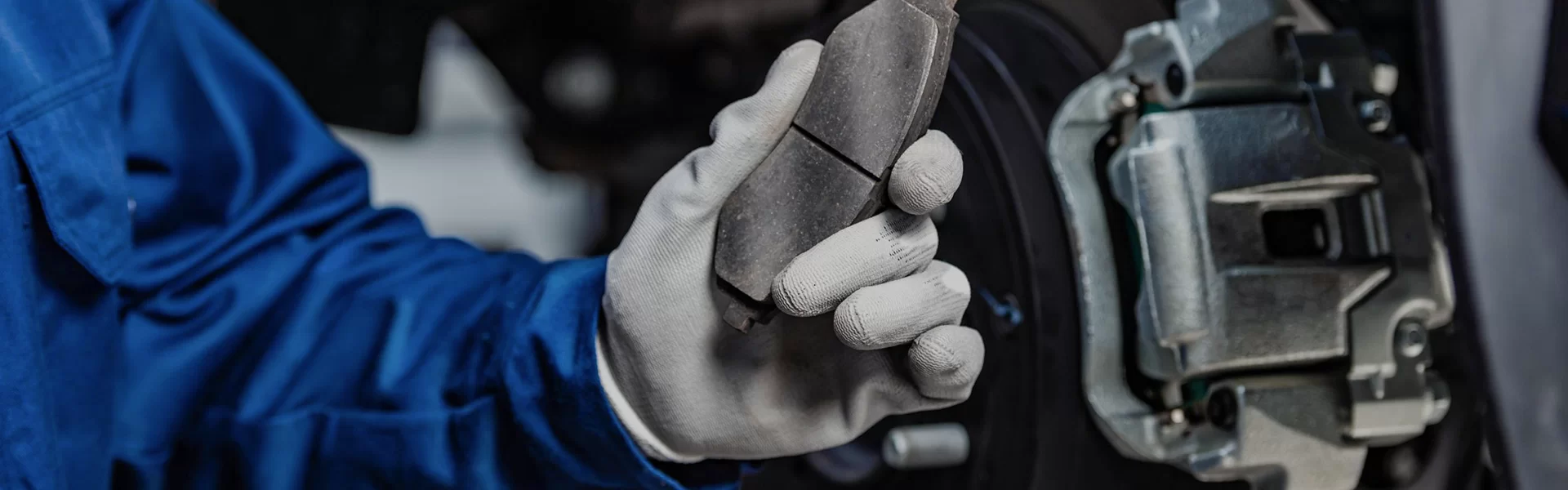
Every time your vehicle slows down, brake shoes and pads play the unsung hero. These simple components literally hold the power to stop a vehicle safely, preventing accidents and saving lives worldwide. But beyond just cars, brake shoes and pads have become essential in industries ranging from railways to heavy machinery, even influencing humanitarian efforts where vehicle reliability can mean the difference between disaster and rescue.
Understanding brake shoes and pads isn’t just about automotive mechanics. It’s about appreciating how reliable braking technology supports global safety, sustainable transportation, and industrial efficiency. Even though it might sound mundane, getting these right impacts billions of people daily—and the environment, too.
So, where do brake shoes and pads fit in the big picture? According to the International Organization for Standardization (ISO), over a billion vehicles worldwide rely on friction materials to stop safely (ISO 6312-1:2013). The World Bank reports that road traffic incidents cause over 1.3 million deaths yearly, underlining how critical proper braking components are for safety.
Brake shoes and pads face constant wear, environmental challenges, and performance demands. In many developing regions with growing vehicle fleets—and often patchy maintenance infrastructures—reliable brake parts are essential. Faulty or worn brake components can lead to avoidable crashes, economic loss, and tragedy.
Basically, these small parts partly solve the global challenge of safer, more sustainable mobility—but only if they work well. And they need to be made and maintained thoughtfully.
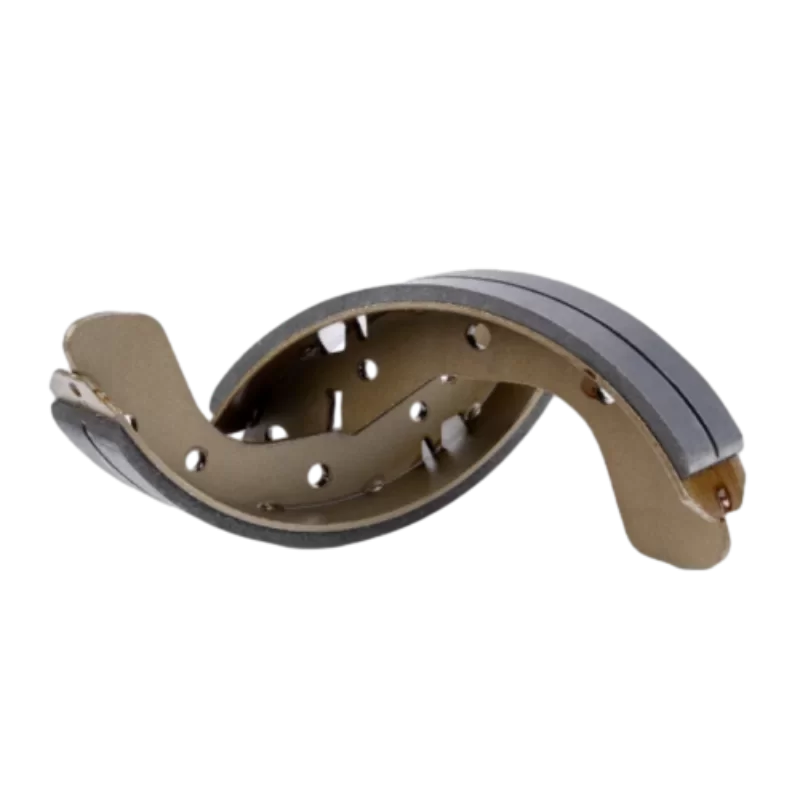
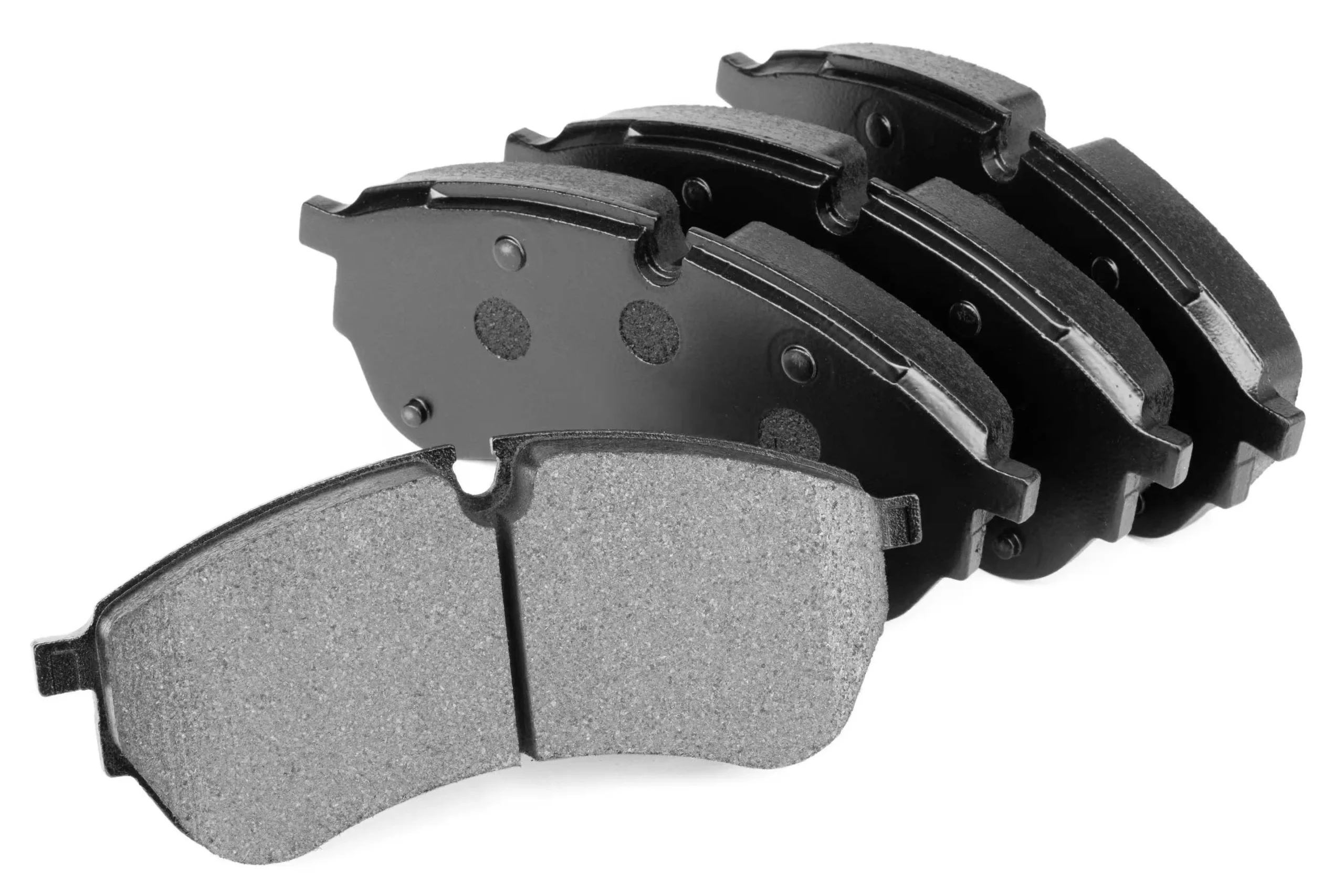
At their core, brake shoes and pads are friction materials that press against a vehicle’s drum or disc to slow or stop wheels. Brake shoes typically work inside drum brakes, curving around a spinning drum. Brake pads, on the other hand, clamp onto a flat disc (you’ve probably seen these with your car’s disc brakes). Both convert kinetic energy into heat, slowing the vehicle i.e., stopping it.
These parts aren’t just rubber blocks or metal plates. They’re made of composite materials designed for high durability, heat resistance, and controlled friction. You can think of them as engineered brakes—crafted and tested so that stopping power is reliable no matter road or weather conditions.
In industrial uses—like cranes, trains, or factory equipment—brake shoes and pads keep massive machines from running amok. Oddly enough, their importance extends to humanitarian needs: emergency vehicles, mobile medical units, and off-road rescue machines all depend on trustworthy brake components.
Many engineers say the magic lies in the mix: organic fibers, metallic particles, ceramics, and sometimes carbon-infused compounds. This blend balances grip with longevity. For instance, organic pads provide quiet operation but wear faster; ceramic ones last longer but cost more.
Obviously, brake parts must endure friction-generated heat and heavy pressure, sometimes at speeds above 120 km/h (75 mph). Durability depends on material quality and manufacturing precision. Rough, uneven wear can cause noise or failure (and frankly, that’s a headache for drivers and fleet managers).
Brakes have to work in rain, dust, extreme cold, or desert heat—sometimes all in one trip. Resistance to corrosion, water, and dust penetration matters, especially for vehicles in challenging terrains or climates.
In industrial sectors, downtime costs money. Reliable, affordable brake shoes and pads reduce service intervals and parts replacement, saving agencies heaps in repairs and labor.
Last but not least, parts must meet international safety standards (like ECE R90 or FMVSS 135). End-users should verify certifications to avoid substandard or counterfeit products.
Brake shoes and pads aren’t just for your average family sedan. Heavy industries rely on them daily:
In some remote industrial zones in Africa and Australia, brake maintenance is sporadic, so products that balance longevity with ease of replacement are prized. Roughly, brake shoes and pads empower almost every sector that involves mobile machinery.
Choosing superior brake shoes and pads translates to real-world benefits, like:
Emotionally, safety isn't just numbers—it's about peace of mind on every journey. Logic says spending a little more for reliability pays dividends in the long term.
The future is kind of exciting here. Innovations include:
It’s an intriguing mix of tradition and tech, slowly phasing out old problems with data-rich, eco-friendly solutions.
Low-quality counterfeits, unpredictable wear rates, and environmental contaminants plague the market. Also, extreme emergencies can challenge even the best brake systems.
Experts recommend:
Partnerships between manufacturers and local agencies can create tailored solutions addressing specific regional needs, improving adoption and effectiveness.
| Specification | Typical Value | Unit |
|---|---|---|
| Friction Coefficient | 0.35 - 0.45 | – |
| Operating Temperature | -40 to 450 | °C |
| Thickness (new) | 10 - 15 | mm |
| Wear Rate | 0.02 - 0.05 | mm/km |
| Mass | 0.4 - 0.6 | kg/pad |
| Vendor | Material Quality | Price Range | Compliance Certifications | Delivery Time |
|---|---|---|---|---|
| KyBrakePad Co. | High-grade ceramic & metallic | $$$ | ECE R90, ISO 6312 | 7-10 days |
| MasterStop Inc. | Organic & semi-metallic blends | $$ | FMVSS 135, ISO 6312 | 10-14 days |
| SafeStop Ltd. | Ceramic composites | $$$ | ECE R90, ISO 6312 | 5-7 days |
A1: Wearing rates vary depending on driving style and conditions, but generally, brake pads should be replaced every 30,000 to 70,000 kilometers. Brake shoes tend to last longer. Regular inspections every 10,000 km help catch wear early to avoid performance loss or damage.
A2: Brake shoes work inside drum brake systems and have a curved shape that presses outward against the drum. Brake pads are flat and squeeze against a spinning disc in disc brakes. Pads are common in modern vehicles; shoes are often used in older or specific commercial vehicles.
A3: Quality aftermarket parts from certified suppliers can be just as reliable as OEM (original equipment manufacturer) pads. But beware of counterfeit or low-quality products that fail safety standards. Always check for certification marks and reputable vendors, like those listed above.
A4: Brake pads deteriorate through friction and heat; resurfacing isn’t practical. Brake shoes sometimes can be resurfaced if not too worn but most times it’s safer to replace for optimal performance and safety.
A5: Humid, dirty, or dusty environments accelerate wear and corrosion, reducing brake pad life. Vehicles frequently driven in mountain regions or off-road need pads made with more durable, corrosion-resistant materials for longer service.
Brake shoes and pads may seem like standard vehicle parts, but their influence is substantial when it comes to safety, sustainability, and operational cost-efficiency. Investing in high-quality, compliant components not only protects drivers and passengers but supports entire industries and communities that depend on reliable machinery and transportation.
Next time you think of vehicle maintenance, don’t overlook the quiet power of well-made brake shoes and pads. Visit our website to explore a wide range of products engineered with longevity and safety in mind.