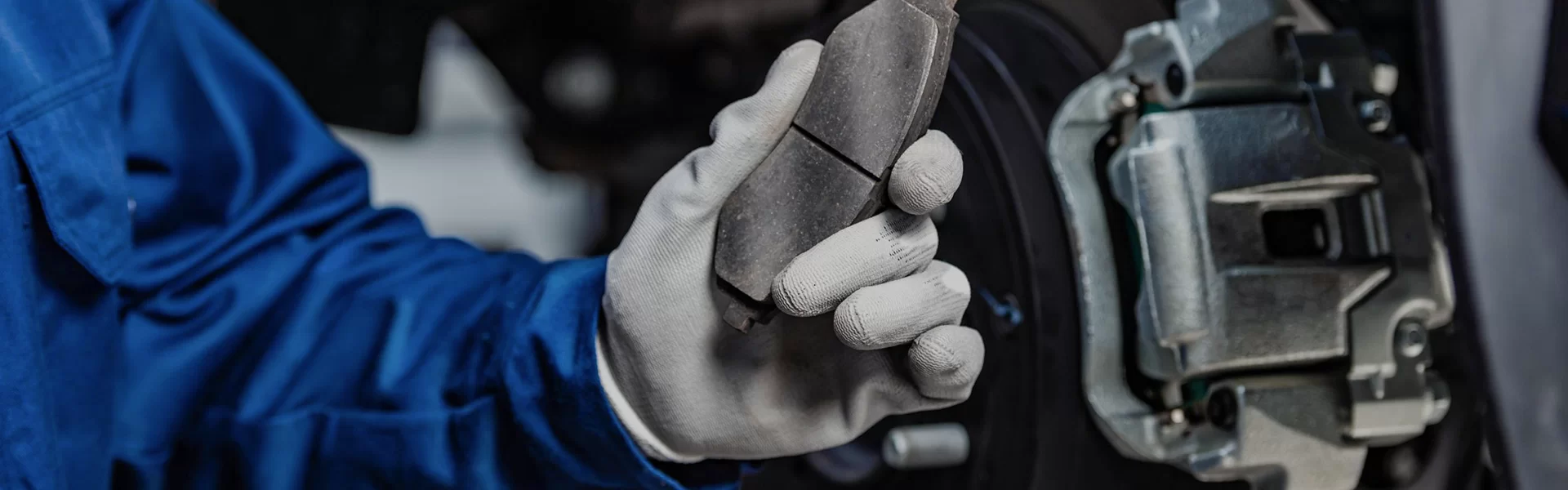
If you’ve ever wondered what’s underneath the wheels that keep cars, trucks, or even heavy machinery from turning into runaway hazards, you’ve stumbled onto the humble brake shoe — the quietly essential component that makes stopping possible. Though often overlooked, understanding brake shoes reveals a vital story about vehicle safety, global industry standards, and surprisingly, the environment.
Brake shoes are everywhere, literally. By some estimates, billions of these parts support automotive industries worldwide, from bustling megacities to remote mining operations. With road traffic accidents representing a major global challenge according to the World Health Organization (WHO), advancements in brake technology play a crucial role in saving lives and reducing economic losses. This article explores what brake shoes are, their role in the industry, and why they matter more than you might think.
Data from the WHO shows road traffic injuries are a top cause of death worldwide, especially in low- and middle-income countries. Reliable braking systems, centered around quality brake shoes, remain a critical factor in accident prevention. Tack on the rise in vehicle electrification, stricter ISO standards for automotive safety, and the growing demand for heavier industrial vehicles, and it’s no surprise brake shoes are rapidly evolving in design and use.
One challenge the industry faces is balancing performance with environmental concerns — many traditional materials in brake shoes have heavy metal components which risk pollution. New regulatory frameworks and the UN’s Sustainable Development Goals push for cleaner alternatives. The brake shoe, while small, is on the frontline of these changes.
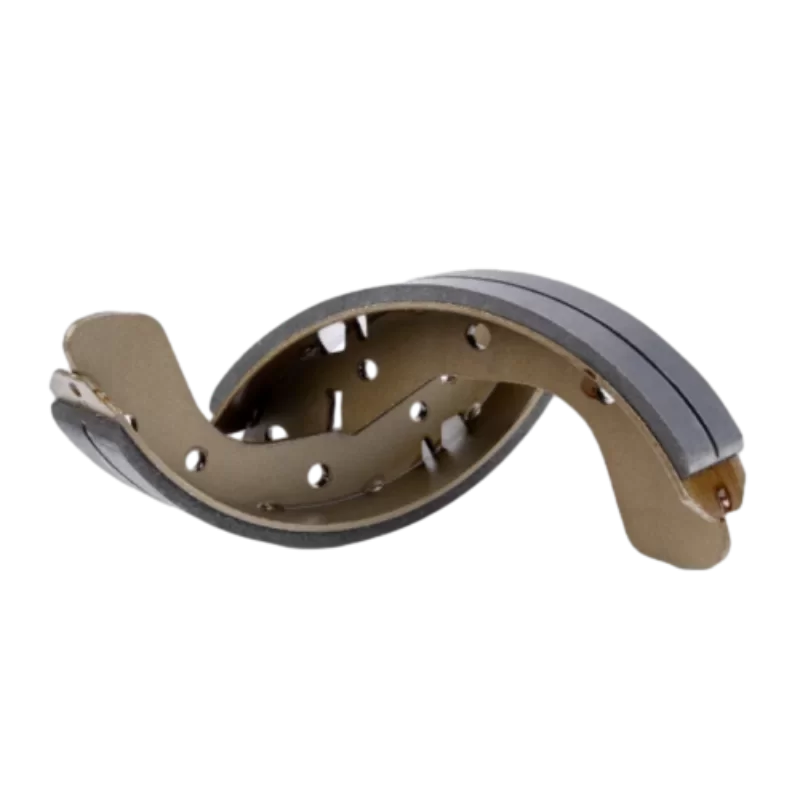
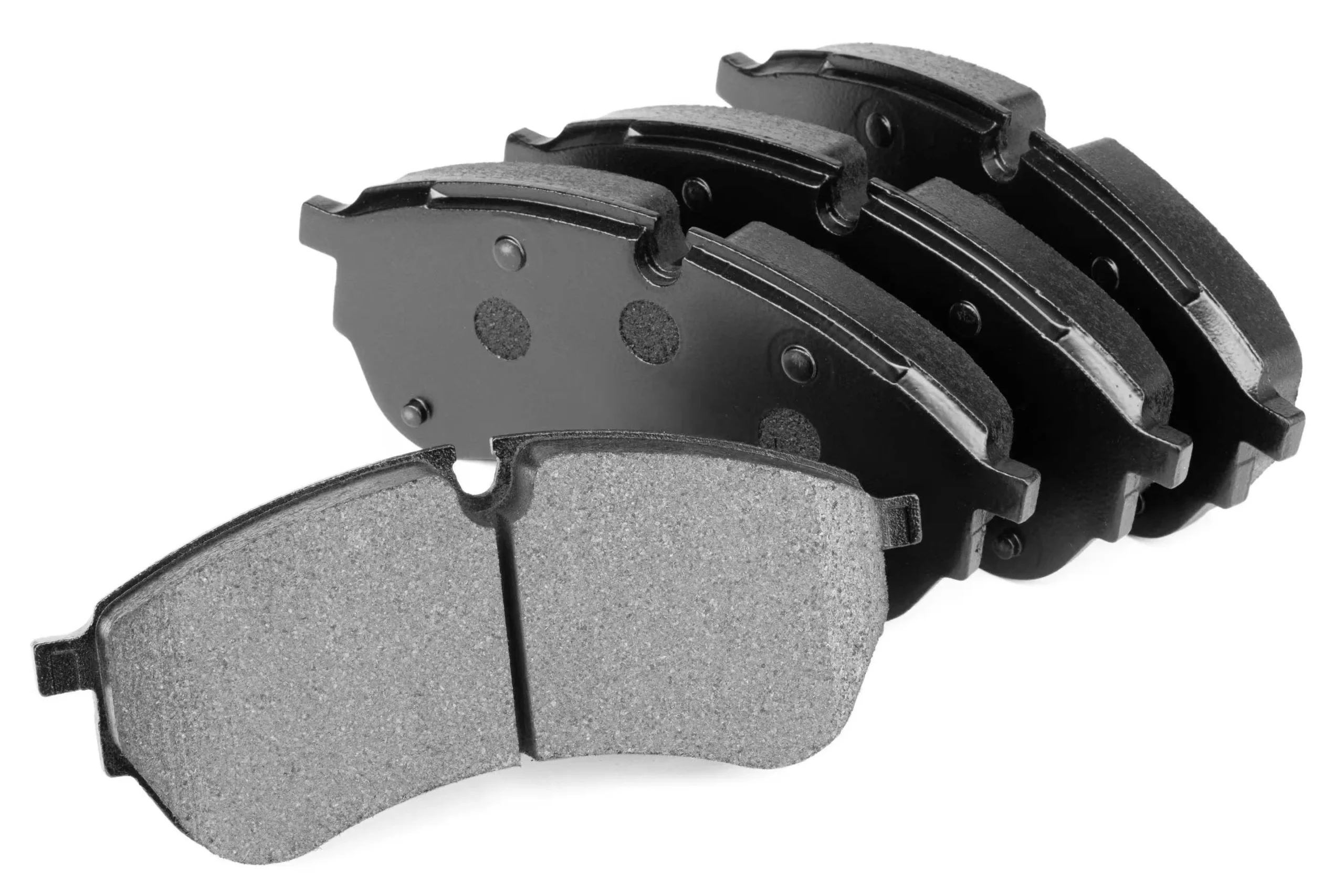
So, what exactly is a brake shoe? Simply put, it’s an essential component inside a drum brake system that presses against a rotating drum to create friction — which slows or stops the wheel. Unlike disc brakes that use pads, drum brakes rely on shoes, usually shaped like curved plates lined with friction material.
These friction elements convert kinetic energy into heat, making sure vehicles don’t turn into runaway machines. Whether in commercial trucks hauling tons of cargo or simple compact cars navigating city streets, brake shoes are what literally put the brakes on.
Beyond vehicles, brake shoes also find their place in industrial machinery and even some emergency equipment, underscoring their versatility across sectors and geographies.
A good brake shoe must endure thousands — sometimes millions — of braking cycles. High durability materials like semi-metallic compounds and ceramic blends deliver longer life spans and maintain performance under intense conditions.
Performance hinges on consistent friction coefficients. Variations can cause squealing, poor braking, or even dangerous fade during long stops or downhill drives. This consistency is why material science is constantly innovating here.
Since braking converts motion into heat, brake shoes must effectively manage thermal buildup. Overheating can cause warping or failure, so designs often incorporate metal backings and friction materials engineered to dissipate heat.
For fleets and manufacturers, balancing cost with quality is an art. Cheaper materials may save upfront but lead to early replacement and safety risks — a false economy many industries have realized the hard way.
Reducing harmful dust emissions (like copper content) has led to development of "green" brake shoes that still meet performance standards, thus helping industries move toward sustainability goals.
Mini takeaway: Brake shoes are a blend of art and science — marrying material technology with practical demands of durability, safety, and environmental concerns.
From the busy highways of North America to the rugged mining zones in Australia or the public transportation hubs in Europe and Asia, brake shoes have miles to cover — sometimes literally.
Oddly enough, a set of quality brake shoes is as critical in a remote African mining camp as it is in the bustling streets of Tokyo.
First, they’re safety champions. Their primary role is preventing accidents and saving lives — a fact no one should underestimate. Beyond this, they promote sustainability by enabling heavier vehicles to operate effectively without excessive maintenance or wasted resources.
Emotionally, knowing your vehicle has dependable brakes builds confidence — whether you’re a truck driver navigating winding mountain roads or a parent driving your kids to school. There’s something reassuring about how the right brake shoes combine innovation with trust.
| Specification | Value |
|---|---|
| Material | Semi-metallic composite |
| Friction Coefficient | 0.35 - 0.45 |
| Operating Temperature Range | -40°C to 300°C |
| Average Lifespan | 40,000 - 70,000 km |
| Emission Compliance | Meets EPA copper-free regulation |
| Vendor | Material Options | Eco-Friendliness | Typical Applications | Pricing Level |
|---|---|---|---|---|
| KyBrake | Semi-metallic, ceramic | Copper-free options available | Medium & heavy trucks, buses | Mid-to-premium |
| BrakePro | Organic, semi-metallic | Limited eco-friendly ranges | Light vehicles, motorcycles | Budget |
| EcoStop | Ceramics, copper-free metallics | Highly certified green products | Public transport, eco-friendly fleets | Premium |
Innovations in materials science promise brake shoes that are lighter, more durable, and friendlier to the environment. I was recently reading about the integration of nano-ceramic fibers and smart materials that could adapt friction characteristics on the fly. Imagine brake shoes that optimize for weather or load without human input. It feels almost a little sci-fi — yet it’s happening.
Digitization is another exciting angle: wireless sensors embedded in brake shoes could monitor real-time wear and send alerts for predictive maintenance — a real game changer for fleet operations.
One thorny issue remains the balancing act between high performance and eco-friendly materials. Many advanced composites can be pricier or need special manufacturing facilities, which limits accessibility for lower-cost vehicle markets. Plus, testing for durability across diverse global climatic conditions is expensive.
Experts suggest partnerships between manufacturers, governments, and NGOs might speed innovation diffusion — especially with growing demand for greener transport options worldwide. Plus, modular designs that allow brake shoe components to be replaced individually rather than whole assemblies seem promising.
Brake shoes really are the quiet, dependable workhorses behind vehicle safety and industrial efficiency. They might not be flashy, but the impact of well-engineered brake shoes stretches from saving lives on highways to supporting sustainable development goals worldwide. Paying attention to quality, environmental impact, and innovation in this small yet mighty part makes a huge difference.
Curious to learn more or find the ideal brake shoes for your fleet? Visit our website at KyBrakePad for expert guidance and top-tier products designed with safety and sustainability in mind.
References: