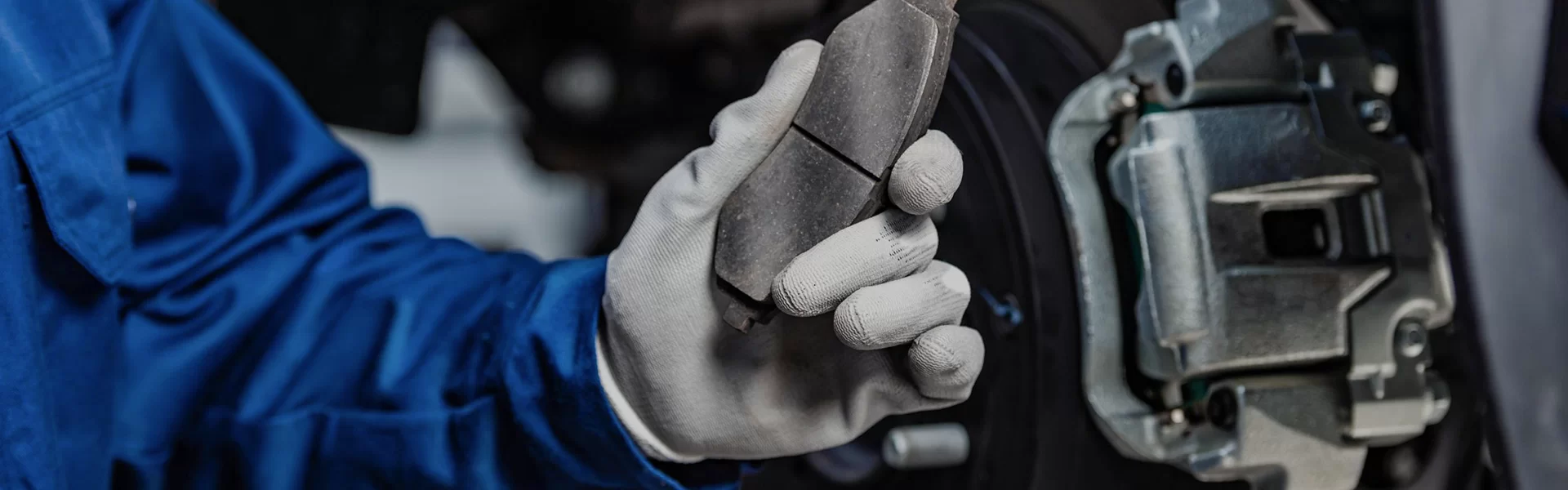
Commercial truck brake shoes might not be the first thing you think of when considering global transportation or logistics—but these unassuming components are crucial. They literally keep heavy goods moving safely across continents, connecting suppliers to markets and people to products. Understanding what commercial truck brake shoes are, how they work, and why their efficiency matters means appreciating a key part of the worldwide supply chain—and frankly, safety on the road.
According to the United Nations Economic Commission for Europe (UNECE), over 70% of international freight is transported by road, with commercial trucks playing a major role in that figure.1 When you consider the volume and weight these beasts haul, their braking systems become a matter of public safety and economic stability. The ISO also sets standards specifically aimed at brake system performance for heavy commercial vehicles—including brake shoes—as part of ensuring uniform safety worldwide.2 The challenge? These brake shoes have to endure harsh conditions: heavy loads, repeated stops, weather extremes, and long miles without failing.
Simply put, if a commercial truck brake shoe wears out prematurely or fails, the consequences can be disastrous: accidents, costly delays, environmental damage, and loss of lives. So, it’s no stretch to say this small part plays a huge role, globally—even in humanitarian logistics where vehicles carry essential aid and recovery supplies.
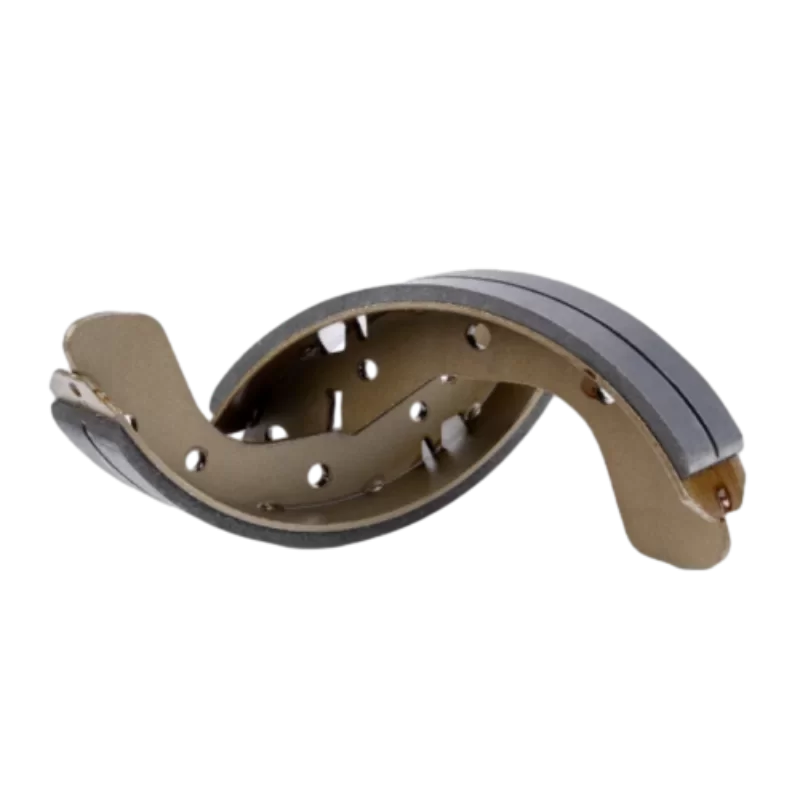
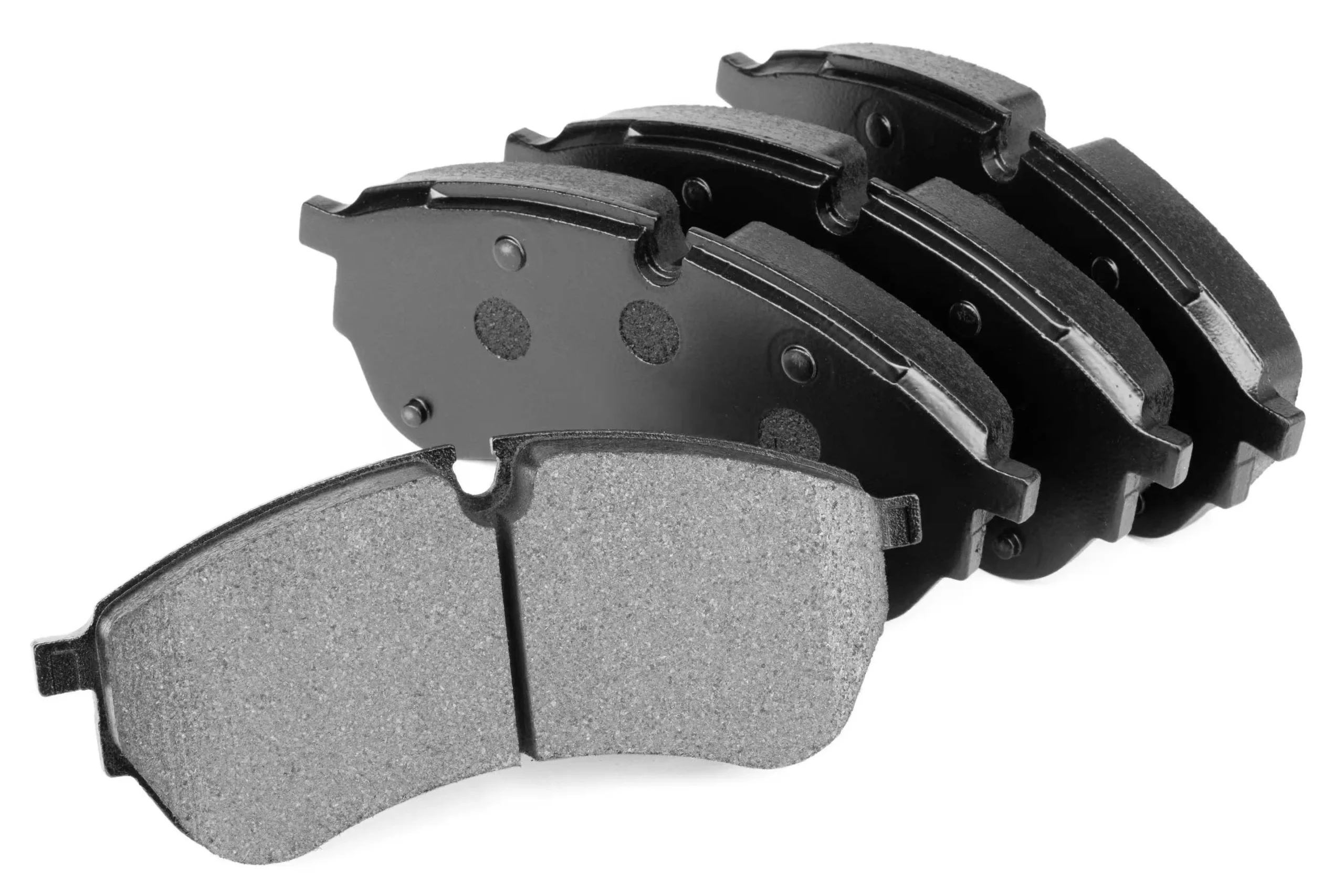
Imagine them as the unsung heroes inside drum brakes. Commercial truck brake shoes are the curved metal frames lined with friction material that press against the inside of the brake drum to slow or stop a truck. Unlike passenger cars, which often have disc brakes, many big trucks still use drum brakes because of their durability and power for heavy loads.3 The lining material creates the necessary friction to safely reduce speed and bring a massive vehicle to a controlled halt.
In modern industry, these brake shoes connect directly to logistics efficiency, from mining rigs hauling ore in remote regions to huge container trucks navigating ports. Humanitarian agencies, too, rely on reliable brake performance when delivering emergency relief in disaster zones.
Brake shoes have to last. I mean, they’re under constant pressure and heat every time a truck slows down or stops. High-quality friction materials that resist wear ensure fewer replacements and less downtime.
Brakes generate substantial heat, especially in long downhill drives. The shoe's lining must withstand thermal cycling without cracking or losing grip—sort of like the difference between a cheap tire and one designed for a road trip through the mountains.
Fleet operators constantly balance upfront costs with life-cycle expenses. Long-lasting brake shoes reduce maintenance costs and improve truck uptime, impacting the bottom line directly.
Many modern linings avoid asbestos, meeting global regulations to reduce hazardous waste. Eco-friendlier materials ensure compliance and sustainability; few realize how much this factors into procurement decisions nowadays.
Different truck models and load types mean brake shoes aren’t always one-size-fits-all. Vendors often offer customization to optimize braking for specific applications—like off-road construction trucks versus long-haul highway trucks.
Ultimately, the brake shoe’s role boils down to this: reliable, consistent braking performance. Any compromise here affects driver confidence and public safety profoundly.
Mini takeaway: When it comes to commercial truck brake shoes, durability, safety, and cost are inseparably woven into their design and material choices, impacting real-world performance every day.
Across continents and sectors, commercial truck brake shoes serve a vital role. In North America and Europe, long-haul trucking companies demand brake shoes that endure thousands of miles across varied climates. Meanwhile, in mining regions of Australia and South Africa, trucks frequently carry colossal weights over rugged terrain—demanding brake shoes with remarkable heat resistance and toughness.
In humanitarian relief missions, say after an earthquake or flood, trucks equipped with reliable brake shoes are critical in navigating tricky, often uneven or debris-laden roads safely and efficiently. Commercial truck brake shoe technology also supports urban waste management fleets, ensuring safety during frequent stops.
| Feature | Specification | Benefit |
|---|---|---|
| Friction Material | Non-asbestos organic (NAO) | Environmental compliance & reduced health risk |
| Operating Temperature | Up to 550°C continuous | Maintains grip under heavy braking |
| Lifespan | Up to 50,000 km / 31,000 miles | Cost-efficient with reduced replacements |
| Dimensions | Varies by axle load & drum size | Fits wide range of truck models |
| Anti-corrosion treatment | Zinc phosphate coating | Enhances longevity against rust |
| Vendor | Material Tech | Customization | Eco-Friendly Options | Typical Applications |
|---|---|---|---|---|
| BrakePro | High-temp NAO, semi-metallic | Available for custom truck specs | Yes, 95% recyclable linings | Long-haul and mining |
| EcoStop | Organic NAO, bio-resin bonded | Standard sizes mostly | Focus on biodegradability | Urban trucks, waste management |
| Durabrake | Semi-metallic, ceramic infused | Highly customizable | Partial eco-friendly options | Off-road & construction |
High-performance commercial truck brake shoes deliver peace of mind. Cost savings due to fewer replacements and repairs obviously save fleet operators money—but the real win is safety. Drivers trust their brakes every mile, and communities near busy highways depend on them to prevent accidents.+
There’s also an environmental angle: eco-friendly linings reduce toxic waste from worn brake pads, marking a step toward sustainable trucking. Sometimes, it’s easy to overlook how innovation in design and materials affects not just performance, but the broader social responsibility of logistics.
Still, no part is perfect. Brake shoe wear and contamination from dust or oil can reduce effectiveness. Cost pressures may tempt operators toward cheaper, short-lived options—you know, the classic penny wise, pound foolish dilemma. Yet, advances in materials and remote diagnostics are increasingly helping fleets predict replacements before failures happen.
Vendors collaborate with truck manufacturers and regulators to ensure standards evolve alongside innovation, making tomorrow’s brake shoes smarter, safer—and greener.
Commercial truck brake shoes may seem like small parts in a big machine, but their impact is massive—on safety, cost, and sustainability in road freight. Investing in quality brake shoes is investing in safer highways, reliable deliveries, and a greener future. If your fleet or operation needs dependable brake solutions, I suggest you take a closer look at commercial truck brake shoes vendors who combine innovation with real-world durability.
Drive safe—and brake smart.
Mini reflection: The brake shoe industry quietly merges engineering complexity with environmental responsibility, and it’s exciting to see digital tools start shaping its next chapter.