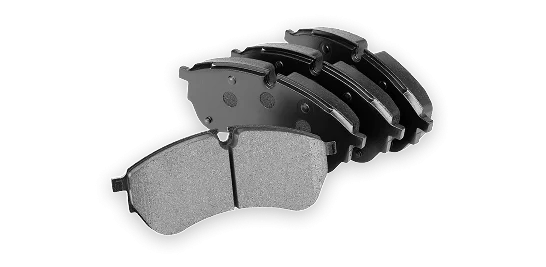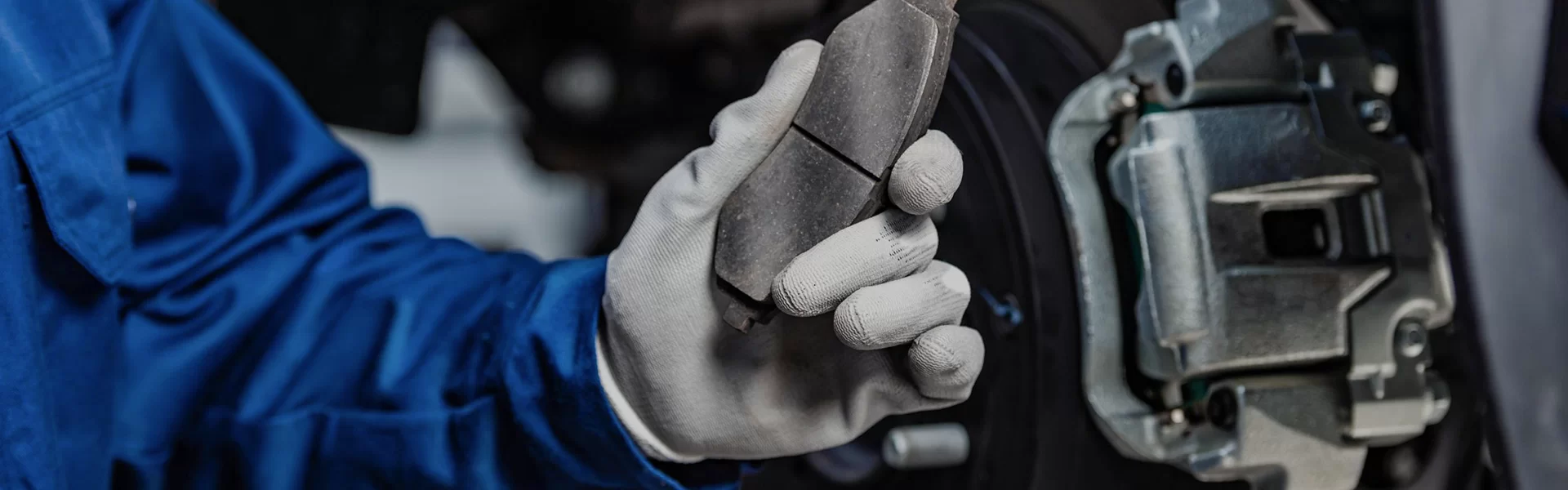
When you hear “ADR brake shoes,” you might think it’s just another technical term lost in the noise of automotive parts. But here’s the thing: These components play a pivotal role not just in everyday vehicles but in the larger world of goods transportation, safety compliance, and sustainable transport solutions. Understanding adr brake shoes matters because they ensure that heavy vehicles—from trucks to trailers—stop safely and reliably, reducing accidents and environmental harm on a global scale. Plus, their design affects efficiency, maintenance costs, and vehicle lifespan.
So, why bother? Globally, commercial vehicles haul millions of tons of goods every day. Efficient braking systems that use top-tier adr brake shoes prevent costly delays and accidents, making supply chains smoother. They also align with evolving international regulations for road transport safety, particularly for hazardous cargo—a truly global concern affecting industries, governments, and everyday people alike.
It’s fascinating when you look at some numbers. According to the United Nations Economic Commission for Europe, road transport accounts for roughly 75% of inland freight transport in Europe, a figure echoed worldwide in various forms. Heavy vehicles carrying cargo safely and reliably require high-performance braking systems.
Now, the problem that jumps out is the wear and tear those brake shoes endure. Poor quality or inappropriate use can lead to brake failure, which is catastrophic, especially when transporting dangerous goods like chemicals or flammable materials—the realm where ADR-certified brake shoes take center stage.
The ADR agreement by UNECE governs transport of dangerous goods by road, and brake components meeting these standards are critical for compliance and safety worldwide.
In simple terms, adr brake shoes are specialized brake shoe components explicitly designed to meet the ADR (Agreement concerning the International Carriage of Dangerous Goods by Road) regulations. They ensure optimal friction and heat management under demanding conditions—think of them as the guardians of safe stopping in trucks carrying hazardous goods.
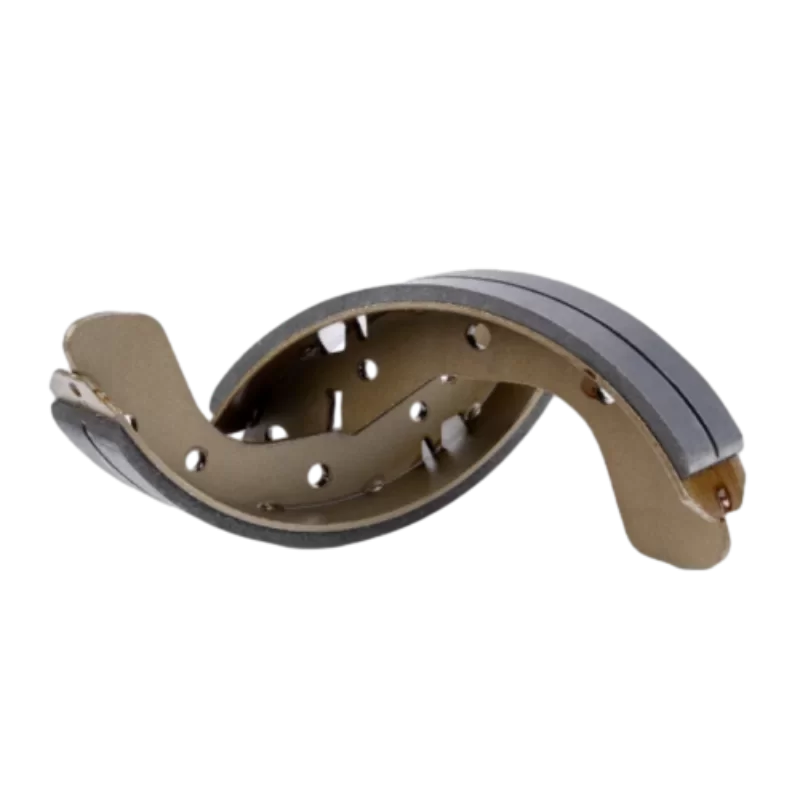
These brake shoes connect tightly with drum brakes, pressing against the rotating drum to slow vehicle speed. The “ADR” tag means they comply with strict standards for durability, reliability, and performance — crucial when the cargo is a ticking time bomb on wheels.
ADR brake shoes must withstand high temperatures and rough road environments without degrading fast. Manufacturers commonly use composite friction materials reinforced with metallic fibers or ceramics to extend service life.
Maintaining steady friction across temperature variations helps avoid brake fade—a dangerous drop in braking efficiency often caused by heat buildup.
Not all brake shoes qualify as ADR-compliant. They undergo rigorous testing based on UNECE Regulation No. 13 and associated annexes to prove they meet safety and performance requirements.
High-quality adr brake shoes may cost more upfront but save money by lasting longer and reducing maintenance downtime—a win for fleet operators juggling tight schedules.
Some brands have started adopting eco-friendly materials and manufacturing processes—less copper, better recyclability—aligning with global efforts to reduce vehicular pollution.
Mini takeaway: When it comes to adr brake shoes, durability, friction performance, compliance, cost, and eco-friendliness weave a tight web that defines overall effectiveness.
From bustling European highways to remote mining sites in Australia, adr brake shoes are a staple safety component. Logistics companies transporting chemicals across multiple borders rely on them to meet strict safety standards. In disaster relief missions, specialized vehicle fleets use ADR-compliant brake systems to safely maneuver sensitive, hazardous materials.
Not to mention, manufacturers and vendors worldwide—from Germany to China to the USA—serve regional needs with ADR-grade products. Take, for example, logistics groups in Scandinavia, where cold climates challenge braking systems; they specifically opt for brake shoes tested for icy and wet conditions.
During the 2023 floods in Central Europe, emergency fleets carrying fuel and hazardous cleanup chemicals relied on trucks fitted with proper adr brake shoes, ensuring both rapid response and safe cargo handling amidst chaotic roads.
Why splurge on ADR-compliant brake shoes? Because the payoff is multi-faceted:
Interestingly, many fleet managers say peace of mind itself is worth the investment—knowing your vehicles can handle heavy loads with precision braking is priceless.
Progress never stops. Smart materials like carbon-ceramic composites and enhanced aramid fibers are gradually filtering into the market. A growing trend is digitization—integrated sensors within brake systems provide real-time wear data, helping fleets forecast maintenance before failure.
Automated and electric heavy vehicles are also influencing brake shoe design. Regenerative braking systems reduce wear but still depend on quality mechanical brake shoes for safety redundancy. Plus, eco-conscious regulations are pushing out copper-laden shoes for greener alternatives soon.
Even with advancements, challenges persist. Some ADR brake shoes wear prematurely when used in non-standard conditions, such as poorly maintained roads or overloaded trucks. Also, cost barriers for small businesses can delay adoption.
Solutions? Well, modular brake shoe designs allowing quick swap-outs reduce downtime, and subsidies or bulk purchasing alliances can ease financial strains. Industry groups continue pushing for universal standards to raise the baseline quality globally.
| Feature | Typical Specification | Remarks |
|---|---|---|
| Friction Material | Semi-metallic composite with aramid fibers | Balanced wear resistance and heat dissipation |
| Operating Temperature | -40°C to 350°C | Suitable for diverse climates |
| Noise Level | Meets ISO noise standards | |
| Wear Life | 50,000 - 80,000 km | Depends on vehicle type and loading |
| Regulatory Approval | UNECE ADR R13 | Mandatory for hazardous goods transport |
| Vendor | Product Range | Pricing | Certifications | Lead Time |
|---|---|---|---|---|
| Brakes4U Inc. | Wide (ADR + general) | Mid-range | UNECE R13, ISO 9001 | 2 weeks |
| SafeStop Technologies | ADR specialty | Premium | UNECE ADR, ISO 14001 | 3-4 weeks |
| EcoBrake Solutions | Focused on eco-friendly brake shoes | Mid-High | Pending UNECE certification | 4 weeks |
| GlobalBrake Ltd. | Broad, budget to mid-range | Competitive | UNECE R13 | 1 week |
Whether you’re a logistics manager, fleet owner, or safety engineer, the importance of selecting the right adr brake shoes cannot be overstated. It’s not just about stopping power; it’s about safety, regulatory compliance, environmental impact, and overall operational efficiency.
For more detailed product options and expert advice, do check out adr brake shoes — a trusted partner in high-performance braking components worldwide.
In the grand scheme of international road transport, adr brake shoes are unsung heroes, quietly ensuring safety and compliance on the roads. Their significance ripples through supply chains, regulatory frameworks, and environmental goals. By choosing the right brake shoes, you’re not just buying a component — you’re investing in safety, reliability, and peace of mind for complex freight operations that keep the world moving.
So next time you see a heavy truck roll by, think about the adr brake shoes doing their job with precision every single time. Curious to learn more or want to upgrade your fleet’s braking system? Feel free to visit our website: https://www.kybrakepad.com.