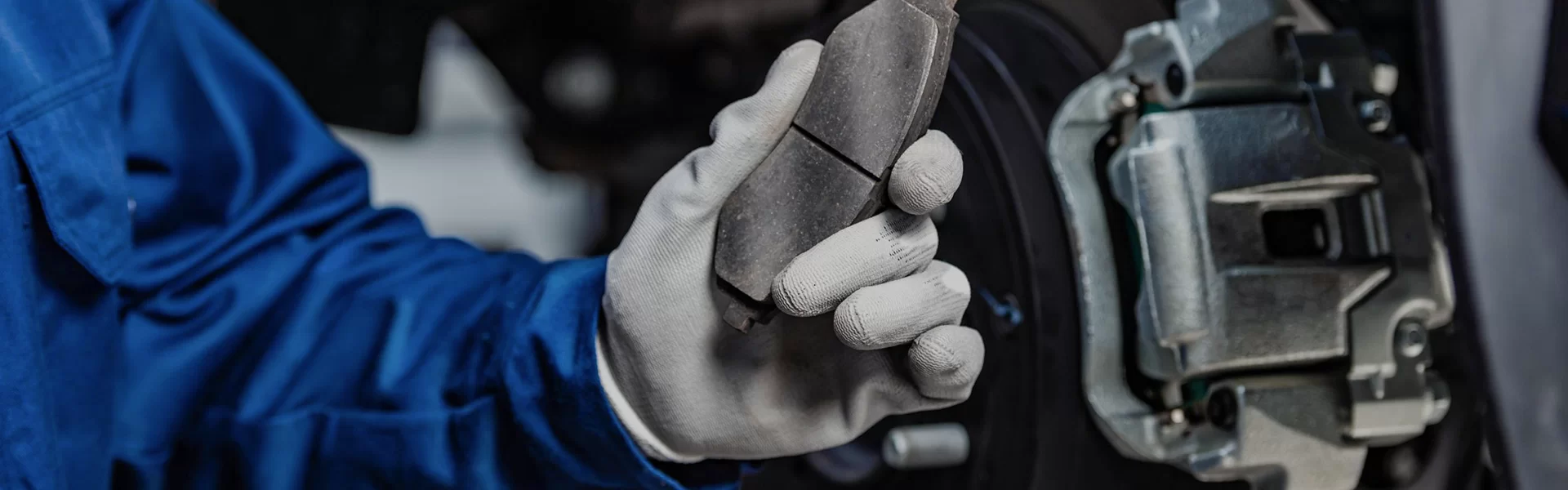
Whenever you hop into a vehicle, there’s a silent hero making sure you stop safely: the auto brake shoe. It’s a part many rarely think about but understanding it can give you an edge — whether you're a curious driver, a mechanic, or a business managing fleet vehicles. Globally, reliable braking systems are crucial: with millions of vehicles on the road, safety depends heavily on the quality and durability of components like brake shoes. They influence everything from driver safety to environmental outcomes, especially as industries push for greener and smarter transport solutions.
The World Bank estimates there are roughly 1.4 billion cars worldwide, and each relies on braking systems that include brake shoes for safe stopping power. According to the International Organization for Standardization (ISO), braking components must meet strict standards to ensure safety across regions — from dense urban areas with stop-and-go traffic to rugged rural roads. The challenge? Balancing performance, longevity, and environmental impact as cities grow and transport systems modernize.
Auto brake shoes address critical issues like preventing brake fade, maintaining consistent friction, and reducing harmful particulate emissions from brake wear. This matters not only for passenger vehicles but also for commercial fleets, emergency services, and even humanitarian transport in disaster zones.
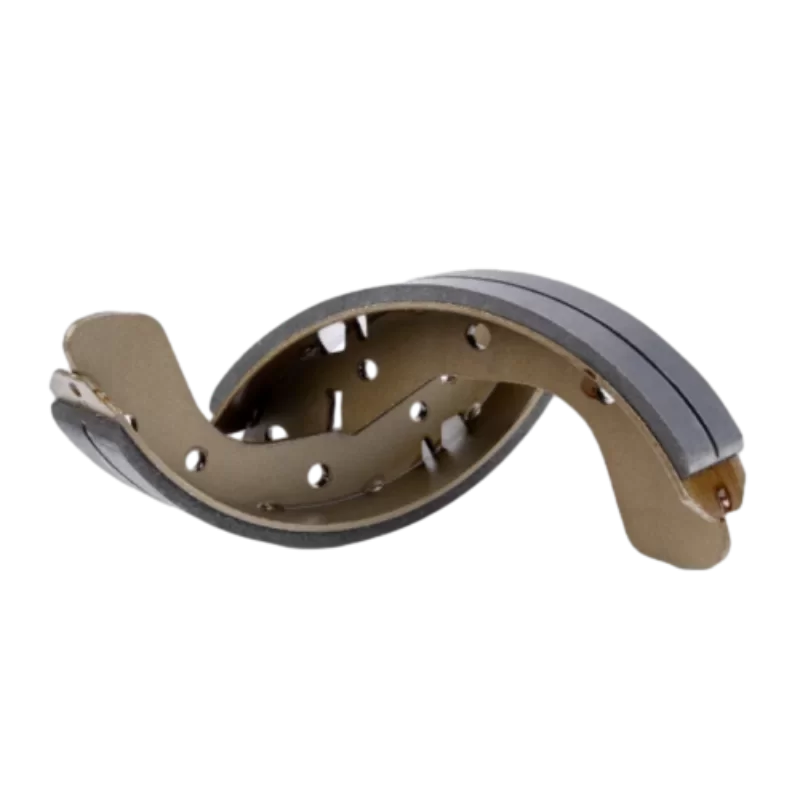
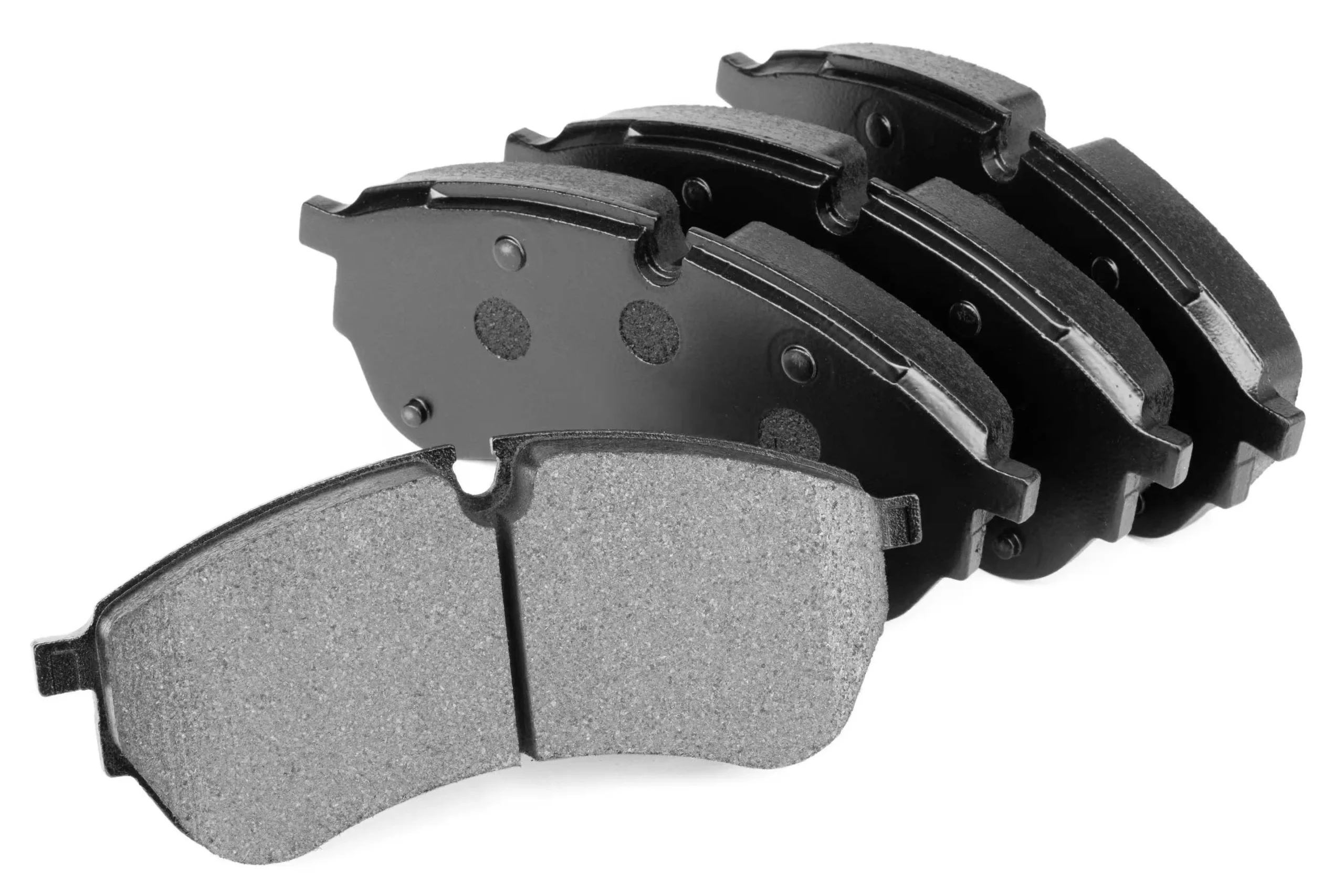
Simply put, an auto brake shoe is a curved piece of metal lined with a friction material, positioned inside drum brakes to press against the inner surface of the brake drum when you hit the brake pedal. This friction slows and stops the vehicle. Unlike brake pads, which work in disc brake systems, brake shoes are commonly used in rear brakes in many cars, trucks, and motorcycles. Their design preserves safety, reliability, and cost-effectiveness, making them indispensable in the modern automotive industry.
Beyond just vehicles, they also play roles in industrial machinery, agricultural equipment, and even material handling systems, pointing to their versatile importance in everyday life and various economic sectors.
A brake shoe must withstand constant friction and heat without degrading quickly. Good materials, such as high-quality alloys and composite friction linings, extend lifespan and reduce the risk of sudden failure.
This lining ensures effective stopping power. Manufacturers often use organic, semi-metallic, or ceramic blends, each with trade-offs in noise, dust generation, and wear rates.
Brakes generate intense heat, so the shoe’s components need to maintain performance at high temperatures to avoid brake fade or warping.
Since brake shoes require replacement over time, balancing initial cost with durability ensures affordable maintenance for consumers and fleet operators alike.
Precision engineering ensures the brake shoe fits perfectly within the drum brake system, avoiding uneven wear or reduced braking performance.
Understanding these features helps when evaluating replacements or upgrades — the right brake shoe can mean safer journeys and less frequent maintenance.
From bustling cities to remote corners of the world, auto brake shoes keep vehicles safely rolling. In Asia, the dominance of affordable small cars and motorcycles makes reliable brake shoes a major public safety focus. Meanwhile, industries in Europe and North America lean on premium, low-dust materials to meet stricter environmental standards.
Moreover, NGOs and disaster relief teams often rely on rugged vehicles equipped with dependable brake shoes when navigating rough terrain. Imagine a post-disaster scenario where power lines are down and unstable roads abound — sturdy brake shoes can literally save lives by ensuring emergency vehicles stop where they need to, exactly when they need to.
In commercial trucking, brake shoe quality becomes a financial factor: better durability means less downtime, increasing profitability while lowering accident risk.
| Specification | Typical Value | Notes |
|---|---|---|
| Material Composition | Semi-metallic / Organic / Ceramic | Varies by vehicle type and application |
| Weight | Approx. 1.2 to 1.8 kg | Depends on shoe size |
| Operating Temperature Range | -40°C to 450°C | Sustains thermal stability under load |
| Average Lifespan | 40,000 - 60,000 miles | Depends on driving conditions |
| Noise Levels | Low to moderate (varies by composition) | Ceramic linings tend to be quieter |
| Vendor | Material Options | Average Lifespan | Warranty | Price Range |
|---|---|---|---|---|
| BrakeMaster Co. | Semi-metallic, Ceramic | 50,000 miles | 3 Years | $$$ |
| SafeStop Ltd. | Organic, Semi-metallic | 45,000 miles | 2 Years | $$ |
| EcoBrake Systems | Ceramic only | 60,000 miles | 4 Years | $$$$ |
One can't overlook the push for greener brake shoe materials designed to minimize particulate matter released during braking. Researchers and manufacturers explore bio-based friction fillers and innovative composites to achieve this. Plus, as electric vehicles gain traction, brake systems adapt — regenerative braking lessens wear on brake shoes, but they still remain vital during sudden stops or emergency braking.
Automation and smart sensors are also creeping in: future brake shoes might communicate wear levels directly to vehicle systems or maintenance crews. Imagine an app telling you precisely when it’s time to swap your brake shoes — reducing guesswork and improving safety.
Brake shoes must juggle conflicting demands: high friction, low noise, minimal dust, long life — all at an accessible price. Oddly enough, improving one area often compromises another. For example, semi-metallic linings offer durability but more noise; organic materials are quieter but wear faster.
Innovations like layered linings and hybrid composite materials offer promising trade-offs. Also, strict manufacturing tolerances and improved installation techniques reduce failures caused by improper fit or warping. Many engineers emphasize the value of routine inspections paired with high-quality parts — not just a “set it and forget it” approach.
A: Typically, brake shoes last between 40,000 to 60,000 miles depending on driving style and vehicle use. However, regular inspection is key — excessive noise, reduced braking, or brake drag signals replacement time.
A: Ceramic brake shoes are quieter, produce less dust, and tend to last longer but usually cost more. Semi-metallic options are durable and effective but may create more brake dust and noise.
A: No, brake shoes are made to specific vehicle specifications. Always select the correct size and material compatible with your drum brake system for safety and performance.
A: Harsh climates, frequent stop-and-go traffic, or mountainous terrain can accelerate wear due to increased friction and heat. Choosing materials with good thermal stability helps mitigate this.
A: Trusted vendors like BrakeMaster Co. or SafeStop Ltd. offer certified products. Online marketplaces are options, but always verify authenticity and compatibility.
The humble auto brake shoe quietly supports millions of journeys daily, blending engineering, safety, and practicality. Investing a little time to understand their function, materials, and lifespan isn’t just for mechanics — it’s smart for anyone who drives or manages vehicles. After all, reliable stopping power is something we all take for granted until it’s not there.
Want to explore quality brake shoe options or learn more? Visit our website: auto brake shoe for expert advice and product details.