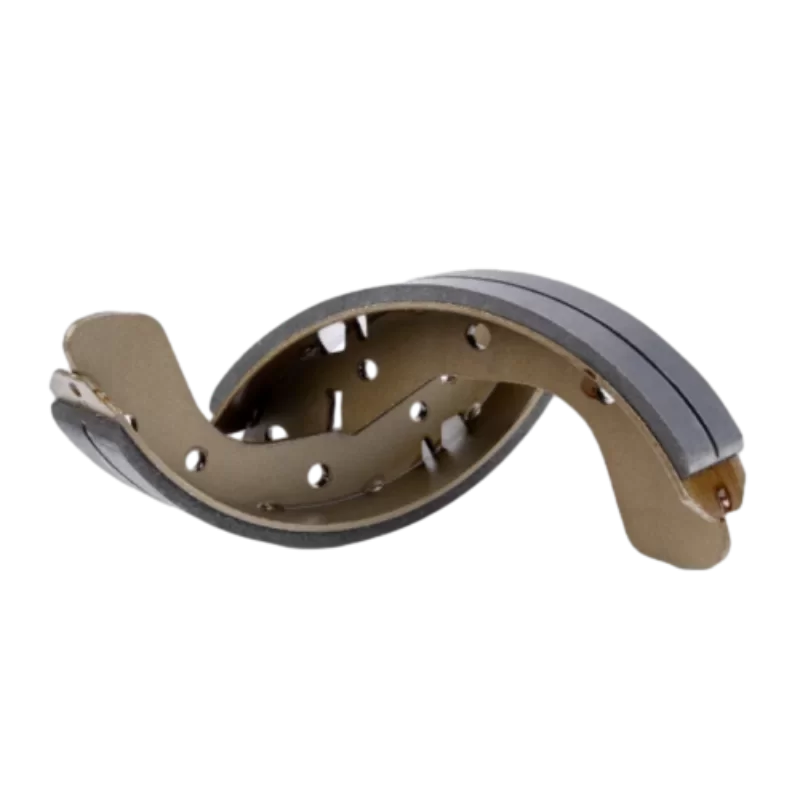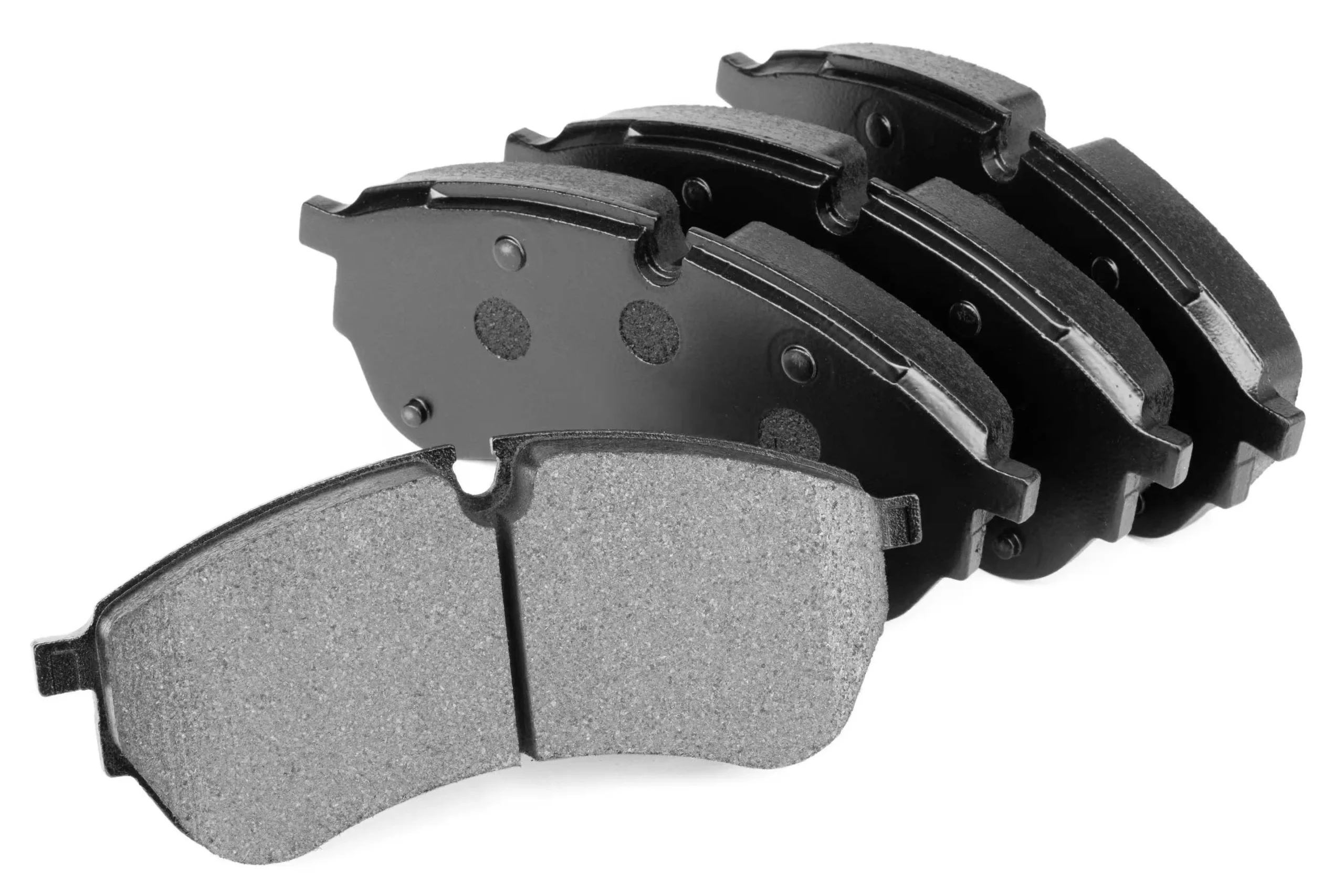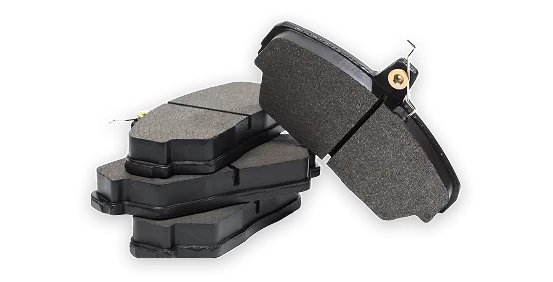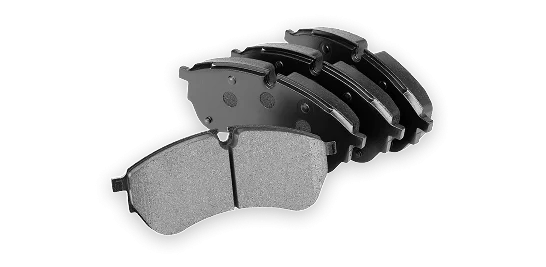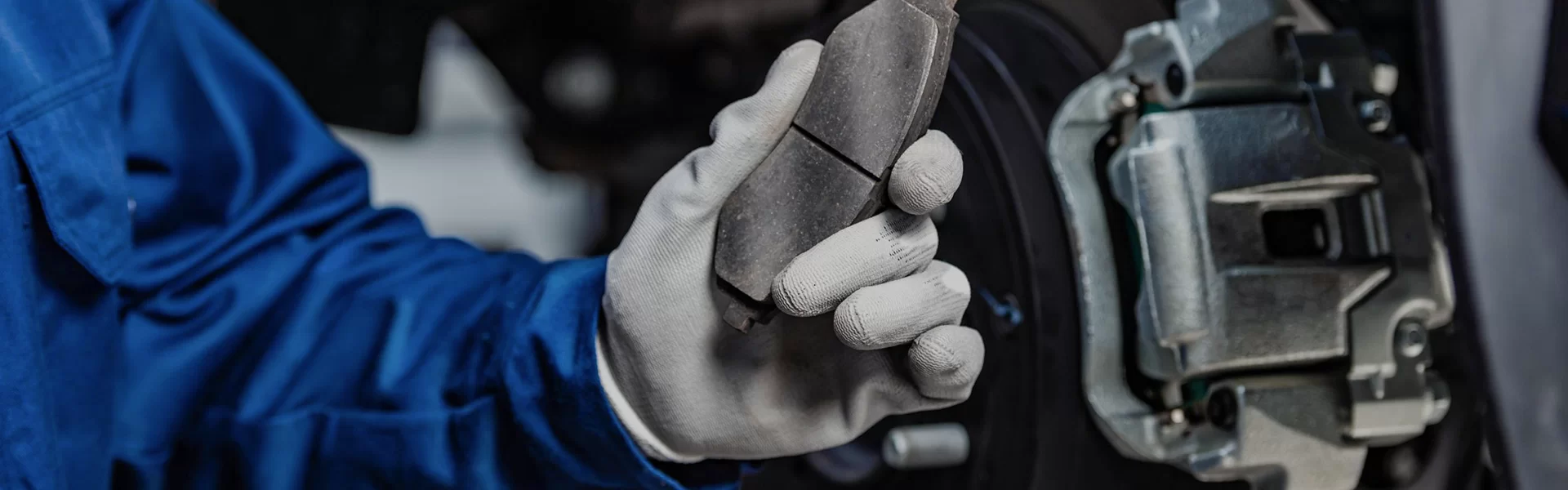
Brake liner sheets might not grab headlines like self-driving cars or electric engines, but they are quietly vital on a global scale. These sheets, the friction materials that stop vehicles dead or slow them safely, influence everything from daily commuting to critical emergency vehicles. If you've ever wondered why braking systems need precision, durability, and eco-conscious manufacturing, you've stumbled on a topic that matters not just for safety, but for global sustainability and industry innovation.
Globally, the rise in vehicle manufacturing and industrial machines placed new demands on braking technology. According to the International Organization for Standardization (ISO), standardized braking systems improve road safety substantially. But as the world moves towards greener transport, the humble brake liner sheet faces challenges—balancing performance against environmental impact. Roughly over 1.4 billion vehicles use friction materials in their braking systems, so optimizing these sheets influences emissions and resource consumption on a massive scale.
One pressing issue is the global regulation push to reduce copper and other heavy metals in brake pads due to pollution concerns—curbing toxic dust from brake wear. This shifts the industry's focus towards eco-friendly brake liner sheets that don’t compromise on durability or cost-efficiency. So, understanding these sheets isn’t just about industry jargon—it’s about crafting safer, cleaner mobility worldwide.
Mini takeaway: Brake liner sheets intersect safety, sustainability, and performance imperatives globally, affecting over a billion vehicles and industrial applications.
Put simply, a brake liner sheet is a flat, engineered composite material that's cut and formed to line brake shoes or pads. It is the friction interface—the part that rubs against rotors or drums to slow or stop motion. Typically composed of fibers, resins, and friction modifiers, these sheets combine mechanical strength and thermal resistance. Close cousins of brake pads, the sheets are often customized for vehicles ranging from heavy trucks to industrial machinery.
This connection is crucial: brake liners help industries optimize machine uptime, ensure safety compliance, and meet environmental standards—a trifecta vital to modern manufacturing, transport logistics, and even humanitarian aid vehicles operating in difficult terrain.
Brake liner sheets must endure high friction and temperature without rapid wear. Materials like aramid fibers and phenolic resins help provide longevity, reducing maintenance cycles—particularly important for commercial trucks trucking thousands of miles.
Stable friction performance ensures predictable stopping distances. Brake liner sheets are carefully formulated to avoid fading under heat and maintain consistent grip, a critical safety factor studied extensively in ISO 6312 standards.
In response to environmental policies (like California’s heavy-metal phase-out), brake liner sheets are moving toward copper-free and low dust variants. These eco-conscious compositions are fast becoming the norm.
Manufacturers aim to balance raw material expenses with production speed. Brake liner sheets may seem modest in price, but their cost impacts the overall brake assembly—and long-term vehicle operation expenses.
The ability to handle thermal shock and maintain shape under braking heat stress extends product life and prevents dangerous failures.
Mini takeaway: Brake liner sheets blend durability, environmental awareness, cost control, and consistent friction to keep everything safely moving.
These sheets aren’t just theoretical specs. They appear in tons of contexts worldwide:
Oddly enough, some off-grid industrial plants even maintain large inventories of brake liner sheets to ensure years of maintenance autonomy without hassle.
| Property | Typical Range | Importance |
|---|---|---|
| Thickness | 1–6 mm | Fits brake shoe designs |
| Coefficient of Friction | 0.3–0.5 (dry) | Ensures consistent braking |
| Operating Temperature | -40°C to 450°C | Thermal stability |
| Wear Resistance (mm/km) | 0.01–0.03 | Long operational life |
| Copper Content | 0–5% | Environmental compliance |
| Supplier | Material Quality | Lead Times | Price Range | Eco-friendliness |
|---|---|---|---|---|
| KyBrake Industries | Premium, custom formulations | 3–5 weeks | Mid to high | Copper-free options |
| FrictionMaster Co. | Standard composites | 2–4 weeks | Low to mid | Limited green options |
| GreenPad Solutions | Eco-innovative materials | 4–6 weeks | Mid | 100% copper-free, biodegradable |
Using high-quality brake liner sheets manifests in a cluster of benefits:
It’s a bit like wearing the right shoes for a marathon — the right brake liner sheet keeps the vehicle steady through the long haul.
Looking ahead, brake liner sheets are stepping into a future shaped by several forces:
Despite advances, challenges remain:
Innovative composites, combined with tighter collaboration between OEMs and brake liner sheet makers, seem to be the best answer so far.
A1: Effective brake liner sheets typically blend synthetic fibers like aramid or glass with phenolic resins and friction modifiers. The goal is to create heat-resistant, wear-resistant, and environmentally friendly composites suited for specific braking needs.
A2: Copper in brake pads wears down and pollutes waterways, harming aquatic life. Copper-free brake liner sheets reduce this contamination risk and comply with stricter environmental regulations, all without sacrificing braking performance.
A3: Absolutely. Brake liner sheets are designed in various thicknesses, friction profiles, and compositions to suit cars, trucks, industrial machines, or specialty emergency vehicles, ensuring tailored performance and safety.
A4: Regular brake inspections, avoiding harsh braking when possible, and using compatible hardware all help prolong brake liner sheet life. Also, staying updated with manufacturer recommendations is key.
A5: Regulatory bodies around the world push to limit harmful substances like heavy metals in brake pads. This drives manufacturers to innovate with eco-certified materials and align product designs with evolving safety and environmental standards.
Brake liner sheets might seem like a small detail, but in reality, they’re large players in a complex ecosystem involving global safety, environmental responsibility, and cutting-edge material science. Whether you’re an engineer sourcing parts, a fleet manager juggling costs, or a curious reader, appreciating this unsung material adds a new layer of understanding to everyday braking—where reliability meets responsibility.
Curious to learn more or source the best in brake liner sheet technology? Visit our website for product lines, expert guidance, and latest innovations.