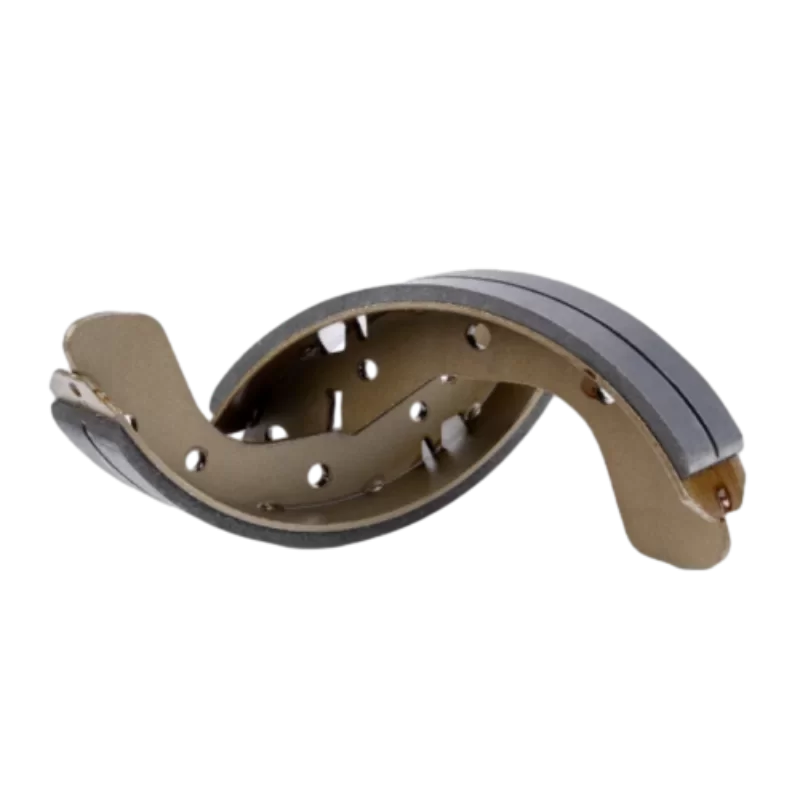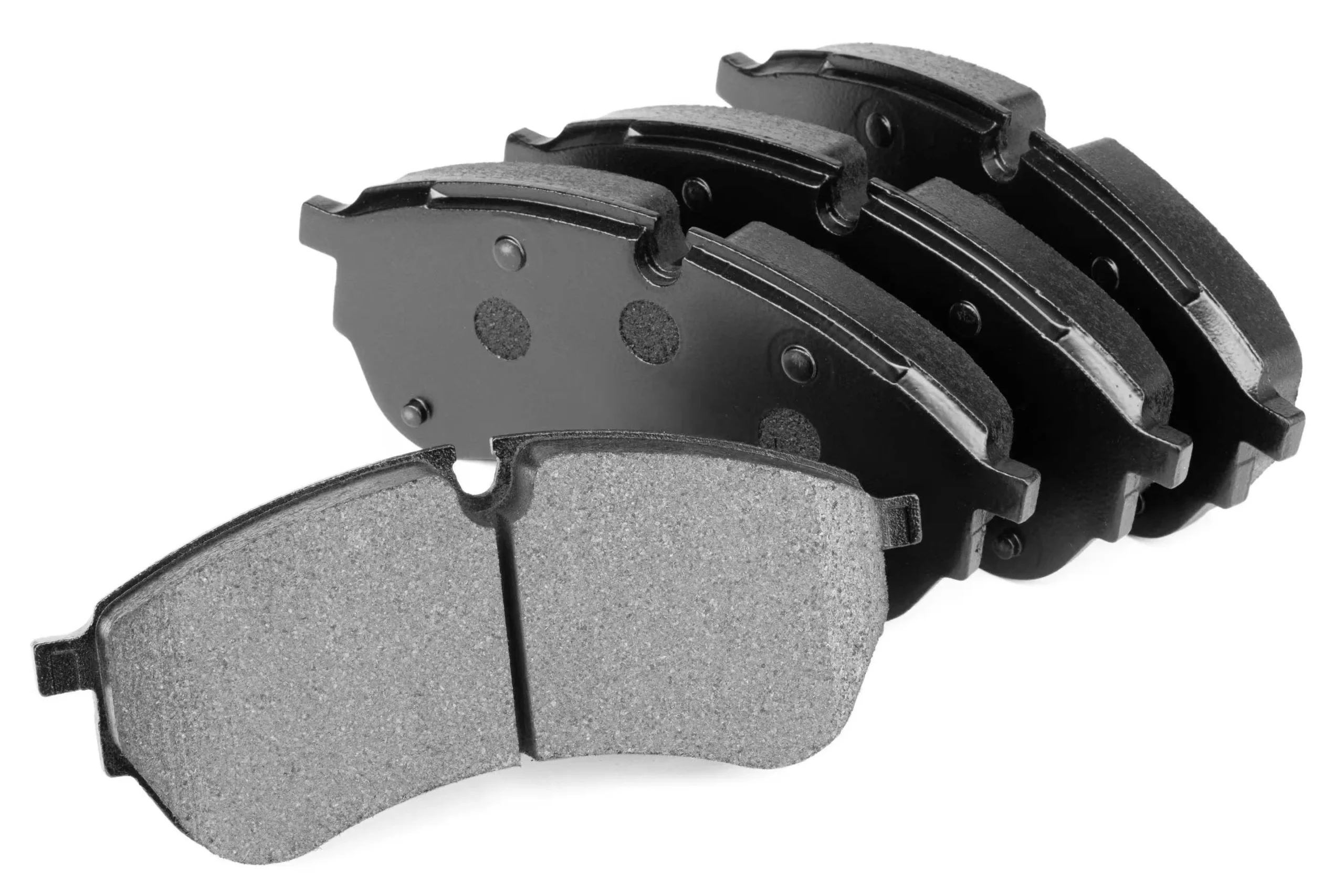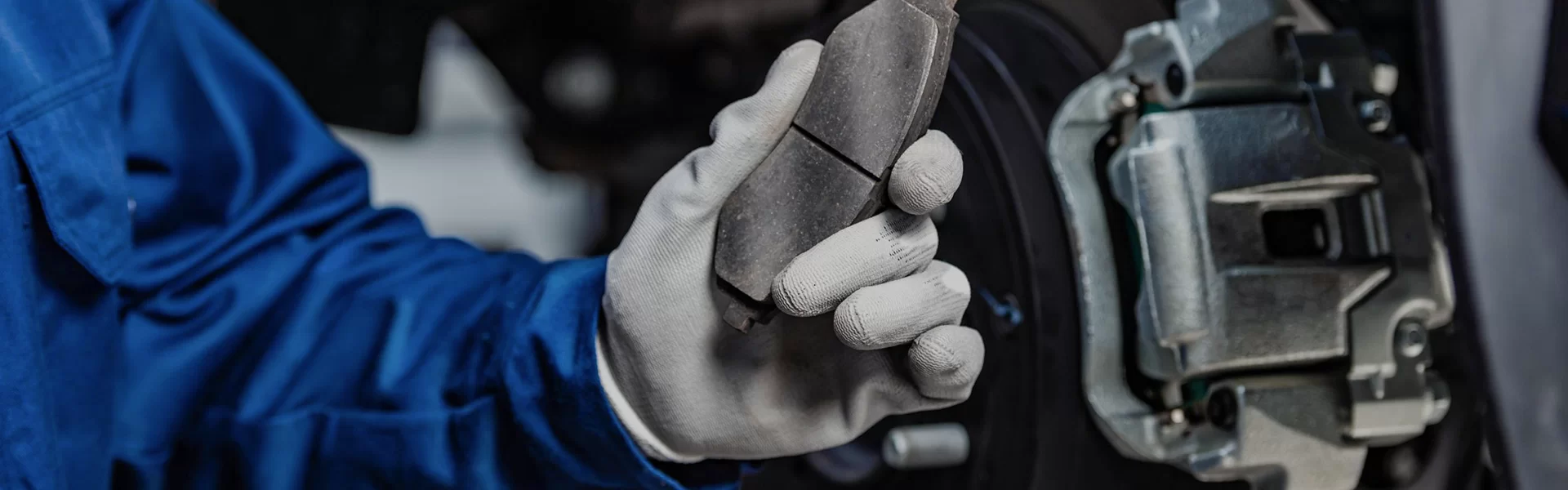
If you’ve ever wondered what keeps your car or heavy machinery stopping safely, the answer often comes down to the humble but vital components known as brake pad and brake shoe. Despite their seeming simplicity, these parts are crucial in virtually every transport and industrial system across the globe. Understanding how they work — and why they’re so important — can truly change the way you look at vehicle safety and machine reliability. Plus, with rising demands for safer, greener, and more efficient braking technology, these components have become central to innovations in industries ranging from automotive manufacturing to humanitarian logistics.
Globally, road accidents cause over 1.3 million deaths annually (WHO, 2023), and effective braking systems play a key role in preventing many of these tragedies. It’s not an exaggeration to say that advances in brake pads and shoes directly save lives — and millions of dollars in reduced downtime and repairs. But beyond cars and trucks, brake systems are essential in trains, heavy machinery, and even in recycled-material centrifuges that power waste management. So, the better we understand these seemingly modest parts, the safer and smarter our transportation infrastructure becomes.
Learn more about brake pad and brake shoeIn simple terms, brake pads and brake shoes are the friction materials that press against a wheel or drum to slow down or stop movement. Brake pads work with disc brakes, which are now standard in most modern vehicles, while brake shoes are part of drum brakes — still common in older cars and some heavy-duty vehicles.
While the names might seem interchangeable at first, their applications vary, and that affects everything from safety standards to manufacturing. In many ways, these parts form the backbone of roadside safety as well as industrial machine control — you know, they make a spinning wheel stop not just by guesswork but by precise engineering and clever material science.
Oddly enough, these friction components have evolved quite a bit from early asbestos-based materials to safer, environmentally friendly composites now complying with strict ISO and UNECE standards. This not only protects the environment but also workers during manufacturing and drivers when in use.
Durability means how long these components last under varying conditions — from icy highways to desert heat or constant industrial use. Modern pads and shoes blend really tough compounds to resist wear and tear without becoming brittle.
Performance isn’t just about stopping power—it’s about consistent behavior. Many engineers say predictable friction characteristics under different temperatures and loads make all the difference between smooth stopping and dangerous skidding.
Braking generates a ton of heat (seriously!). Effective pads and shoes must dissipate this heat quickly, or risk failures like warping or fading. Good designs use innovative materials and vented discs or drums.
Lead, asbestos, and heavy metals used in older brake pads are now mostly banned worldwide. Today’s formulations emphasize eco-friendly materials that pass regulations like the EU’s REACH and US EPA standards.
Sure, it has to perform — but at what price? Balancing material and manufacturing costs with longevity and safety features is a tightrope walk manufacturers are still perfecting.
Brake pads and shoes needed for heavy trucks will differ substantially from those for passenger cars — and even more so for specialized industrial or agricultural machinery.
Brake pads and shoes are everywhere: from congested metropolises to remote mining sites. In the European Union alone, disc brakes with advanced pads account for over 70% of vehicle braking systems (European Automobile Manufacturers Association, 2022), while drum brakes and shoes remain popular in Asia’s vast commercial truck market for their cost-effectiveness and durability.
In real terms, the right brake system can reduce maintenance time drastically and improve safety ratings, which, honestly, is what everyone wants when lives and costly equipment are involved.
| Specification | Brake Pad | Brake Shoe |
|---|---|---|
| Material Composition | Ceramic, semi-metallic, organic composites | Semi-metallic, organic, low-metallic |
| Typical Lifespan | 30,000 - 70,000 miles | 40,000 - 80,000 miles |
| Heat Dissipation | High efficiency via disc design | Moderate, with heat buildup in drum |
| Maintenance Frequency | Lower, easier replacement | Higher, drums need adjustment |
| Typical Usage | Passenger cars, motorcycles, light trucks | Heavy trucks, older vehicles, some industrial machines |
To break it down, brake pads and shoes provide essential benefits — not just in raw stopping power but in cost savings over time and social impact. For instance, safer braking reduces accidents, protecting lives and property. Socially, this leads to greater trust in transportation systems, which frankly underpins economies and community well-being.
Environmentally, modern brake friction materials use less hazardous substances and offer recycling options, helping to reduce industrial waste. Also, reliable braking extends vehicle life, reducing scrap and carbon footprints. Emotionally, there’s peace of mind knowing your brakes won’t fail unexpectedly, which for many drivers is priceless.
| Vendor | Material Quality | Range of Products | Price Range | Warranty & Support |
|---|---|---|---|---|
| KyBrakePad Co. | Premium ceramic and semi-metallic | Wide; passenger to industrial | Mid to high | 5 years, 24/7 support |
| GlobalBrake Solutions | Standard semi-metallic | Moderate; mostly automotive | Budget | 2 years, business hours only |
| EcoFriction Brakes | Eco-friendly composites | Niche; focus on green vehicles | Midrange | 3 years, extended warranty options |
The brake industry isn’t standing still. Advances in materials such as carbon-ceramics and novel nano-composites promise longer lifespans and lighter weight components. Add to this the rise of electric vehicles, which use regenerative braking to cut mechanical wear — that’s a wild game changer in terms of how brake pads and shoes are designed and used.
Regulations are also tightening to encourage greener manufacturing and easier recycling of brake components. Some manufacturers are exploring “smart” materials with embedded sensors — able to communicate friction levels or wear directly to a car’s onboard computer, so maintenance is timely and precise.
Despite progress, challenges remain. For example, brake dust is a significant source of particulate pollution especially in urban areas. There’s ongoing research into reducing harmful particles without compromising performance. Also, the push toward universal standards is tricky when many regions still use diverse braking systems.
Solutions lie partly in collaboration between governments, industry players, and research institutions to foster innovation and implement uniform safety and environmental standards. Meanwhile, custom solutions tailored for specific markets or applications are emerging quickly.
Brake pads and shoes might not be the flashiest components under the hood, but they quietly shoulder an enormous responsibility: save lives, protect investments, and keep industries running. Whether you’re a manufacturer, a fleet operator, or simply a driver, appreciating what goes into that braking system opens doors to smarter choices—safer materials, cost savings, and future-ready vehicles.
Interested in exploring top-quality brake components? Visit our website: https://www.kybrakepad.com to browse options tailored for your needs.