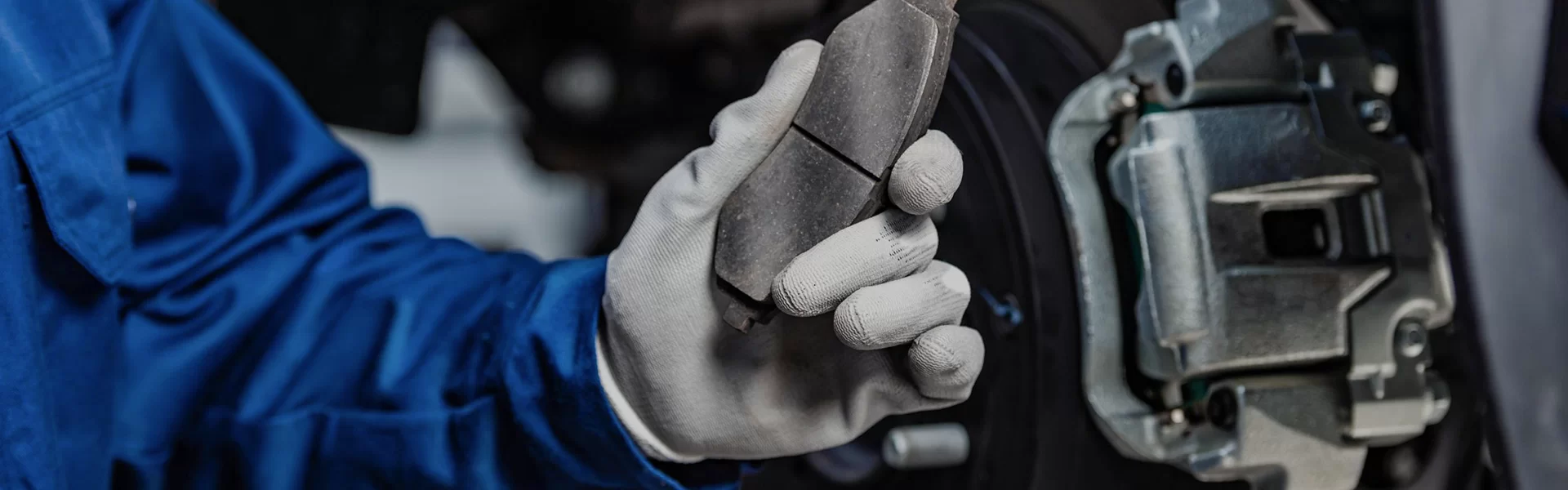
At first glance, brake pads & shoes might seem like just another technical component buried inside vehicles. But honestly, they’re absolutely critical—without them, cars don’t stop, trucks don’t slow, and accidents become all too common. Given that road safety affects billions across the globe, understanding brake pads & shoes is more than a niche automotive interest; it’s a matter tied directly to global mobility, economic efficiency, and even humanitarian logistics.
Modern industries—from urban transit to heavy goods transport—rely daily on these friction materials. But beyond that, they are often the unsung heroes in crisis response vehicles delivering aid. So getting to know their composition, performance, and ongoing innovation feels like peeling back the layers on a quiet but fundamental piece of the world’s infrastructure.
Globally, vehicles have surpassed 1.4 billion (OECD Transport Data, 2022), and the need for reliable braking systems has never been more apparent. According to the World Health Organization, poor vehicle maintenance contributes to about 20-30% of road traffic injuries worldwide. Brake pads and shoes, as vital parts of braking systems, play a huge role in reducing accidents.
Moreover, in emerging economies, growing vehicle usage often collides with infrastructure challenges, putting extra pressure on brake components to perform reliably. A failure here is more than inconvenient—it’s potentially deadly. The challenge? Designing friction materials that withstand different climates, road conditions, and operational stresses worldwide.
Mini takeaway: Brake pads & shoes are globally relevant components that underpin road safety and mobility, impacting public health and economic productivity.
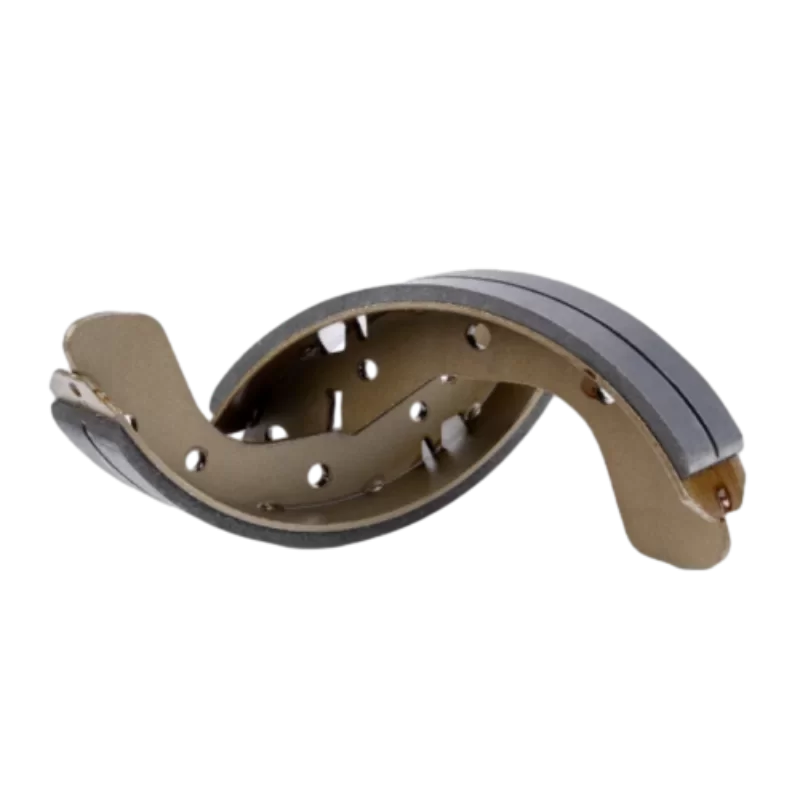
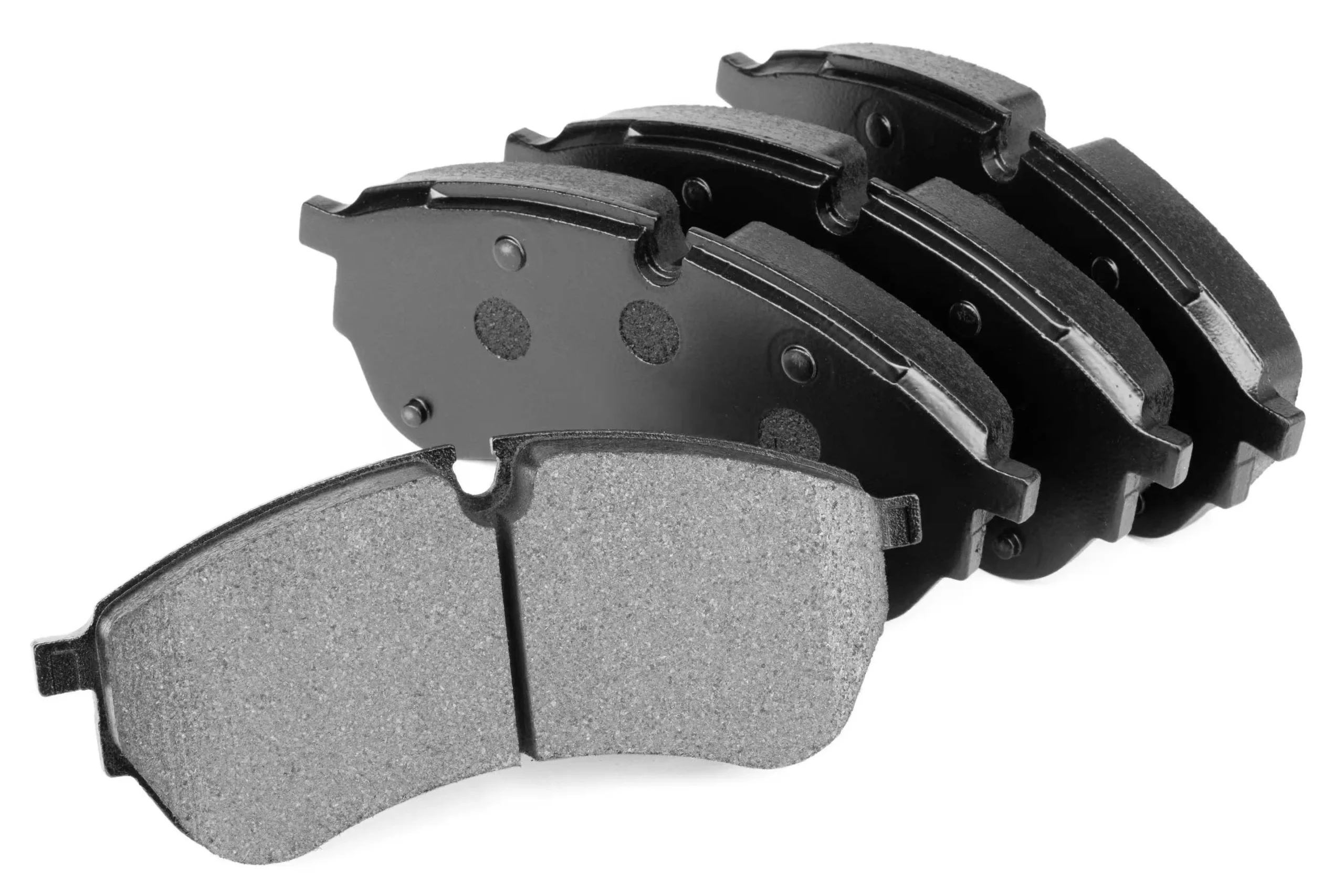
Simply put, brake pads are flat friction materials that press against a disc rotor in disc brakes, common in most modern vehicles. Brake shoes, meanwhile, usually curve inside drum brakes, pushing outward against the drum’s interior surface. Both generate the friction needed to slow or stop a vehicle.
This basic friction mechanism might sound simple, but the complex engineering behind it connects deeply with modern industry needs. For example, precise material engineering ensures consistent performance over heat cycles—think about mountain roads or heavy haul trucks. Also, the humanitarian vehicle fleets deployed in disaster zones rely on braking systems that perform under extreme conditions, protecting lives and livelihoods.
Brake pads & shoes come in multiple formulations, balancing factors like noise, wear, and environmental impact.
Mini takeaway: Brake pads and shoes convert mechanical energy into heat through friction, enabling safe deceleration in a variety of practical, even critical, contexts.
Brake components must endure countless stops while maintaining material integrity. I’ve seen how newer ceramic blends handle heat better than traditional organic compounds, reducing wear and fade even under heavy use.
From asbestos’s risky past to today’s safer composites, material science shapes performance. Semi-metallic, ceramic, and organic pads each bring different trade-offs between noise, longevity, and brake feel.
Nowadays, minimizing copper and heavy metals in friction materials is a hot topic, driven by legislation in regions like California and the EU. Sustainable materials are slowly becoming standard.
For fleet operators, this is no joke. Paying a bit more up front for longer-lasting pads often saves heaps in downtime, repairs, and replacements later.
Ever cringe at the screeching brakes? Engineers balance friction compounds for quieter operation. Dust emissions are also monitored, since fine particulate pollution isn’t good for anyone.
| Specification | Ceramic Pads | Semi-Metallic Pads | Organic Pads |
|---|---|---|---|
| Durability (km approx.) | 40,000+ | 30,000 - 45,000 | 20,000 - 30,000 |
| Noise Level | Low | Medium | Low to Medium |
| Dust Emission | Low | Medium to High | High |
| Cost | High | Medium | Low |
| Environmental Concerns | Low copper content | Moderate copper content | No heavy metals but higher wear dust |
Mini takeaway: The performance and value of brake pads & shoes hinge on multiple factors—composition, durability, environmental impact, and cost all intertwine uniquely.
Brake pads & shoes traverse the world whether tucked inside city buses in São Paulo or heavy-duty mining trucks deep in Africa’s copper belt. Public transport authorities in Europe rely on highly durable ceramic pads to minimize maintenance downtime, ensuring smooth urban commuting.
Meanwhile, NGOs delivering aid post-flood or earthquake depend on reliable braking as they traverse rough terrain to reach vulnerable populations safely. Even in extreme industrial zones, such as oil fields in the Middle East, friction materials must resist intense heat and dust abrasion.
Each of these real-world contexts demands subtly different product attributes—and vendors like Ky Brake Pad have developed solutions tailored to those needs.
Mini takeaway: From humanitarian convoys to urban fleets, brake pads & shoes are critical to operations worldwide, highlighting the value of custom solutions.
Part of what makes this sector fascinating is how ethical considerations and innovation merge—the global push for cleaner, safer brake solutions reflects a genuine commitment to social responsibility.
Mini takeaway: Investing in good brake pads & shoes isn’t just a technical choice—it’s a commitment to sustainable mobility and public well-being.
The future is electric but also green—for brake materials, that means less reliance on copper, more organic and ceramic blends, and greater integration with digital monitoring systems that predict wear before failures happen.
Automation and smart vehicles will likely rely on regenerative braking more, which changes wear patterns and could reduce friction brake dependence. But until fully autonomous fleets arrive, mechanical braking remains indispensable.
Interestingly, several research labs are also testing nanomaterials to create pads that last longer, produce less dust, and even self-lubricate.
Oddly enough, one of the biggest challenges is balancing cost and quality. Some low-cost offerings flood markets but quickly wear down, increasing accidents and maintenance spend.
Supply chain disruptions also impact raw material availability, hinting at a need for more locally sourced or recycled components.
Industry experts often advocate rigorous testing standards and certifications (ISO 6312 for friction materials) to maintain safety benchmarks globally.
| Vendor | Material Variety | Sustainability Focus | Global Reach | Price Range |
|---|---|---|---|---|
| Ky Brake Pad | Ceramic, Semi-Metallic, Organic | High (low copper content) | Worldwide (Europe, Asia, Americas) | $$$ |
| Global Friction Ltd. | Semi-Metallic, Organic | Moderate | Mostly Asia, Europe | $$ |
| EcoBrake Solutions | Organic, New bio-materials | Very High (biodegradable focus) | Niche markets, Europe | $$$ |
A: Replacement usually depends on driving habits and brake pad material, but typically every 30,000 to 70,000 kilometers. Signs like squeaking or reduced braking power are clues it’s time to check.
A: Brake pads work with disc brakes by pressing onto a rotor, common in modern vehicles. Brake shoes operate in drum brakes by pushing outward against a drum’s inner surface, prevalent in older vehicles or specific rear wheels.
A: Ceramic pads offer lower noise, less dust, and longer lifespans but come at a higher cost. Semi-metallic pads provide stronger braking for heavy use but might produce more noise and dust. Your choice depends on your driving needs.
A: Some components can be recycled, but disposal must follow local regulations due to potential heavy metal content. Many workshops partner with recycling services to handle used brake parts responsibly.
A: Regulations target reducing toxic metals like copper and lead in brake materials. This pushes manufacturers to innovate eco-friendlier, safer friction compounds—improving public and environmental health in the process.
In the grand scheme, brake pads & shoes are quiet workhorses keeping the wheels—and lives—turning safely worldwide. With evolving materials, stricter regulations, and global applications ranging from urban traffic to humanitarian missions, these friction components reflect an industry always pushing toward better performance and sustainability.
If you’re curious to dive deeper or explore specific products, I highly recommend visiting our website. There, you’ll find detailed offerings tailored to a vast range of needs.
Safety, efficiency, and responsibility—really, it all comes down to that.