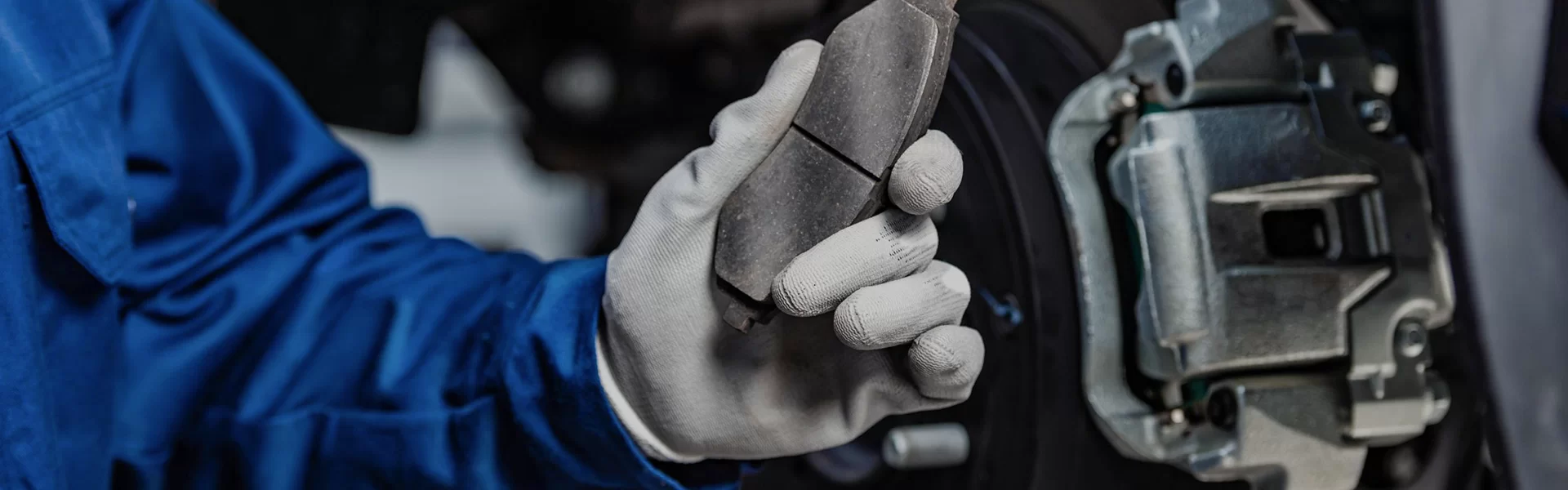
At first glance, the humble brake shoe car component might seem just a tiny gear in the giant vehicle machine, but it’s really the very device that saves lives—and I do mean literally. No matter if you drive a sleek sedan or a rugged truck, understanding what goes into brake shoes is critical. Worldwide, billions of vehicles depend on these parts, and with the global automotive market projected to cross $6 trillion by 2030 (source: Statista), appreciating the brake shoe’s role unlocks a new respect for road safety and material technology alike.
So why does the brake shoe car really matter? It’s simple: braking is the heartbeat of road safety, and brake shoes are the unsung heroes managing the stop. Dive in, and you’ll soon see they’re more than just chunks of friction material—they’re the linchpin in a world that trusts vehicles not to run wild.
Globally, over 1.4 billion cars are on the road as of 2023 (OICA), each relying on brake systems to function flawlessly. Brake shoes, the curved friction components pressing against drum brakes, remain extensively used, especially in developing markets and heavy-duty vehicles.
Here’s an odd quirk: while disc brakes with pads have surged, drum brakes with brake shoes still dominate many commercial vehicles and smaller cars. Why? Because they’re cost-efficient, durable, and surprisingly adaptable for various vehicle types, especially where budget and maintenance constraints apply.
Yet, the challenge remains: brake shoe manufacturing must balance durability, consistent performance in harsh weather, and environmental regulations—think less dust, less noise, and better recyclability. This is both a technical and ecological puzzle nearly every manufacturer and supplier faces.
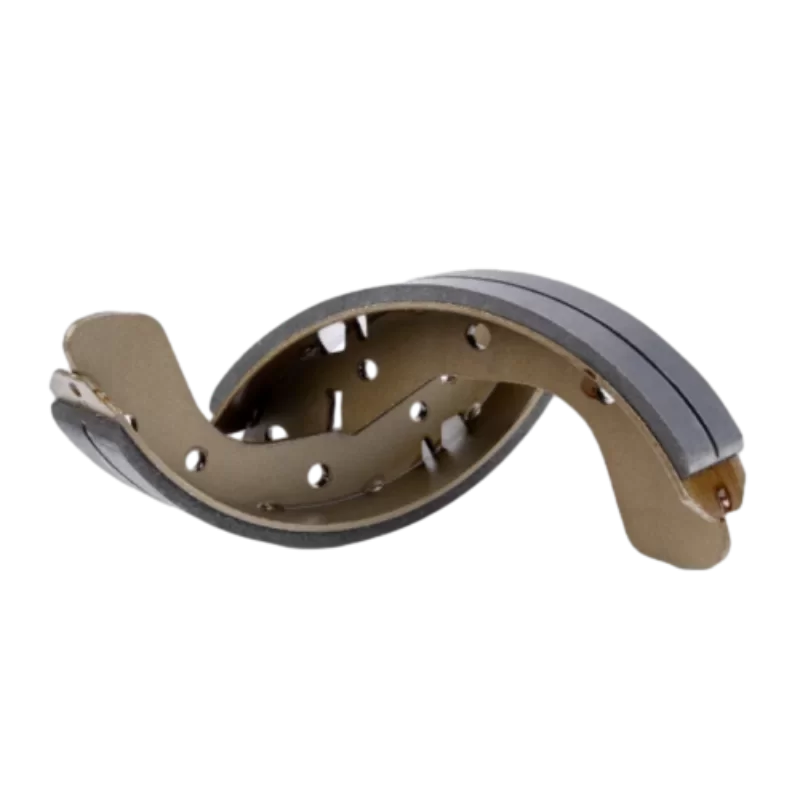
In plain terms, a brake shoe car is a curved piece fitted with friction material that presses outward against the inside of a brake drum to slow down a vehicle. When you press your car’s brake pedal, a mechanism pushes the shoes outward, creating the friction necessary to reduce speed. It’s a mechanical marvel, simple yet effective.
Modern brake shoes have evolved from asbestos-based materials (we're thankfully beyond that) to composite materials engineered for longevity, noiseless operation, and environmental friendliness. In humanitarian terms, reliable brakes are crucial—imagine ambulances, disaster relief trucks, or supply convoys needing dependable stops in rough terrain.
Many engineers say the heart of a brake shoe is how well it withstands daily friction forces without degrading too quickly. Vehicles in harsh climates or commercial use might wear through brake shoes sooner if materials aren’t up to snuff.
Stopping a moving car instantly generates heat. Brake shoes must efficiently disperse this heat to avoid warping or fading performance. Otherwise, you get brake fade—dangerous and unpredictable.
A squeaky brake shoe isn’t just annoying; it hints at potential issues. Modern shoes use specially formulated materials and backing plates to reduce vibrations and sound.
With rising regulations, brake shoe materials now avoid heavy metals and asbestos, substituting low-dust, eco-conscious compounds. This is not just good PR—it’s mandated in markets worldwide.
Brake shoes need to strike a balance between price and performance. A cheap shoe might save pennies but cost more in frequent replacements or risks.
| Specification | Typical Value | Notes |
|---|---|---|
| Material Composition | Semi-metallic / Organic composite | Balance of friction & durability |
| Operating Temperature | -40°C to 400°C | Avoids fade up to high heat |
| Friction Coefficient | 0.3 – 0.4 | Depends on speed & load |
| Average Lifespan | 30,000 – 50,000 km | Varies by usage |
| Noise Level | Below 70 dB | Certified quiet operation |
Oddly enough, while some might assume brake shoes are relics, their use is still incredibly widespread. For instance, in Asia and Africa—where vehicle maintenance budgets are lean—drum brakes and their shoes reign supreme. Trucks transporting goods across rugged terrains in India, Kenya, and Brazil often rely on sturdy brake shoes that are easy to replace and maintain on the road.
In industrial zones where heavy machinery trucks dominate, such as mining regions in Australia or South Africa, brake shoes are specially designed to handle extreme load and heat, preventing catastrophic failures. Likewise, in emergency response fleets globally—fire trucks, ambulances—the reliability factor of brake shoes remains critical.
At the human level, a quality brake shoe inspires trust—literally you trust it to stop your vehicle in an emergency. The payoff isn’t just cost savings but in safety and peace of mind. Over time, better brake shoes mean fewer replacements, less downtime, and reduced environmental waste.
Sustainability is becoming part of the conversation too. Brake shoes made from eco-friendly compounds reduce harmful dust and wear particles, benefiting urban air quality. Plus, longer-lasting products ease burdens on global supply chains, a subtle but meaningful impact.
Innovations aren’t stopping anytime soon. The industry is exploring:
In some places, automation in manufacturing is ensuring tighter tolerances and more consistent quality control, meaning fewer recalls or performance issues. Plus, with EVs gaining ground, brake shoe designs must adapt to regenerative brakes, crafted to handle less friction but remain ready when traditional braking kicks in.
Despite leaps, some issues persist. Inconsistent raw materials can cause batch variation, and extreme climates test product limits. Noise and dust remain complaints especially in urban areas. Suppliers are developing hybrid materials and coatings to suppress these issues, hopeful that a mix of old craftsmanship and new tech will solve the puzzle.
In real terms, the brake shoe car component continues to be a vital, reliable part of vehicle safety, especially where cost-effectiveness and durability are key. Their evolution mirrors broader shifts in materials science and environmental consciousness. At the end of the day, these small but mighty components ensure every stop is steady and safe. If you’d like to learn more or explore quality options, don’t hesitate to visit brake shoe car supplier portals or check out hands-on reviews there.
Remember: whether on a city street, a dusty off-road route, or a critical emergency run, brake shoes play a role in every safe journey. Kind of comforting, right?
| Vendor | Material Quality | Price Range (USD) | Eco Compliance | Global Reach |
|---|---|---|---|---|
| BrakePro Co. | High-grade composite | 20 – 45 | Yes (ISO 14001) | Africa, Asia, Europe |
| SafeStop Inc. | Semi-metallic blends | 15 – 40 | Partial (RoHS) | North America & Europe |
| EcoBrake Solutions | Organic, low-dust | 25 – 50 | Yes (Green Seal) | Global |