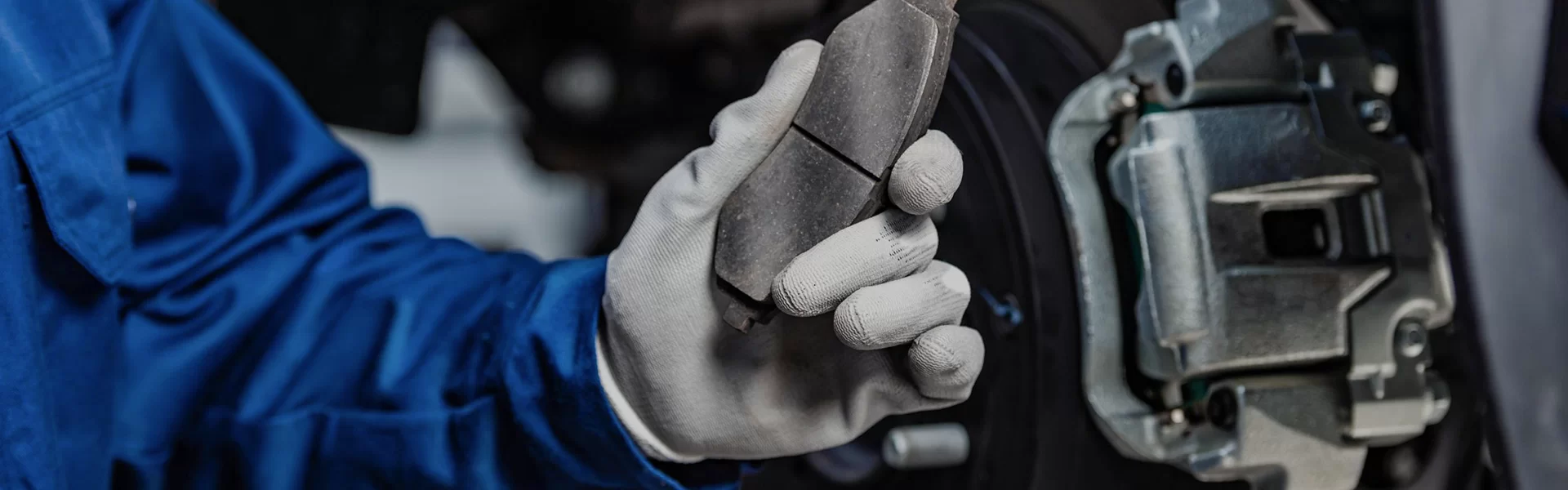
Brake shoe components might not grab headlines like top-of-the-line engines or flashy interiors, but they quietly function as critical safety enforcers across millions of vehicles worldwide. Whether you’re gliding through city streets or hauling cargo across continents, these parts matter—and understanding their design and role can save money, lives, and headaches down the road. Globally, brake shoe components contribute to safer transportation, reduce repair downtime, and support sustainability initiatives by improving braking efficiency. So, let’s dig into what makes these components tick and why they matter so much.
Tracing the footprints of modern transport, brake shoe components are fundamentally tied to the movement of goods and people. According to the International Organization for Standardization (ISO), nearly 1.4 billion motor vehicles are estimated globally as of 2023, and the market for brake components is projected to surpass $50 billion by 2027. Now, that’s some serious hardware—and it highlights a huge challenge: how to keep braking systems durable and effective amid rising demands. The harsh reality is, worn or faulty brake shoe components are a leading factor in accidents globally, representing a sometimes overlooked safety gap in transport industries.
Meanwhile, environmental regulations are pressuring manufacturers to find greener, longer-lasting materials for brake shoes. So, the industry’s grappling with performance, cost, and sustainability all at once. But understanding these components helps manufacturers, fleets, and even enthusiasts make smarter choices.
Mini takeaway: Brake shoe components operate at the crossroads of safety, economics, and environmental concerns worldwide.
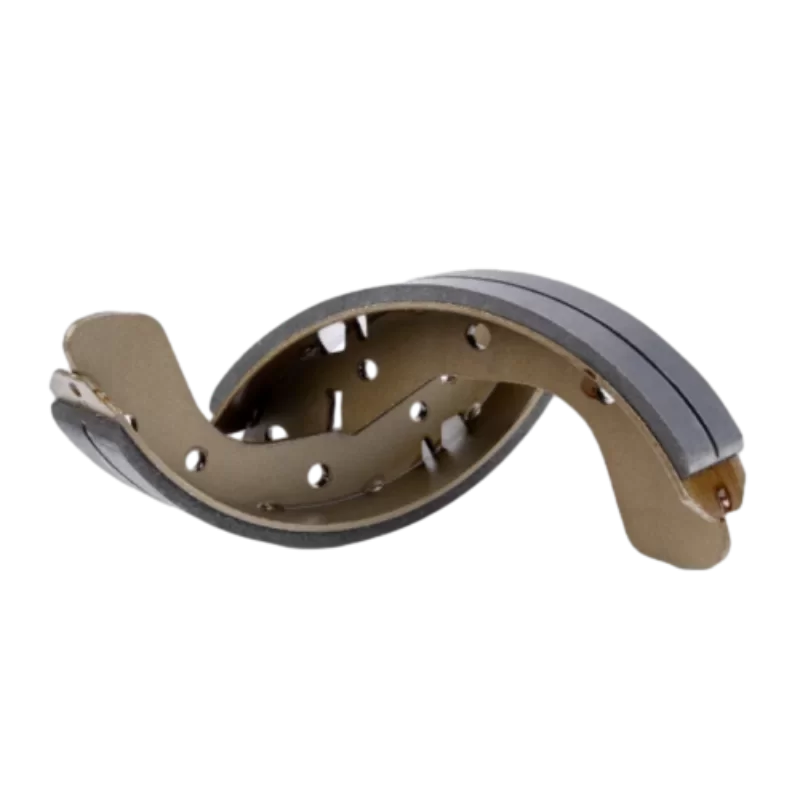
Simply put, the brake shoe is a curved piece of metal housing friction material that presses against a drum to slow or stop a wheel. Inside drum brake systems—still common in many trucks, buses, and economy vehicles—the brake shoe components include the shoe itself, friction lining, springs, adjusters, and anchors. When you step on the brake pedal, hydraulic force pushes these shoes outward, pressing the lining against a rotating drum attached to the wheel.
In modern industry, these components underpin everything from city buses to emergency vehicles and play a big role in humanitarian efforts. For example, well-maintained brake shoe systems ensure relief trucks can reach disaster zones safely and on time. So, these seemingly simple parts have far-reaching real-world impacts.
brake shoe components are small but mighty.
No surprise here. Brake shoes endure extreme friction, heat, and pressure every time a vehicle slows down. The lining material must resist wear yet avoid overheating. Advanced composites or semi-metallic linings often extend service life without compromising performance.
Drivers expect reliable stopping power regardless of conditions—rain, heat, heavy load. That consistency depends on quality control, lining adhesion, and balanced spring tension across the brake shoe assembly.
In fleet operations especially, brake shoe costs add up. Finding materials and designs that balance upfront cost with lifespan reduces overall expenses. Sometimes investing more initially pays off in fewer replacements and less downtime.
Brake shoes that fit standard drum sizes and use common springs and adjusters simplify replacing worn parts. Well-designed components reduce labor costs and vehicle idle time, critical in commercial settings.
Thanks to tighter regulations—especially in the EU and North America—manufacturers are reformulating friction linings to eliminate heavy metals and reduce dust emissions. Sustainable brake shoe components are becoming more common but balancing green goals with performance is still a work in progress.
Mini takeaway: Your brake shoe components are a delicate balance of material science, engineering, and cost-conscious design.
It's fascinating: while many people assume disk brakes dominate, brake shoe components remain vital across several regions and sectors. In parts of Asia, Africa, and Latin America, drum brakes continue to serve commercial trucks and buses reliably. For instance, in post-disaster relief operations in Southeast Asia, vehicles with robust brake shoe systems navigate challenging terrain safely, helping humanitarian organizations distribute aid effectively.
In Europe and the US, where environmental and safety regulations are stricter, brake shoe components are increasingly engineered with eco-friendly materials for municipal fleets and public transit buses. Without reliable shoes pressing against their giant drums, millions of passengers would face risks daily.
Even remote mining and logging industries in Canada and Australia depend on heavy-duty brake shoe components to control massive vehicles on rugged roads.
| Parameter | Typical Value/Range | Notes |
|---|---|---|
| Shoe Length | 200-400 mm | Varies by vehicle size |
| Lining Thickness | 10-15 mm | Depends on usage, material |
| Operating Temperature | -40°C to 350°C | Thermal stability essential |
| Wear Resistance | Up to 50,000 km service life | Depending on conditions |
| Material Composition | Semi-metallic / Ceramic | Eco-friendly versions emerging |
Beyond simply stopping a vehicle, well-engineered brake shoe components bring many advantages:
Frankly, knowing your brake shoe components are reliable lets you focus on bigger things—a job well done, delivered goods, or that extra-mile logistics service.
Looking ahead, innovation is steering brake shoe components into exciting territory:
It’s a complex dance between materials science, digital tech, and regulatory pressures. Trying to keep up keeps engineers on their toes!
Of course, it’s not all smooth braking. Common hurdles include faster-than-expected wear in harsh climates, difficulty sourcing eco-friendly yet robust friction materials, and variations in manufacturing quality worldwide. Some engineers say this inconsistency can lead to unpredictable braking performance—a nightmare for vehicle maintenance teams.
One promising approach is partnering with specialized manufacturers that offer tailored solutions tuned to regional conditions. Others leverage digital wear sensors combined with predictive maintenance software to catch premature degradation early.
Also, ongoing research into new friction formulas and heat-resistant alloys aims to crack the code on combining durability with sustainability.
| Vendor | Material Options | Eco-Friendly Models | Price Range (USD) | Warranty |
|---|---|---|---|---|
| KyBrake Solutions | Semi-metallic, Ceramic | Yes | $80–$150 per set | 1 year / 50,000 km |
| BrakePro Dynamics | Organic, Semi-metallic | Limited | $60–$130 per set | 9 months / 45,000 km |
| EcoBrake Components | Ceramic, Bio-based | Extensive | $100–$200 per set | 2 years / 60,000 km |
A: Generally, brake shoe linings last between 30,000 to 50,000 km, depending on driving conditions and vehicle type. Regular inspections every 10,000 km help detect early wear. If you hear squealing noises or notice reduced braking power, it’s time to check your brake shoes.
A: No. Brake shoes are designed specifically for drum brake systems. Disc brakes use pads instead of shoes. It's important to verify your vehicle's braking system before purchasing components.
A: Modern eco-friendly materials like ceramic or bio-based linings perform on par with traditional semi-metallic shoes. Some drivers even report quieter operation and less brake dust. However, always buy from reputable suppliers to ensure quality.
A: Keeping brake drums clean, avoiding overloading, and scheduling regular maintenance helps prolong brake shoe life under harsh conditions like heavy rain or freezing temperatures.
A: Brake shoe sizes and fitments generally follow industry standards but can vary by vehicle make/model. Always consult specifications or trusted vendors like brake shoe components experts to get correct fits.
In the grand scheme of vehicle safety and global transport, brake shoe components operate quietly but powerfully behind the scenes. Their durability, eco-friendly innovation, and practical applications make them a cornerstone of modern mobility. Whether you manage a trucking fleet, engineer transit buses, or simply want safer daily drives, knowing your brake shoe components inside out can save time, money, and lives.
Curious to explore options or upgrade your fleet’s braking system? Visit https://www.kybrakepad.com for trusted advice and premium brake shoe solutions.
Stay safe out there—and remember, good brakes make great journeys.