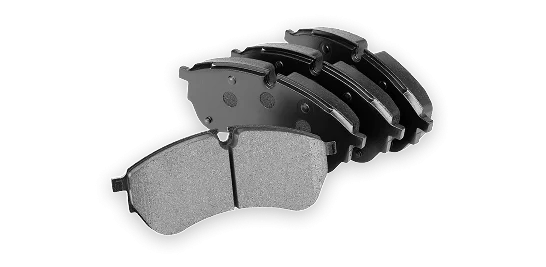
Why Understanding the Brake Shoe of Car Matters Globally
Brake shoes — an unsung hero in vehicle braking systems — are central to road safety worldwide. Whether you’re navigating dense city traffic or cruising rural highways, these components quietly work behind the scenes, ensuring reliable stopping power. Globally, the demand for efficient, durable brake shoes has surged, largely due to rising vehicle ownership and the expansion of logistics networks.
The world clocks millions of vehicles daily, and the brake shoe’s role is simple but crucial: convert kinetic energy to stop a car safely. Yet, behind that simplicity lies a complex engineering balance. Grasping the ins and outs of brake shoes benefits manufacturers, mechanics, transport safety regulators, and even consumers concerned with performance and sustainability.
---
The Global Context of Brake Shoes in Cars
The automotive industry produced an estimated 90 million cars in 2023 alone, with brake systems requiring continual upgrades to meet newer safety standards set by bodies like ISO and UNECE. In fact, ISO 26865:2020 offers guidelines on brake component testing, underscoring global efforts to harmonize quality and safety.
Still, there’s a challenge: uneven quality control and environmental regulations across regions. For example, many developing areas rely on older brake shoe tech that tends to wear out quickly, affecting safety and air quality (from brake dust pollutants). Modernizing brake shoes isn't just an industry issue; it’s a public health and environmental concern too.
---
What Exactly Is a Brake Shoe of Car?
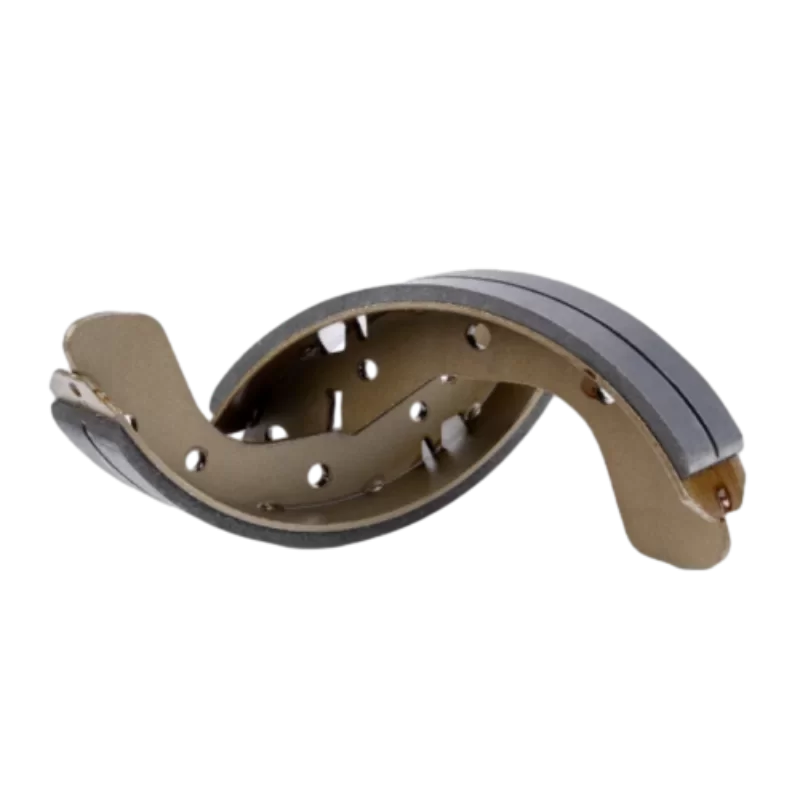
Put simply, a brake shoe is a curved component that presses against the inside of a drum brake to slow down or stop a vehicle. Unlike disc brakes, which use pads clamping around a rotor, drum brakes with brake shoes are common in rear-axle setups for many compact cars, trucks, and motorcycles.
They consist of a semi-metallic or organic friction lining bonded to a metal plate. When the driver steps on the brake pedal, hydraulic pressure pushes these shoes outward, pressing against the spinning drum attached to the wheel. This friction generates the stopping force, converting motion energy into heat.
Brake shoes might sound old-fashioned, but oddly enough, they remain relevant — especially in cost-sensitive markets and commercial vehicles where ruggedness currently trumps flashy tech.
---
Core Aspects of Brake Shoes
1. Durability
Brake shoes must withstand intense friction and heat without degrading too quickly. Durability reduces frequent replacements, repairs, thus lowering total ownership costs for fleets and private drivers alike.
2. Material Composition
Modern brake shoes combine materials like semi-metallic composites or ceramic blends. Many engineers say these reduce wear, improve braking efficiency, and cut down noise—a big plus for urban commuters.
3. Cost Efficiency
Brake shoes are generally more affordable than disc brake pads, especially as drum brake systems are simpler by design. This cost factor makes them favored in certain markets where maintenance budgets are tight.
4. Environmental Impact
The brake shoe’s friction material contributes to particulate matter in the environment—brake dust. Innovations incorporating eco-friendlier materials aim to reduce harmful emissions, aligning with stricter environmental guidelines worldwide.
5. Compatibility and Scalability
Brake shoes must fit a wide range of drum brakes, requiring flexibility in sizes and thicknesses. Scalability in design enables adaptation across various models and vehicle classes without extensive reengineering.
---
Real-World Use Cases for Brake Shoes around the Globe
In Southeast Asia and parts of Africa, drum brakes remain the dominant system in vehicle fleets due to cost and ease of maintenance. Logistics firms running delivery trucks in these regions find brake shoes reliable in dusty, rough road conditions.
Post-disaster relief operations often deploy light trucks equipped with durable brake shoes that withstand unpredictable terrain and stop reliably despite heavy loads. Meanwhile, in North America and Europe, brake shoes continue to serve secondary axles of heavy trucks, balancing cost and braking performance.
Even niche markets, like vintage car enthusiasts and agricultural machinery operators, rely heavily on brake shoes, underscoring their versatility and widespread footprint.
---
Quick Takeaway:
Brake shoes may not headline automotive innovation, but their global importance in safety, cost control, and reliability is way bigger than many realize.
---
Long-Term Advantages of Quality Brake Shoes
From a pure user perspective, reliable brake shoes mean safer driving and fewer breakdowns. Fleet operators note that investing in better brake shoes reduces downtime and improves driver confidence.
Environmentally, eco-conscious brake shoe materials lessen particulate fallout, a concern recently rising in urban air quality studies. Plus, safety advancements made possible by improved brake shoe designs foster public trust — potentially even saving lives.
There’s also a subtle emotional angle here: knowing your car can stop when it needs to brings peace of mind. That sense of trust in a machine, born from dependable parts, is priceless.
---
What’s Next: Future Trends in Brake Shoe Technology
The brake shoe space is quietly evolving:
- Green Materials: Manufacturers increasingly test bio-based composites to minimize toxic emissions.
- Smart Brake Linings: Embedded sensors to monitor wear and thermo-stress in real-time could become mainstream.
- Digital Quality Control: AI-driven production lines optimize friction material mixes for better performance.
- Lightweight Designs: Using advanced metal alloys to reduce weight boosts vehicle fuel efficiency.
These trends suggest that even age-old components like brake shoes won't be left behind amid the drive for greener, smarter vehicles.
---
Challenges & Solutions Facing Brake Shoes Today
One persistent issue is uneven wear leading to brake fade — the reduction of stopping power during extended use. I noticed many local workshops still replace brake shoes by guesswork rather than measurement, which risks safety.
To counter this, solutions include improved quality standards and simple diagnostic tools for mechanics. Additionally, educating drivers on correct braking habits impacts shoe lifespan significantly.
Brake dust pollution also remains a challenge. Collaboration between material scientists and environmental regulators has sparked promising greener formulas — albeit with cost trade-offs manufacturers must carefully navigate.
---
Frequently Asked Questions About Brake Shoe of Car
Q1: How long does a typical brake shoe last?
A standard brake shoe can last anywhere between 30,000 and 70,000 miles depending on driving conditions and material quality. Frequent heavy braking or rough roads may shorten lifespan noticeably.
Q2: Can brake shoes be used interchangeably with disc brakes?
No. Brake shoes are designed exclusively for drum brake systems. If a car has disc brakes on one or all wheels, brake pads—not shoes—are used.
Q3: Are brake shoes eco-friendly?
Traditional brake shoes release some particulate matter but recent innovations incorporate low-metallic and organic materials to reduce environmental impact.
Q4: How can I tell if my brake shoes need replacement?
Signs include squeaking sounds, reduced braking efficiency, or a “soft” brake pedal. Professional inspection or using thickness gauges helps confirm wear levels.
---
Summary & Next Steps
Brake shoes of cars might be simple pieces of metal and composite, but their role in vehicle safety and global mobility can’t be overstated. They’re cost-effective, durable, and increasingly mindful of environmental concerns. Whether it’s a delivery van in Nairobi or an old sedan in São Paulo, better brake shoes save lives and money.
For anyone serious about vehicle maintenance or fleet management, understanding brake shoe specs and choosing trusted brands is critical. Visit our site for detailed product specs and insights:
brake shoe of car offerings.
---
| Specification |
Typical Value |
Description |
| Material |
Semi-metallic / Ceramic blend |
Friction lining optimized for wear resistance & noise reduction |
| Thickness |
12 – 16 mm |
Initial lining thickness varies by model & usage |
| Operating temp |
-30°C to 300°C |
Functional braking under varied weather & load scenarios |
| Average lifespan |
30,000 – 70,000 miles |
Depends on vehicle use & maintenance |
| Noise level |
| Designed to minimize squeal & vibration |
| Vendor |
Product Range |
Price Range (USD) |
Key Features |
Warranty |
| KyBrake Inc. |
Passenger & Commercial Vehicles |
20 – 80 |
Eco-friendly linings, custom sizes |
2 years |
| SafeStop Brakes |
Heavy-Duty & Off-Road |
35 – 110 |
High-temp resistant materials |
3 years |
| EcoPad Systems |
Standard & Green-Friction Brake Shoes |
25 – 90 |
Low emission, noise reduced |
2 years |
While brake shoes might seem like humble brake system components, the continuous improvement of materials and design remind us they remain vital to automotive safety worldwide. The balancing act between safety, cost, and sustainability keeps the innovation wheels turning—and frankly, it’s a good sign that this part isn’t being ignored.
References
- Wikipedia – Brake Shoe
- ISO 26865:2020 - Brake components testing
- UN Environment Programme - Air Quality & Particulates