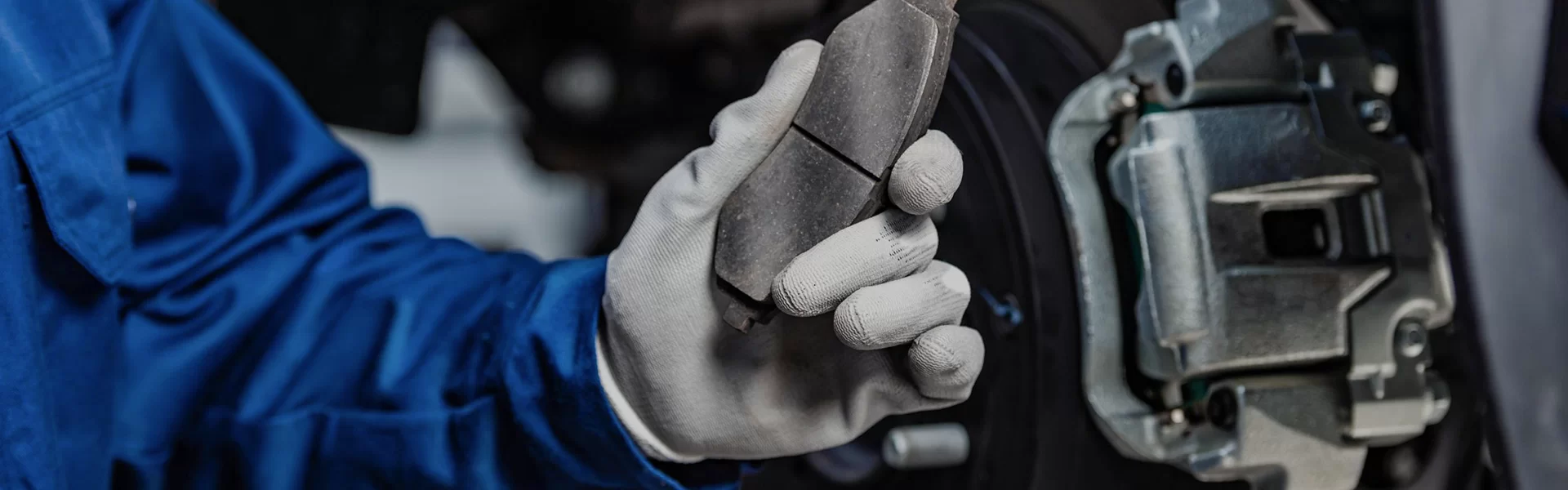
Brake shoe sets might sound like everyday mechanical jargon tucked away in car repair manuals. But if you pause a moment, you’ll realize these little assemblies quietly underpin the safety, reliability, and efficiency of countless vehicles worldwide—from trucks hauling goods across continents to public buses navigating city streets. Globally, ensuring good brake performance saves lives, reduces accidents, and supports economic activities. They’re not flashy, but understanding brake shoe sets opens up a fascinating window into automotive engineering and industrial safety.
Plus, knowing their benefits in areas like cost efficiency, durability, and sustainability can help industries make smarter choices, ultimately benefiting hundreds of millions of drivers and pedestrians alike.
Brake shoe sets serve as a critical friction component of drum brake systems used by over 40% of commercial vehicles worldwide, according to industry reports and Wikipedia. In regions like Asia and Africa, where heavy-duty transportation is booming but infrastructure maintenance may lag, reliable brake components can mean the difference between safe transit and catastrophic failure.
Globally, the automotive parts market hits into hundreds of billions of dollars, with brake systems accounting for a notable share. ISO standards ensure that brake shoe sets meet minimum safety and performance metrics, yet challenges remain—namely in durability under varying environmental stresses, ease of maintenance, and cost constraints in emerging markets. It’s a balancing act, really.
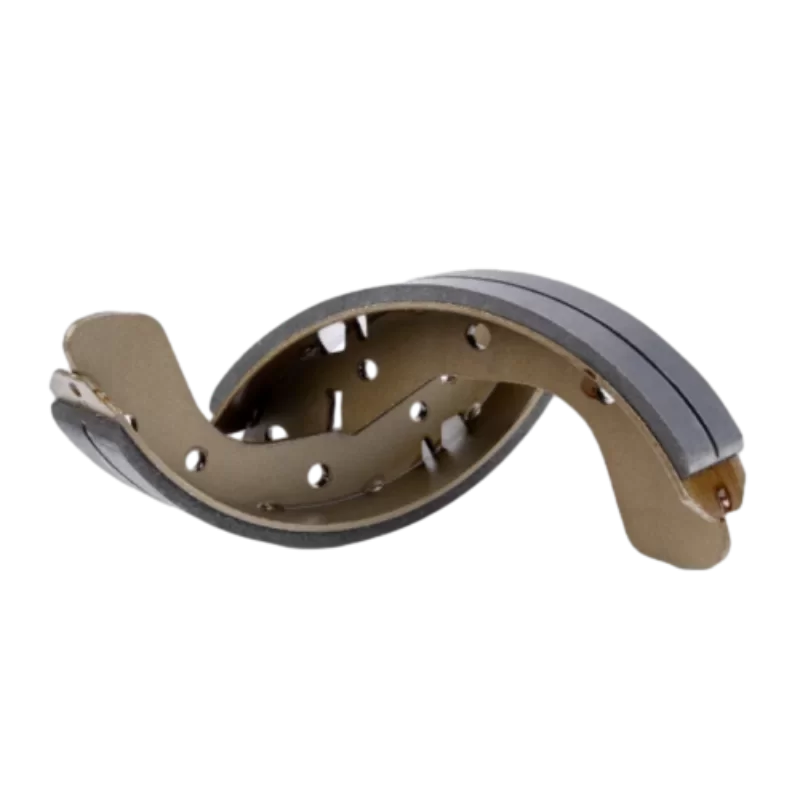
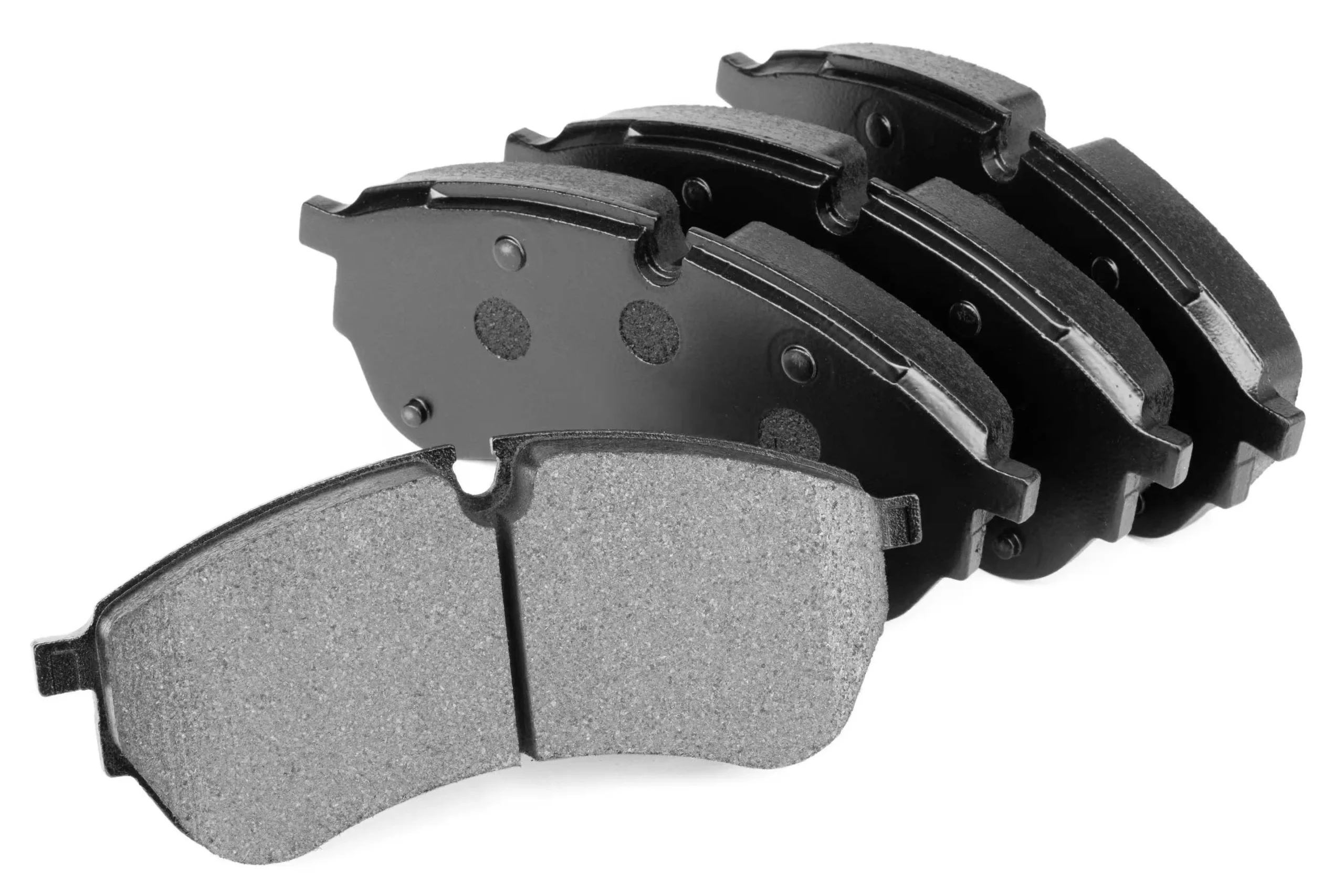
Let’s keep it simple: a brake shoe set consists of two curved friction shoes lined with brake lining material. These shoes press outward against the inside of a spinning drum attached to the wheel to slow or stop a vehicle.
Modern vehicles still favor brake shoe sets largely in heavier, commercial, or older vehicle platforms because they offer strong braking power and are easier and cheaper to maintain than disc counterparts—especially in harsh or rural areas. Beyond automotive use, similar friction-based brake mechanisms are used in industrial machinery and agricultural equipment because of their simplicity and ruggedness.
Brake shoe sets need to withstand tremendous heat, pressure, and friction. High-quality friction materials ensure longevity and consistent braking performance. Many engineers say that the right formulation spans synthetic fibers, resins, and sometimes semi-metallic materials to achieve the needed wear resistance.
For fleet operators or vehicle manufacturers, the price-to-performance ratio is crucial. Brake shoe sets that require less frequent replacement reduce downtime and maintenance costs. Oddly enough, a slightly higher upfront investment in premium brake shoes can save thousands in the long run.
Vehicles operating in muddy, wet, or dusty conditions demand brake shoes with coatings or lining materials that resist corrosion and environmental degradation. This also influences choice in mining and agricultural sectors.
Brake shoe sets must fit precise vehicle models, from heavy haul trucks to buses. Being able to scale production for different vehicle categories or retrofits influences supplier choices. Custom solutions sometimes come into play.
Complying with ISO and regional safety standards ensures consistent braking performance and legal approval. Many manufacturers use rigorous testing protocols aligned with organizations like SAE International.
Brake shoe sets are everywhere—literally.
For example, during emergency relief efforts after flooding in remote areas, heavy trucks equipped with dependable brake shoe sets are essential for delivering aid without accidents—highlighting their humanitarian angle.
| Specification | Typical Range | Notes |
|---|---|---|
| Material Composition | Semi-metallic / Organic / Ceramic blend | Varies by vehicle need and environment |
| Operating Temperature | -40°C to 300°C | Heat resistance critical for safety |
| Lining Thickness | 8 mm to 15 mm | Affects wear life and braking force |
| Average Lifespan | 30,000 - 60,000 km | Depends on use and conditions |
The benefits extend far beyond mere component replacement:
At the end of the day, investing in good brake shoes isn’t just mechanics; it’s about fostering trust on the road and supporting sustainable industrial progress.
Innovation is buzzing. The future of brake shoe sets leans toward:
Such trends signal automation and digitization even in seemingly “low tech” parts—a fascinating shift that could evolve safety standards worldwide.
Of course, no technology is without hiccups. Current challenges include:
Experts recommend strict quality assurance programs, use of corrosion-resistant coatings, and partnering with verified suppliers to mitigate these problems. Digital monitoring tools also help catch trouble early.
| Vendor | Material Quality | Price Range (USD) | Customization Options | International Shipping |
|---|---|---|---|---|
| KyBrakePad | High-grade semi-metallic / organic blend | $$$ | Custom sizing & materials | Yes (Worldwide) |
| BrakeMaster Inc. | Organic & ceramic composites | $$ | Limited | Regional (N. America, Europe) |
| SafeStop Technologies | Advanced ceramic blends | $$$$ | Yes, with advanced R&D support | Worldwide |
In the big scheme of things, brake shoe sets might seem humble. But their role is anything but trivial. From ensuring that a rural bus stops safely to keeping heavy freight rolling across continents, these components form the backbone of daily transport safety.
Investing time to understand their qualities, challenges, and innovations not only helps industries make better decisions but also contributes to global efforts toward safer, greener, and more efficient transport infrastructure. If you’re curious to explore high-quality brake shoe sets or want to upgrade your fleet’s braking performance, I suggest checking out KyBrakePad — they’ve got a reputation for durable, innovative products and international service.
Until next time, keep those wheels turning safely!