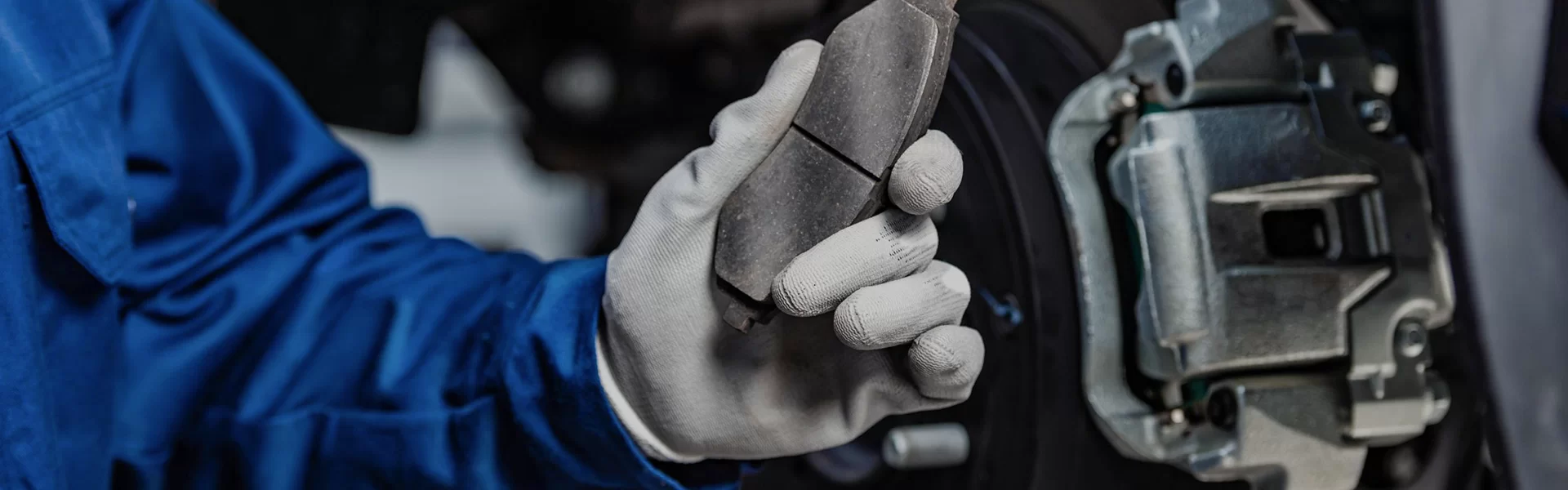
Brake shoes and lining might sound like technical jargon tossed around automotive workshops, but they’re actually central to safe mobility worldwide. Simply put, these components are key to safely slowing and stopping vehicles—crucial across everything from passenger cars to heavy industry machines. Why does this matter globally? Because road safety affects billions every day, and efficient braking directly reduces accidents, emissions from idling, and costly downtime.
Grasping the ins and outs of brake shoes and lining is not just for mechanics but anyone interested in sustainable vehicle management and transport safety. Plus, these parts’ durability, material composition, and maintenance actually touch on larger themes like environmental impact and innovation in manufacturing. In the end, knowing about these parts isn’t just a niche technical skill—it's part of a wider picture involving safety, economy, and industry progress.
Globally, over 1.35 million people die from road accidents each year, according to the World Health Organization (WHO). While many factors contribute, well-maintained braking systems are essential for accident prevention. Brake shoes and lining are at the heart of that system, transforming kinetic energy into friction—and eventually heat—to bring vehicles to a stop.
With nearly 1.4 billion vehicles on the road worldwide, from sprawling urban centers like Mumbai and Los Angeles to remote mining sites in Australia or Africa, the demand for reliable brake components is vast. Moreover, emerging markets are growing their vehicle fleets rapidly, often relying on older, heavy-duty vehicles that depend heavily on durable brake shoes and linings.
At the same time, environmental policies push for lower particulate emissions from brake dust – a sometimes overlooked source of pollution. Thus, material science advancements in brake linings now contribute directly to sustainability goals outlined by organizations such as the UN Environment Programme.
Mini takeaway: Brake shoes and lining aren’t just a mechanical curiosity — globally, their evolution impacts safety, environment, and economic vitality.
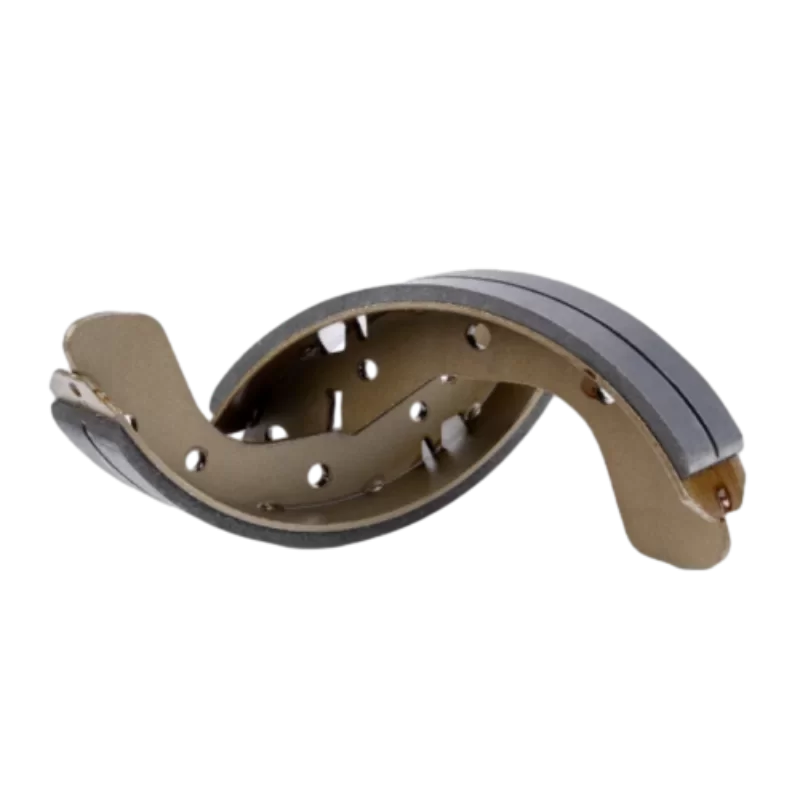
Brake shoes are curved parts that press against a spinning brake drum to slow a vehicle down. Meanwhile, the lining is the friction material bonded to the shoe’s surface. Together, they convert motion energy into heat friction to decelerate wheels.
While drum brakes are older technology compared to disc brakes, brake shoes and linings remain vital for many commercial trucks, buses, and motorcycles. Their simple yet effective design makes them cost-efficient, durable, and easier to maintain. Plus, in regions where rugged terrain or dusty environments prevail, drum-based systems with brake shoes often outperform disc brakes for longevity.
Interestingly, brake shoe and lining technologies aren’t just automotive. Industries like mining, agriculture, and construction also rely on brake shoes for heavy machinery and cranes, revealing just how widely relevant these parts are.
Friction materials vary widely, but durability is king. Brake shoes need to withstand thousands of braking cycles without degrading. Modern linings incorporate composites like aramid fibers and metallic elements for strength and heat resistance.
When braking, the friction generates intense heat. A well-designed lining must manage this heat to avoid fading (loss of braking efficiency). Ventilation through drum designs and material choice helps, which is why testing under extreme conditions is standard.
Although cheaper linings exist, balancing cost and performance is crucial. Products that last longer save fleets time and money on replacement while reducing safety risks. As such, many operators prefer premium or semi-metallic linings that offer a sweet spot.
New generations of “green” brake linings reduce asbestos use altogether—a major environmental and health win—while cutting brake dust emissions. This is an increasing consideration, especially for urban fleets complying with tightening standards.
Brake shoes must fit various vehicle makes and models precisely, requiring close collaboration between manufacturers and vehicle assemblers. Many suppliers today offer customized linings adapted to specific performance or environmental needs.
From bustling cities to remote industrial zones, brake shoes and lining make a difference:
Oddly enough, some regions still favor drum brakes with brake shoes over discs due to local climate, maintenance capacity, and vehicle age—in parts of Southeast Asia and Latin America, for example.
Mini takeaway: Brake shoes and lining form a crucial foundation beneath many high-stakes transport and industrial operations worldwide.
Why invest in quality brake shoes and linings? For starters:
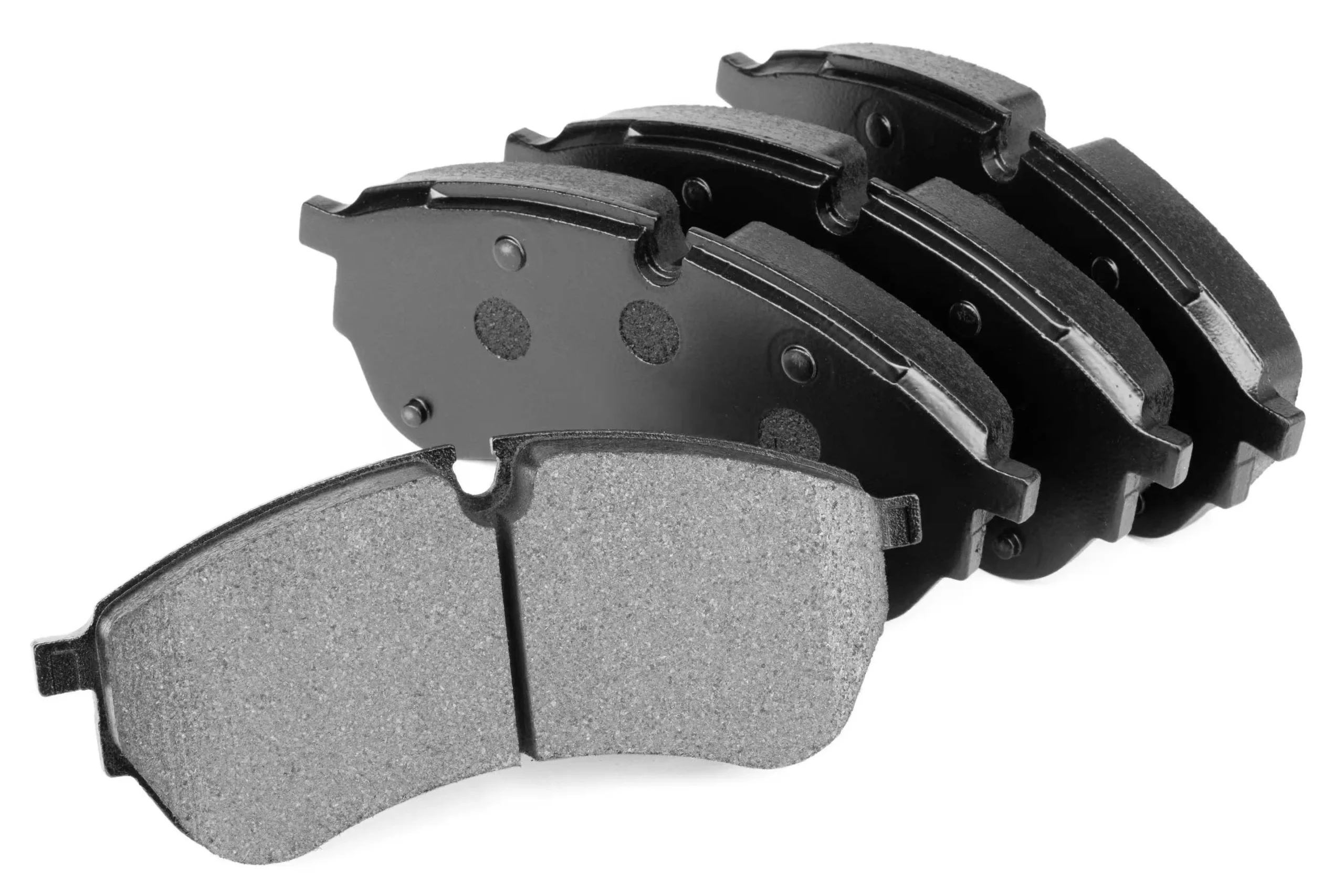
Manufacturers are actively testing ceramic-based linings and bio-based composites to replace traditional semi-metallic materials. These innovations promise even less wear, lower noise, and safer disposal.
Digital monitoring systems are also creeping in—think sensors embedded in brake linings that alert operators well before replacement is needed. Such smart brake shoes could integrate with fleet telematics platforms for predictive maintenance planning.
Switching gears toward electric vehicles presents fresh challenges, as regenerative braking reduces wear on traditional shoes. Still, heavy vehicles like trucks will rely on brake shoes for emergency stops for years, so niche advances remain vital.
Despite progress, problems linger. For example:
Industry experts recommend rigorous quality certifications, increased investment in green materials research, and collaborations between OEMs and braking specialists to tackle these.
| Feature | Specification |
|---|---|
| Material Composition | Aramid Fiber-Based Composite with Metallic Particles |
| Operating Temperature Range | -40°C to 450°C |
| Friction Coefficient | 0.35 - 0.4 (Dry) / 0.25 - 0.3 (Wet) |
| Average Lifespan | 40,000 km (varies with load and usage) |
| Noise Level | Low (below 70 dB) |
| Environmental Compliance | Asbestos-Free, Copper-Free |
| Vendor | Product Range | Material Technology | Price Range | Key Markets |
|---|---|---|---|---|
| KyBrakepad Co. | Standard & Premium Brake Linings | Aramid + Semi-metallic composites | $$$ | Automotive, Industrial Equipment |
| Global Brake Solutions | Heavy-Duty and Off-Road Linings | Ceramic-matrix composites | $$$$ | Mining, Construction |
| EcoBrake Industries | Eco-friendly Brake Pads | Bio-composites, Low Copper | $$ | Urban Bus Fleets, Light Vehicles |
The humble brake shoe and its lining are much more than mere parts. They represent the converging paths of safety, technology, and sustainability. Our world depends on these friction heroes every time a vehicle slows—from sprawling megacities to quiet countryside roads. Their development tells a story of innovation that balances cost, environment, and human lives.
Want to explore reliable, field-tested brake shoes and lining for your needs? Visit our website: brake shoes and lining for more detailed info and technical support.
Mini takeaway: As transport demands evolve, so too will the brake shoes and linings that keep us safe—one expertly engineered stop at a time.